

The Green Wave on Campus
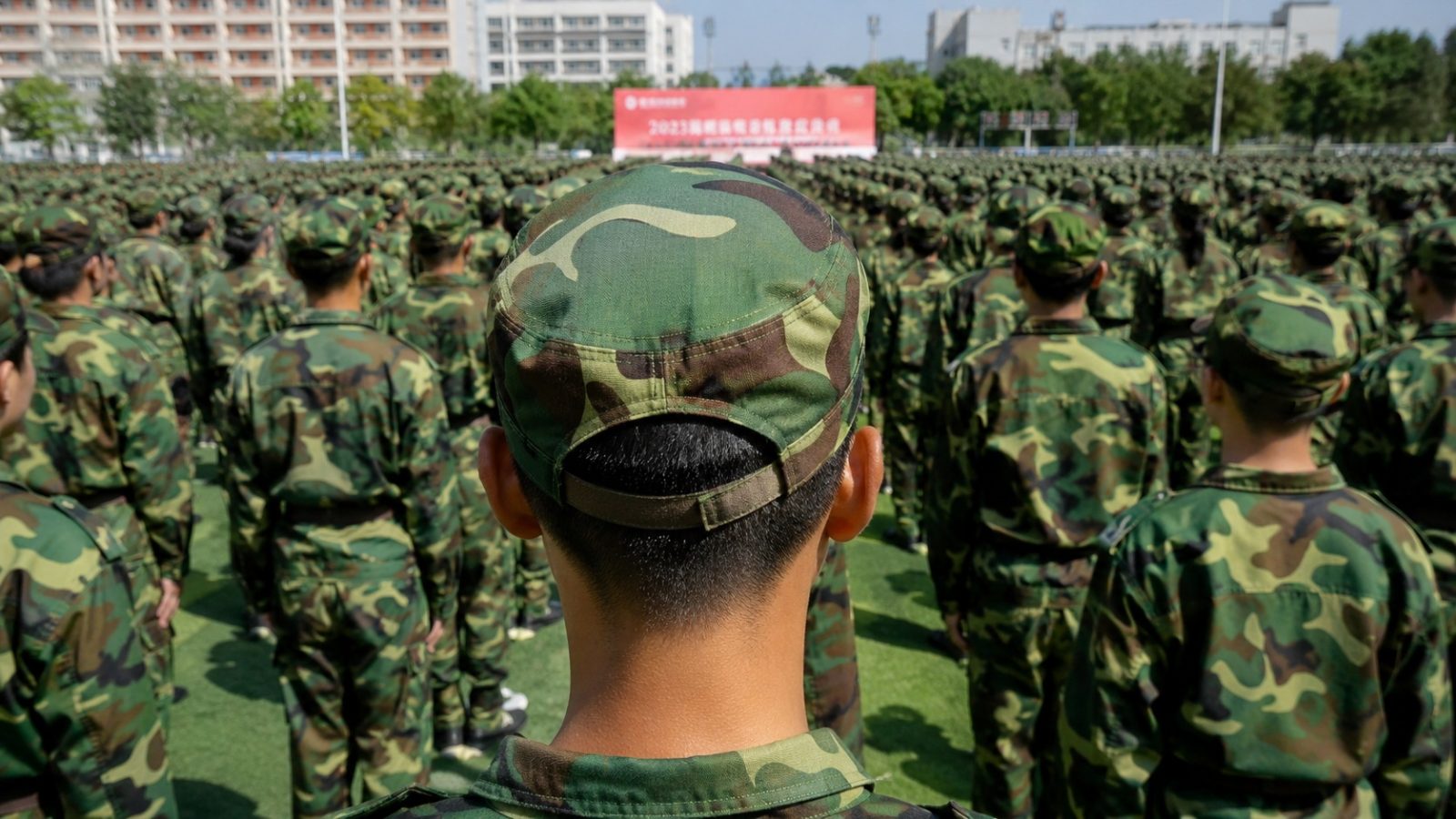
It is early September, and the air is still thick with summer humidity. At a university in Nanjing, the usual morning sounds of students chatting or biking to class are replaced by the sharp, synchronized shouting of “One, two, three, four!” Thousands of freshmen, all dressed in identical, ill-fitting olive-drab uniforms, stand in rigid formations across the sports field. Their skin is already turning a deep bronze from the relentless sun.
To an outsider, this might look like a prelude to actual military service. But for these 18-year-olds, it is simply the first day of university. In China, this scene is universal. Whether in a top-tier research university in Beijing or a vocational college in a small town in Sichuan, the “Campus Boot Camp” is a mandatory rite of passage. For four weeks, the academic curriculum takes a backseat to marching, standing at attention, and singing patriotic songs.
A Tradition Rooted in History
The practice dates back to the early days of the People’s Republic, but its modern form solidified in 1985 when the government mandated military training for high school and university students. The official rationale is national defense education, ensuring that young citizens have a basic understanding of military discipline. However, the social function has evolved significantly over the decades.
In today’s China, most students do not expect to join the army after graduation. Instead, the training serves as a social equalizer and a bonding mechanism. Before this month, these students often come from different high schools, regions, and backgrounds. Some are only children who have never lived away from home; others are the first in their families to attend college. The uniform strips away individual markers of status—brand-name sneakers, expensive phones, or regional accents—and replaces them with a collective identity.
The discipline is strict but not abusive. Instructors, often retired soldiers or local militia officers, emphasize order and endurance. Students learn to fold quilts into perfect “tofu blocks,” a task that frustrates many but becomes a badge of honor. They learn to move as one unit, reacting to whistle commands before their brains even process the order.
The Physical Toll and the Social Bond
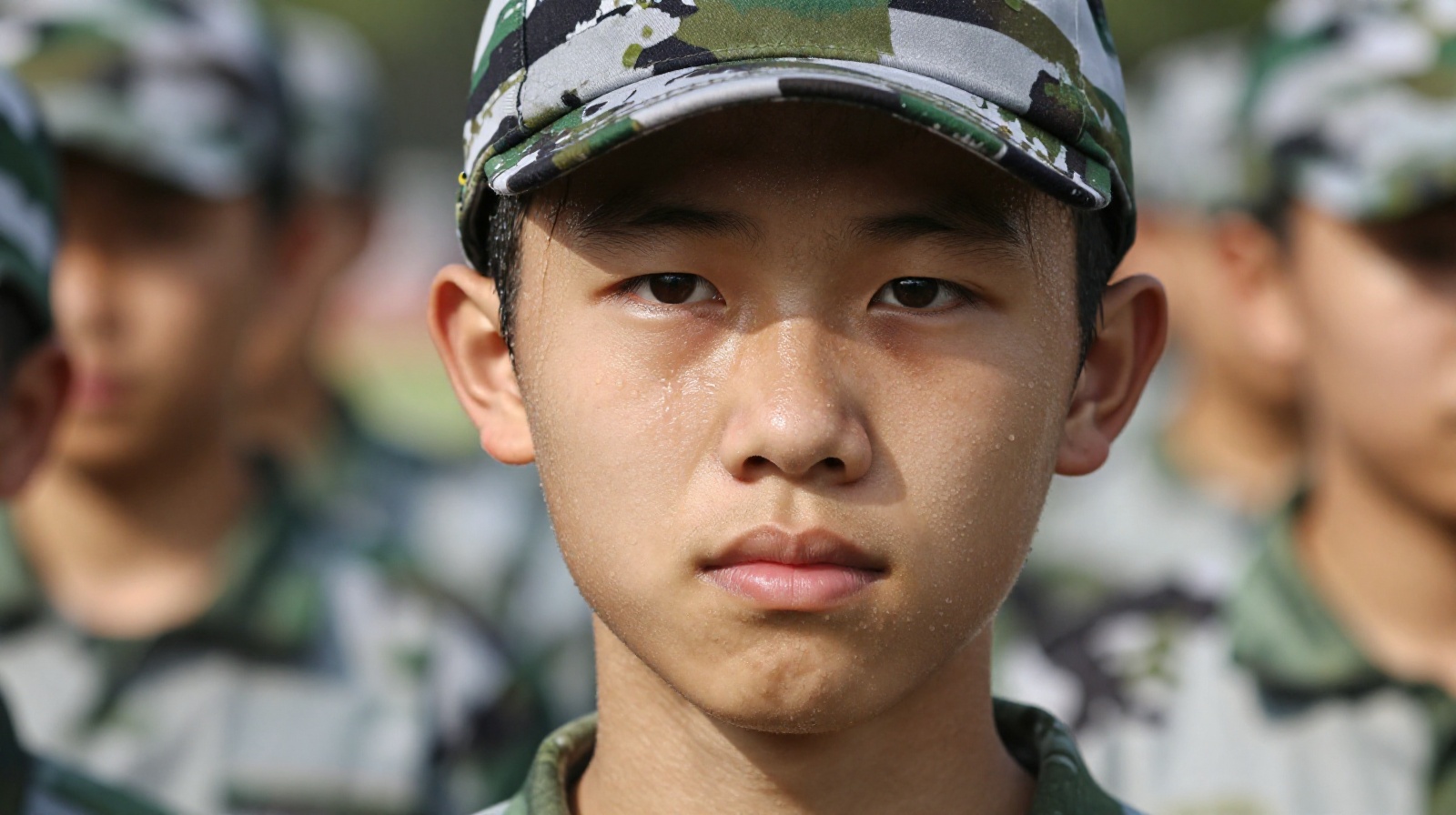
Let’s be honest: for many students, it is exhausting. Standing in the heat for hours under the scorching sun causes dizziness and dehydration. The cheap cotton uniforms offer little protection from sweat or insects. Complaints are common, especially in the first week. “I just want to sleep,” one freshman whispered to her roommate after a particularly grueling session.
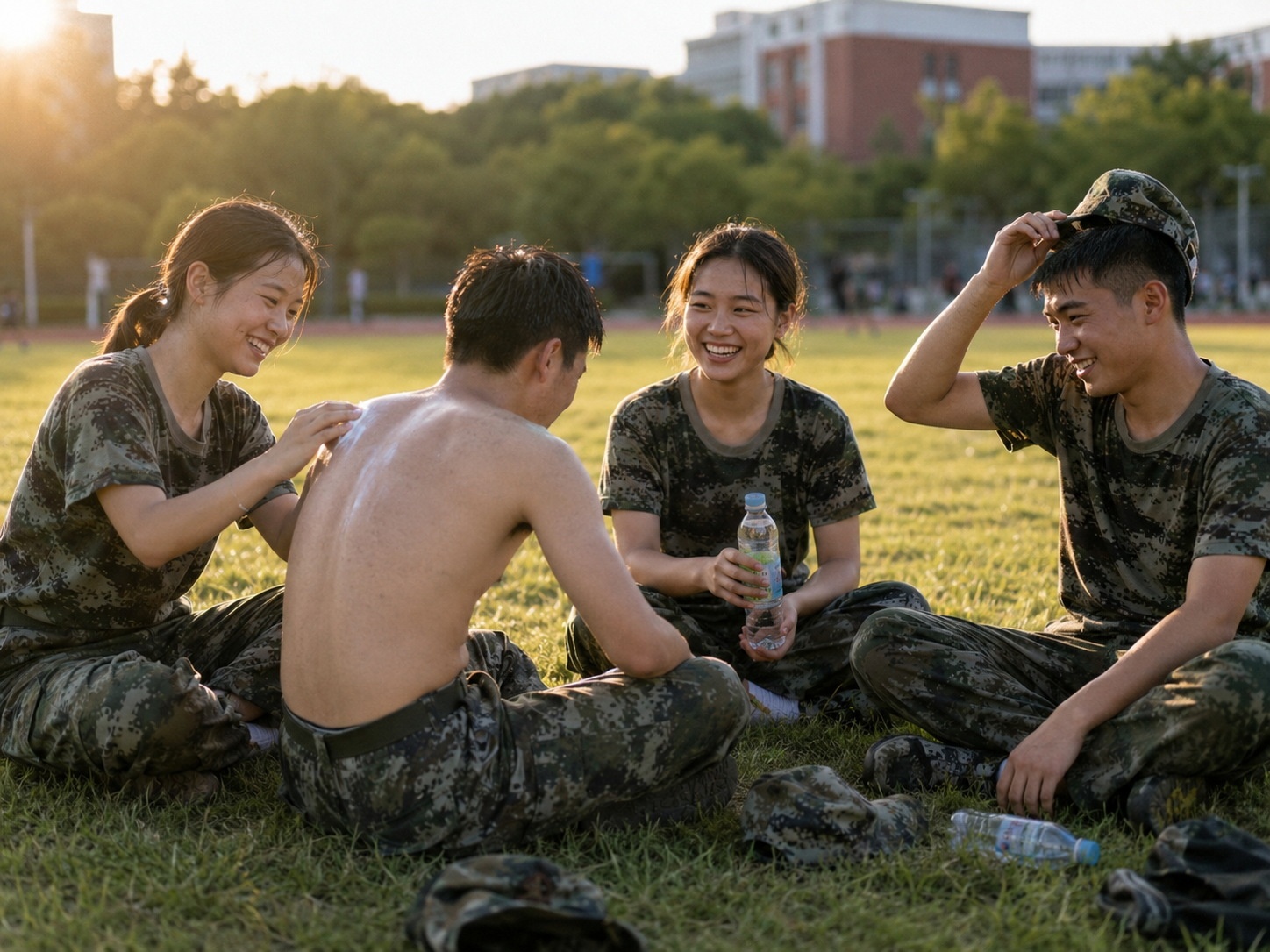
Yet, this shared hardship is precisely what creates the bond. The struggle against the elements breaks down social barriers. Students who might have remained strangers end up sharing water bottles, applying sunscreen to each other’s backs, and laughing at their own clumsy marching steps. The evening sessions, where classes gather to sing folk songs or perform skits, transform from awkward obligations into lively social events. By the end of the month, the group dynamic shifts from a collection of individuals to a cohesive class.
More Than Just Marching
In recent years, the content of military training has modernized. While basic marching remains, many universities have integrated practical skills that reflect contemporary realities. Firefighting drills, first aid training (including CPR and bandaging), and disaster response simulations are now common. Some advanced campuses even introduce drone operation or cybersecurity basics.
This shift reflects a broader change in how Chinese society views youth development. It is no longer just about obedience; it is about resilience and practical competence. The goal is to produce young adults who can handle pressure, work in teams, and respond calmly in emergencies. For parents, knowing their children have survived a month of physical discipline provides a sense of security, even if they worry about the heatstroke risks.
A Shared Memory for a Generation
For Chinese students, the memory of military training is vivid and universal. It is the tanned skin, the sore feet, and the strange camaraderie with instructors who are often only a few years older than them. Years later, when alumni reunite, the “boot camp” story is often the first topic of conversation. It is a shared trauma turned into a shared joke, a defining moment that marks the beginning of their adult lives.
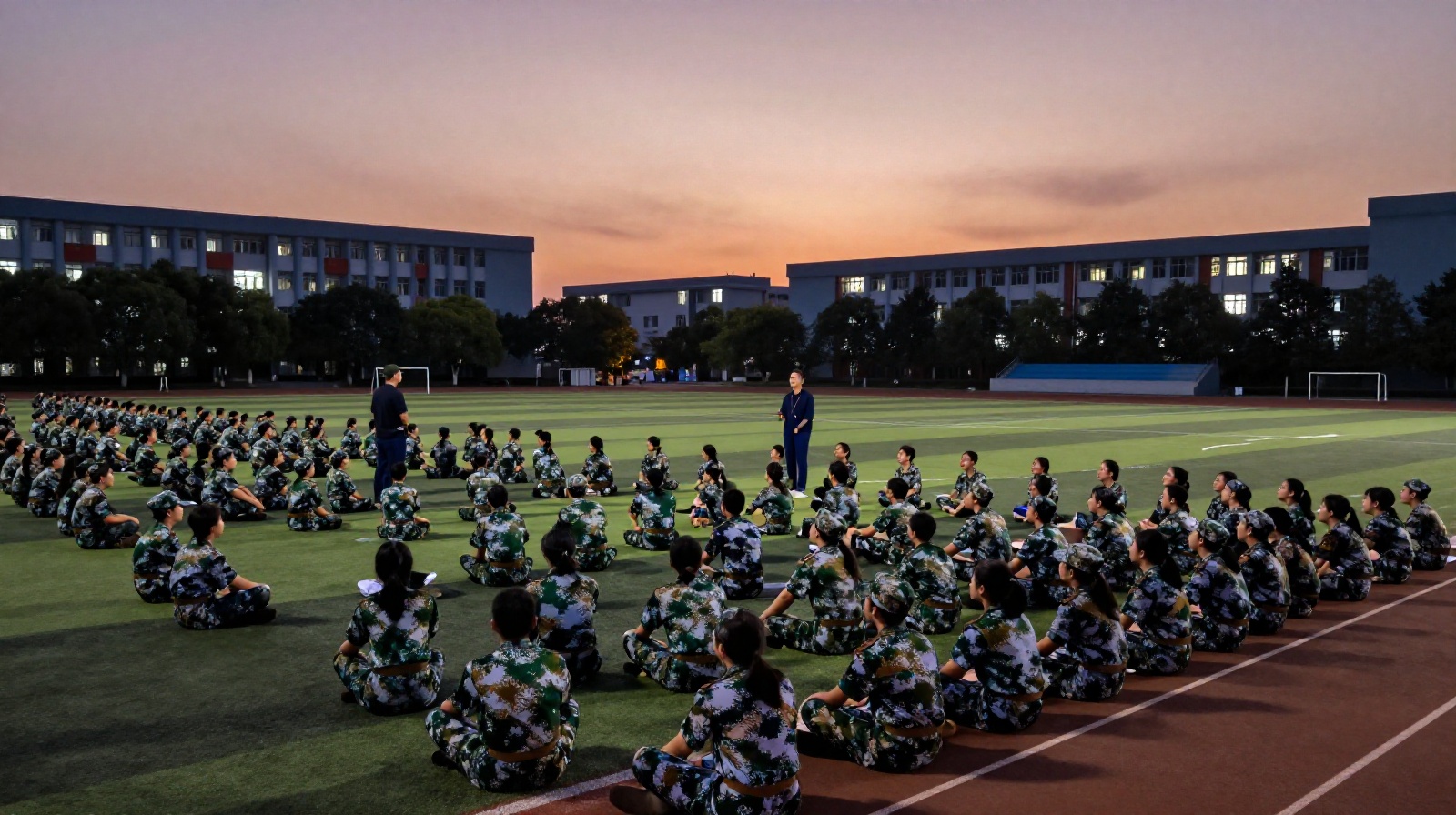
From an international perspective, the scale and uniformity of this practice can seem surprising. But it is not about creating soldiers; it is about creating citizens. In a society undergoing rapid individualization, this month-long collective experience offers a rare moment of unity. It reminds young people that they are part of something larger than themselves—a nation, a university, a class.
As the final whistle blows and the camo uniforms are folded away, the freshmen return to their lectures with a new sense of belonging. They are no longer just students; they are part of a tradition that has shaped millions of young Chinese minds before them.