

The ‘Super App’ That Feels Like a Second Heart
If you open your phone in New York, London, or Tokyo, you likely have five different apps for messaging, payments, ride-hailing, shopping, and booking appointments. In Beijing, Shanghai, or Chengdu, one app does almost all of that: WeChat.
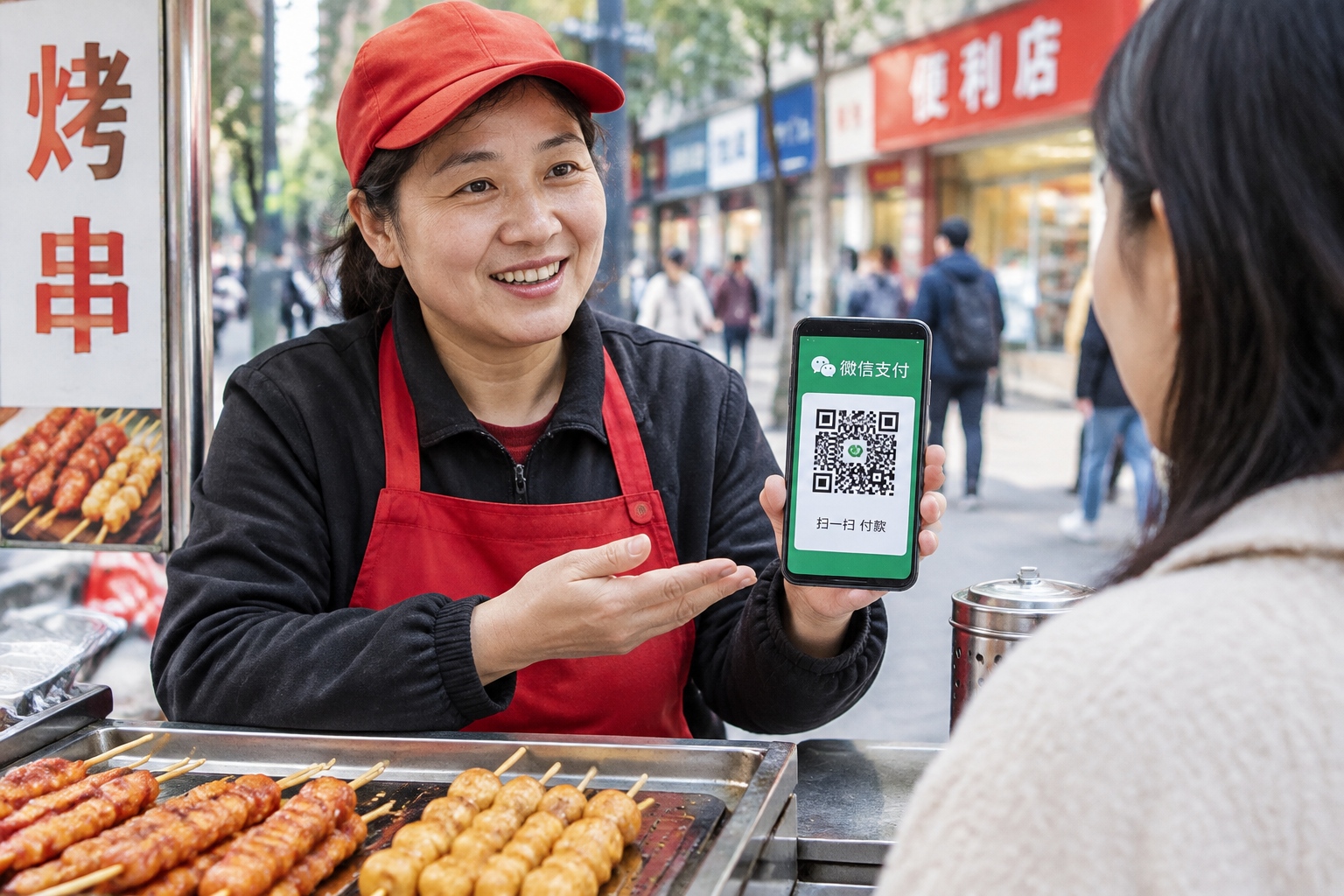
It started as a simple messenger, like WhatsApp. Today, it is the digital infrastructure for over 1.3 billion users. It is not just a tool; it is the operating system for daily life in China. When I walk into a convenience store to buy a bottle of water, the cashier doesn’t ask for cash or card. They point to a small square code on the counter. I open WeChat, scan it, and pay instantly. No app switch, no credit card number entry. It takes three seconds.
More Than Chat: The Social Fabric of China
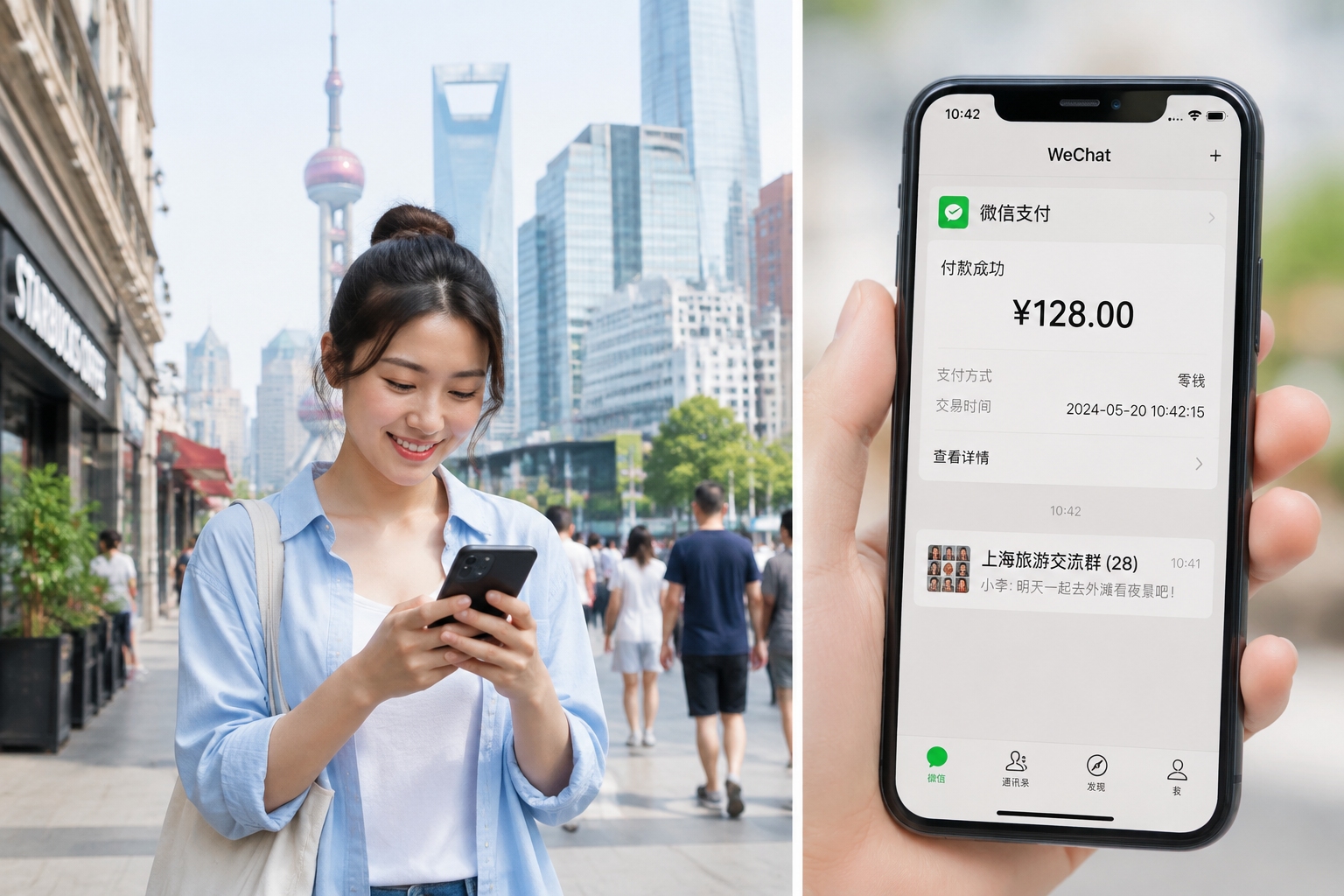
WeChat is where Chinese society happens online. Its ‘Moments’ feature (similar to Facebook’s News Feed) feels different because it is strictly private. Unlike Western social media, which often encourages broadcasting to strangers, Moments are for your real circle. You see posts from family, school friends, and colleagues, but the algorithm doesn’t push viral videos or ads into your feed.
The true power of WeChat lies in its groups. There is a ‘Mom Group’ where mothers share recipes and complain about homework. There is a ‘Neighborhood Coordination Group’ for residents to report broken streetlights or organize clean-up days. In the workplace, official announcements often happen here before emails are sent. It blurs the line between private life and professional duty.

Life Without Cash: The Logistics of a QR Code World
Cash is becoming rare in major Chinese cities. This isn’t just about convenience; it’s about an ecosystem built on trust and speed. I once watched a street vendor selling roasted chestnuts in winter. He had no cash register, only a printed WeChat payment code taped to his cart. A customer scanned the code with their phone, paid 20 yuan, and left. The vendor checked his phone notification: ‘Received.’ Done.
This seamless experience extends far beyond food. Need a taxi? Book it inside WeChat. Want to renew your driver’s license or pay utility bills? Mini Programs handle it. These are lightweight apps that live inside WeChat, requiring no installation. You can order groceries from a supermarket chain, book a train ticket, or even file a tax return without ever leaving the chat interface.
The ‘Always-On’ Reality: Work and Life in One Screen
This convenience comes with a cost. The same app that delivers your food is also where your boss sends urgent messages at 9 PM. In China, WeChat has fundamentally blurred the boundaries between work and personal time. This phenomenon is often called ‘always-on culture.’
Young professionals navigate this carefully. Many have created separate ‘Work’ and ‘Personal’ accounts or mute notifications for specific groups to survive the noise. Yet, refusing a message from a boss can be seen as unprofessional. The app has made efficiency incredibly high but pressure constant.
A Window into Modern China
To understand modern China, you cannot ignore WeChat. It is not just a business success; it is a reflection of how society organizes itself in the 21st century. From the bustling street markets to the digital government offices, the logic of one app for everything defines the rhythm of life here.
For an outsider, it can feel overwhelming at first. But once you understand that WeChat is not just software, but a digital community, its power becomes clear. It connects the smallest vendor with the largest banks, and the most private family moment with the broadest public infrastructure.
Start the discussion at forum.chinacomes.com