
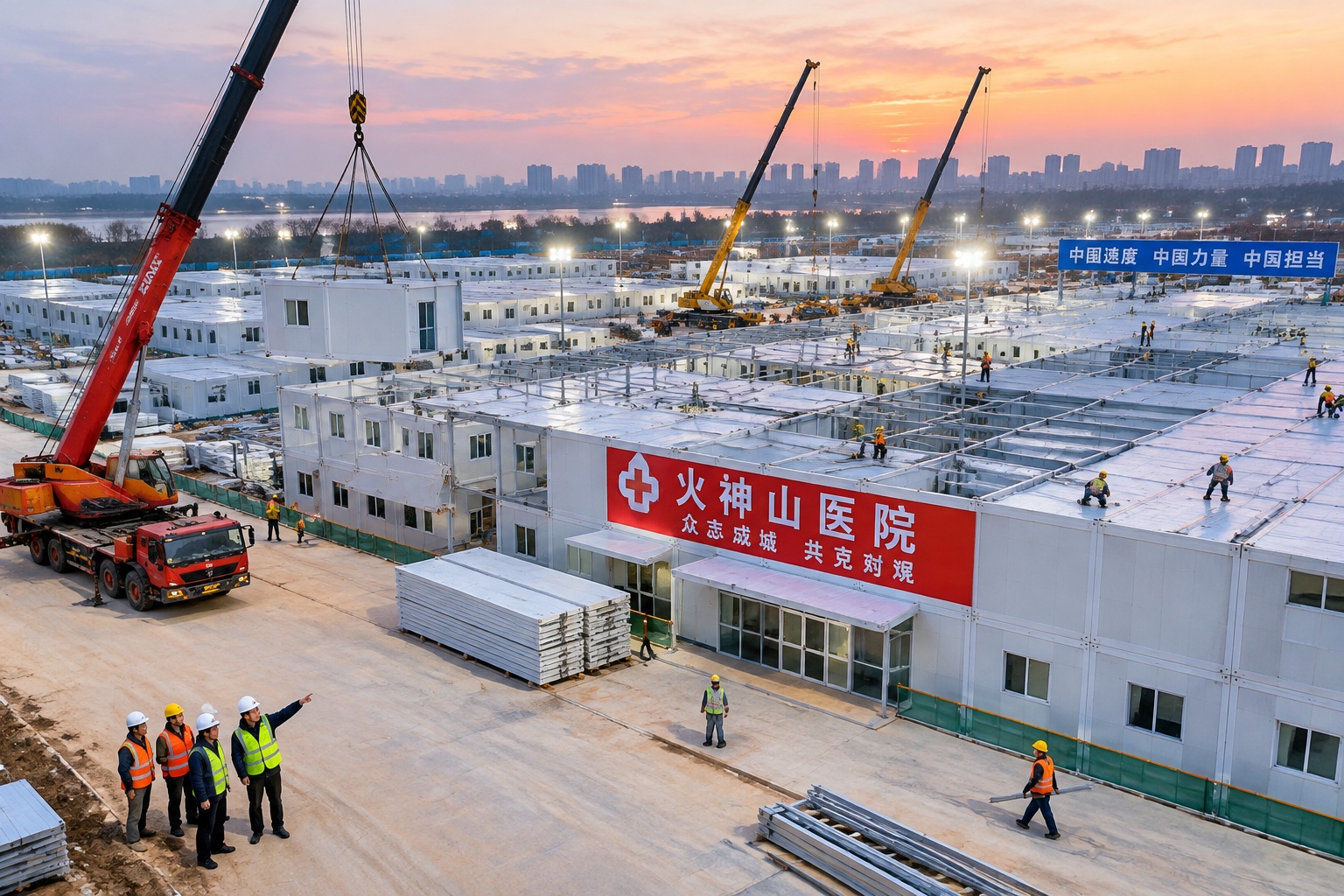

A Night That Changed Everything
On January 23, 2020, Wuhan was locked down. The city’s hospitals were overwhelmed, and the air was thick with anxiety. Then came a proposal: build a new hospital in just ten days to handle thousands of patients.
To most people outside China, this sounded impossible. In New York or London, breaking ground for a small medical facility takes months of zoning permits, environmental reviews, and bidding processes. Yet, by February 2, Wuhan’s Huoshenshan Hospital was operational. It wasn’t just a building; it was a physical manifestation of a system designed to move at lightning speed.
The Engine: Mobilization Over Market Logic
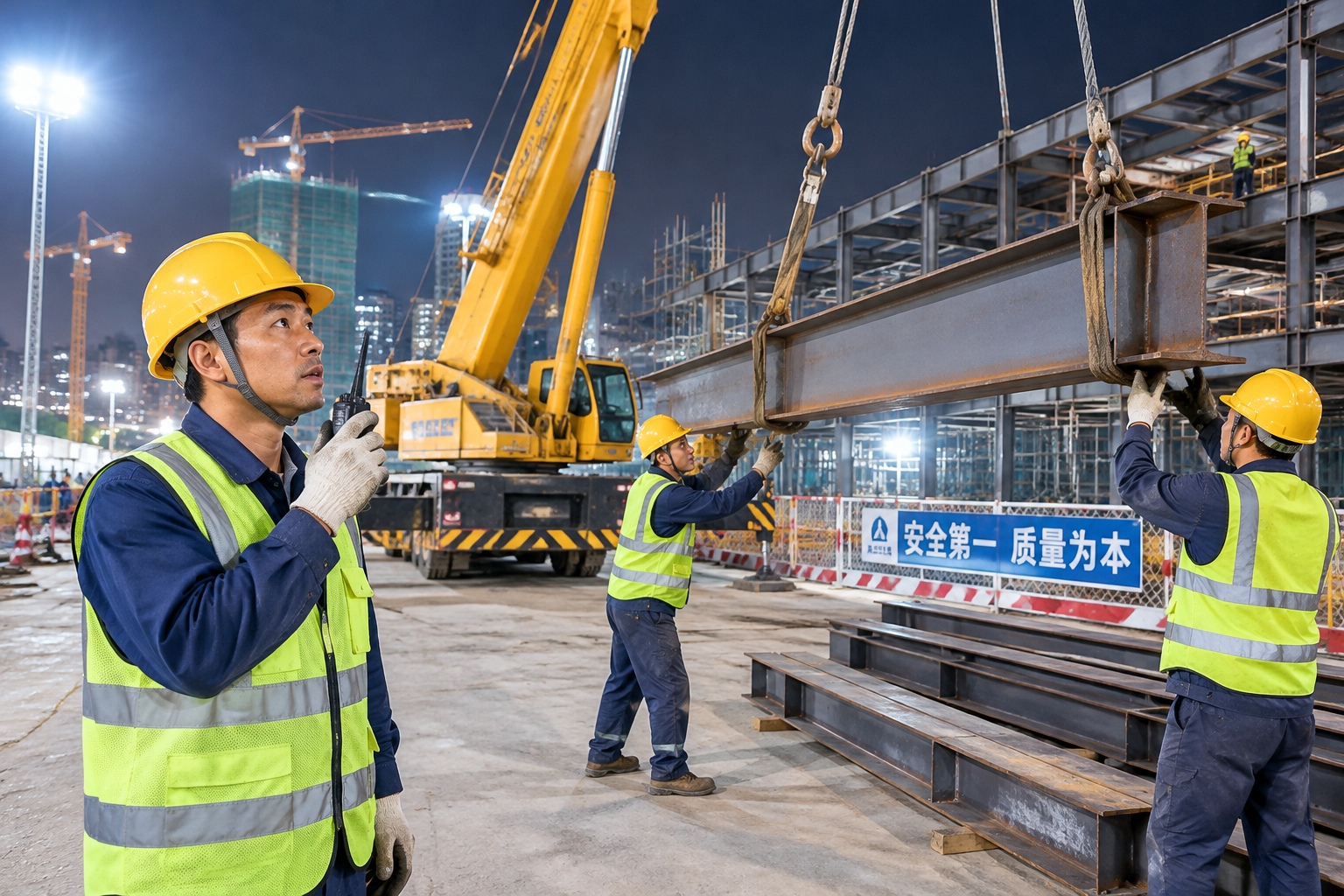
What makes this “China Speed” possible? The answer lies in a unique form of organizational mobilization. When the call went out, it wasn’t just about construction companies competing for contracts. It was a unified command structure where government, military engineers, and private contractors worked as one unit.
In China, when a major crisis hits, resources are redirected instantly. Dozens of state-owned enterprises sent teams overnight from cities hundreds of kilometers away. Heavy machinery arrived before the workers did, often driven by drivers who hadn’t slept in 24 hours. This isn’t about ignoring market rules; it’s about prioritizing national survival over profit margins when the stakes are existential.
The coordination was seamless. While one team dug foundations, another prepped the site for utility connections, and a third began laying out the layout on digital maps simultaneously. In Western systems, these steps often happen sequentially due to bureaucratic silos. Here, they happened in parallel, compressing weeks of work into days.
The Secret Weapon: Modular Industrialization
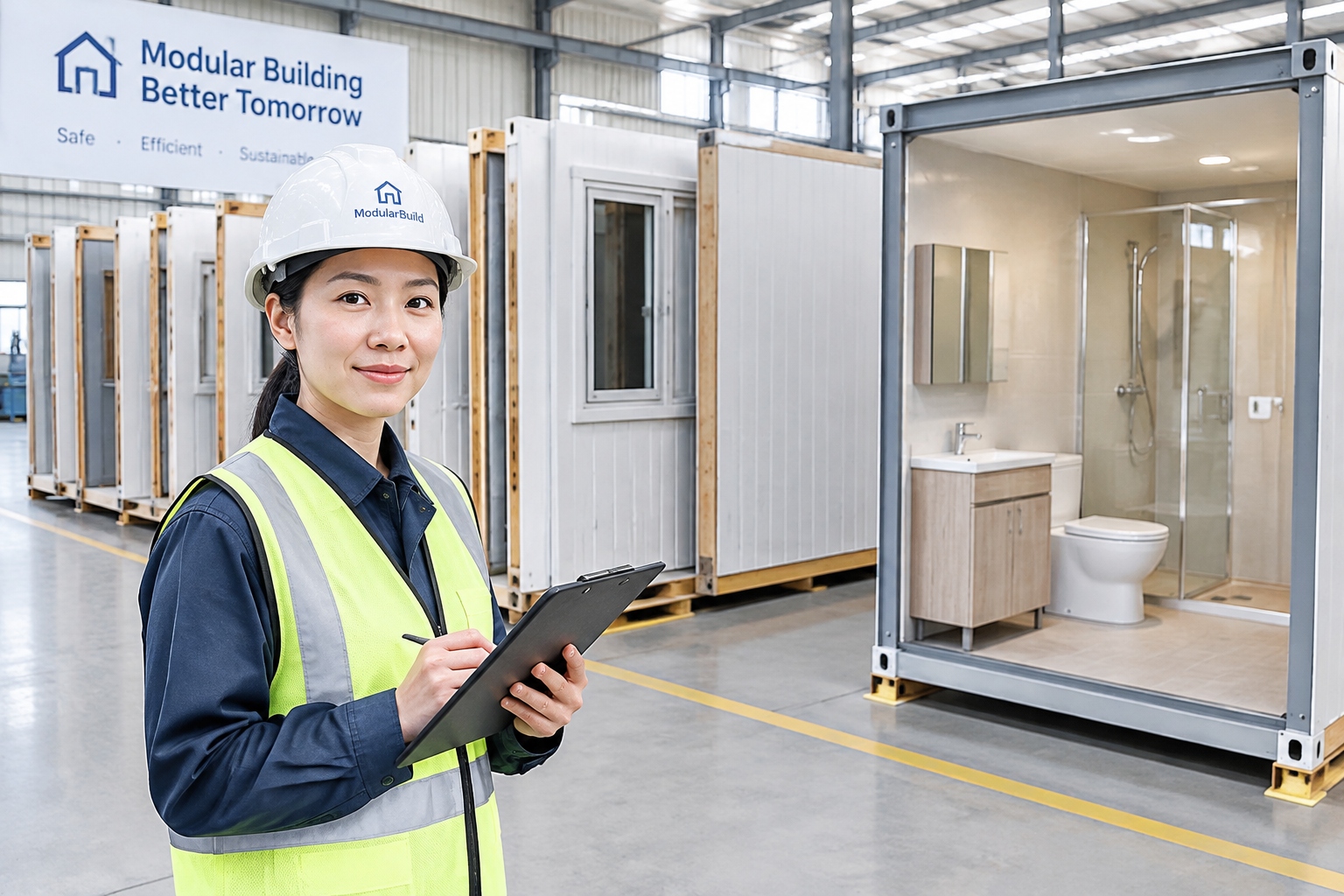
If mobilization was the fuel, modular construction was the engine. The key to building so fast was not pouring concrete on-site for every wall. Instead, 95% of the hospital components were manufactured in factories and shipped to Wuhan.
Picture a giant LEGO set. Walls, bathrooms, HVAC systems (heating, ventilation, and air conditioning), and even electrical wiring were pre-assembled into modules at construction sites across China. These “prefabricated” units were trucked to the hospital site like cargo containers. Workers simply lifted them into place with cranes and bolted them together.
This approach reduced on-site construction time by over 30% compared to traditional methods. It also meant that weather, a common delay factor in outdoor construction, mattered less. The work could happen indoors at the factories while the site was being prepped outdoors. This shift from “building” to “assembling” is a hallmark of China’s modern infrastructure strategy.
Digital Brains: BIM and 5G in Action
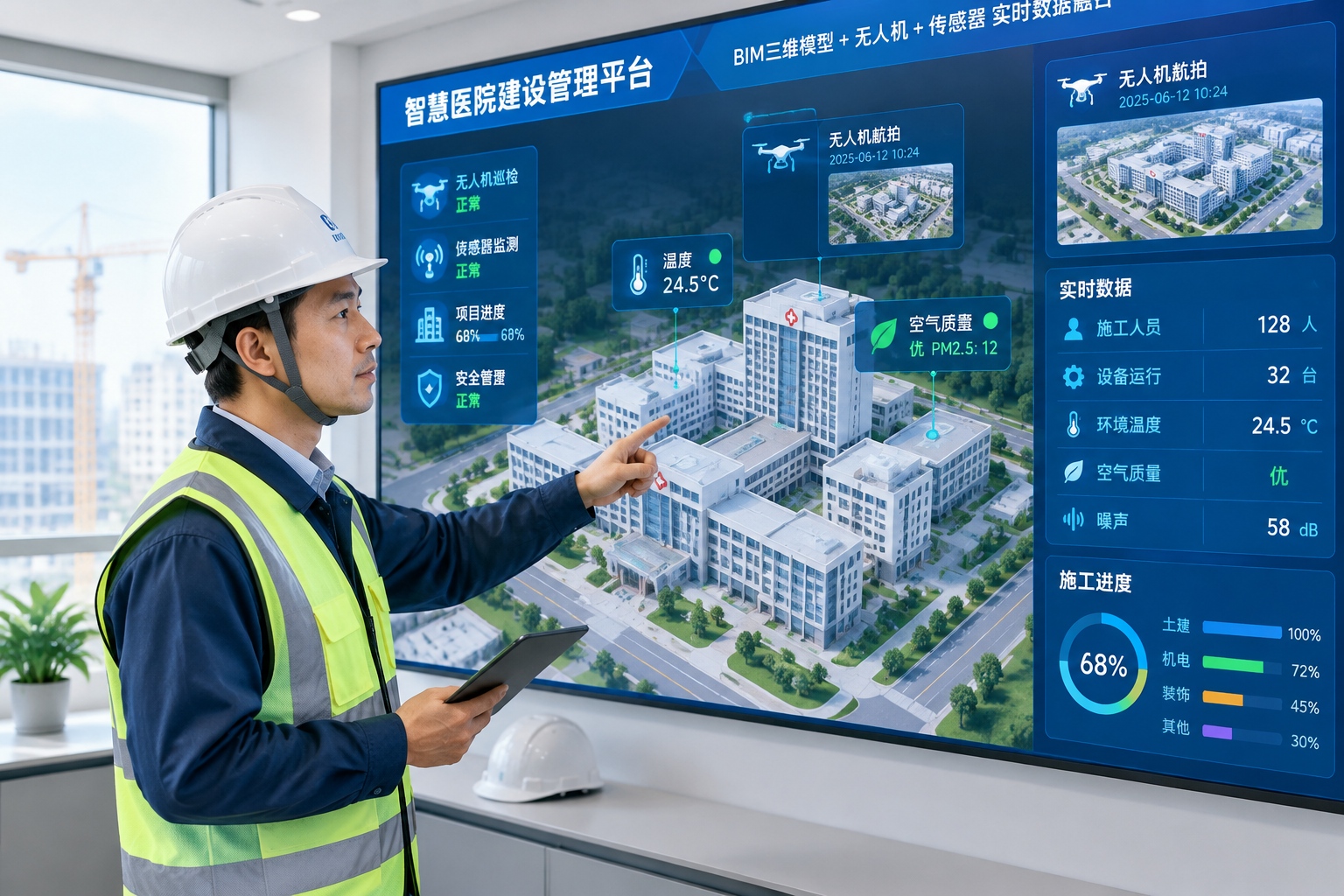
Speed without control leads to chaos. To manage this massive assembly, Chinese engineers deployed advanced digital tools that are still rare in many parts of the world. The project relied heavily on Building Information Modeling (BIM) technology.
BIM created a precise 3D digital twin of the hospital before a single brick was laid. Every pipe, every wire, and every beam had a virtual location. This allowed engineers to detect clashes—like a duct running through a steel beam—days before construction began, preventing costly on-site errors.
Furthermore, 5G networks were set up within hours of the site’s opening. Cameras connected via 5G allowed remote supervisors in Beijing to monitor the construction progress in real-time. Drones surveyed the site daily, and automated systems tracked material delivery. This digital layer ensured that thousands of workers across different shifts could coordinate perfectly without constant physical meetings.
Quality Under Pressure
The biggest question from international observers was always: “At this speed, is safety compromised?” The answer, surprisingly, is no. Because the modules were factory-made, quality control became more rigorous, not less. Factories operate in controlled environments where temperature and humidity are managed, unlike the open construction site.
Strict standards were enforced. Every module underwent testing before shipment. Medical gas lines, which require extreme precision to prevent leaks that could endanger patients, were tested under pressure while still in the factory. The result was a hospital that met international infection control standards despite the frantic timeline.
A Blueprint for Global Resilience
The “China Speed” phenomenon offers more than just a story of engineering prowess. It provides a template for how nations can respond to future pandemics or natural disasters. The combination of centralized coordination, industrialized building methods, and digital management creates a resilience that traditional fragmented systems struggle to match.
While the political and economic models differ globally, the technical lessons are universal. If the world ever faces another crisis where time is life, the ability to pre-fabricate critical infrastructure and deploy it rapidly may be the most valuable asset any nation can possess.
Start the discussion at forum.chinacomes.com