

A Driverless Arrival in the Capital
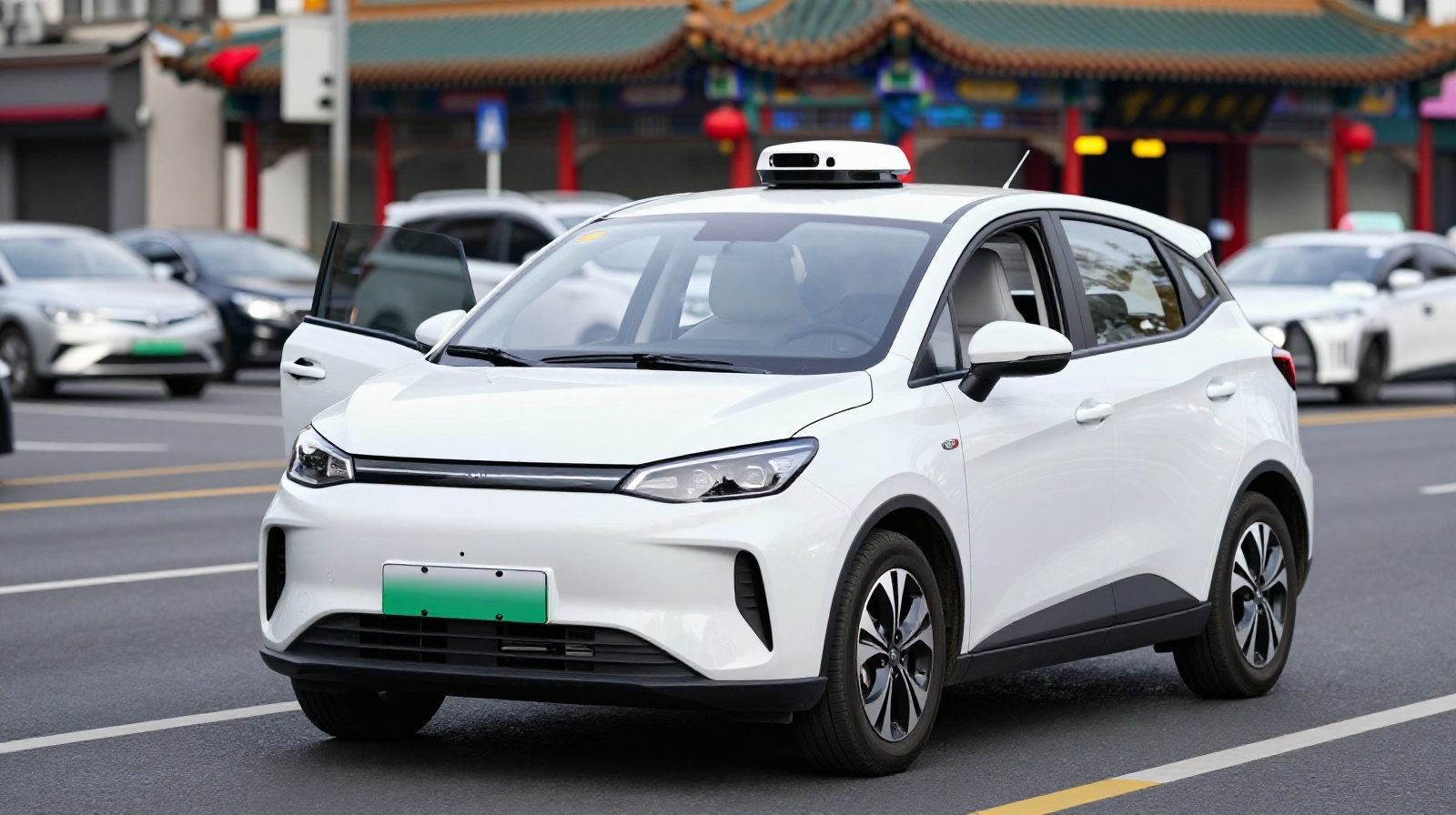
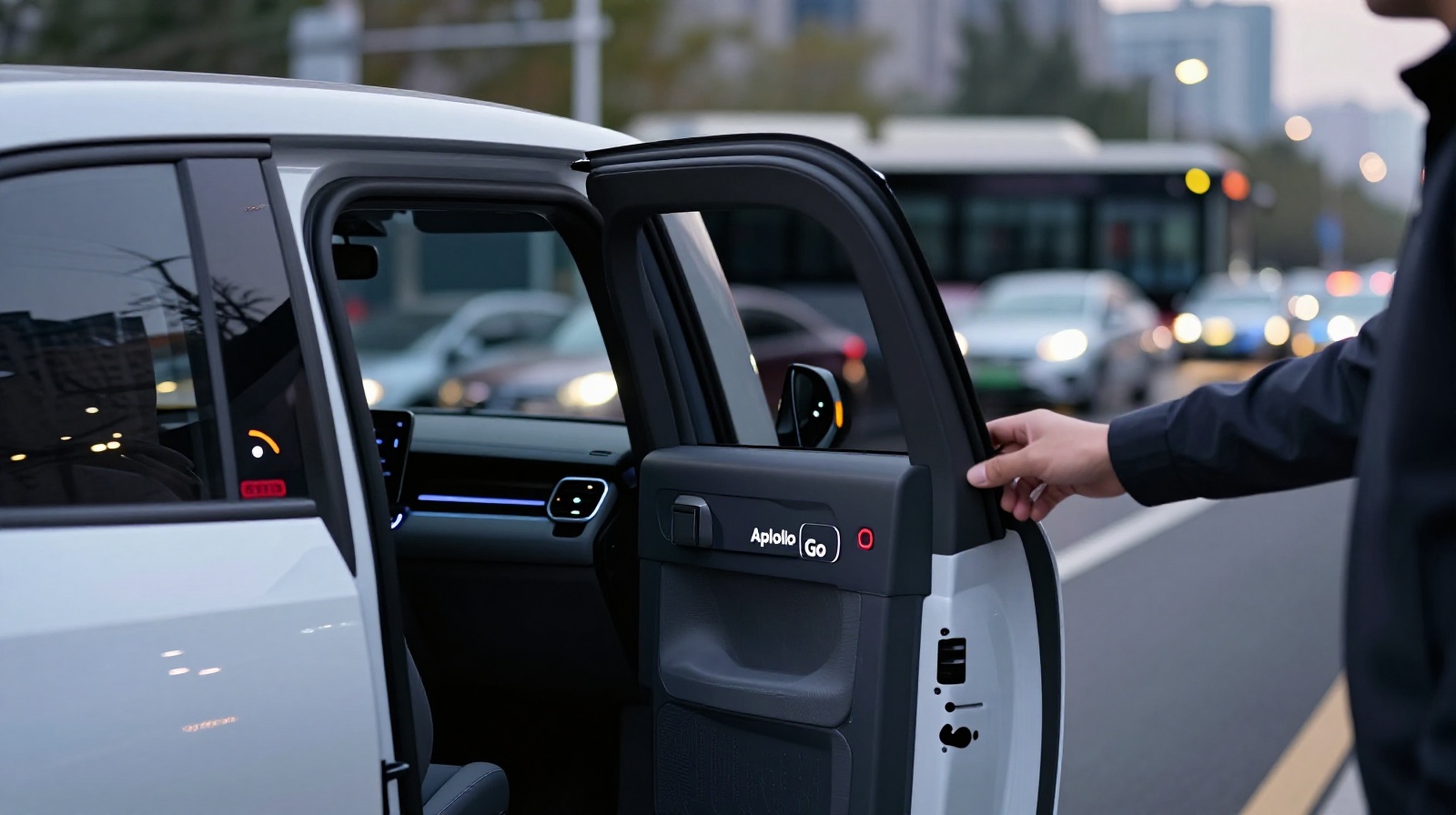
It starts with a notification on your phone. You tap ‘Confirm Ride’ for a service called Apollo Go, and within minutes, a small white van pulls up to the curb. No honking, no waving, no driver leaning out of the window to ask where you’re going. The car simply waits, its door opens automatically as you approach.
When I first saw this in Beijing last month, my instinct was to look for the driver hiding in the back seat or behind a partition. But the front seats were empty. This is the new reality of Beijing autonomous driving: a fully driverless taxi service that has scaled up from a pilot program to a daily commute option for thousands.
The Journey: From Curiosity to Calm
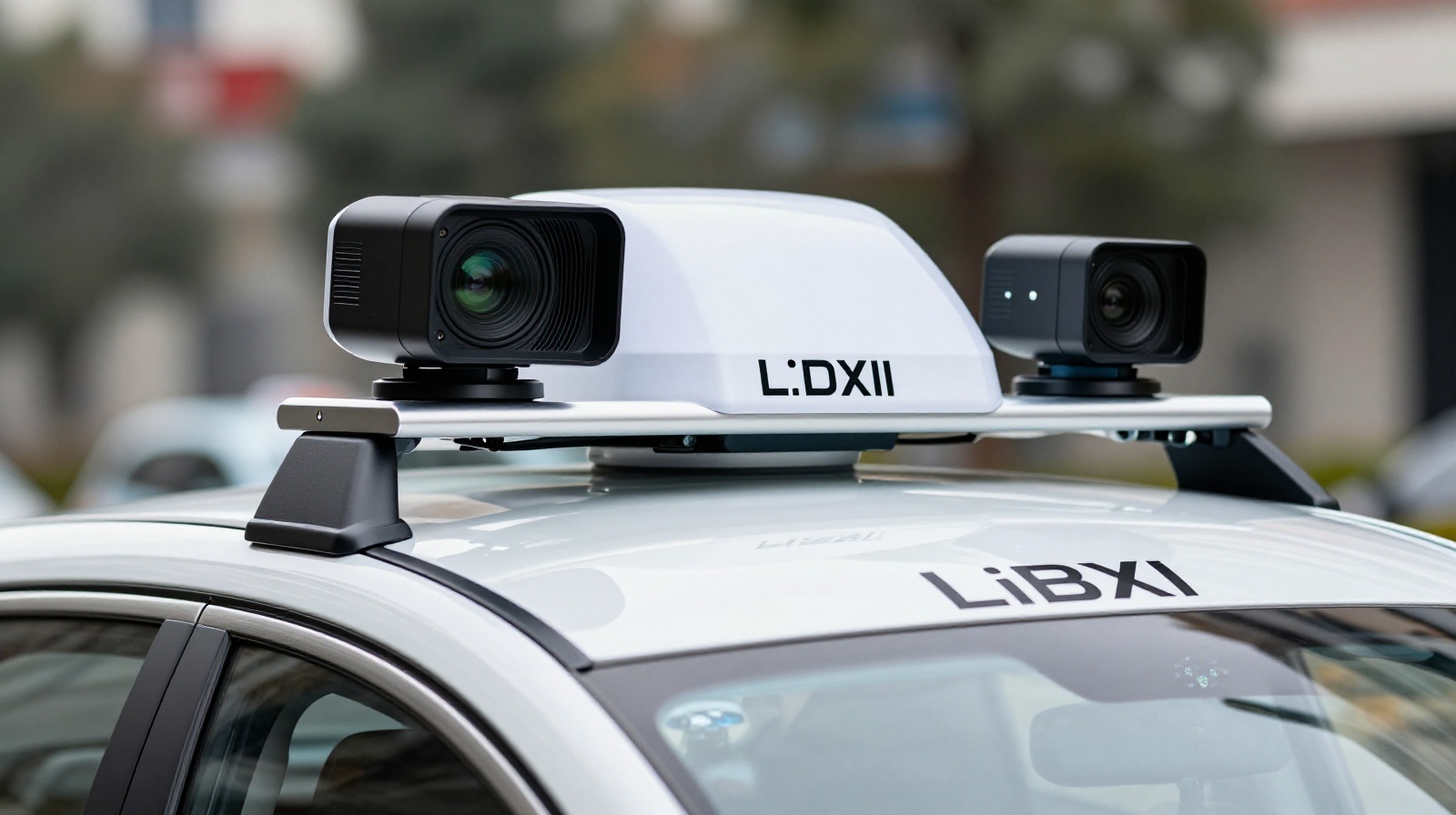
I decided to take the wheel—metaphorically speaking. Booking the ride on my phone cost about 30 RMB ($4.20), roughly half the price of a traditional taxi for the same route. The car, labeled ‘Apollo Go,’ is a compact electric minivan equipped with a sensor array on its roof.
As we pulled away from the curb, I felt a familiar jolt of anxiety common to first-time passengers. What if it stopped in the middle of traffic? What if it couldn’t handle a sudden lane change? The car navigated through Beijing’s chaotic streets, merging with buses and dodging cyclists with a precision that felt almost robotic—yet smooth.
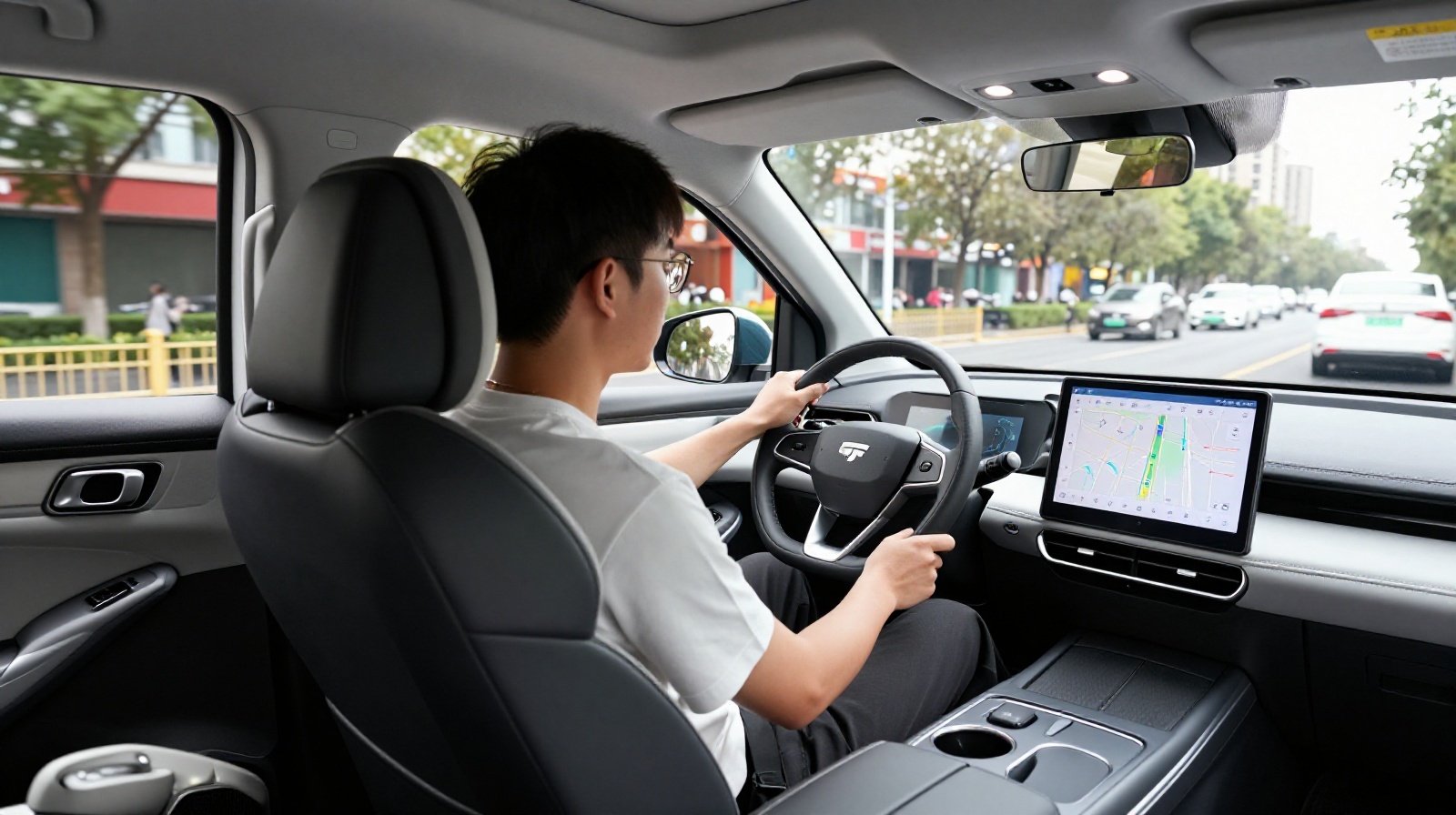
The interior was surprisingly quiet. There was no radio chatter, no polite conversation from a driver trying to kill time. Just the hum of the electric motor and the soft voice of the AI assistant guiding me: ‘We are approaching your destination.’ I watched the road through the windshield, realizing that in this city of 21 million people, technology is quietly rewriting the rules of movement.
How Does It Work? The Tech Under the Hood
The magic lies in a combination of high-definition LiDAR cameras and deep learning algorithms. Unlike early self-driving attempts that relied solely on cameras, these vehicles map their surroundings in 3D, detecting pedestrians, bicycles, and even construction barriers with centimeter-level accuracy.
Behind the scenes, a remote operations center monitors hundreds of cars simultaneously. If a situation arises that the AI can’t solve—like a confusing traffic pattern or a broken signal light—a human operator remotely takes control to guide the car through the obstacle. This ‘human-in-the-loop’ safety net is why these services are expanding so rapidly across Beijing’s Haidian and Chaoyang districts.
Passenger Reactions: More Than Just a Gimmick
I wasn’t the only one curious. In my car, there was an elderly woman heading to a hospital appointment. She stared at the empty driver’s seat with wide eyes but smiled when she realized the ride was smooth and safe. ‘It feels like I’m in a movie,’ she told me.
Other passengers seemed less surprised. For many young Beijing residents, this is just the next step after decades of rapid digitalization. They are used to paying for everything with their phones, ordering food via apps, and having groceries delivered in minutes. A driverless car fits perfectly into this ecosystem of convenience.
The Future of Mobility: Cost, Jobs, and City Life
So, what does the disappearance of the human driver mean for Beijing? On one hand, it promises significantly lower transportation costs. Without the need to pay a salary, insurance, and benefits for drivers, Robotaxis can eventually offer rides cheaper than public buses in some scenarios.
On the other hand, this shift raises questions about employment. Thousands of taxi drivers rely on their licenses for income. The transition is not without friction; local authorities are carefully balancing technological innovation with social stability, ensuring that displaced workers have pathways to new roles in monitoring or vehicle maintenance.
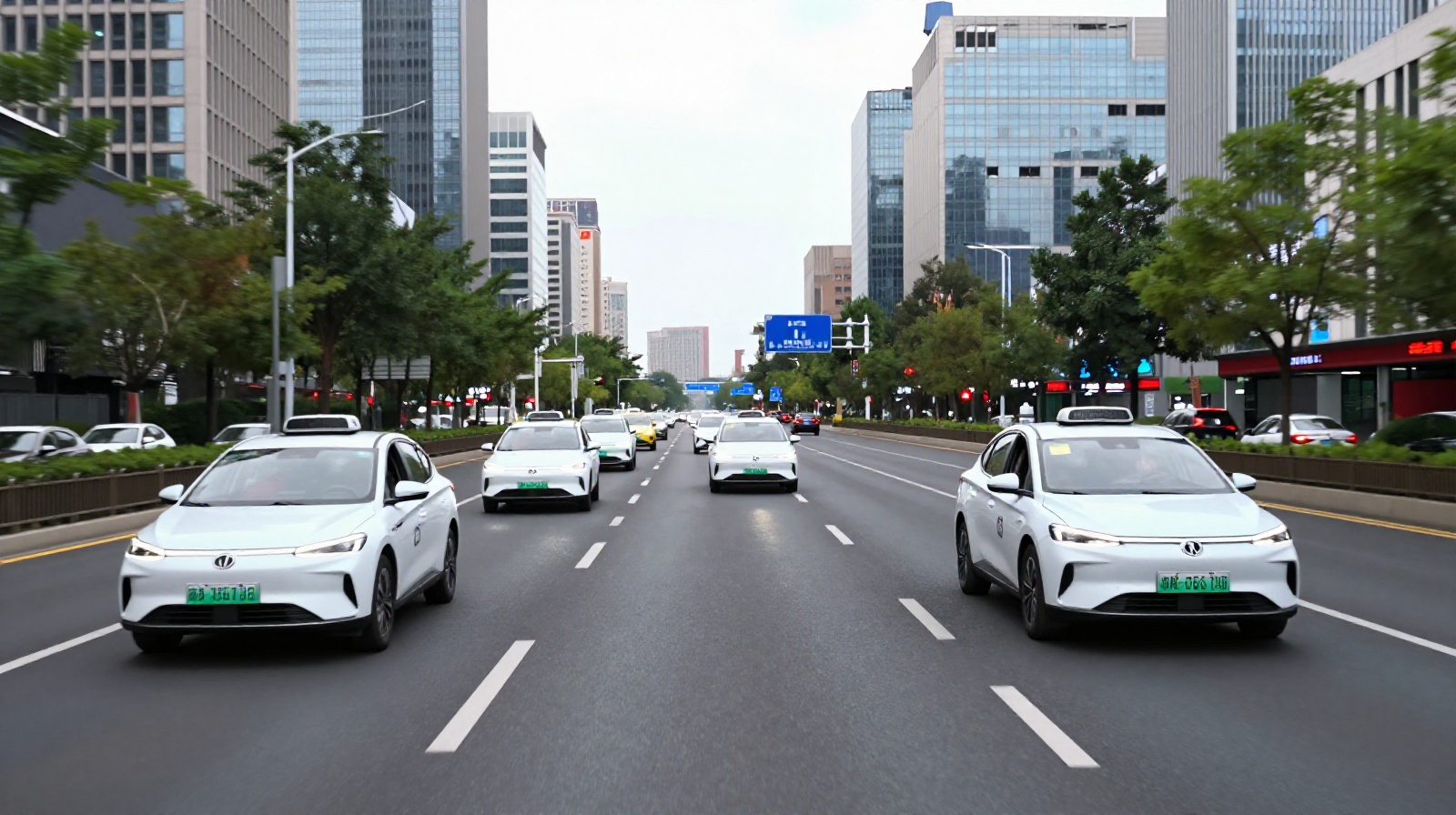
Yet, the momentum is undeniable. As more Robotaxis hit the streets, Beijing is evolving into a testing ground for the future of urban mobility. Whether you are a tech enthusiast or just someone trying to get home safely after work, the driverless taxi is no longer a distant dream—it’s waiting right outside your door.