
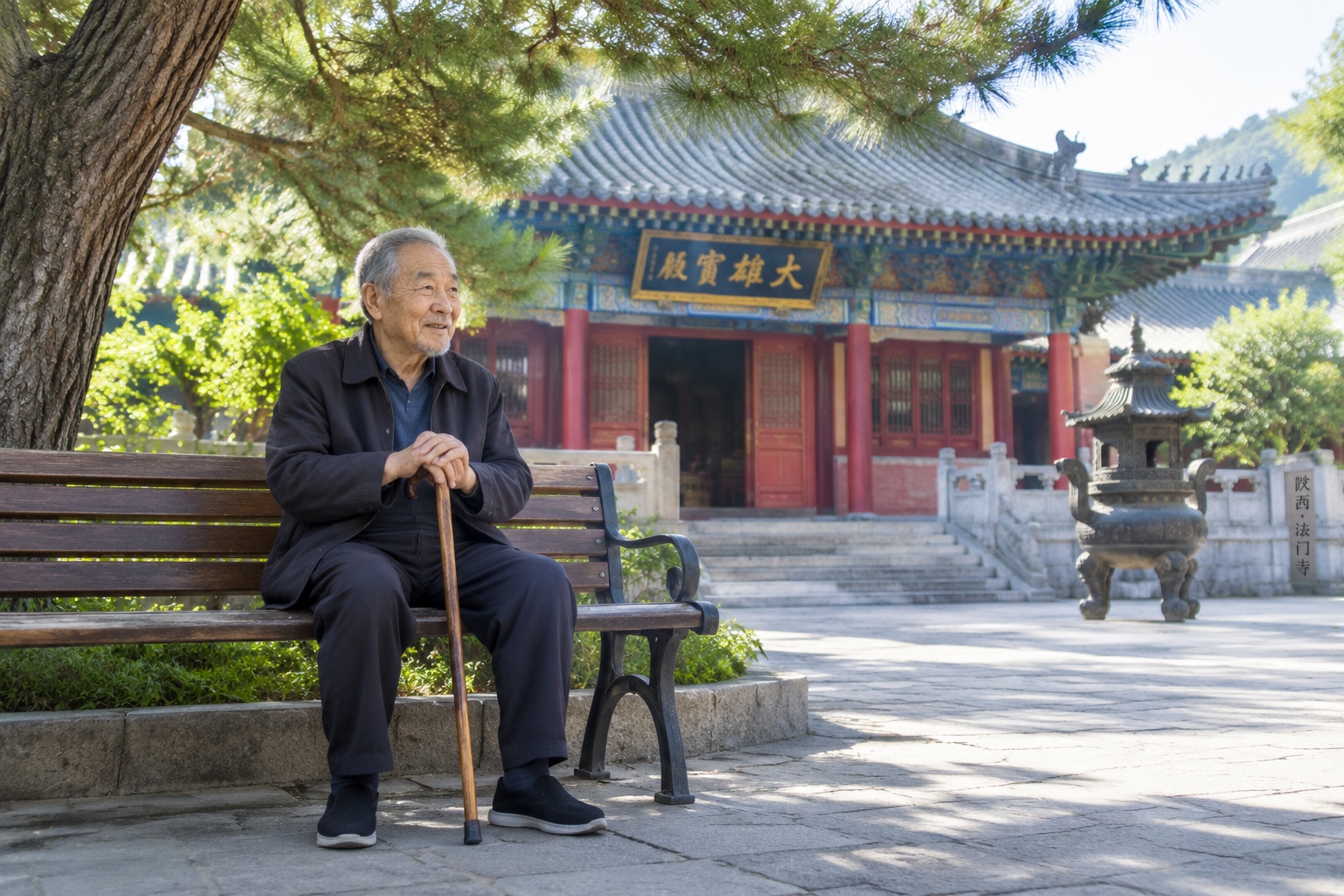

Not Just Ruins, But Living Spaces
You might expect ancient architecture in China to be a distant, dusty museum exhibit. In Shaanxi Province, however, the past is surprisingly close.
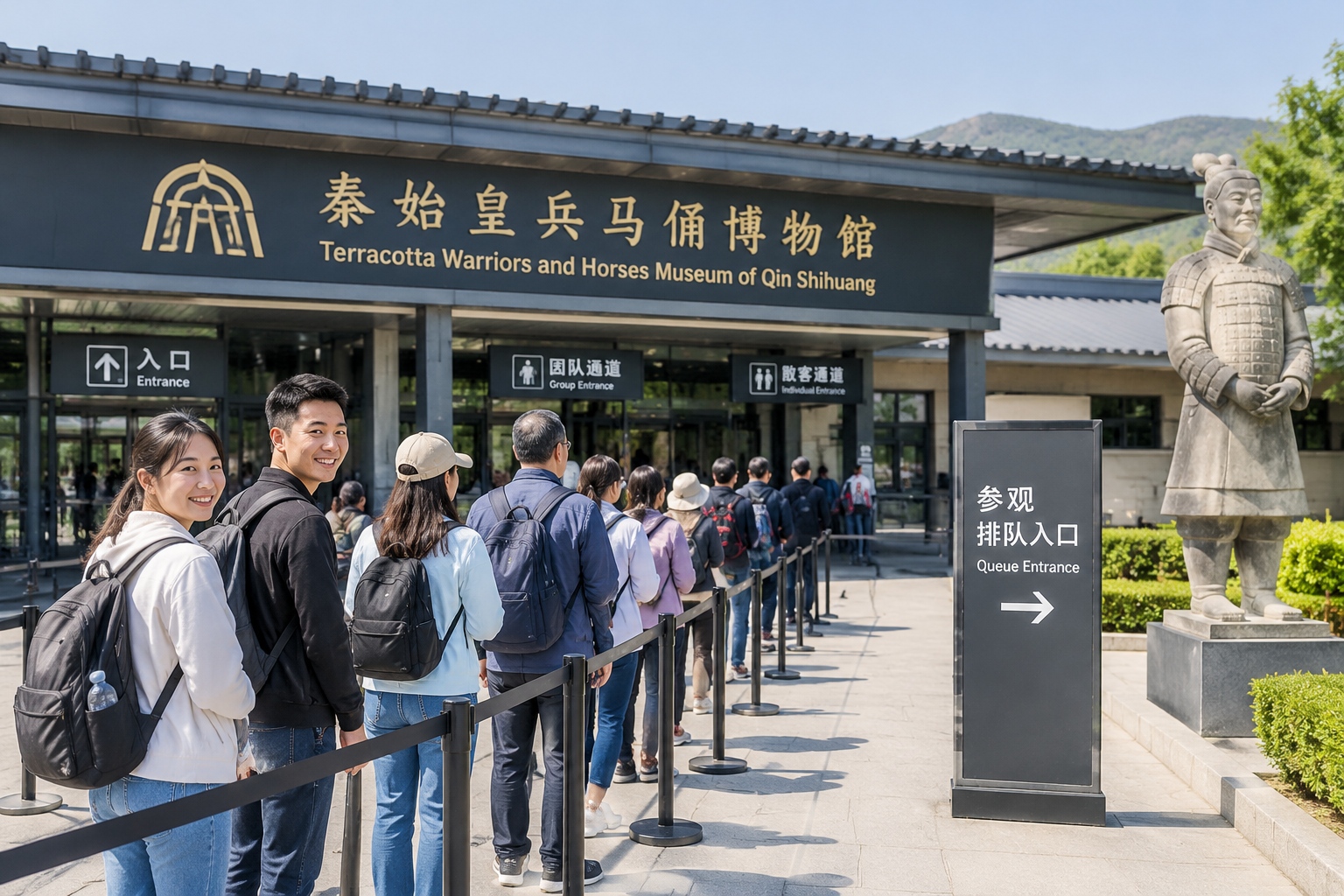
Stand at the entrance of the Terracotta Warriors in Xi’an on a Tuesday morning. The line of tourists snakes around the corner, but just fifty meters to your right, an elderly local man sits on a plastic stool under a plane tree, peeling a tangerine while watching the rain hit the ancient tiles of a nearby temple. There is no barrier between the “spectacle” and his daily life.
Shaanxi isn’t just about grand imperial tombs or the famous Terracotta Army. It’s a place where the architecture tells a story that ordinary people still read every day. The buildings here, from the ancient city walls of Xi’an to the small courtyards in rural villages, are not frozen in time. They are part of the rhythm of modern life.
The Logic of the Chinese Courtyard
When you walk through the narrow alleys (hutongs) or traditional siheyuan compounds in older parts of Shaanxi, you’ll notice something distinct: the focus is inward.
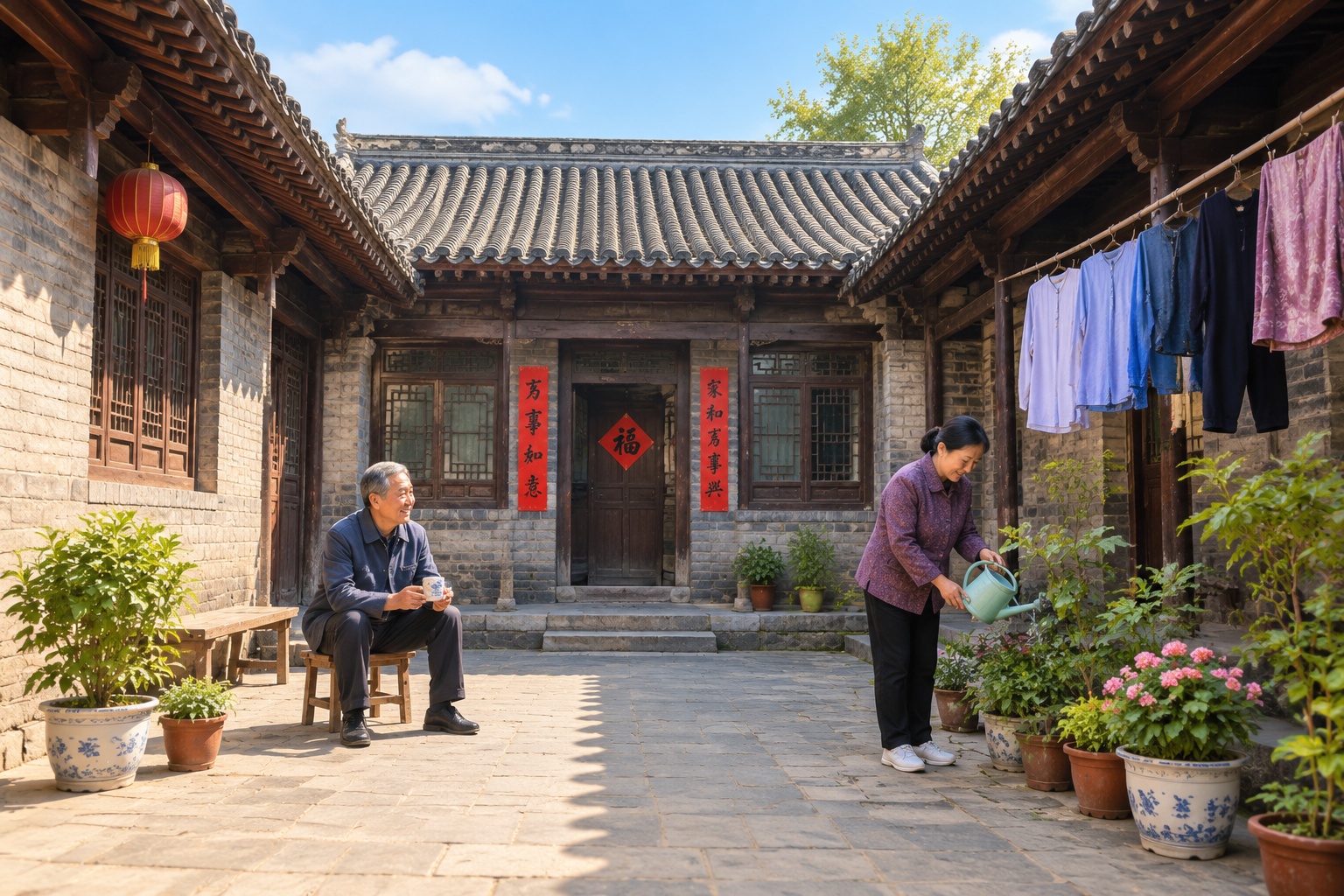
Unlike Western architecture that often emphasizes grand facades facing the street, ancient homes in Shaanxi turn their backs to the noise. The beauty lies inside. You step from a bustling alley into a quiet courtyard where a family grows potted orchids or hangs laundry under the eaves.
This design isn’t just about privacy; it’s a response to the climate and culture. In winter, the high walls block the harsh northern wind. In summer, the deep overhangs provide shade. It is an architecture of survival that has evolved into an aesthetic of tranquility. You don’t need a guidebook to understand this; you feel it when you sit in one of these courtyards and hear the silence.
Materials That Speak
If you look closely at the structures, you’ll see the materials tell a story of the land itself.
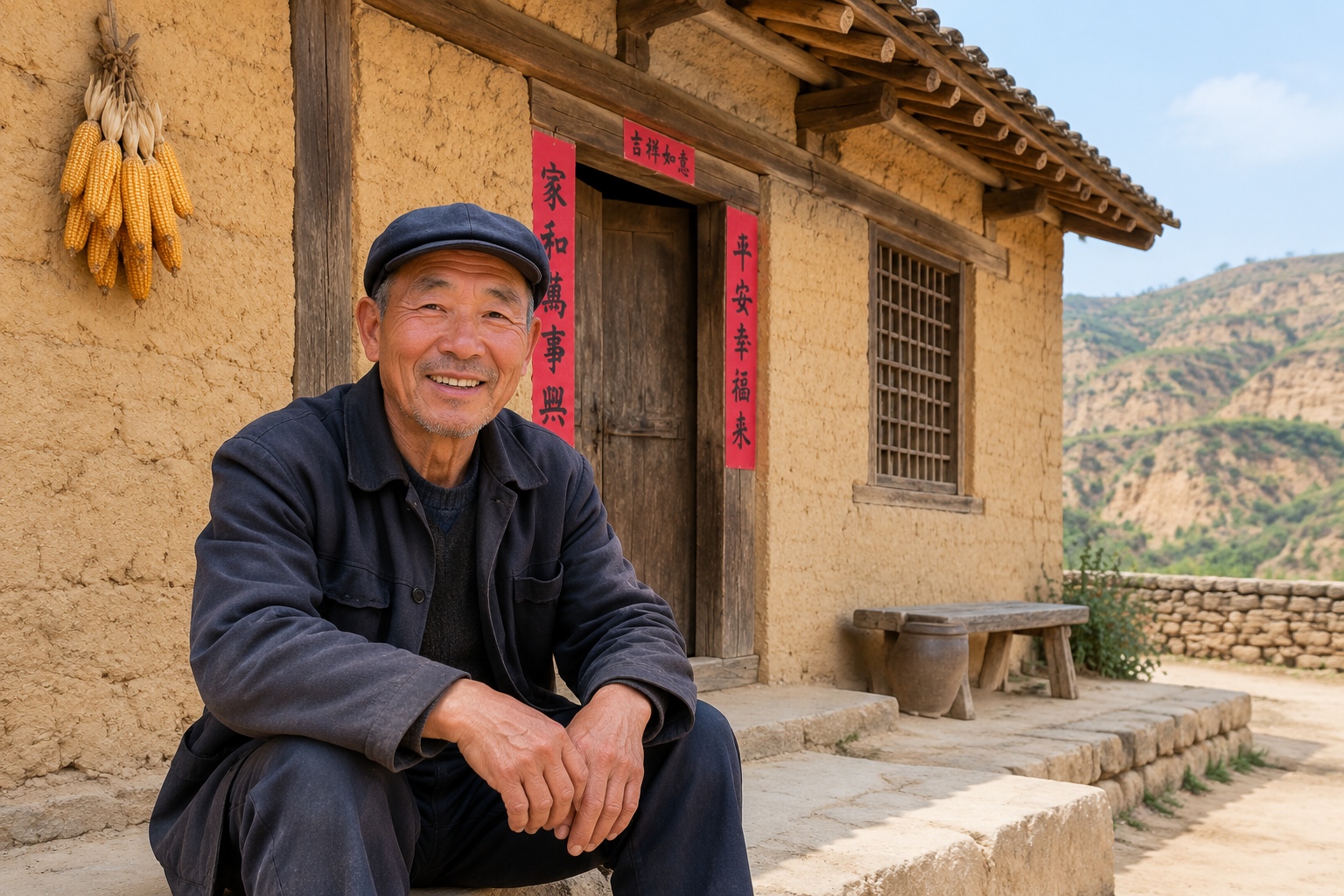
In rural Shaanxi, much of the architecture relies on local loess (yellow earth). The soil is compressed to form thick walls that regulate temperature naturally. In the ancient city of Xi’an, red bricks and grey tiles dominate, their colors muted by centuries of dust and rain.
This use of local materials creates a visual harmony with the surrounding landscape. When you see a temple perched on a hillside or a bridge crossing a river, it looks like it grew there rather than being built there. This is a key aesthetic principle: “harmony between heaven and humanity.” It’s why these sites still feel so grounded and real to visitors today.
Where Modern Life Meets Ancient Stone
The most surprising part of visiting Shaanxi isn’t seeing the old buildings; it’s seeing how they are used now.
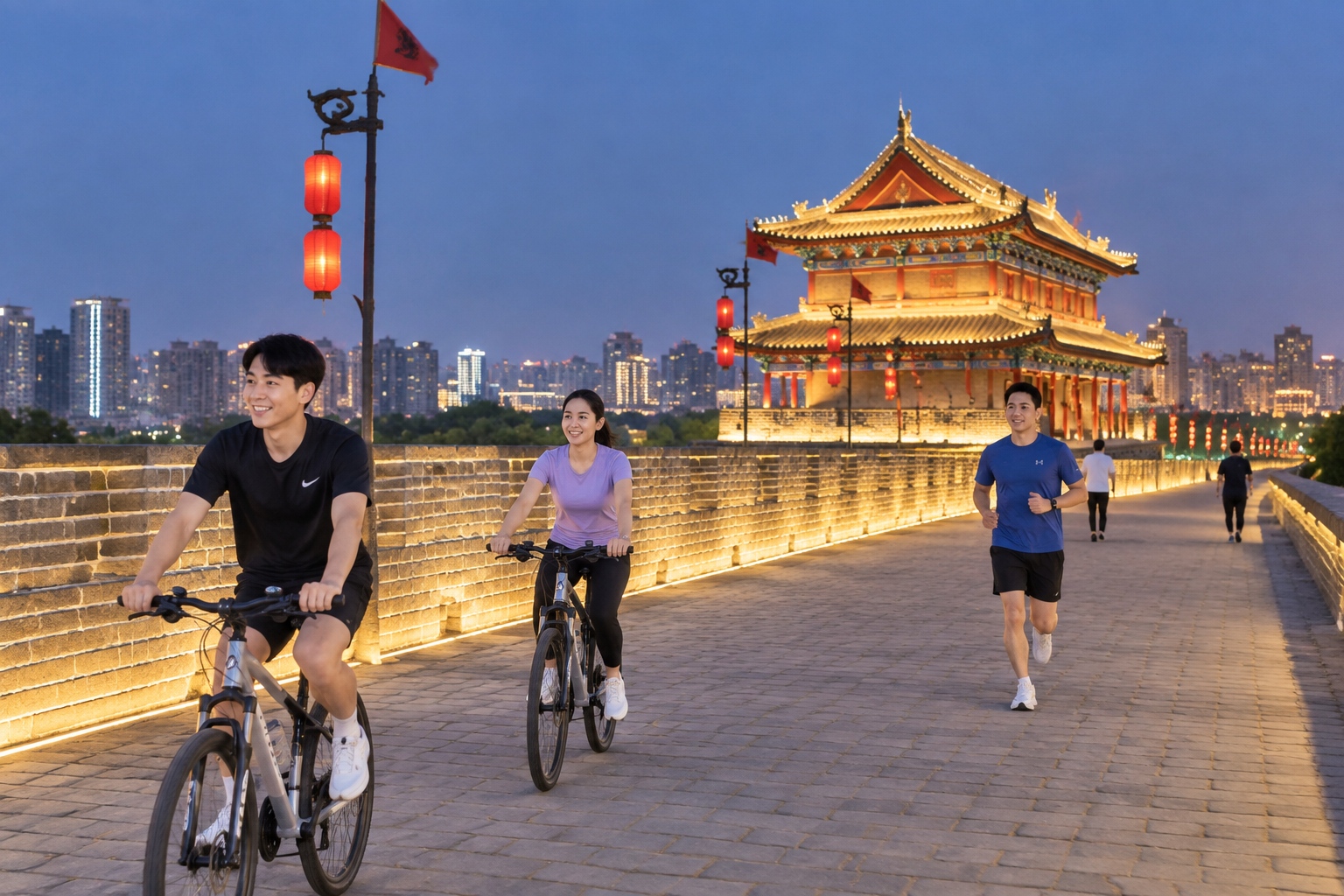
In Xi’an, the massive Tang Dynasty city walls are no longer just defensive fortifications. They have become a park for joggers and a cycling path where you can see locals riding electric bikes while tourists take photos. At night, the ancient gates are illuminated by LED lights that highlight their texture without washing out their history.
Furthermore, many old temples in Shaanxi now host community events. You might find a group of retirees practicing tai chi in the temple courtyard, or a young couple getting wedding photos taken against a backdrop of carved wooden beams. The architecture isn’t a stage for the past; it’s a living room for the present.
Why It Matters
Understanding Shaanxi’s architectural aesthetics helps us see China differently. It shows that preservation isn’t about creating a sterile museum zone. It’s about integrating history into the flow of daily life.
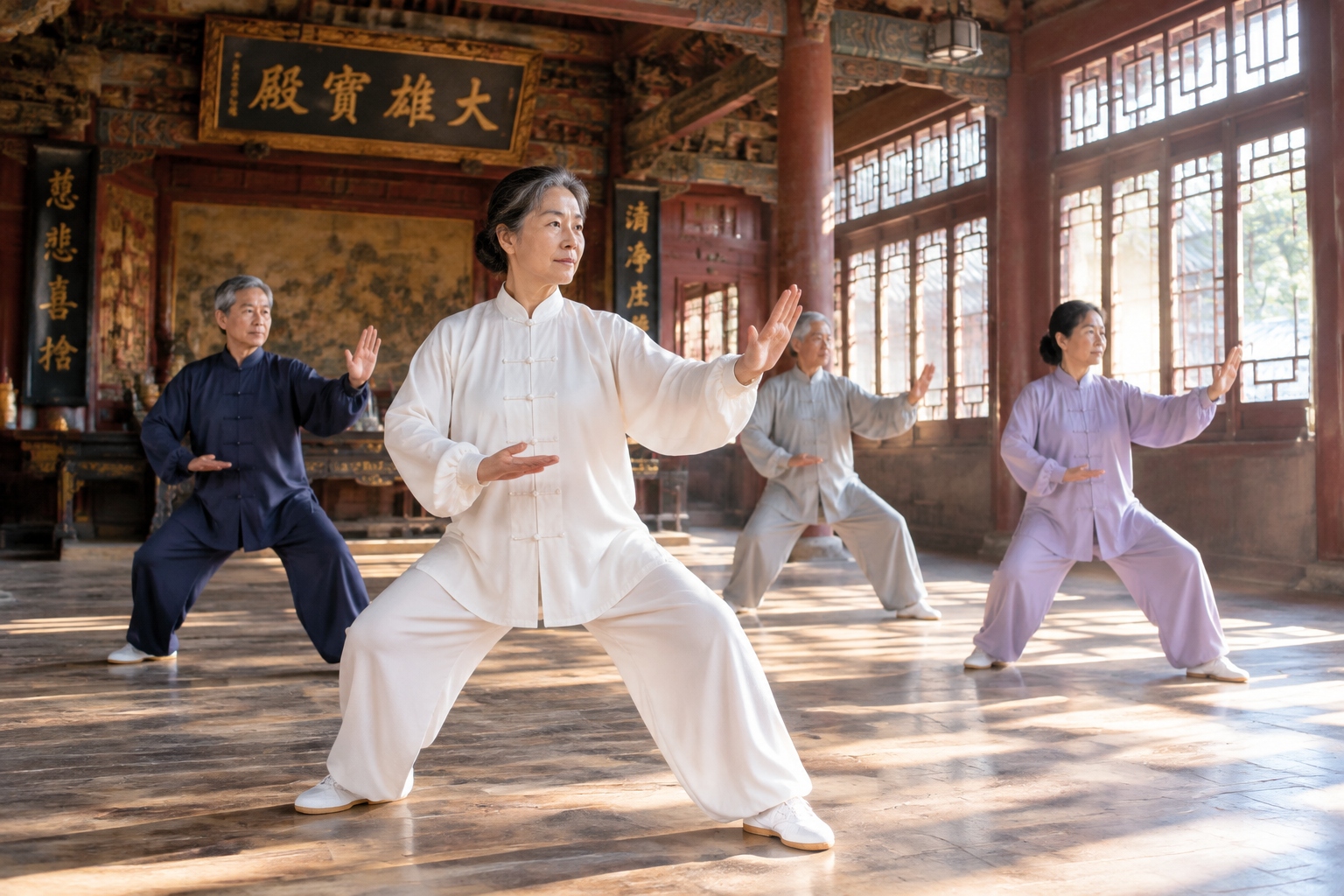
When you walk through these sites, you aren’t just looking at stones and wood. You are witnessing a continuous dialogue between the past and present. The beauty of Shaanxi lies in its ability to hold time without letting it stop. It is a place where the traces of history are not hidden away but are worn smooth by the hands of millions of people living, working, and loving there today.
Start the discussion at forum.chinacomes.com