

The Invisible Engine of Speed
When you step onto a high-speed train in Shanghai and reach Beijing in four hours, the speed is obvious. But what makes that possible isn’t just powerful engines or smooth tracks; it’s a complex web of national technologies working behind the scenes. For years, the world focused on China’s “speed” as a measure of construction pace. Today, that speed is powered by a different kind of breakthrough: deep-tech innovations in artificial intelligence, quantum security, and advanced manufacturing.
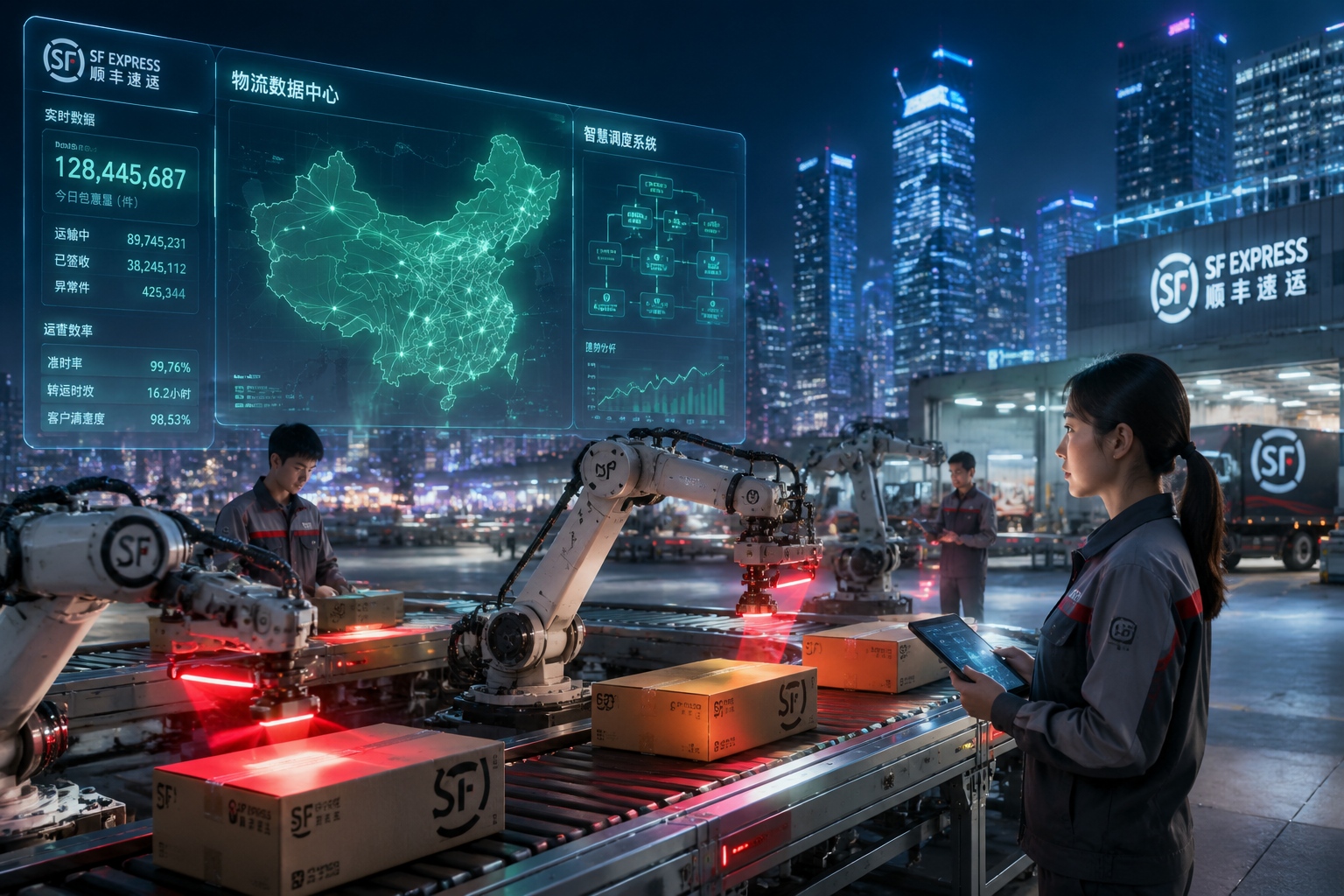
Consider Li Wei, a logistics manager in Chengdu. He doesn’t see the satellites or the AI algorithms when his package arrives at his door in 24 hours. But without the “Super Brain” of national data networks optimizing routes instantly, that speed would be impossible. This is the reality of China’s new engine: technology that works so efficiently it becomes invisible.
AI and Big Data: The Super Brain Driving Efficiency
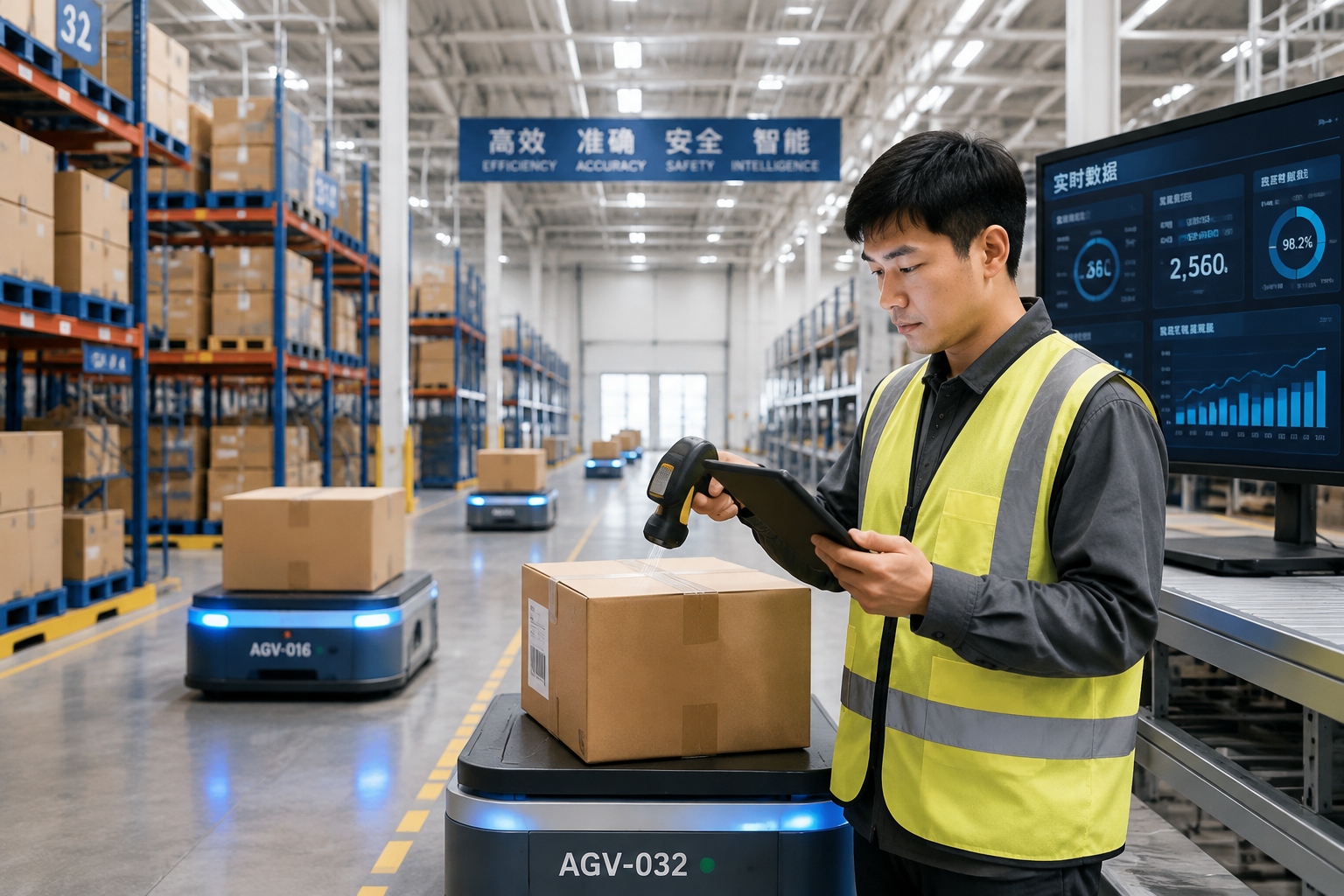
The narrative around Chinese AI often focuses on facial recognition or social media algorithms. However, the real game-changer is happening in industrial decision-making. China has built a massive “data infrastructure” that allows cities and factories to operate with unprecedented precision.
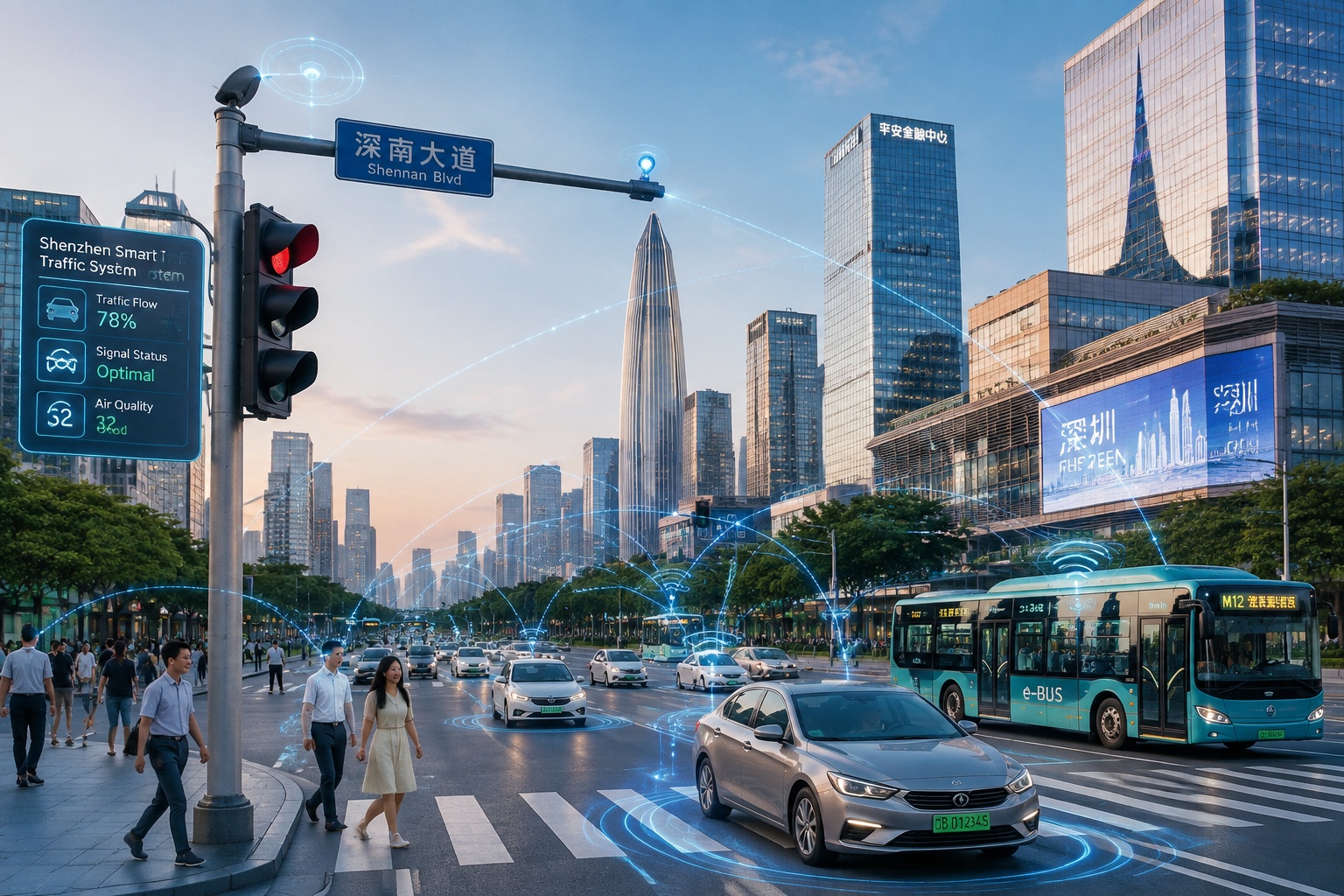
In Shenzhen, for example, traffic lights no longer run on fixed timers. They use real-time data from millions of sensors to adjust flow dynamically. This system, part of the city’s smart transportation network, reduces congestion by up to 20%. It’s not magic; it’s applied mathematics at a national scale.
Similarly, in agriculture across the north, drones equipped with AI vision monitor crop health and deploy fertilizers only where needed. This “precision farming” isn’t just about saving money; it’s about food security for 1.4 billion people. The technology has moved from research labs to rural fields, proving that high-tech can serve basic human needs.
Quantum Networks: Building an Invisible Wall
Security is often discussed in terms of cyberattacks, but the physical layer of defense is equally critical. China is currently building what experts call a “quantum secure network.” Unlike traditional encryption, which relies on mathematical problems that supercomputers might one day solve, quantum communication uses the laws of physics.
If someone tries to intercept data sent via these quantum channels, the act of observation changes the data, alerting both sender and receiver immediately. This technology is already being deployed in critical sectors like banking, power grids, and government communications.
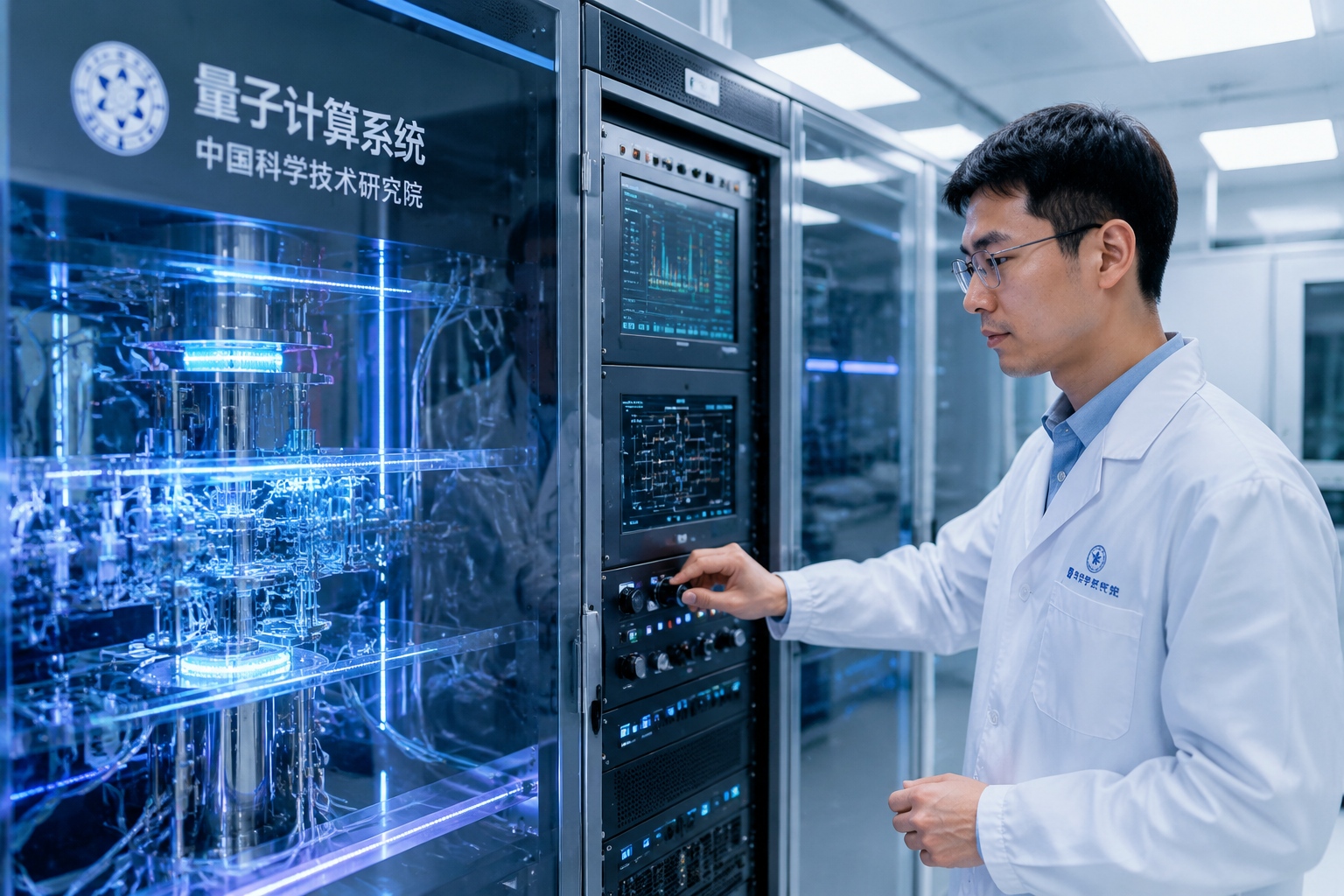
While you might not see a “quantum tower” on every street corner, the backbone of your digital life increasingly relies on this invisible protection. It represents a strategic shift: moving from reactive security to proactive, physics-based defense. This is the “invisible Great Wall” protecting the nation’s digital sovereignty.
Advanced Manufacturing: The Bones and Muscles
You can feel the impact of China’s manufacturing breakthroughs in the products you buy daily. But the story goes deeper into the materials themselves. The era of cheap, low-quality exports is ending, replaced by high-tech components that power the global green transition.
Take the lithium-ion battery supply chain. China now controls a significant portion of the world’s processing capacity for critical minerals like lithium and cobalt. This isn’t just about volume; it’s about refining techniques that make batteries safer, longer-lasting, and cheaper to produce. These advancements are what allow electric vehicles to be affordable in rural areas, not just luxury cars in cities.
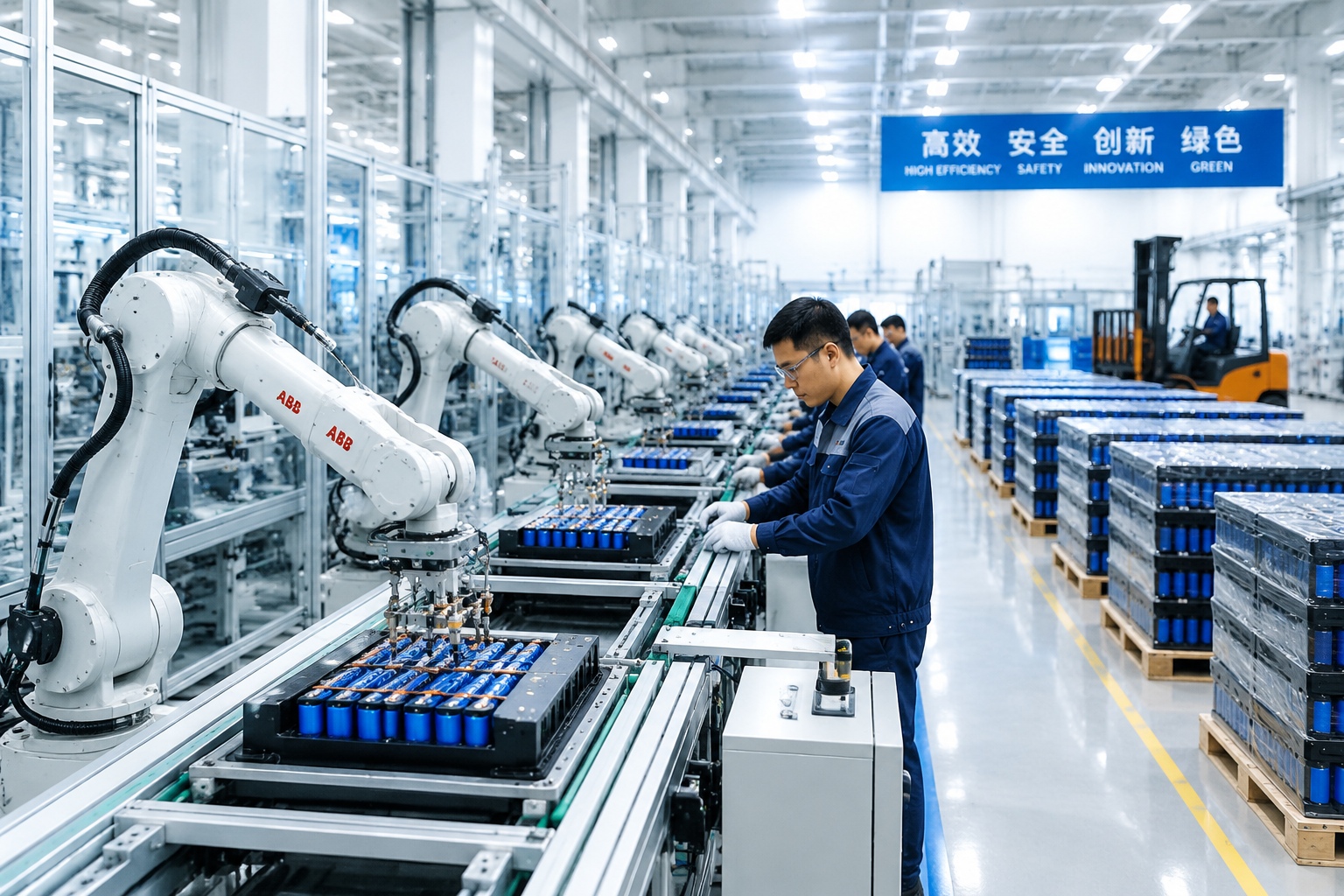
In aerospace and shipbuilding, new composite materials—lighter than steel but stronger—are being developed domestically. This reduces fuel consumption for cargo ships and increases the range of drones used for delivery. These are the “bones and muscles” of the economy: heavy, durable, and essential infrastructure that supports everything else.
From Lab to Life: The Real Impact
The true measure of these breakthroughs isn’t patent counts or lab papers; it’s how they integrate into daily life. In Chinese cities, public services are increasingly automated. Elderly care centers use AI assistants to monitor health vitals remotely. Hospitals utilize big data to predict disease outbreaks before they spread.
This democratization of technology is key. It’s not just for the wealthy or the tech elite; it’s becoming a standard layer of public service. When you pay for subway rides with your phone, when you order food via an app that predicts delivery times, and when your neighborhood has clean air thanks to smart monitoring, you are interacting with these national systems.
Conclusion: A New Phase of Productivity
The “China Speed” story is evolving. It’s no longer just about building things fast; it’s about building them intelligently. The new quality productive forces—driven by AI, quantum tech, and advanced materials—are creating a foundation for sustainable growth.
For the world, this means understanding that China’s future isn’t just about competition in markets, but about the scale at which these technologies can be deployed to solve complex human problems. The engine is running quietly now, but its output is changing the global landscape of innovation and development.
Start the discussion at forum.chinacomes.com