

Walking Among Dust and History
The air in Xi’an’s Bell Tower station hits you first—cool, recycled, smelling faintly of roasted peanuts from a nearby vendor. Step outside into the blinding afternoon sun, and the contrast is immediate: modern skyscrapers glinting against ancient city walls that have stood for 600 years. This is where the Silk Road truly began, not just as a trade route, but as a conveyor belt for ideas, religions, and technologies.
For travelers expecting only “mystical” or “ancient,” Shaanxi offers something more grounded. These aren’t stage sets; they are places where history is still being excavated, preserved, and lived in. Here are ten sites that define the region’s soul.
1. The Terracotta Warriors: More Than a Mass Grave
Most people arrive with their cameras ready for a quick selfie. But the real story begins when you step into Pit 1. The scale is overwhelming—not just the number of figures, but the individuality. Look at the left hand of a soldier; he’s gripping a crossbow trigger differently than his neighbor. Some have distinct facial hair patterns; others look like they were modeled after specific generals.
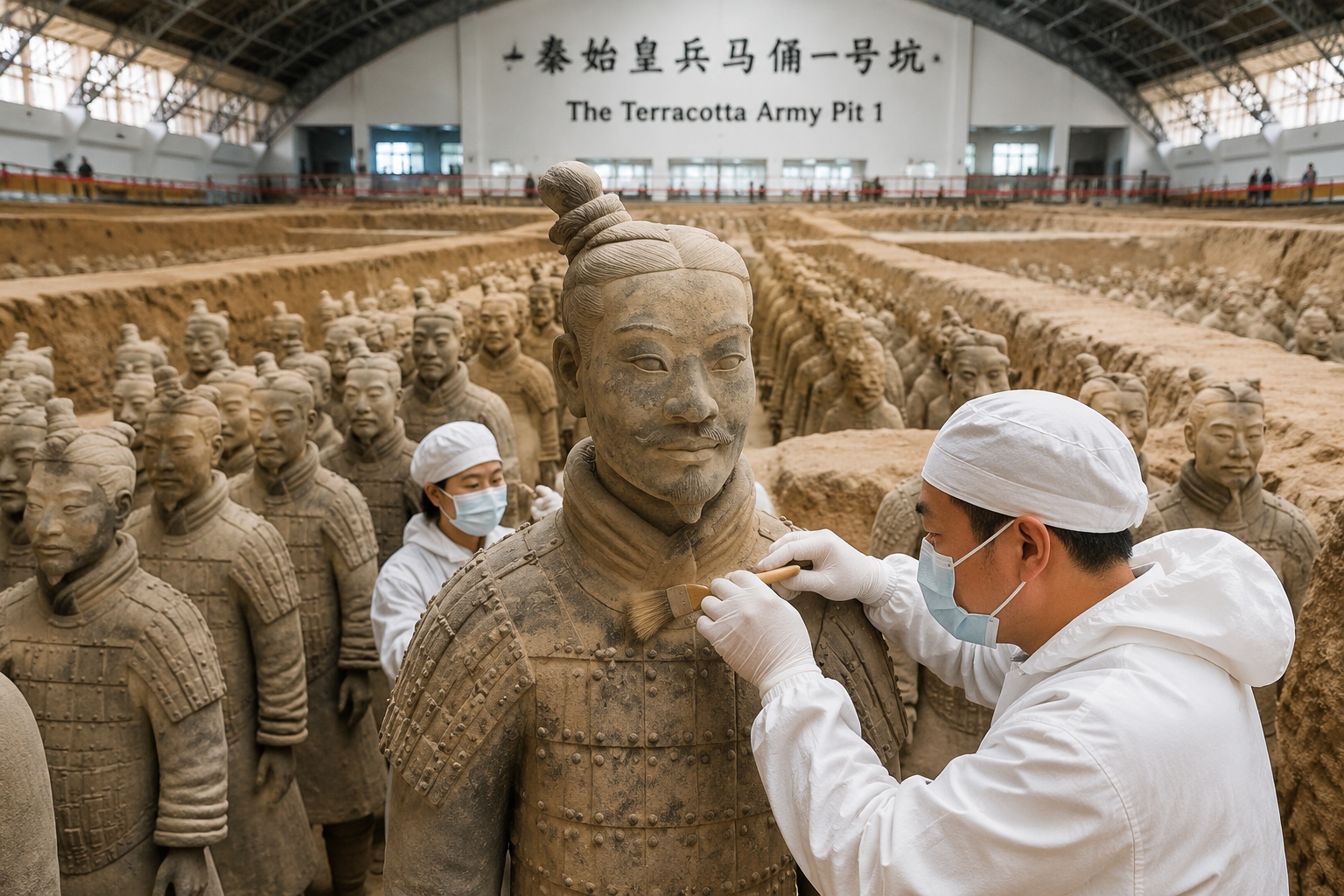
The site isn’t a museum in the traditional sense; it’s an active archaeological dig. You can see the scaffolding, the protective sheds over unfinished pits, and the workers carefully brushing away millennia of dust. It feels less like a tourist attraction and more like walking into a laboratory where history is being made.
2. Hua Shan: The Mountain That Tests Your Resolve
Ten minutes from Xi’an by high-speed rail, you arrive at the foot of Hua Shan. The air here is thinner, sharper. Unlike the gentle slopes of other Chinese mountains, this granite massif rises vertically, its peaks like jagged teeth against the sky.
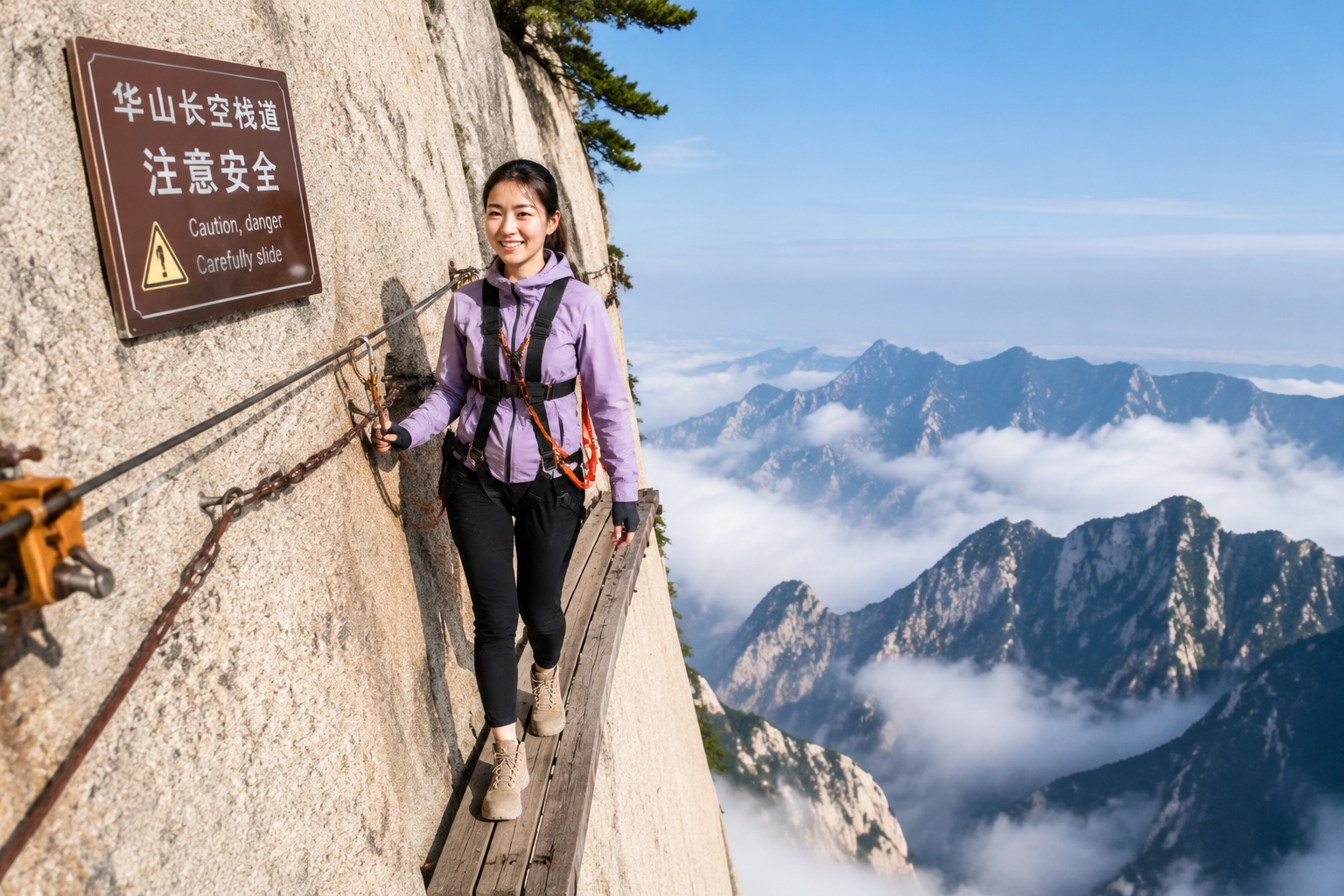
The famous Plank Walk isn’t for the faint-hearted. You strap yourself into a harness, step onto a narrow wooden plank nailed to the cliff face, and look down three thousand feet. But beyond the adrenaline, it’s about the perspective. Standing on the South Peak at sunrise, watching the clouds part below you, you realize why emperors came here to communicate with heaven. It’s not just a hike; it’s a spiritual test.
3. The Big Wild Goose Pagoda: Where Buddhism Meets Modern Life
In the heart of Xi’an, a 600-year-old pagoda stands surrounded by a bustling shopping mall and a fountain show that plays music every evening. This is Xuanzang’s temple, built to house sutras brought back from India.
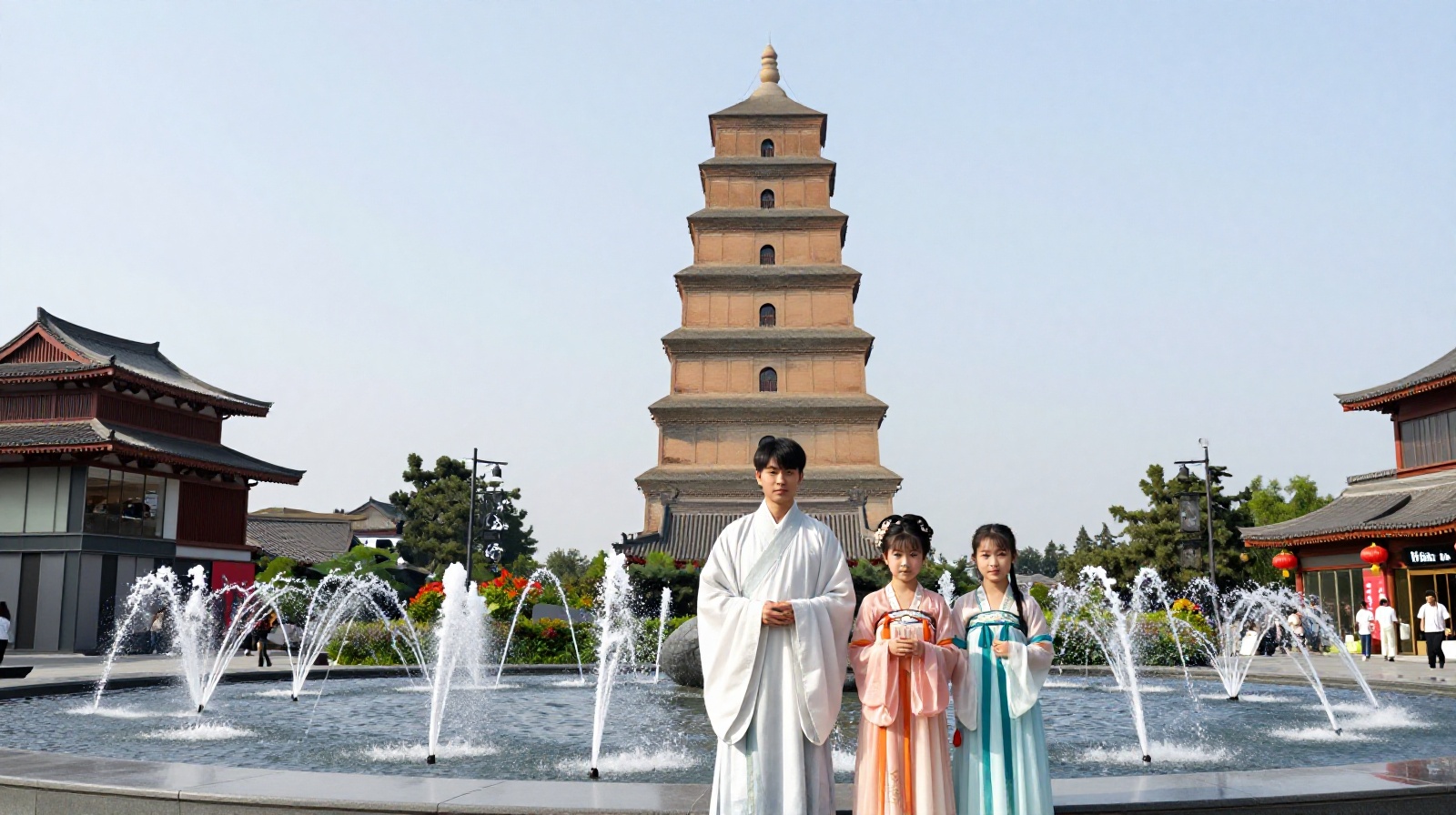
What makes this site unique is the blend of eras. Tourists take photos on ancient stone steps while young people stream live videos nearby, selling local snacks or showing off their traditional Hanfu clothing. The pagoda isn’t frozen in time; it’s a backdrop for modern Chinese life.
4. Shaanxi History Museum: A Walk Through Dynasties
Before you visit the sites, go here to understand the context. The museum is packed daily, with lines snaking around corners. Inside, the lighting is dim, creating a solemn atmosphere for artifacts like the gold-plated silver ewer or the bronze chariot wheels.
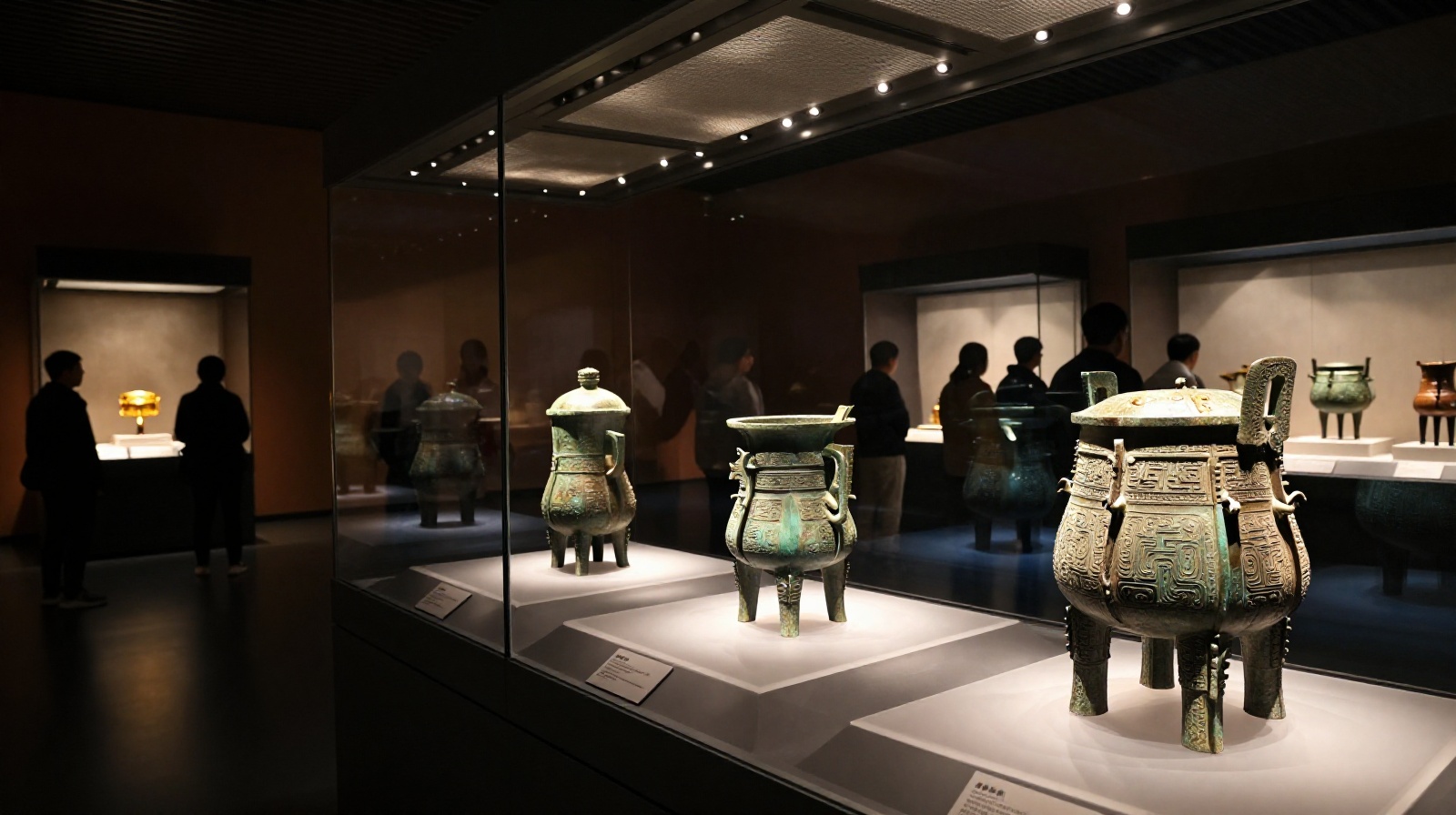
The exhibits aren’t just labels; they tell stories of war, diplomacy, and art. You see the evolution of writing from oracle bones to calligraphy, the shift in fashion, and the intricate details of daily life 2,000 years ago.
5. The Mausoleum of Qin Shi Huang: Beyond the Warriors
The Terracotta Army gets all the headlines, but the actual tomb of China’s first emperor remains unexcavated. Visitors can only see the outer court and the massive pit complexes nearby.
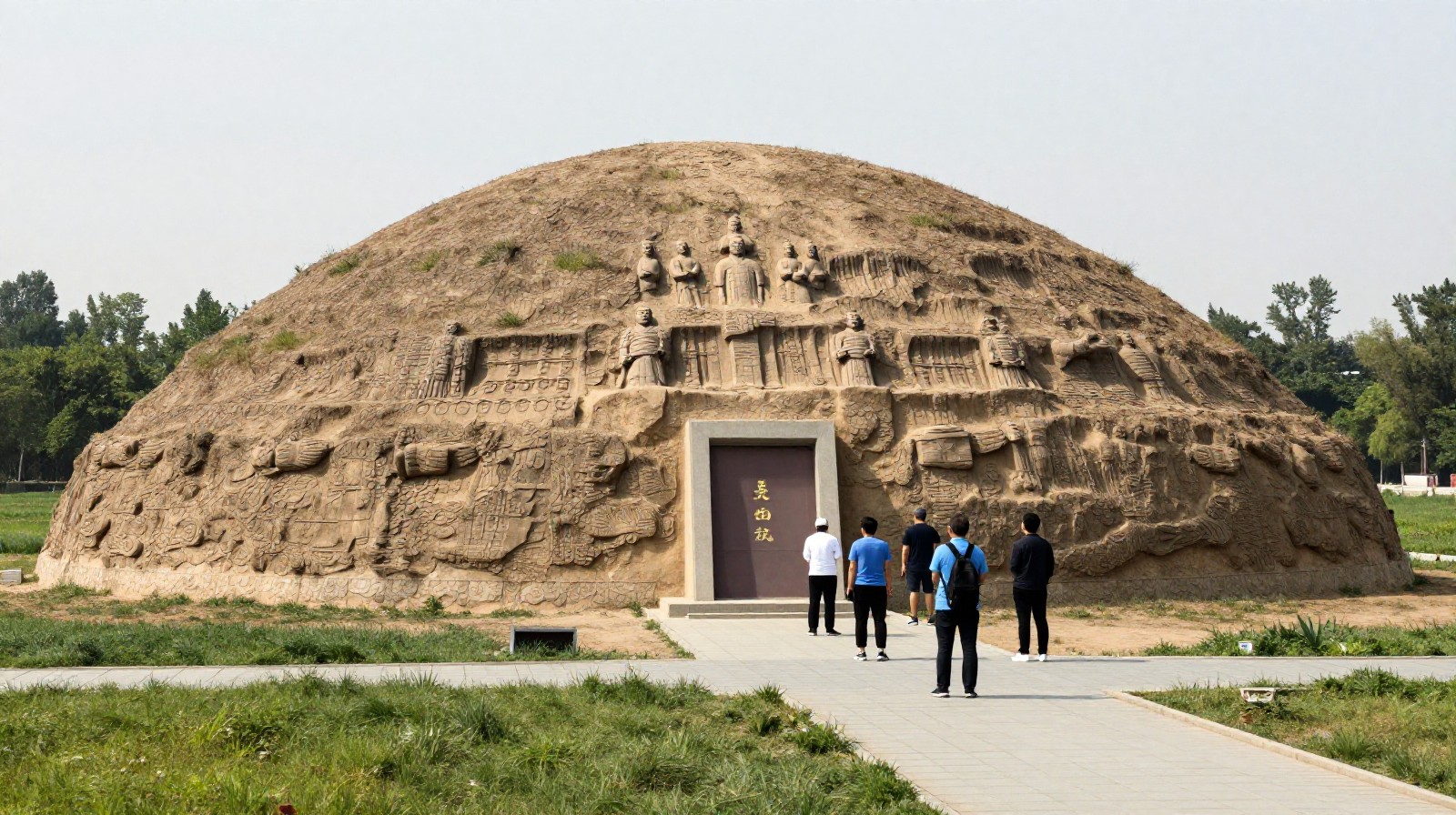
What’s striking is the sheer scale of the construction projects. The Qin dynasty built roads that connected the empire, standardized weights and measures, and unified the script. Standing near the mound, you can almost feel the weight of a nation being forged in a single generation.
6. Famen Temple: Unlocking Buddhist Relics
Furthest from Xi’an but worth the journey, Famen Temple houses a sacred finger bone believed to be one of Buddha’s relics. The temple complex is a mix of ancient ruins and modern reconstruction.
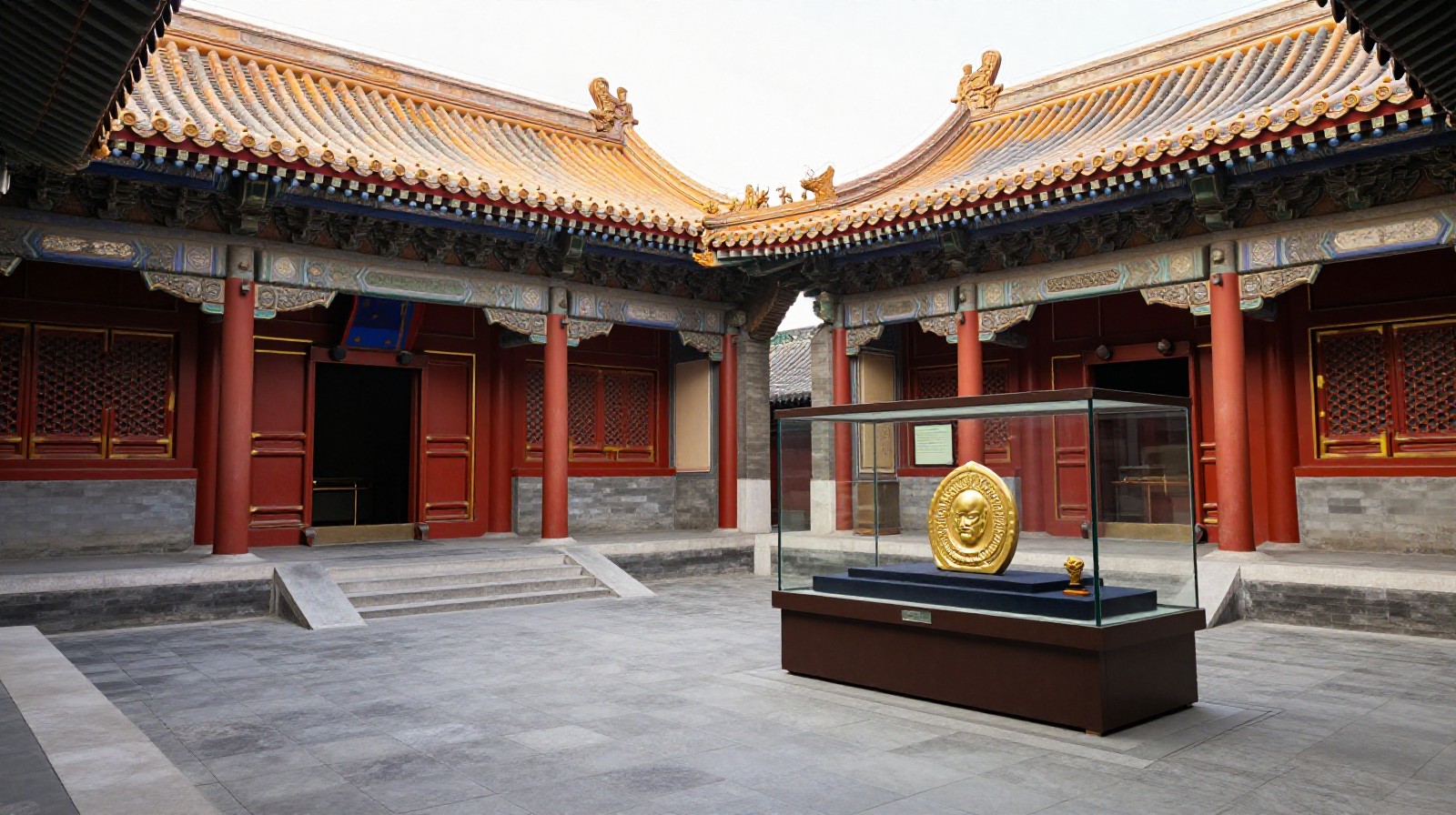
The underground treasure chamber opened in 1987 revealed artifacts of unparalleled quality: gold bowls, jade cups, and silk that has survived for centuries. It’s a rare glimpse into the wealth and devotion of the Tang Dynasty.
7. The Great Wall at Jialing Pass: A Forgotten Section
While everyone fights to climb Badaling near Beijing, Shaanxi offers a quieter alternative. At Jialing Pass, the wall winds through rugged terrain, often overgrown with grass and wildflowers.
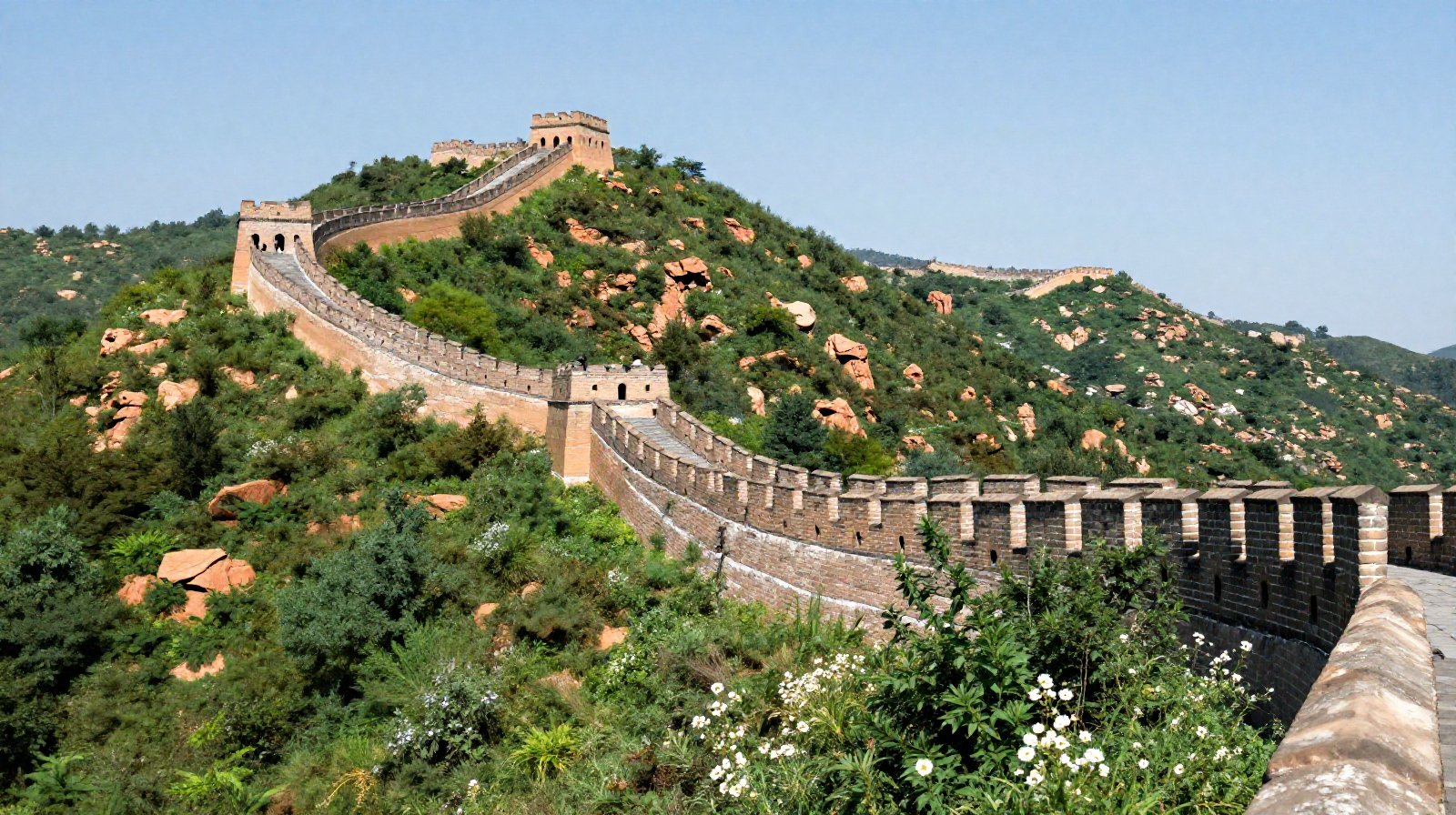
There are few tourists here. You might be the only one walking the ramparts, hearing the wind whistle through the broken stones. It feels like a place where time has slowed down, offering a meditative experience away from the crowds.
8. The City Wall of Xi’an: A Living Rampart
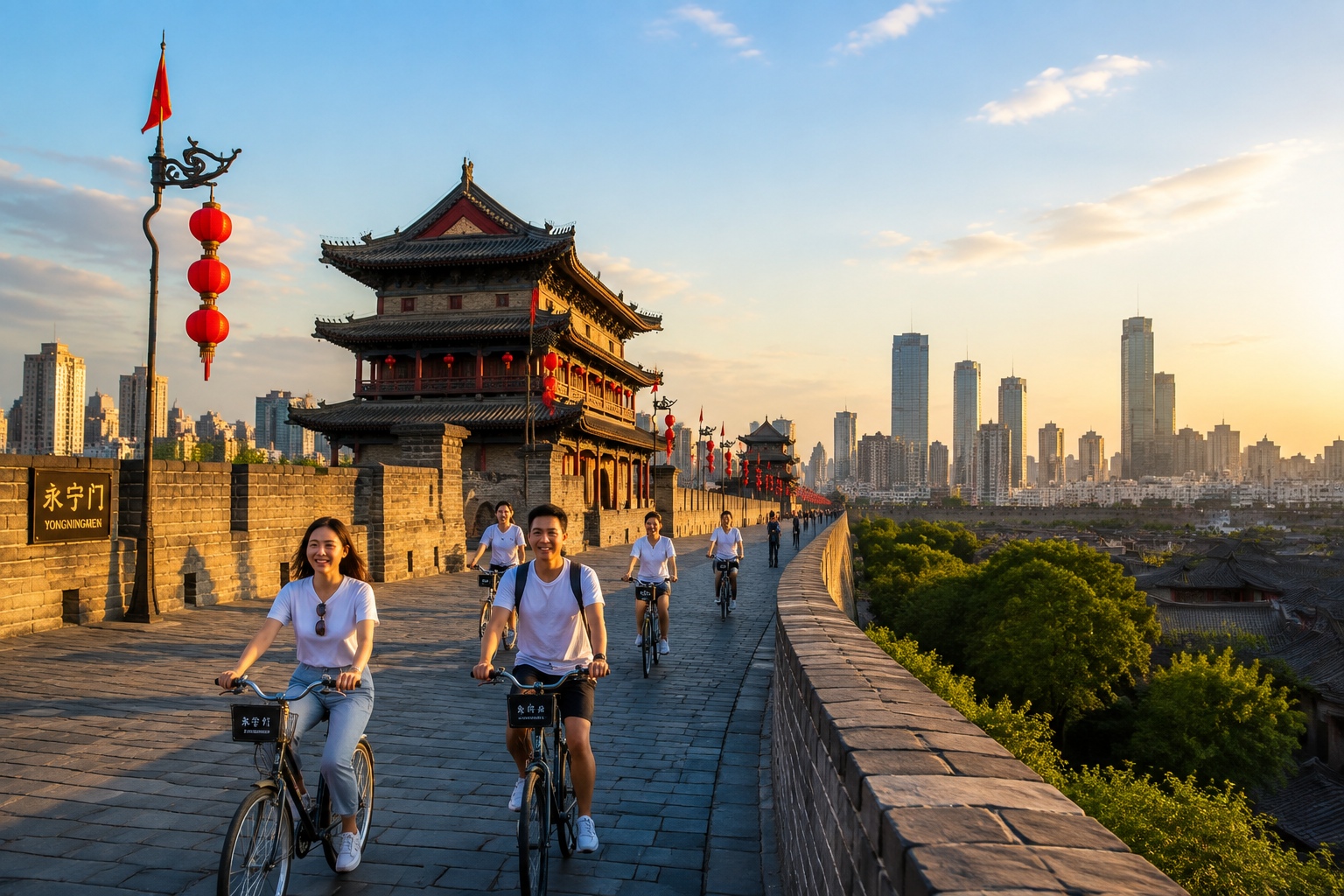
This isn’t just a ruin; it’s a functional city wall where people jog, cycle, and walk dogs at sunset. You can rent a bicycle and ride the entire 13.7-kilometer loop in under an hour.
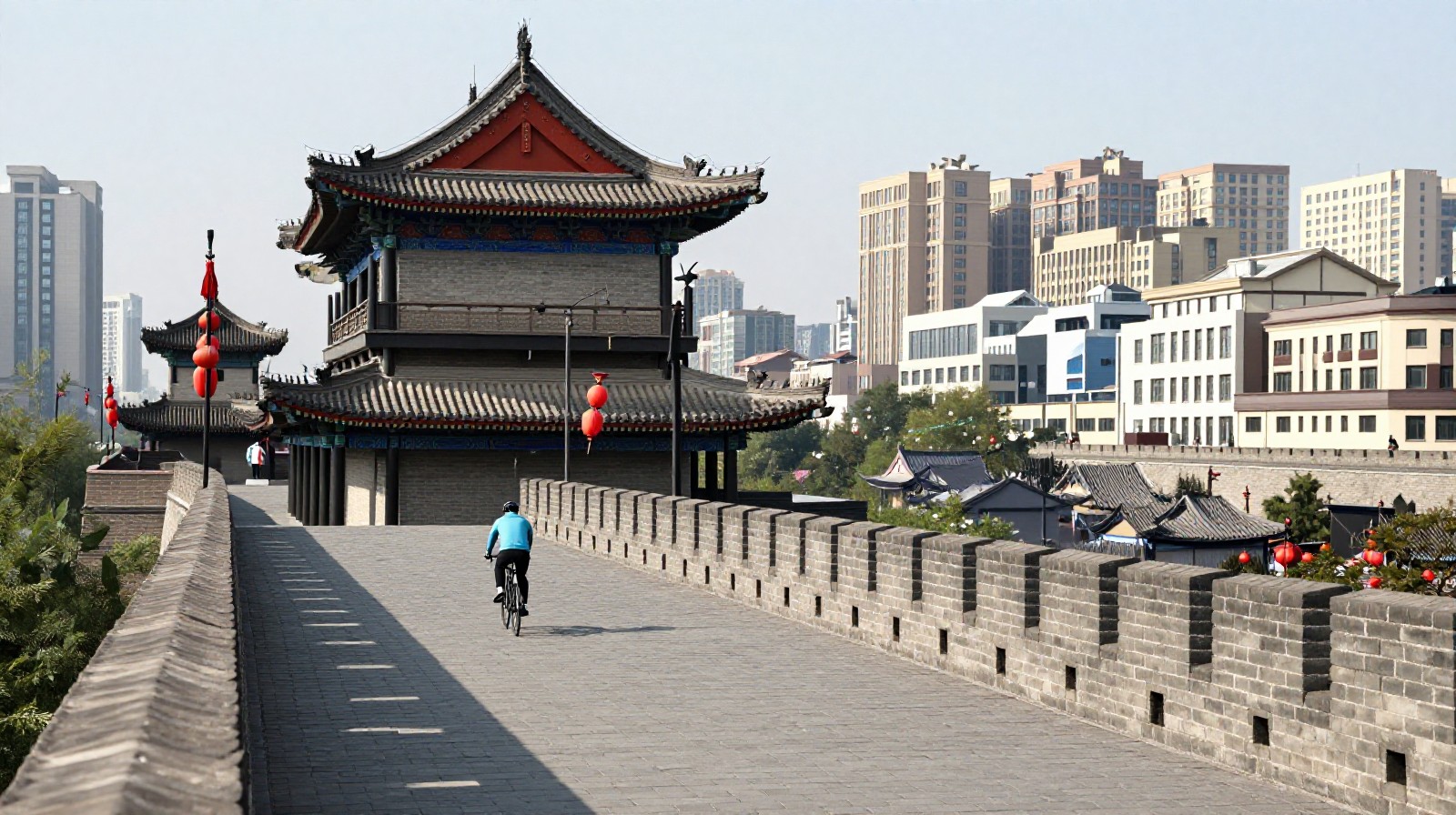
From the top, the view is striking: ancient watchtowers overlooking modern apartment blocks and busy highways. It’s a physical manifestation of how China has grown while keeping its roots intact.
9. The Stele Forest: A Library of Stone
In the Confucius Temple complex, rows of stone steles stand like silent giants. These are not just monuments; they are encyclopedias carved in stone, containing calligraphy, poetry, and historical records.
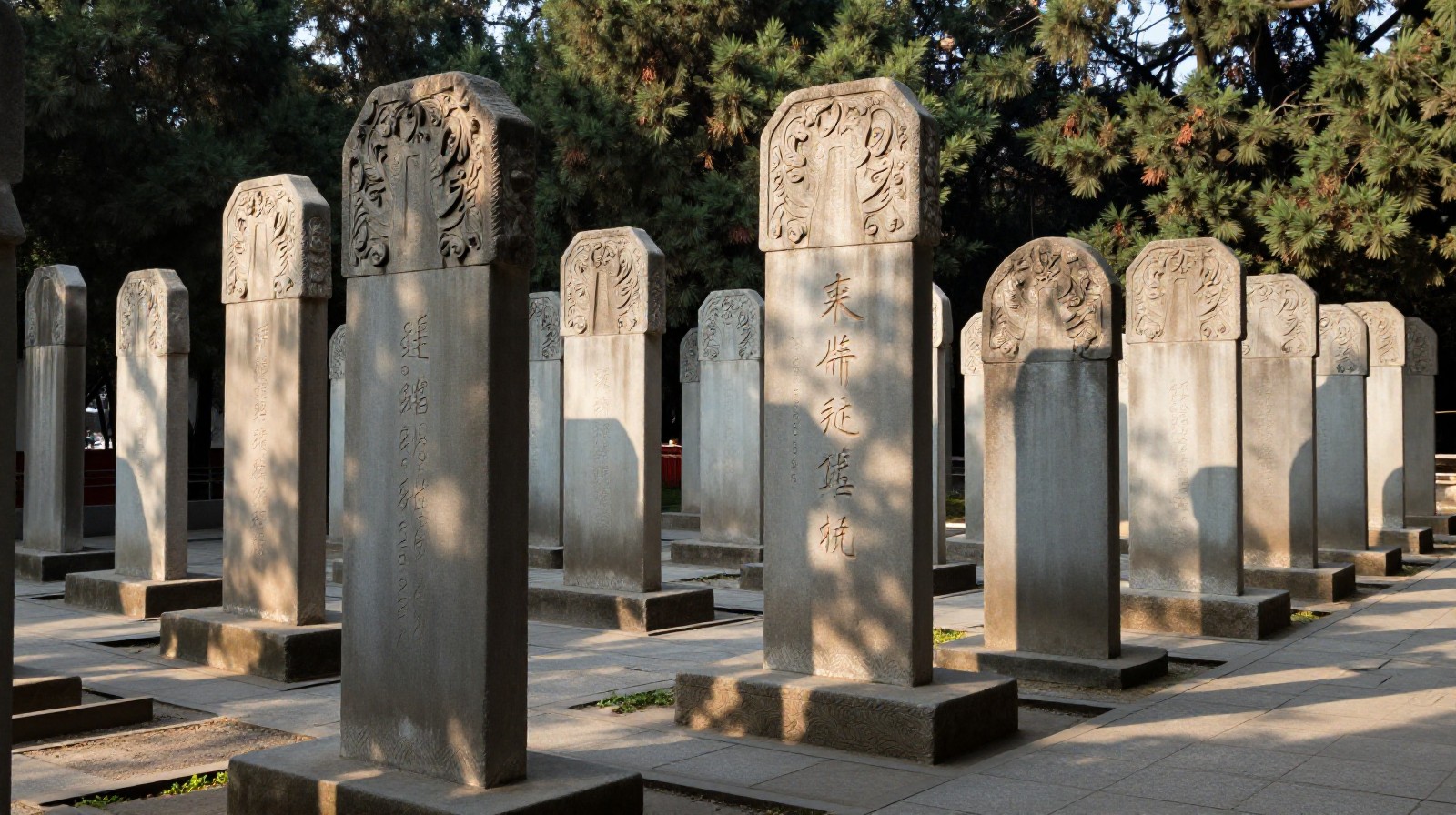
Visitors often rush past them, but the real value lies in the details. The inscriptions cover everything from imperial edicts to local land disputes, offering a window into the legal and cultural systems of ancient China.
10. The Hukou Waterfall (Nearby): Nature’s Power
While technically in nearby Shanxi province, Hukou is often included in Shaanxi itineraries. The Yellow River narrows here before plunging over a massive cliff, creating a roar that can be heard miles away.
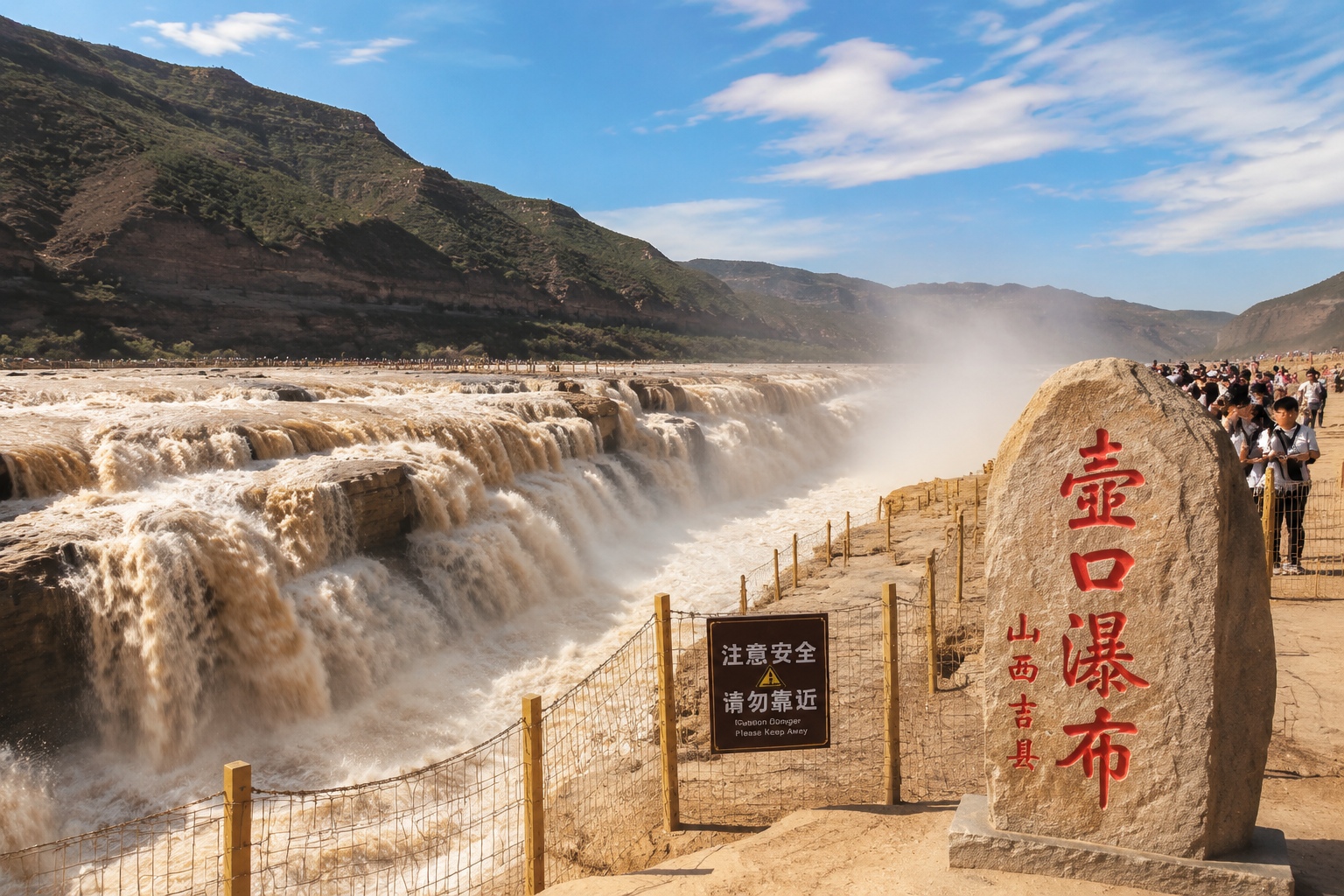
The water churns with the color of mud and gold. It’s a raw display of nature’s force, contrasting sharply with the orderly gardens and temples you see elsewhere in Shaanxi. It reminds travelers that this land has always been shaped by both human ambition and natural power.
Why These Sites Matter Today
Shaanxi isn’t just about looking back. The technologies developed here, from silk weaving to papermaking, changed the world. The people who built these sites were not distant figures; they were ordinary workers, artisans, and soldiers whose lives are now preserved in stone and clay.
When you walk these paths, you aren’t just sightseeing. You are walking through a living history that continues to shape China’s identity today.
Start the discussion at forum.chinacomes.com