

It’s Not Just About the Hours
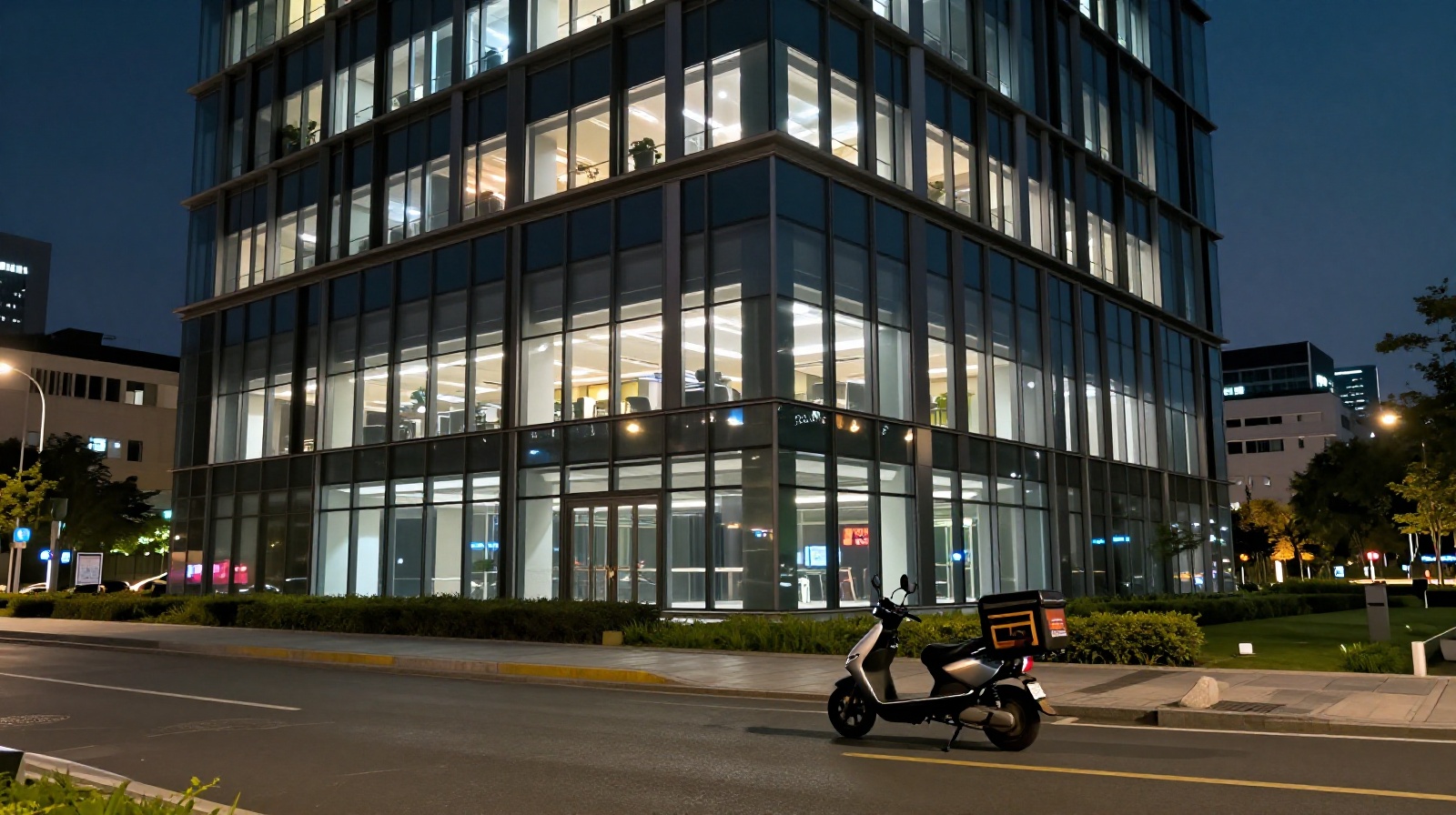
Li Wei doesn’t remember when he last saw his daughter fall asleep. At 8:45 PM, he is still sitting in a darkened office in Shenzhen, waiting for a server migration to finish. On paper, Li works the infamous “996” schedule—9 AM to 9 PM, six days a week. But if you ask him what keeps him awake at night, it’s not just the long hours.
It’s the algorithm. It’s the notification that pings every time a customer complains. It’s the fear that one wrong move in his performance review will erase months of overtime. This is the invisible clock behind 996: a relentless digital rhythm that dictates when to eat, when to rest, and even how long you can take a bathroom break.
The Invisible Scheduler
Outside Li Wei’s office, on the streets of Chengdu, Wang Lin is living a different kind of race. A ride-hailing driver for eight years, Wang checks his app before he even starts his engine. The app doesn’t just tell him where to go; it calculates the exact second he must arrive to avoid a penalty.
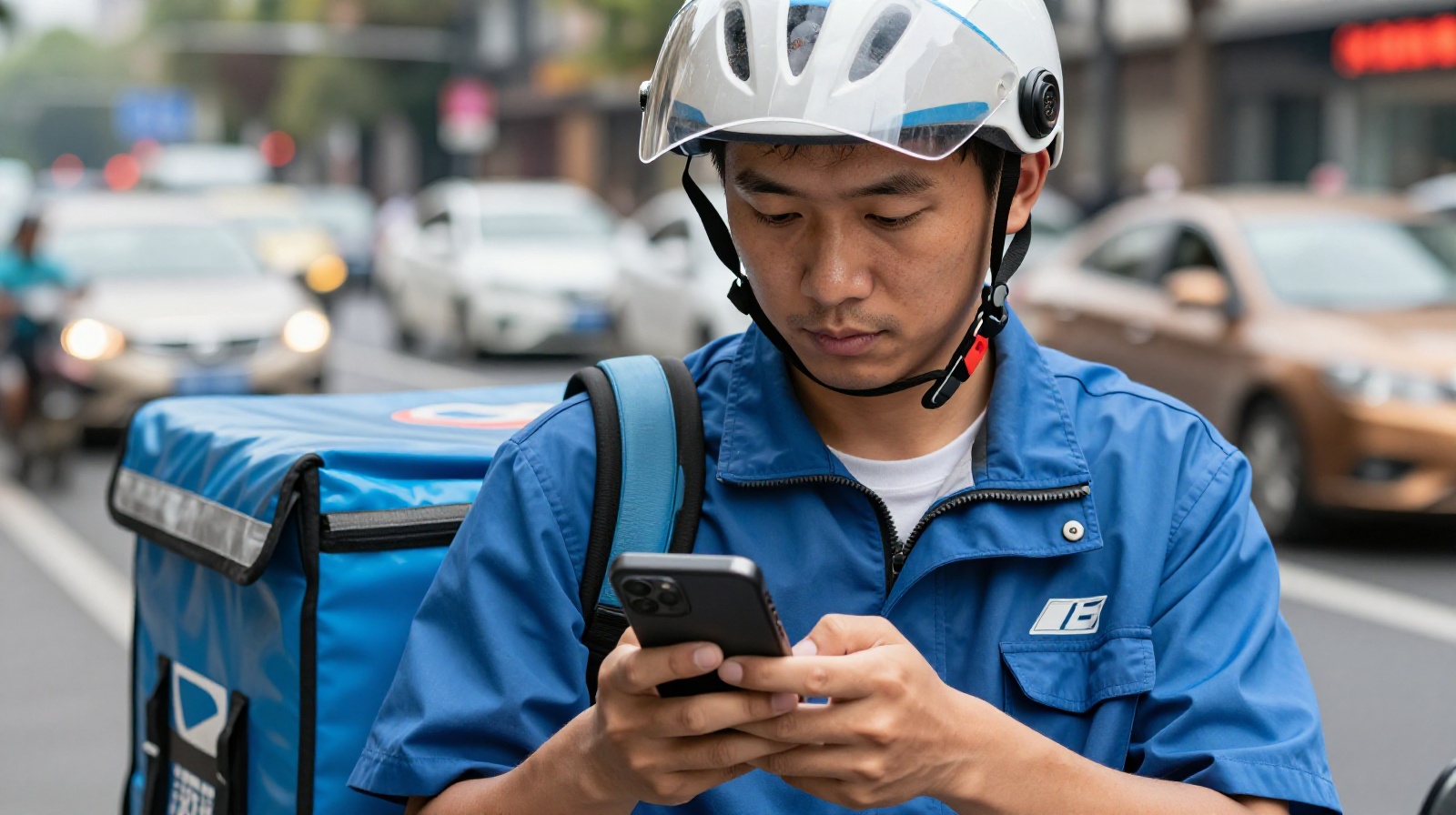
In China’s gig economy, time is not measured in shifts but in seconds. A food delivery rider might have 30 minutes to drop off three meals across five kilometers. If traffic slows down or a doorbell rings too slowly, the system deducts points from his score. Those points determine his income and future work eligibility.
This creates a unique form of anxiety. It’s not just about working hard; it’s about being watched by an invisible eye that never blinks. For these workers, the city becomes a grid of deadlines, where every corner holds a new timer.
The Cost of Speed
Back in Beijing, 34-year-old designer Chen Xia is trying to balance this speed with family life. She works as a freelancer for tech startups, often juggling three projects simultaneously. “The client wants it done today,” she says, rubbing her temples. “But I promised my husband I’d pick up our son at 5 PM.”
Chen represents the silent struggle of China’s urban middle class. While headlines focus on the extreme cases of burnout, millions are quietly negotiating a impossible trade-off: speed for connection. They skip meals to meet deadlines, sacrifice sleep to catch up on emails, and miss family dinners because “the internet never sleeps.”

The data backs this up. Recent surveys suggest that over 60% of urban Chinese workers report feeling constant time pressure, leading to higher rates of insomnia and anxiety-related health issues. The cost isn’t just financial; it’s the erosion of personal life.
Quiet Rebellion
Yet, there is a shift happening. Across major cities like Shanghai and Hangzhou, a quiet rebellion is forming among young professionals. They are redefining success not by how many hours they work, but by how much time they have left for themselves.
Some are turning to the “lying flat” movement, opting out of the rat race entirely. Others are using mental health apps to track their stress levels rather than just their productivity. There’s a growing number of side hustles that focus on wellness—online yoga classes, meditation retreats, and even short-term digital detox camps.

These aren’t grand protests or political statements. They are small, personal acts of resistance against the invisible clock. A young programmer might leave the office at 6 PM to watch his son’s soccer practice. A graphic designer might refuse a late-night meeting to attend her friend’s birthday.
Finding Balance in a High-Speed Society
What does this time anxiety reveal? It shows that China is not an exception to modernity; it is its most intense example. The same forces driving global capitalism—efficiency, speed, data—are amplifying the pressure here more visibly than anywhere else.
The story of 996 is no longer just about long hours. It’s a mirror reflecting how technology reshapes our relationship with time itself. As ordinary people across China begin to push back, they are not just fighting for better working conditions; they are reclaiming the right to their own time.