
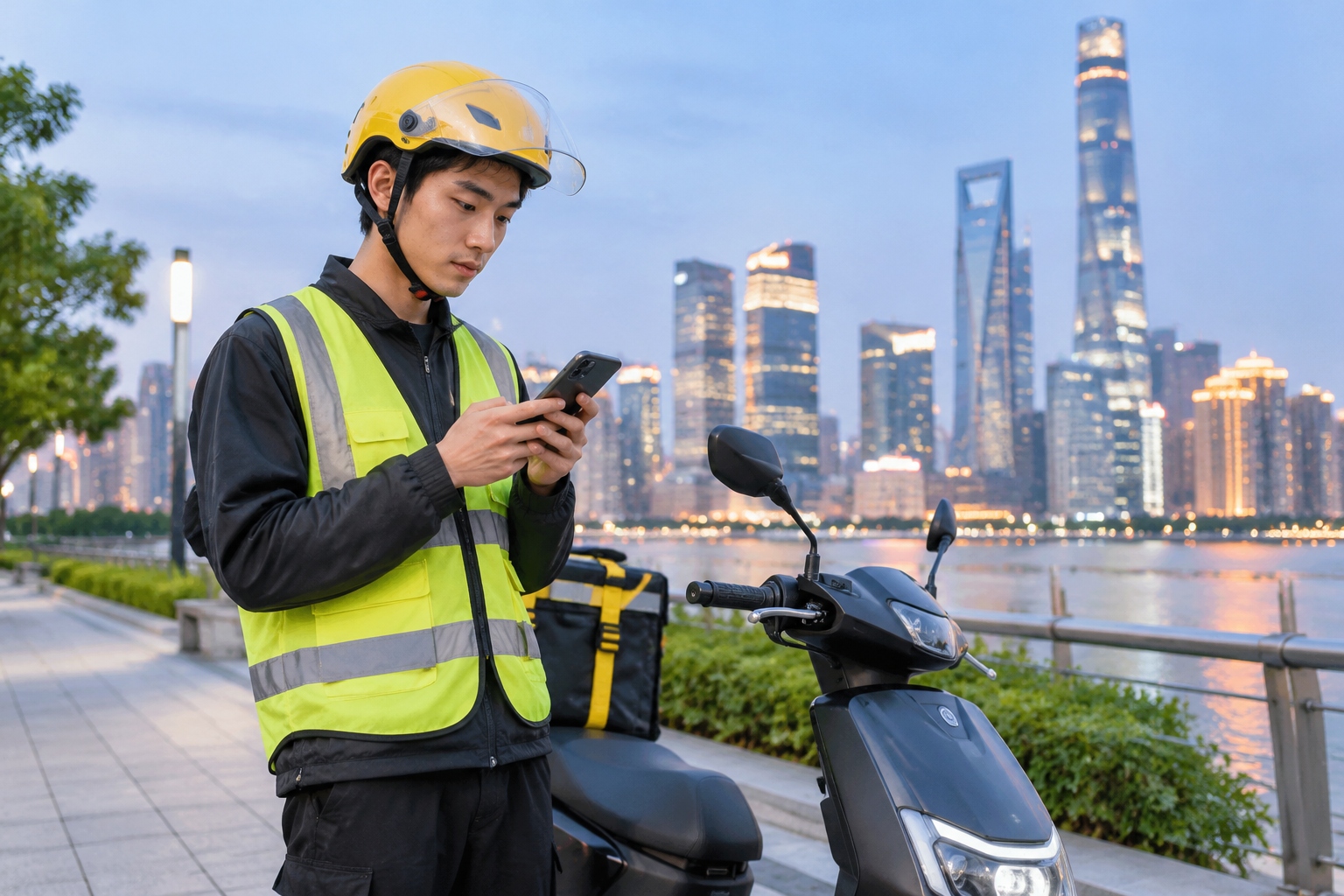

From Sky-Scrapers to Sidewalks
If you ask a foreigner what the future of China looks like, they might talk about high-speed trains, quantum computers, or cities that touch the clouds. It’s an exciting image, but it misses the noise on the street level. The real story isn’t happening in the gleaming towers; it’s happening in the quiet corners where ordinary people are making choices.
For generations, Chinese society was built on a singular concept: climb the ladder. Whether through the infamous Gaokao exam or climbing the corporate hierarchy, success meant moving up someone else’s map. But lately, a shift is visible. Young people aren’t just looking up at the stars anymore; they are walking forward on their own paths.
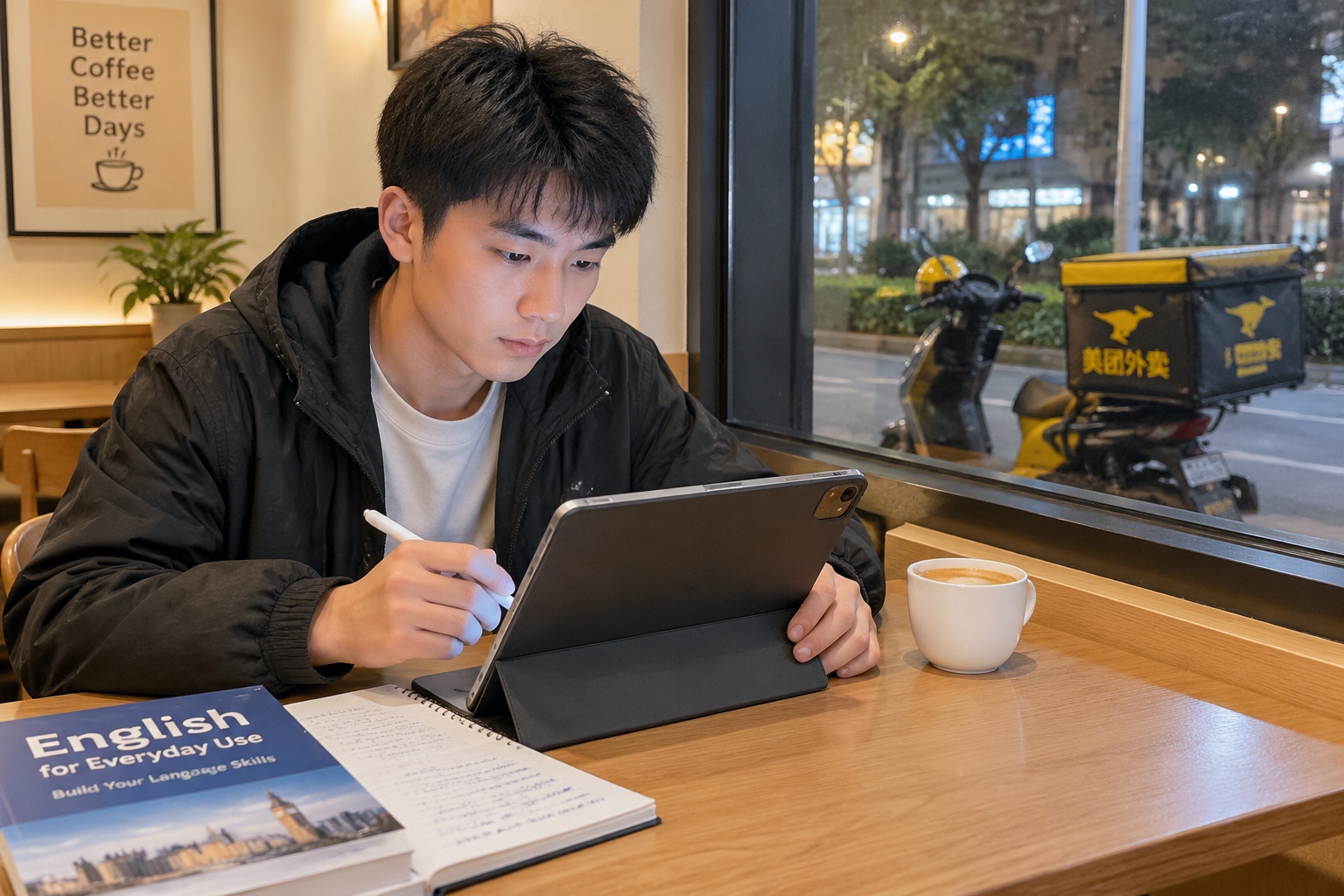
The Gig Economy as a Launchpad
Meet Li Wei, a 24-year-old delivery rider in Shanghai. In many news reports, he represents the “precarious worker.” But look closer at his evenings. When he finishes his shifts on e-bikes navigating busy streets, he doesn’t just go home to sleep. He opens his laptop for evening language classes.
Li is part of a growing trend where the gig economy isn’t just about survival; it’s about flexibility. Apps allow him to set his own hours, giving him the time and income to invest in skills that matter to him, not just to a boss. He defines his future as a mix of physical labor and intellectual growth, a path no traditional career ladder offers.
This isn’t unique to Li. In cities across China, technology is decoupling time from location. A freelancer in Chengdu can work for a startup in Shenzhen while living near the mountains. The definition of “work” has expanded beyond the 9-to-5 office box.

Redefining Success: Leaving the Rat Race
In Beijing, Sun Ming made headlines by quitting her high-paying job at a tech giant to return to her hometown in Gansu province. She didn’t go back to farm; she opened a small workshop producing eco-friendly bamboo products.
Sun’s story reflects a major cultural shift among Chinese youth. The metrics for success are changing. It’s no longer just about the highest salary or the flashiest title. For many, it’s about mental health, work-life balance, and having a tangible social impact.
“I used to think I had to be somewhere famous to matter,” Sun says. “Now, I measure my day by whether I made something useful and if I have time to drink tea with my parents.” This move away from the intense pressure of Tier-1 cities is creating a new kind of prosperity—one that values well-being over pure GDP growth.
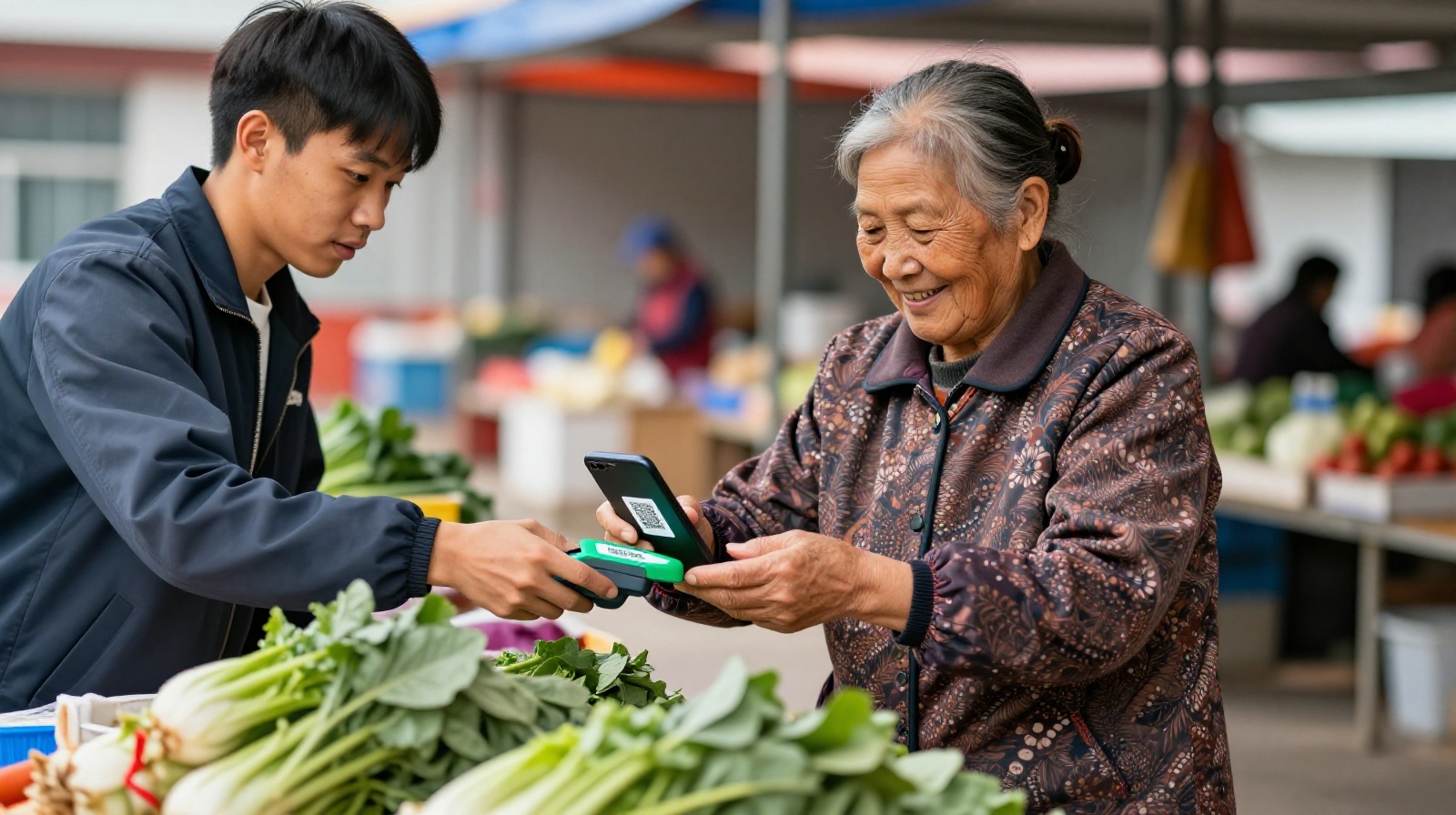
Technology: The Invisible Helper
You don’t need a rocket ship to see China’s technological leap. You just need to watch an elderly woman in a rural village buy groceries with her phone, or see how smart logistics keep a small shop stocked without a warehouse manager.
Mobile payments and AI-driven delivery systems have become the invisible infrastructure of daily life. They aren’t about flying cars; they are about reducing friction. For the 60-year-old grandmother in rural Sichuan, a smartphone is her ticket to the market. For the busy urbanite in Shanghai, it’s the difference between waiting an hour for groceries or having them delivered in 20 minutes.
This accessibility changes how people plan their futures. When basic needs are met efficiently, energy can be redirected toward creativity, family, and personal passions. Technology here is a tool for empowerment, not just a spectacle of innovation.

Small Communities, Big Trust
The future also takes shape in local neighborhoods. In many Chinese communities, the traditional role of neighborhood committees has evolved. They are no longer just policy announcers; they are problem solvers for parking disputes, childcare gaps, and elderly care.
Young volunteers are increasingly using digital platforms to organize local clean-ups or support groups for new parents. This grassroots engagement builds a sense of agency. People aren’t waiting for the state to fix everything; they are fixing things themselves with the help of neighbors and technology.
A Future Written by Many Hands
The story of China’s future is not a single, monolithic narrative. It is a mosaic of millions of small decisions made by individuals like Li Wei and Sun Ming. They aren’t waiting for permission to dream; they are building their realities right now.
For international readers, the takeaway is simple: look beyond the headlines about economic targets or geopolitical tensions. Look at the delivery rider learning English, the returnee opening a workshop, and the grandmother using her phone. These are the quiet engines driving change. The future isn’t something to be watched from afar; it’s being walked into, one step at a time.
Start the discussion at forum.chinacomes.com