
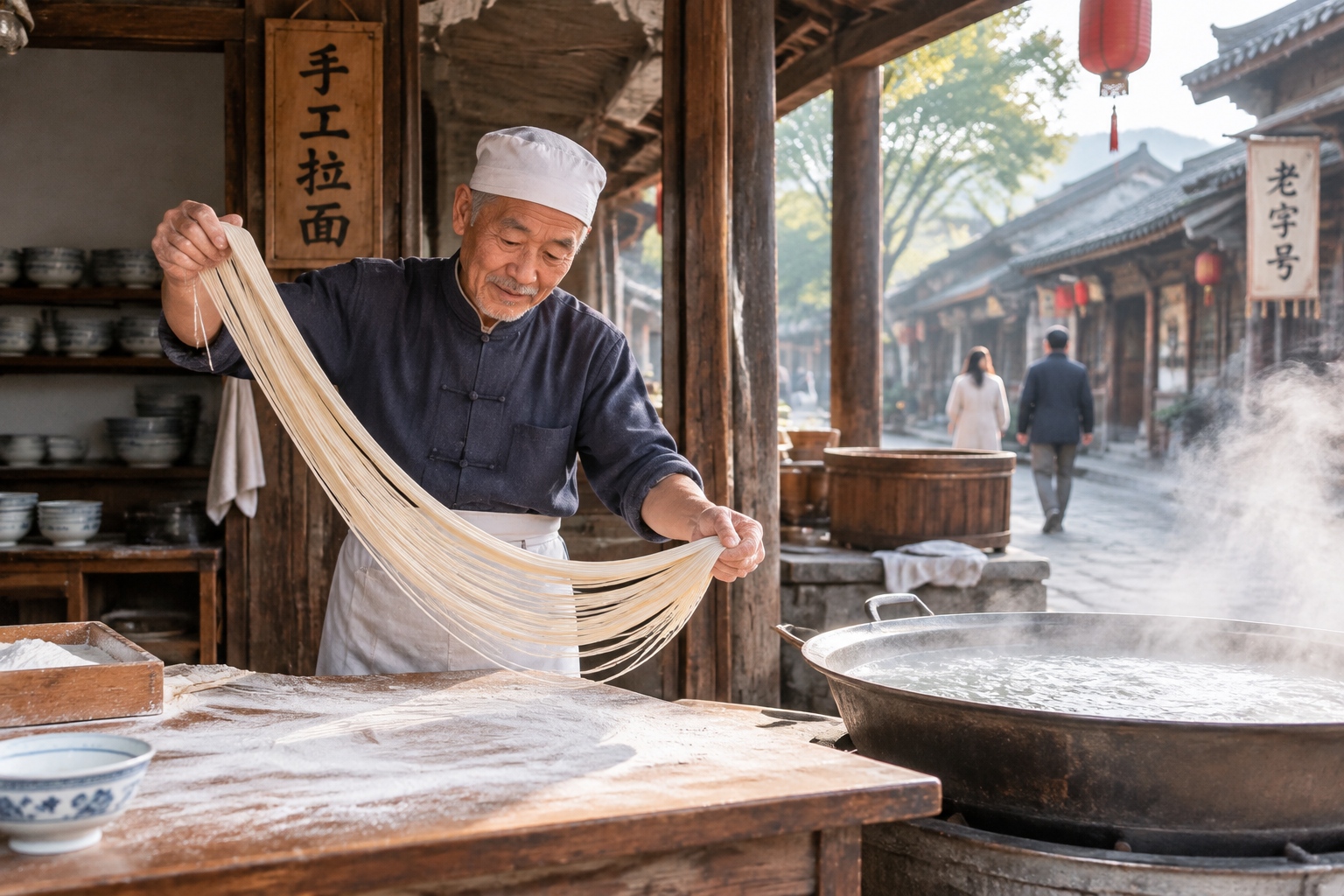

Not Just Another Street Snack
You might expect a bustling night market in any Chinese city, filled with skewers and sizzling woks. But in the quiet alleyways of Suzhou or the backstreets of Chengdu, you can find something far more delicate: a single bowl of handmade noodles or a jar of centuries-old pickles that tells a story no machine could replicate.
Today, while China is known globally for its high-speed trains and cashless payments, there is a parallel world where time seems to move slower. Here, intangible cultural heritage (ICH) food isn’t just about eating; it’s a living history lesson passed down through generations of hands that know the exact pressure needed to knead dough or the precise moment to stir a fermentation vat.
The Artisan Behind the Counter
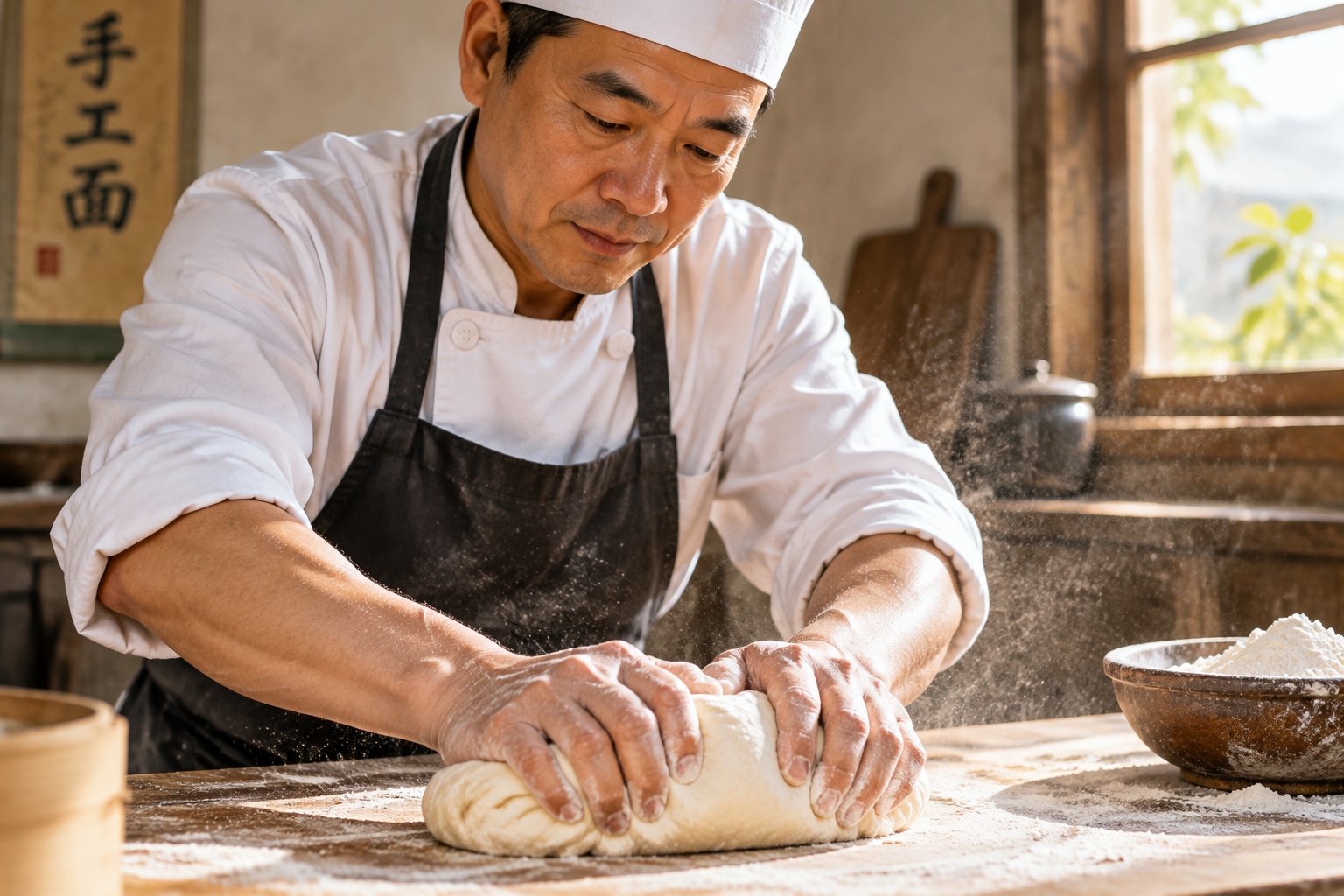
Take Mr. Zhang, for example. In his small shop in Yangzhou, he spends four hours every morning pulling noodles by hand. This isn’t performance art for tourists; it’s a daily necessity for locals who have eaten his noodles for fifty years. The technique, known as ‘Yangzhou Slender Noodles,’ dates back to the Ming Dynasty. If the water temperature is off by even two degrees, or if the flour doesn’t match the humidity of that specific day, the texture fails.
Many such artisans are aging out. Their children often prefer working in nearby tech parks with air conditioning and steady salaries. Yet, a surprising number of young people are returning. They see these not as relics, but as unique brands with stories worth telling to the world.
A Taste of Place
Why does this matter now? Because ‘One City, One Flavor’ is more than a slogan; it’s a reflection of identity in a rapidly modernizing country. In Shanghai, you might find a hidden bakery selling ‘Honey Cake,’ a sweet treat from the 19th century that uses ingredients no longer grown nearby. In Xi’an, ancient bread-making techniques are being revived to create snacks that taste exactly like they did during the Tang Dynasty.
These foods connect people to their roots in ways that generic global brands cannot. When you eat a dish made by an ICH master, you aren’t just consuming calories; you are tasting centuries of local climate, soil, and community effort.
The Challenge of Survival
It’s not all romantic. These traditions face real challenges. The ingredients are often seasonal and hard to source in bulk. The labor-intensive processes are expensive compared to factory-made alternatives. Many small shops struggle to make a profit without government support or the help of social media.
However, the resilience is remarkable. In many neighborhoods, communities have started ‘heritage food clubs,’ where locals fund local artisans in exchange for exclusive access to seasonal delicacies. It’s a grassroots effort to keep these flavors from disappearing before the next generation can learn them.
A New Generation of Tasters
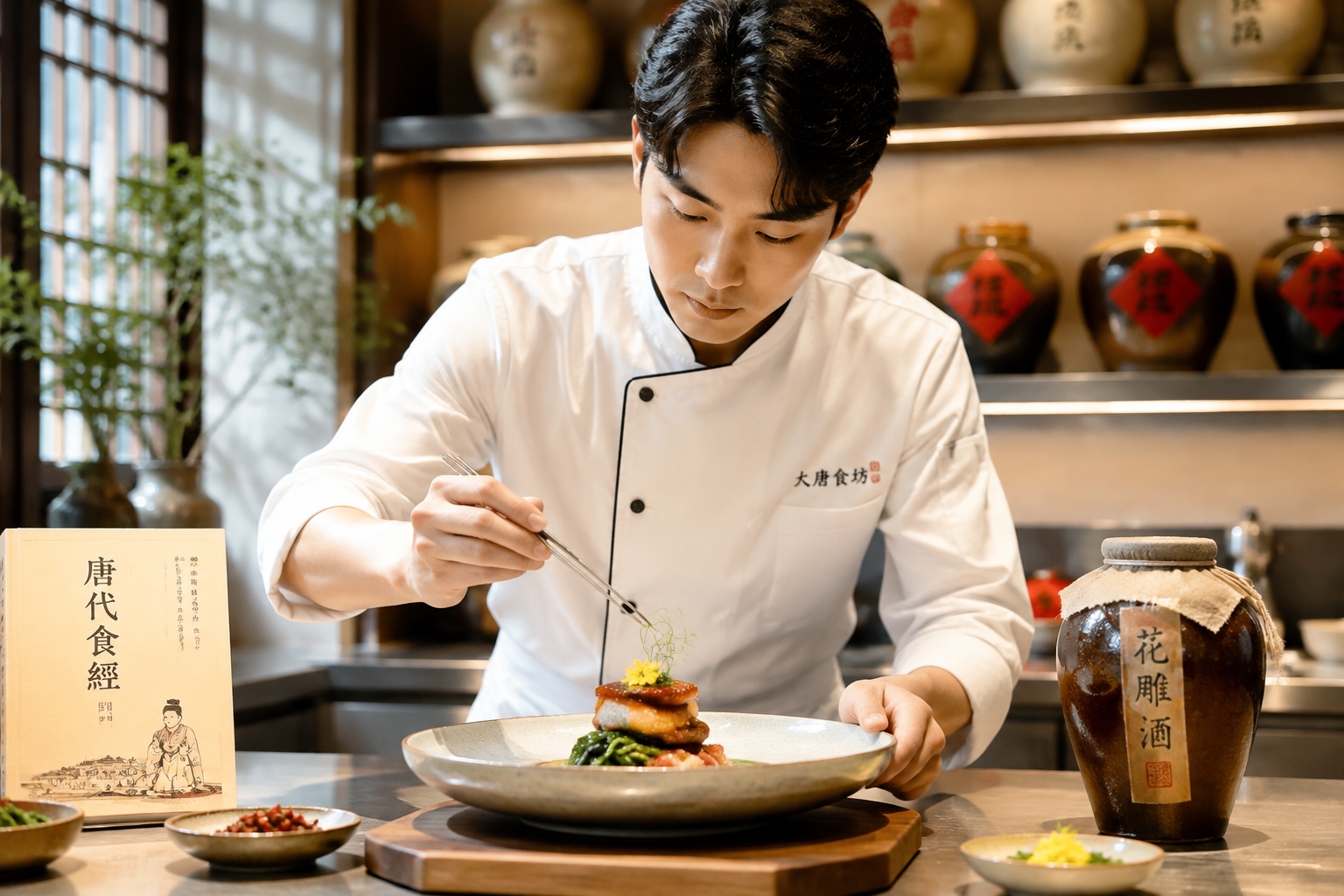
What does this mean for the future? The landscape is shifting. You will increasingly see young chefs in modern restaurants incorporating these ancient techniques into high-end dining, not as a gimmick, but as a core philosophy. They are rebranding heritage food as something cool, sustainable, and deeply connected to nature.
For the traveler or the curious reader, this is your invitation to look beyond the neon lights. The real China isn’t just in its skylines; it’s in the quiet steam rising from a clay pot, preserved through time by ordinary people who refuse to let the flavors fade away.
Start the discussion at forum.chinacomes.com