
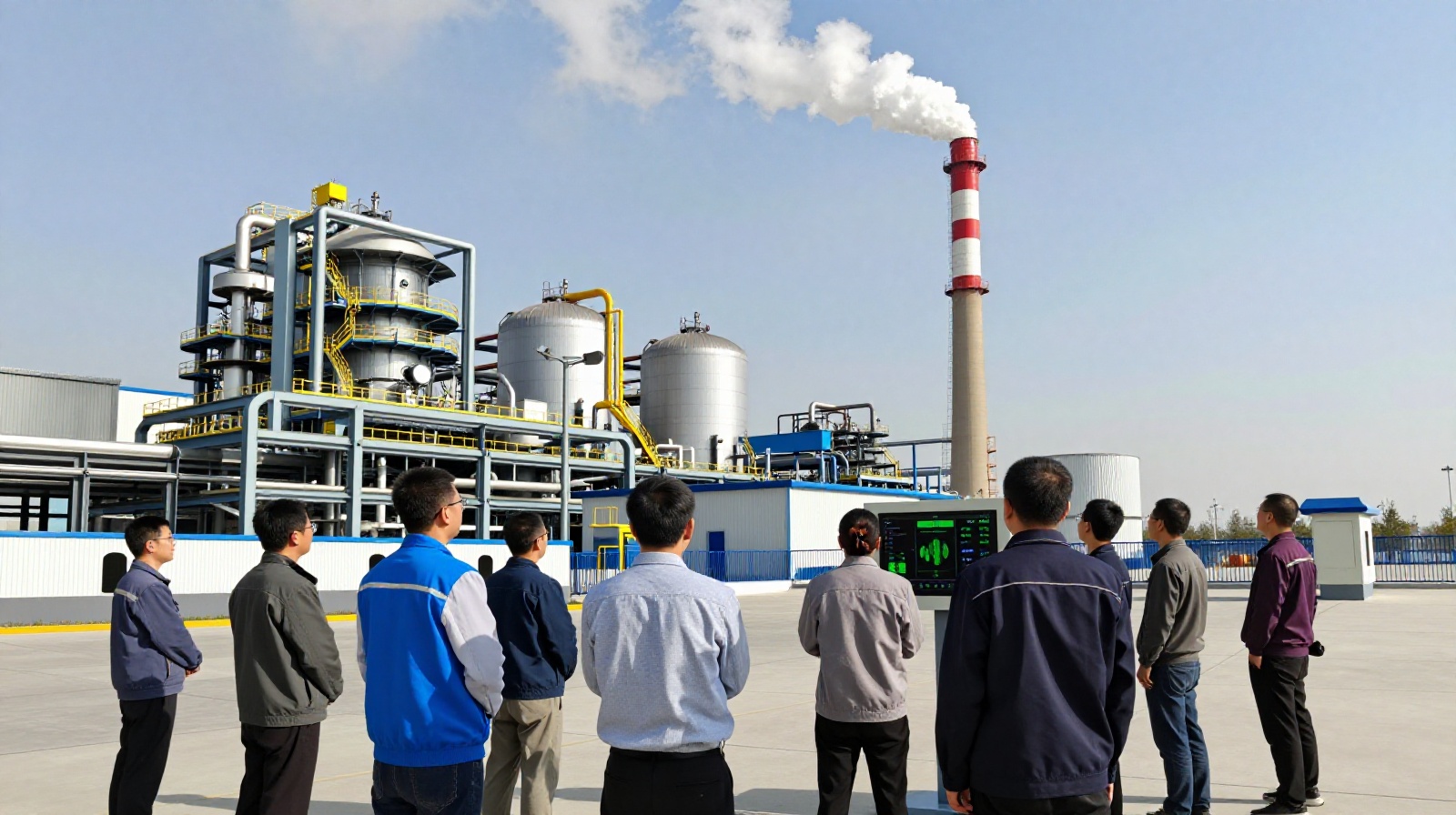

The Man Who Tamed the Trash Fire
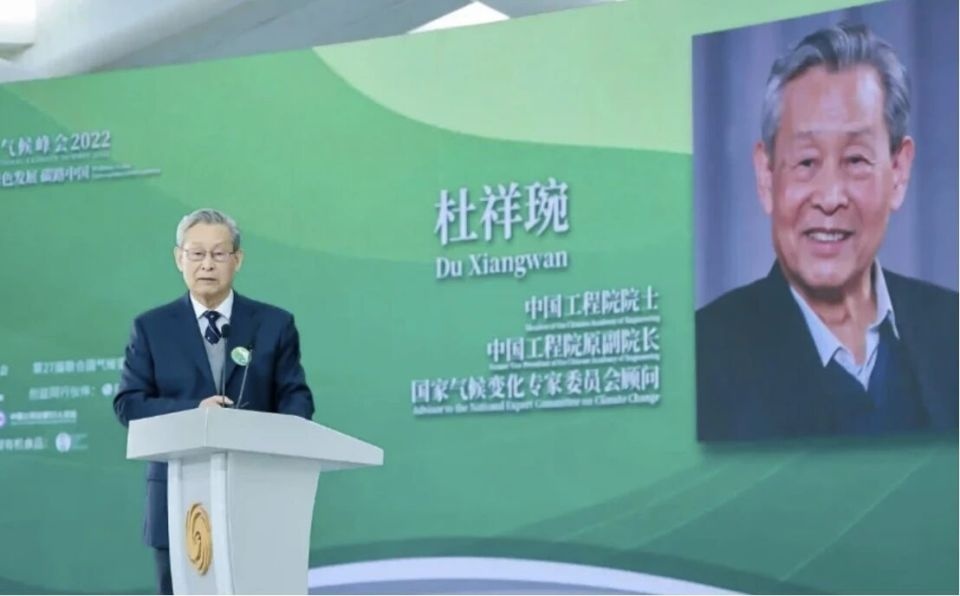
In a quiet office in Beijing, 79-year-old Academician Du Xiangwan stares at a schematic of a trash incinerator. He doesn’t see garbage here; he sees an unstable reactor. For decades, Du was the mastermind behind China’s nuclear deterrent and laser weapon programs. When he retired, most expected him to enjoy his golden years. Instead, in 2018, he walked into a room filled with worried environmental engineers.
“If we can control the temperature of a nuclear reactor to within a fraction of a degree,” Du told them, “I don’t believe I can’t control a trash furnace.”
This wasn’t just rhetoric. China’s cities were choking. By 2015, the country produced 260 million tons of waste annually. In Shenzhen, the Yulongkeng landfill towered 110 meters high—a mountain of 4.1 million tons that threatened to collapse and poison the water table. The world was stuck on a familiar problem: burning trash creates dioxins, toxic gases that are hard to destroy without massive energy costs.
Applying Atomic Precision to Daily Waste
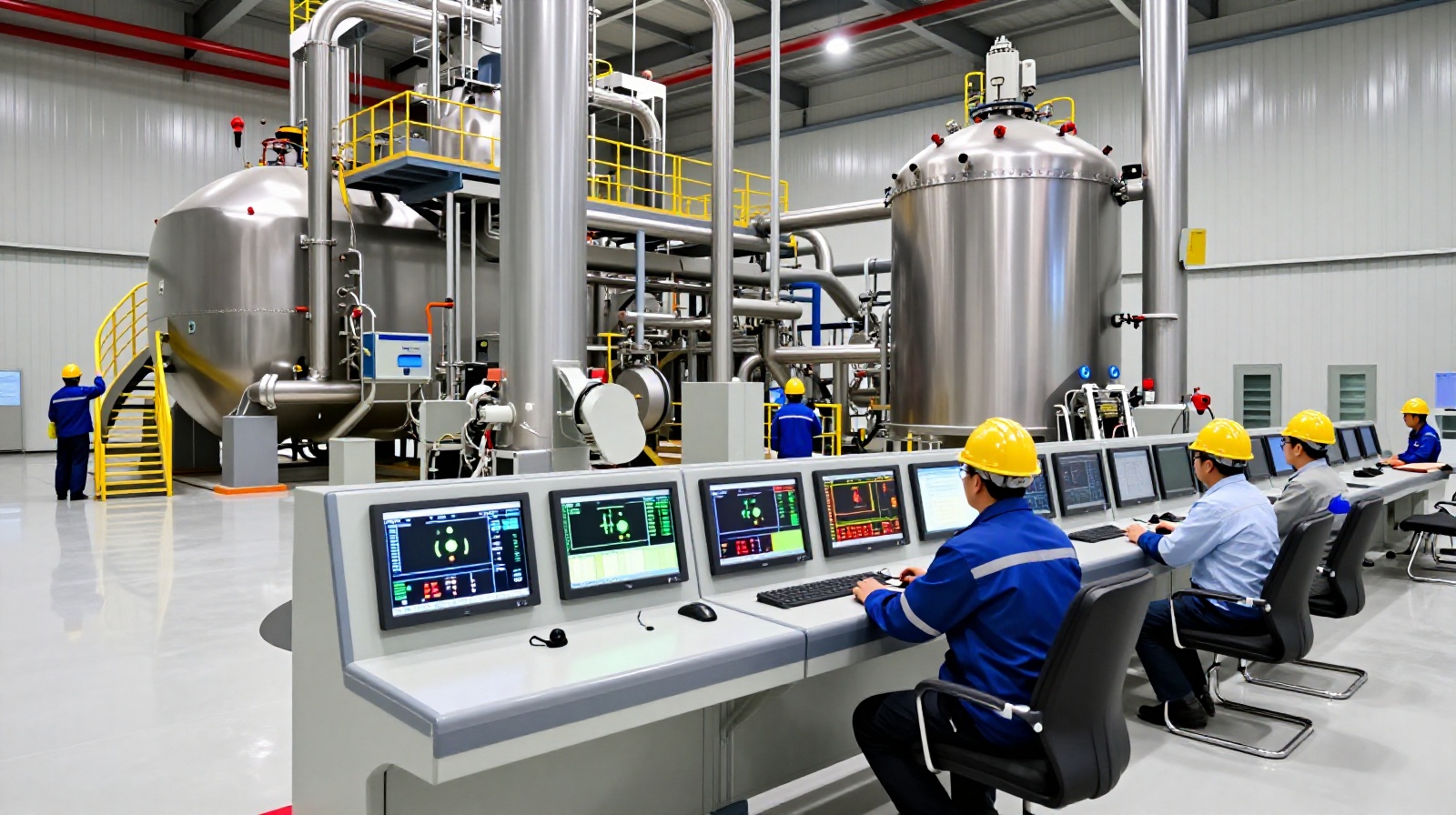
Du’s solution was radical because it treated garbage like nuclear fuel. His team brought in the physics of fission reactors and fluid dynamics to redesign the incinerator core. They created a “washing-board” structure inside the furnace, ensuring that every piece of trash tumbled through high heat long enough to be completely broken down.
The results were immediate and quantifiable. The combustion chamber was locked at a steady 1,100°C. Smoke stayed in this super-hot zone for exactly two seconds. This simple physical rule destroyed 99.9% of dioxins. The emission rate hit 0.012 nanograms per cubic meter—five times stricter than the European Union standard.
Before this, incineration was a gamble. Now, it is a calculation. AI sensors monitor thousands of data points in real-time, adjusting air intake and fuel flow to keep efficiency at 99.5%. The energy output from each ton of trash has risen by 4.5%, turning waste mountains into reliable power sources.
From Landfill Mountain to Power Plant
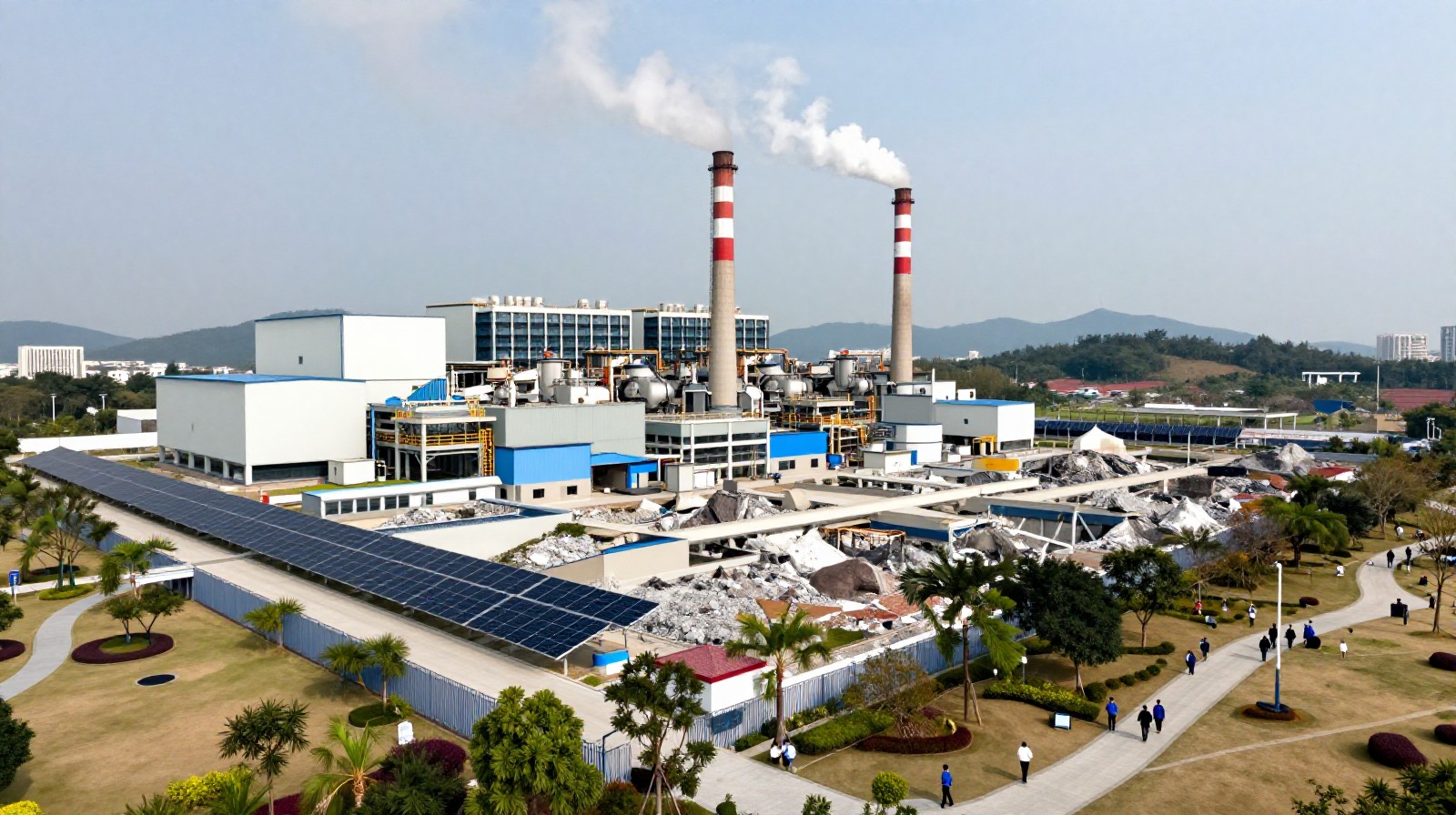
The impact on the ground is visible in Shenzhen. The Yulongkeng site, once a looming threat, is now a hub of activity. Daily, 6,000 tons of waste are sifted and fed into the furnace. The plant generates 3.4 million kilowatt-hours of electricity every day—enough to power about 8,000 households monthly.
The ash that remains isn’t dumped in a pit; it’s crushed and molded into eco-friendly bricks for construction. This is the “Nuclear Waste Thinking” applied to urban waste: nothing is wasted, everything has value if processed correctly.
This model has scaled rapidly. By January 2026, China had built over 1,000 such facilities, handling nearly all of its municipal waste. The technology isn’t just staying domestic. It’s being exported to countries that struggle with the same garbage crisis. In Uzbekistan and Brazil, new plants using these core technologies are already operational.
Why China Solved What Others Couldn’t
Many in the West wonder why this breakthrough felt so sudden compared to their own slow progress. The answer lies in the organizational model. Unlike fragmented projects in other nations, China’s approach fused government policy, heavy industry (like China Energy), and top-tier research institutes into a single supply chain.
Du Xiangwan didn’t just solve a technical problem; he changed the national mindset. He shifted the narrative from “landfilling” to “urban mining.” When the technology became mature enough for small towns, it was deployed in places like Yuxi, Yunnan, bringing power and jobs to remote areas that previous industrial solutions ignored.
This is why some commentators compare Du’s legacy to Yuan Longping. While Yuan gave us food security by revolutionizing agriculture, Du has helped secure environmental stability by turning a global poison into a resource. Both used deep scientific rigor to solve the most basic human needs: eating and living in a clean environment.
The “garbage siege” is ending not because China made fewer trash bags, but because it learned to burn them with the precision of a nuclear scientist. The future of waste management isn’t just about containment; it’s about conversion.