

The Smell of a New Beginning
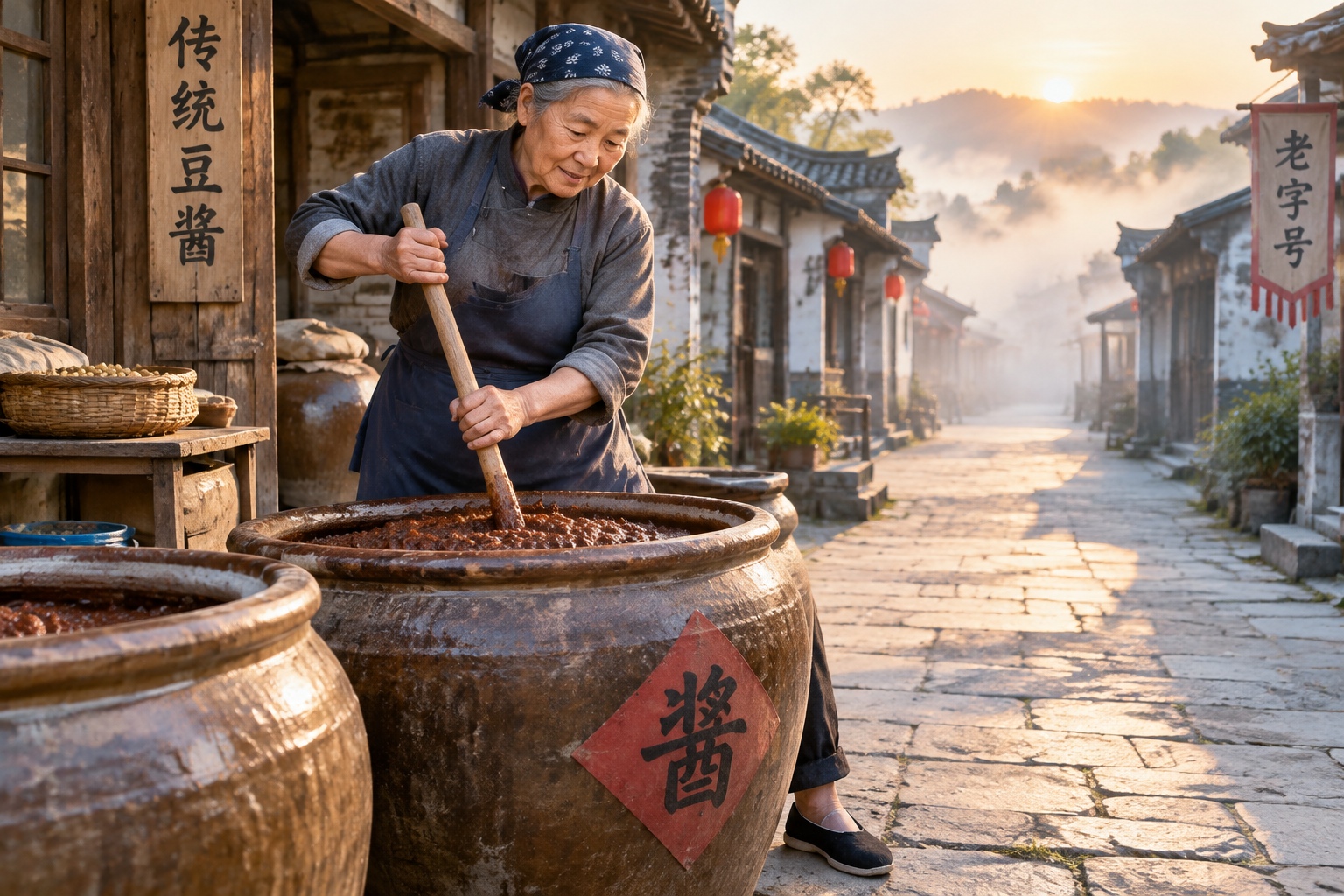
Walk into a narrow alley in Chengdu just before dawn. The air doesn’t smell like fresh bread or coffee; it carries a heavy, pungent scent that hits you immediately: earthy, salty, and deeply savory. This is the smell of fermentation waking up. In this single street, dozens of families are stirring giant clay pots filled with fermented bean pastes. These aren’t factory products in sterile jars. They are living cultures, stirred by hands that have done the same motion for decades.
For many Westerners, the word “fermentation” brings to mind sourdough starters or a glass of wine. But in China, fermentation is far more than a culinary trick; it is a survival strategy perfected over thousands of years and now a daily ritual. Before refrigeration existed, people needed a way to keep vegetables edible through harsh winters without them rotting away. The solution was salt, time, and the invisible work of microbes.
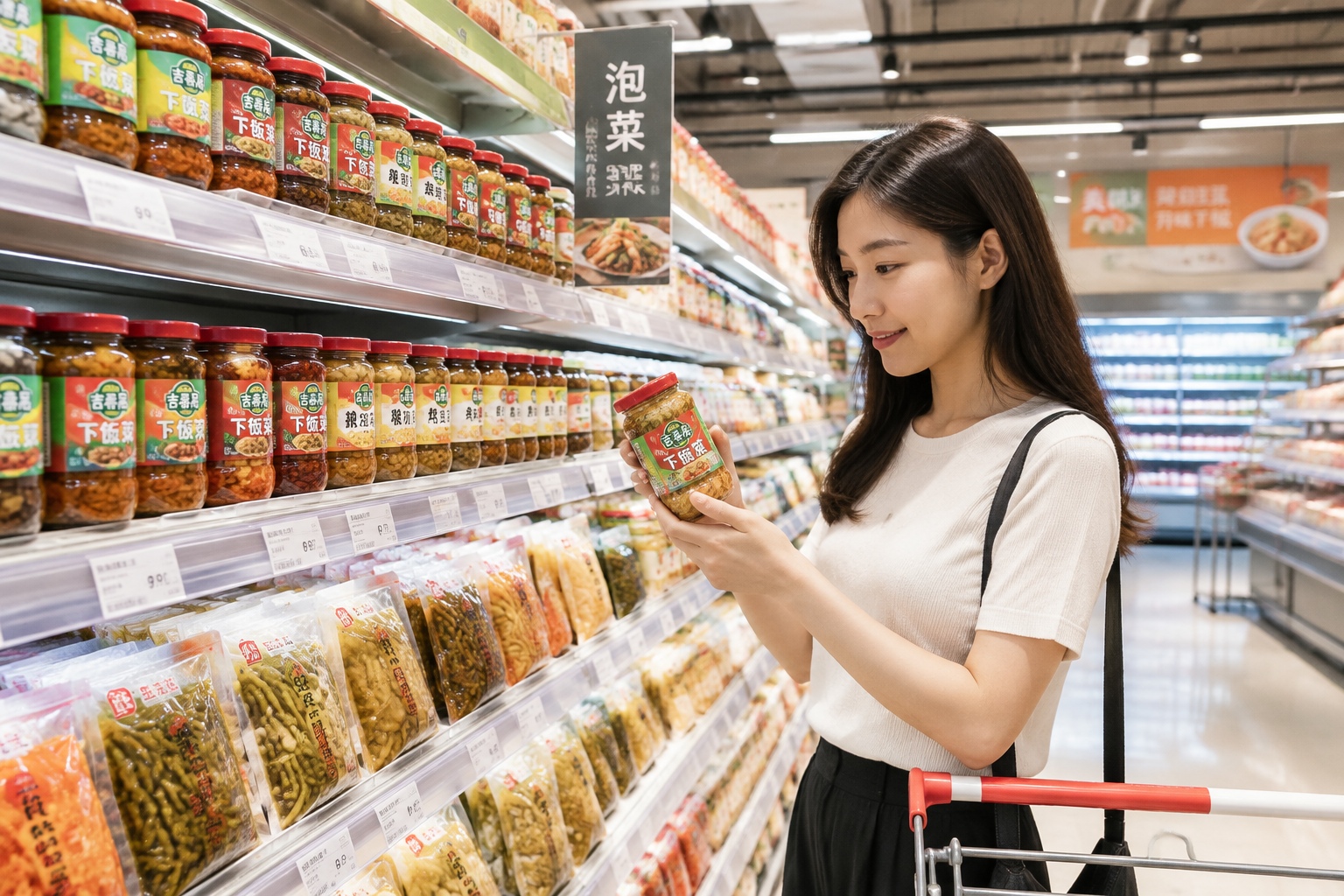
Today, as we stroll through supermarkets in Shanghai or Beijing, we see rows of colorful jars that look like art installations. But inside these glass containers lies the history of Chinese resilience. Each jar tells a story of how a region turned scarcity into flavor.
More Than Just Salt and Time
It’s easy to think of all Chinese pickles as just salty vegetables, but the regional differences are stark. In the south, where humidity is high, fermentation often leans toward a sharper, more acidic profile. In Sichuan, it’s about the complex, numbing heat of chili peppers fermenting alongside beans.
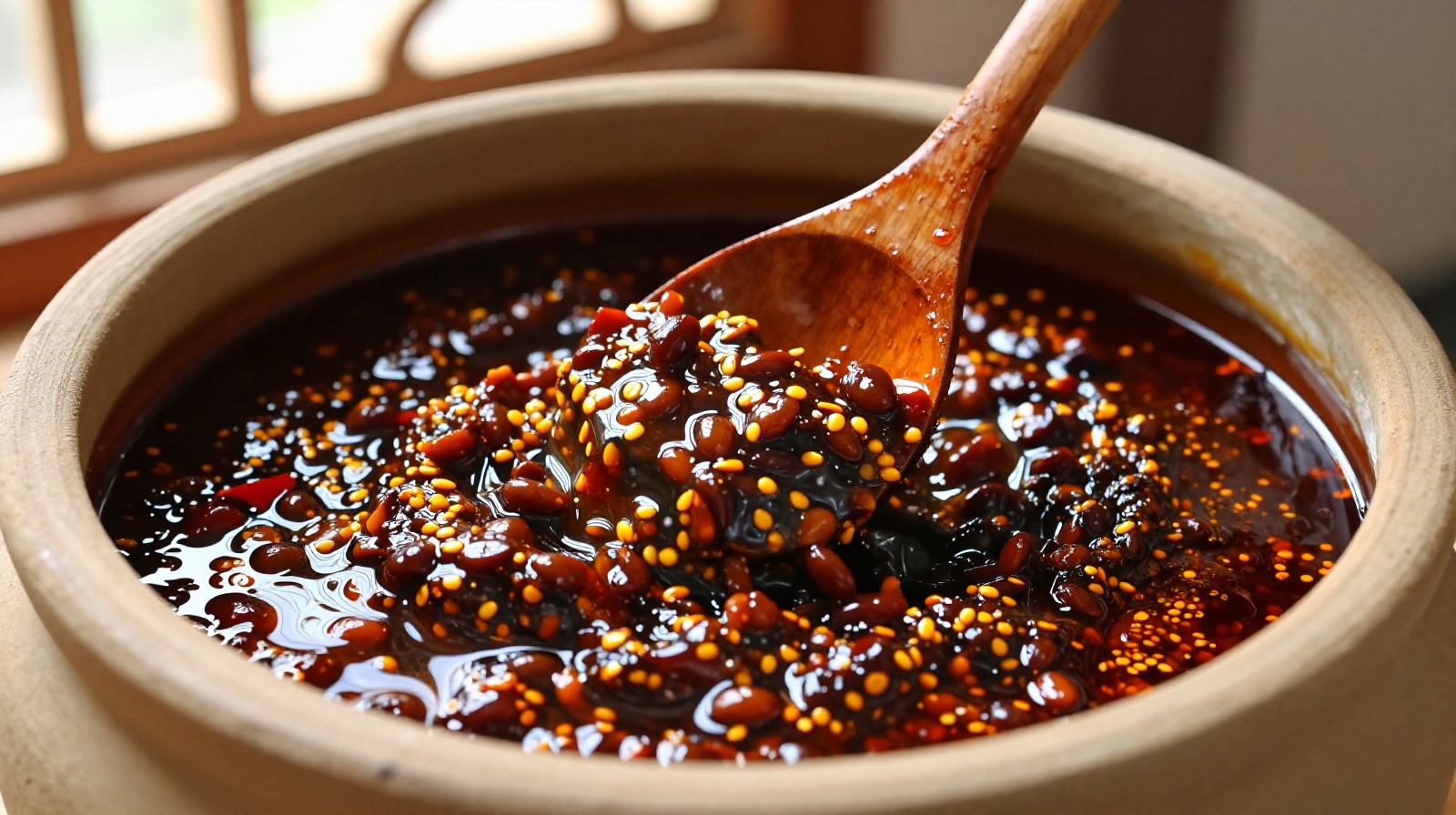
Take Doubanjiang (bean paste), the soul of Sichuan cuisine. It starts with broad beans and red chilies. These are mixed with salt and left in open-air jars to sun-dry for months. The result is a thick, oily paste that transforms a simple stir-fry into a meal that can make you sweat buckets. In a typical restaurant kitchen, the chef doesn’t just add this paste; they fry it until it releases its red oil, creating the base for dishes like Mapo Tofu.
Then there’s Zha Cai (preserved mustard tuber) in Chongqing. It starts as humble vegetables but undergoes a transformation where water is squeezed out, and bacteria break down the fibers, turning tough stems into something crisp and incredibly flavorful. You might find it chopped finely on top of a bowl of instant noodles at 2 AM, or served as a side dish to cut through the grease of a heavy meal.
The Modern Twist: Convenience Meets Tradition
You might wonder if these ancient methods survive in an era of instant delivery apps and high-speed trains. The answer is yes, but with a twist. In many Chinese households, the grandmother’s jar still sits on the kitchen counter, but it’s often accompanied by a smartphone app ordering fresh ingredients.
The scale has changed, too. While home fermentation remains popular for its unique taste, large-scale production now ensures that these flavors reach every corner of the country within days. A family in Harbin can enjoy fermented soybeans from Jiangsu province without ever leaving their apartment. This accessibility has made regional flavors national staples.
Even the packaging has evolved. Gone are the heavy clay pots of the past, replaced by vacuum-sealed bags and glass jars that keep the “live” cultures intact for weeks. Yet, the taste remains stubbornly traditional. A bite of pickled cabbage from a modern factory still triggers that same complex sour-salty profile that grandmothers have been perfecting for centuries.
A Flavor That Connects Generations
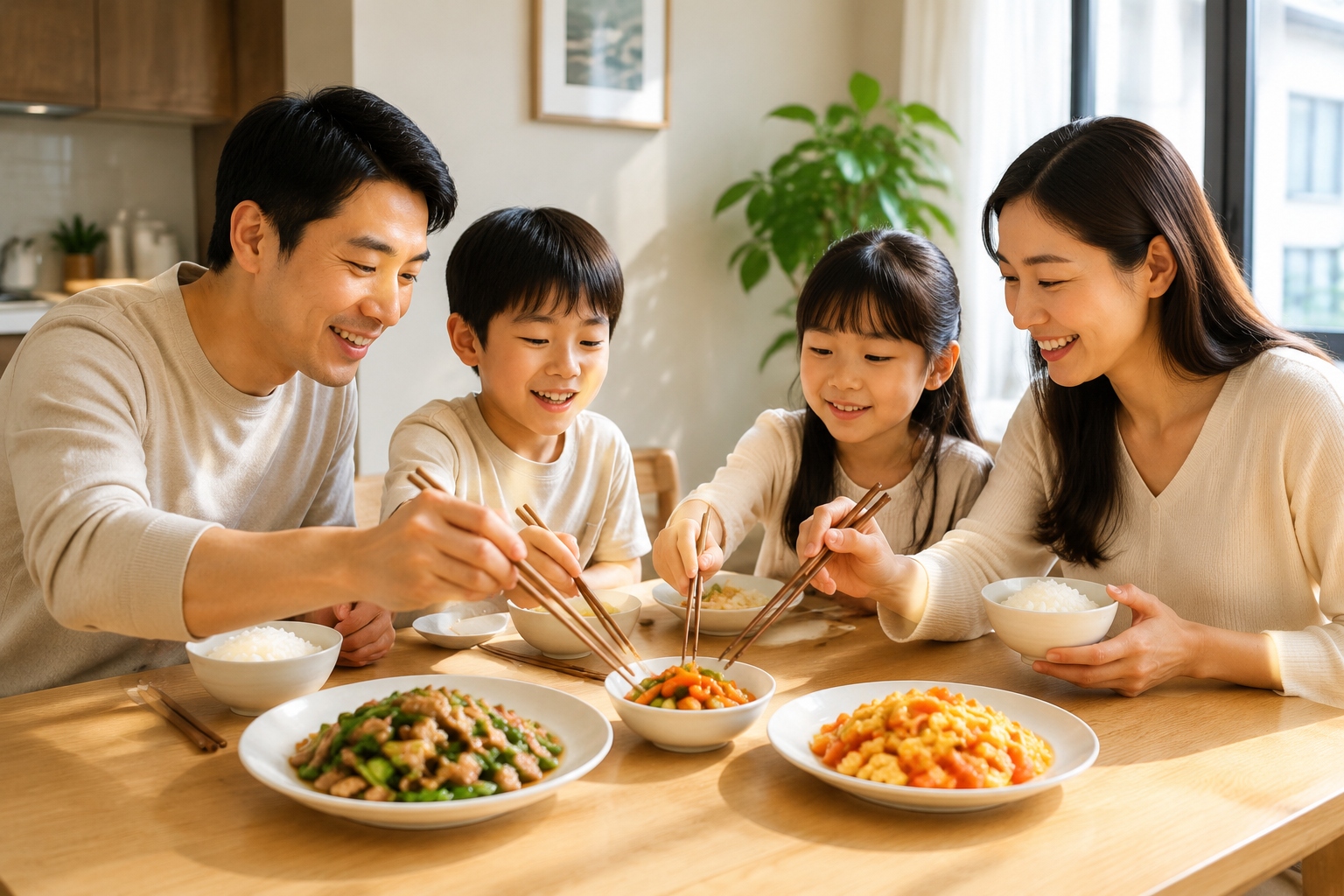
For young professionals living in fast-paced cities like Shenzhen, these preserved foods are more than just ingredients; they are anchors to their roots. A student from the north might crave a specific type of pickled radish that only comes from his hometown, while a colleague from the south reaches for spicy fermented bean paste to spice up a bland lunch.
This shared reliance on fermentation creates a unique cultural bond. It’s a conversation starter at dinner tables across the country. “Have you tried this new brand?” or “My mom made this last week.” These small exchanges reveal a deep appreciation for patience and nature’s chemistry.
In a world of hyper-processed foods, China’s approach to fermentation offers a reminder that sometimes the best flavors come from waiting. It is an art form where time is the most expensive ingredient, and every jar holds a piece of history ready to be eaten.
Start the discussion at forum.chinacomes.com