

The Smell That Says “It’s Summer”
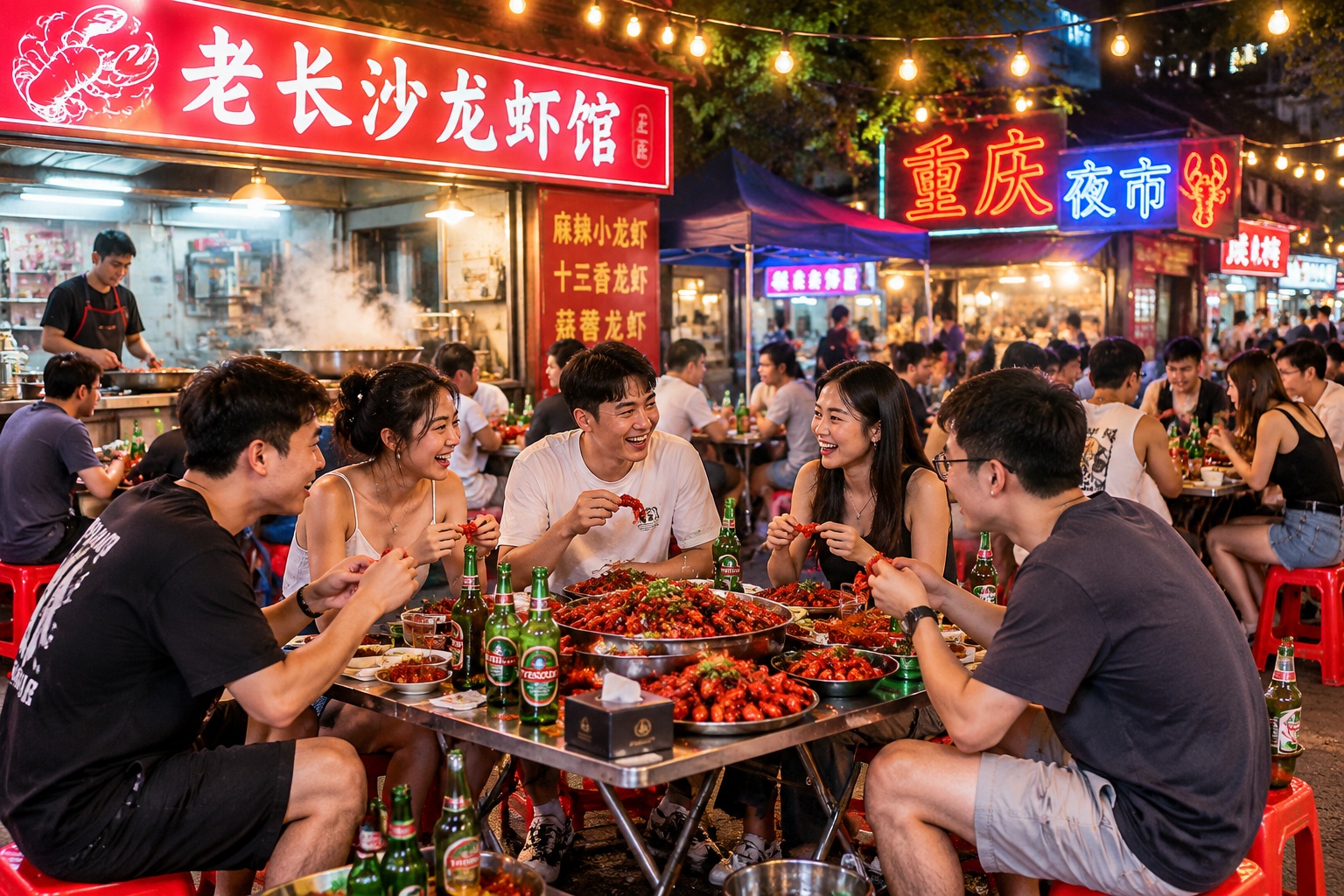
Walk down any street in a Chinese city after sunset, and you might get hit by a wall of aroma. It’s not the smell of expensive perfume or fresh rain; it’s a pungent, spicy mix of garlic, chili oil, and steamed shells. Look around, and you’ll see thousands of people sitting on low plastic stools at folding tables, peeling bright red crustaceans with their fingers, beer in hand.
This is the scene of the “lobster tent” (longxia guan). For millions, this isn’t just dinner; it’s a ritual. Unlike Western lobsters that are often boiled simply to highlight natural sweetness, Chinese crayfish are a culinary canvas for chaos and flavor. They are small freshwater crustaceans, distinct from sea lobsters or crabs, now so ubiquitous they have their own national holiday season.
From Pest to Party Star
It wasn’t always this way. Decades ago, the red swamp crayfish (Procambarus clarkii) was considered an invasive pest in many parts of China, clogging irrigation ditches and damaging crops. Farmers tried to get rid of it. Then, a breakthrough happened in Hubei province: people realized they could farm them successfully.
The logic was simple and brilliant. The crayfish is hardy, grows fast, and eats almost anything. Suddenly, supply skyrocketed. What was once a nuisance became a protein source for the masses. By the 2010s, it had morphed from a local Hubei dish into a national obsession. Today, China produces over a million tons of crayfish annually.
The Flavor Wars: Not Just “Spicy”
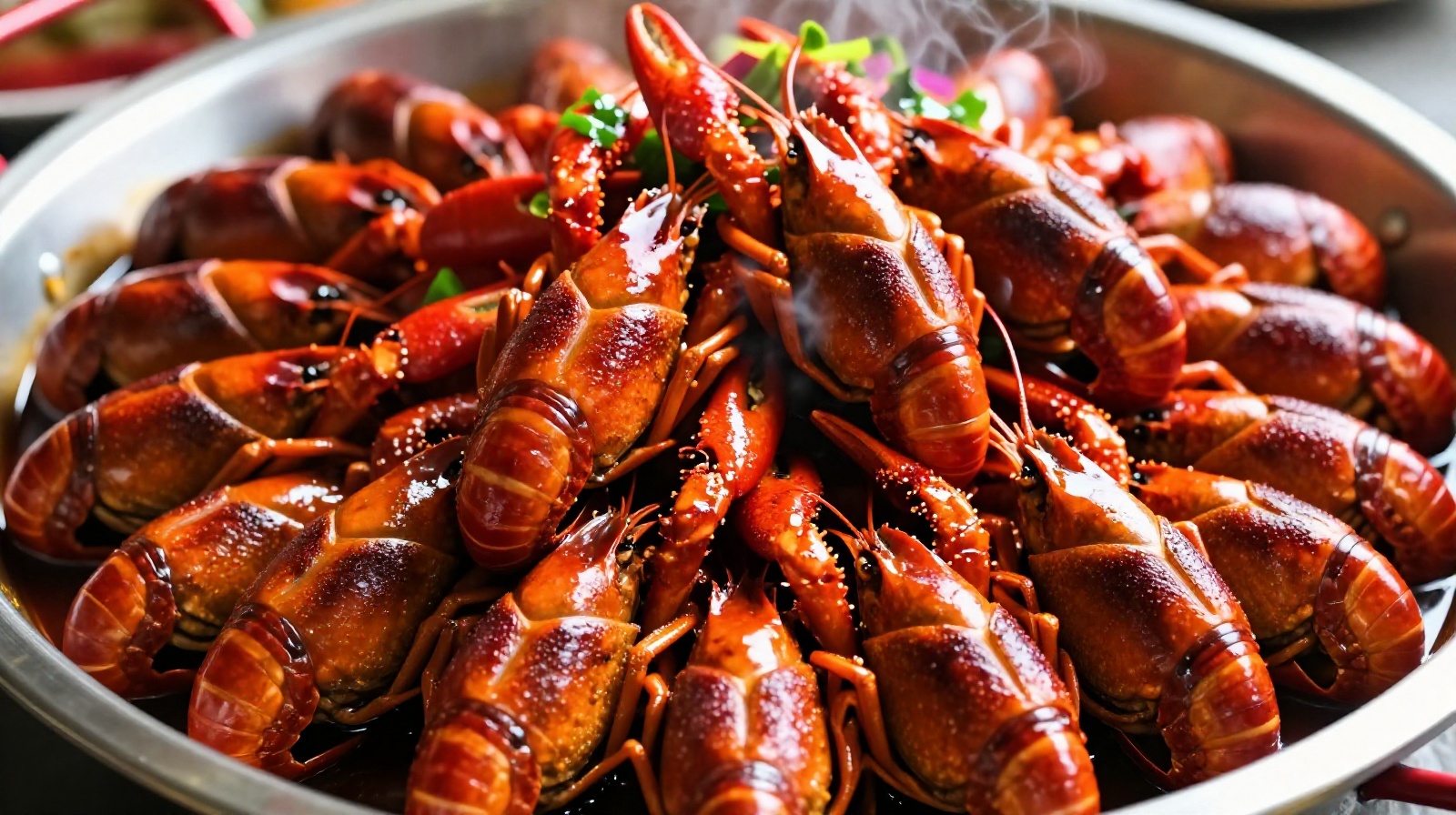
If you think Chinese food is just about being hot and sour, the crayfish scene will humble you. The evolution of flavors has been explosive. It started with Hubei’s classic “Oil-Braised” (Hongshao) style—garlic-heavy and savory.
But then came the innovation. In Shanghai and Beijing, chefs invented “Thirteen-Spice” crayfish, a complex blend that is earthy rather than fiery. In Sichuan, they doubled down on numbing chili oil. Then there are the wild ones: garlic-infused butter sauce, creamy cheese flavors for the brave, or even sweet-and-sour styles.

For young people in their 20s and 30s, choosing a flavor is a personality test. Ordering “original” means you trust your friends to peel them all. Ordering “spicy” means you want to sweat it out. The menu changes with the seasons, but the demand never drops.
The Social Glue: Why We Peel Together
There is a specific rhythm to eating crayfish that defines the experience. You cannot eat them quickly. You have to peel them shell by shell, often getting sauce on your hands and faces. This creates a natural social barrier-breaker.
I spoke with Li Wei, a vendor who has run a stall in Wuhan for 15 years. He laughs about the season: “July and August are our Christmas and New Year combined.” His tables are packed from 8 PM until dawn. But it’s not just about the food; it’s about the freedom.
“In the office, we wear suits and speak politely,” Li says, wiping his hands on a napkin. “Here, at this table, I am peeling shells with my boss. We argue about football or complain about work, but the sauce makes us equal. No one is too important to get messy.” The act of sharing food that requires manual labor creates an instant intimacy.
An Economic Wave in Rural China
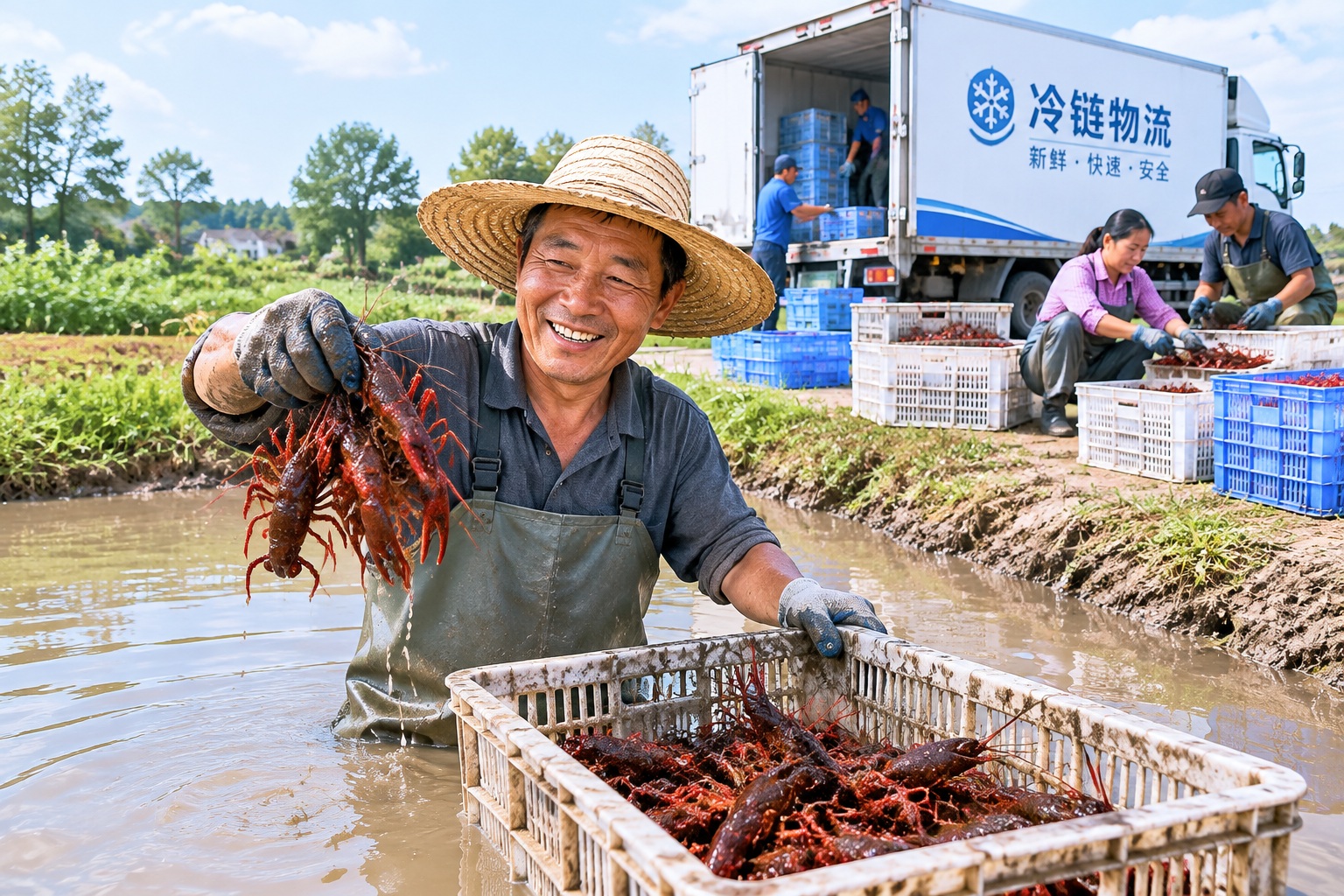
The crayfish craze isn’t just street-level fun; it has reshaped rural economies. Towns like Xuyi in Jiangsu province have turned the crustacean into a brand. They host annual “Crayfish Festivals” that draw tourists from across Asia.
Farming has become a legitimate career path for many young people who used to flock only to big cities. The supply chain is massive, involving logistics for live delivery, packaging, and even frozen ready-to-eat versions found in supermarkets nationwide.
A Summer Night Without Them?
So, what does this tell us about China today? It’s not just a food trend. The crayfish represents a specific kind of modern Chinese joy: accessible, loud, communal, and unpretentious. In a rapidly changing world where life can feel high-pressure and digital, these summer nights offer a physical escape.
It is messy, it is loud, and the smell lingers on your clothes for days. But as long as the summer heat holds, you will find people everywhere, sitting low to the ground, cracking shells, and laughing under the neon lights of the city.
Start the discussion at forum.chinacomes.com