


The Morning Ritual: A Coffee Without Cash
In a bustling Beijing neighborhood, the morning sun hits the pavement. Li Wei, a 34-year-old graphic designer, walks into his usual coffee shop. He doesn’t reach for his wallet. There is no card machine to plug in, no coins to count. Instead, he pulls out his smartphone, opens WeChat or Alipay, and scans a static QR code pasted on the counter. Beep. The transaction is done in under three seconds. He grabs his latte and walks out.
To a foreign visitor from New York or London, this might seem like a neat trick, a temporary gimmick for tourists. But Li Wei’s experience is not an outlier; it is the norm. In China, physical cash has effectively disappeared from daily life. This shift represents more than just a change in payment methods; it is the invisible infrastructure that powers modern Chinese society.
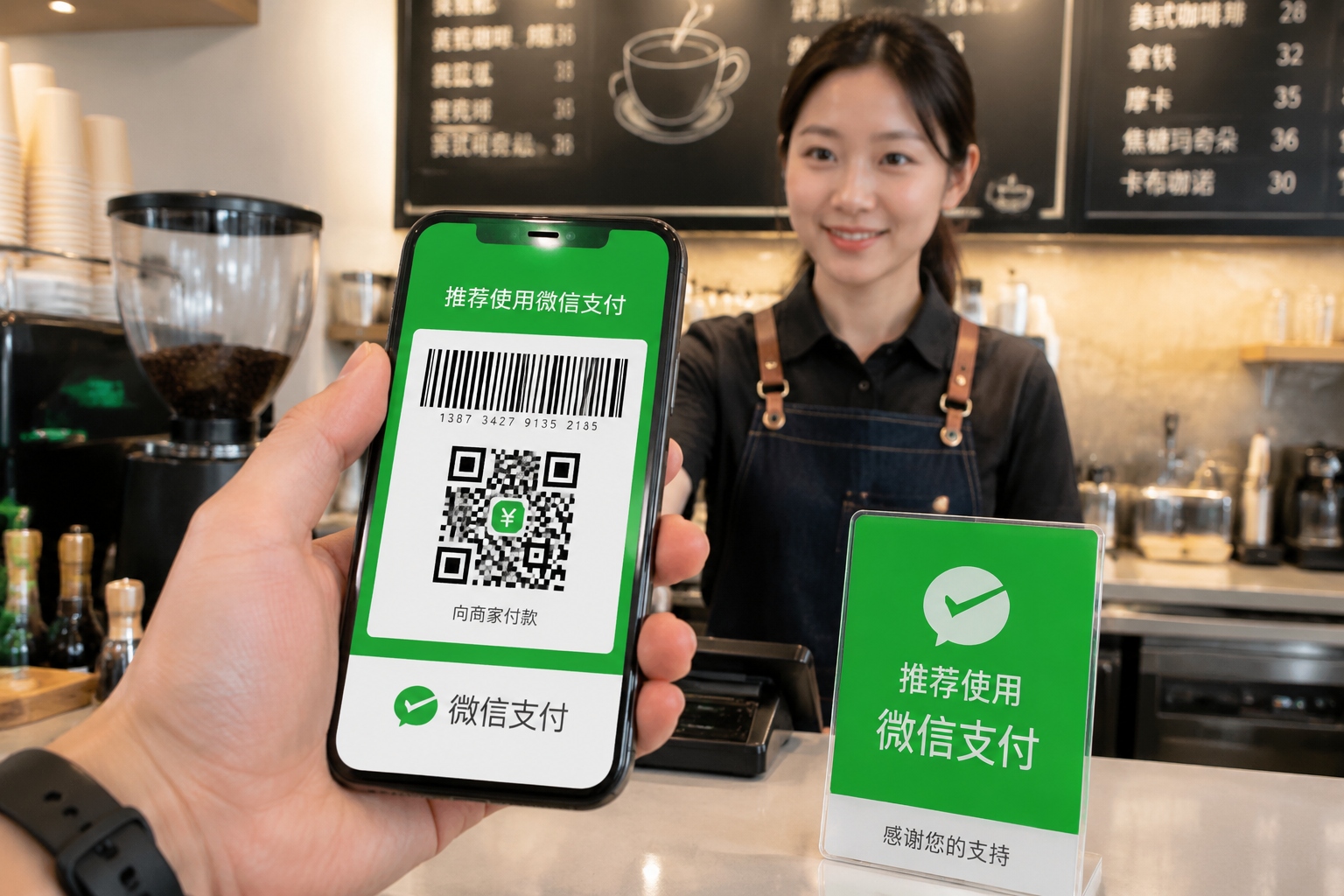
From Marketing Gimmick to Public Infrastructure
The story of QR codes in China began around 2015, sparked by fierce competition between tech giants Alipay and WeChat Pay. Initially, these scannable codes were marketing tools used to offer discounts or collect coupons. However, the speed at which they spread was unprecedented.
By 2024, the dynamic has shifted completely. In Western cities like New York, cash and credit cards remain dominant for a reason: legacy banking systems and consumer habits are deeply entrenched. But in China, the transition happened so rapidly that it became the default layer of daily life. A street vendor selling dumplings, a taxi driver navigating traffic, or a hospital receptionist checking you in all operate on this same digital grid.
The efficiency is staggering. In the US or Europe, a merchant might need to wait for a card terminal to process a transaction, often dealing with connectivity issues. In China, the entire economy runs on a frictionless loop where money moves instantly between individuals and businesses without physical barriers. This isn’t just about speed; it’s about accessibility.
Life Without a Wallet: A Day in the Life
To understand daily life in China, one must observe how deeply this technology has penetrated every corner of existence. It is not limited to buying groceries at a supermarket. Imagine needing an umbrella during a sudden rainstorm in Shanghai. You don’t need cash for that either; you scan a code on the rental kiosk, and the umbrella appears instantly.
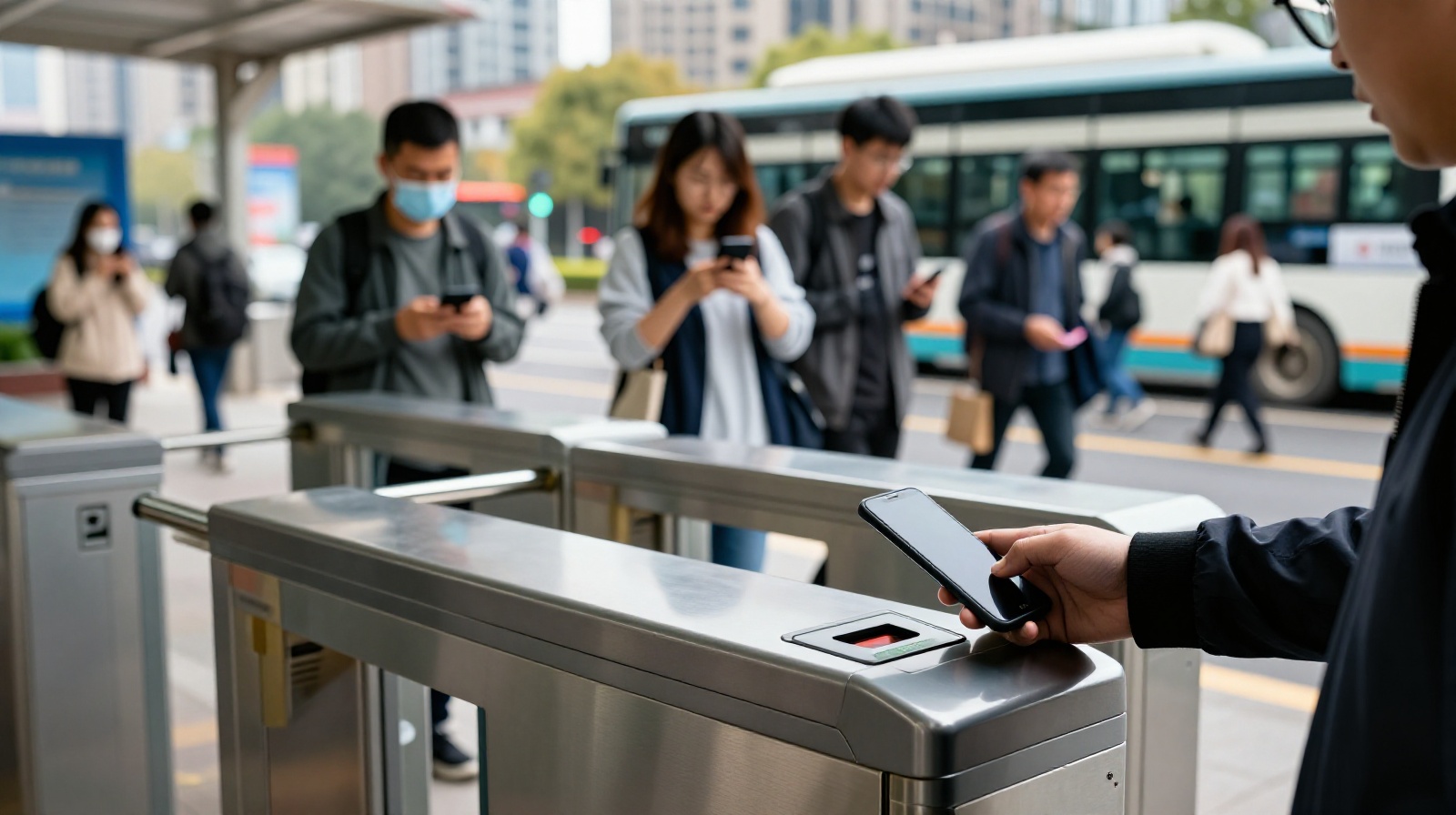
The reach extends even further. Public buses in tier-1 cities accept QR payments directly at the gate. In rural areas, farmers sell their produce by scanning codes from city buyers. Even paying for parking or tipping a delivery driver is done with a tap on a screen.
But how do ordinary people feel about this? “It’s just easier,” says Zhang Min, a 68-year-old grandmother in Shanghai who recently learned to use her smartphone under the guidance of her grandchildren. She used to carry a small bag of coins and worry about losing cash. Now, she pays for her vegetables and subway fare with her phone, feeling more secure because there is nothing to lose physically.
Conversely, tech-savvy students like Chen, a university senior in Hangzhou, view it as the only logical way to live. “Why carry heavy cards or bills when your entire life history—payments, tickets, IDs—is in your pocket?” Chen asks. For this generation, carrying physical money feels archaic.
The Hidden Cost and Social Dynamics
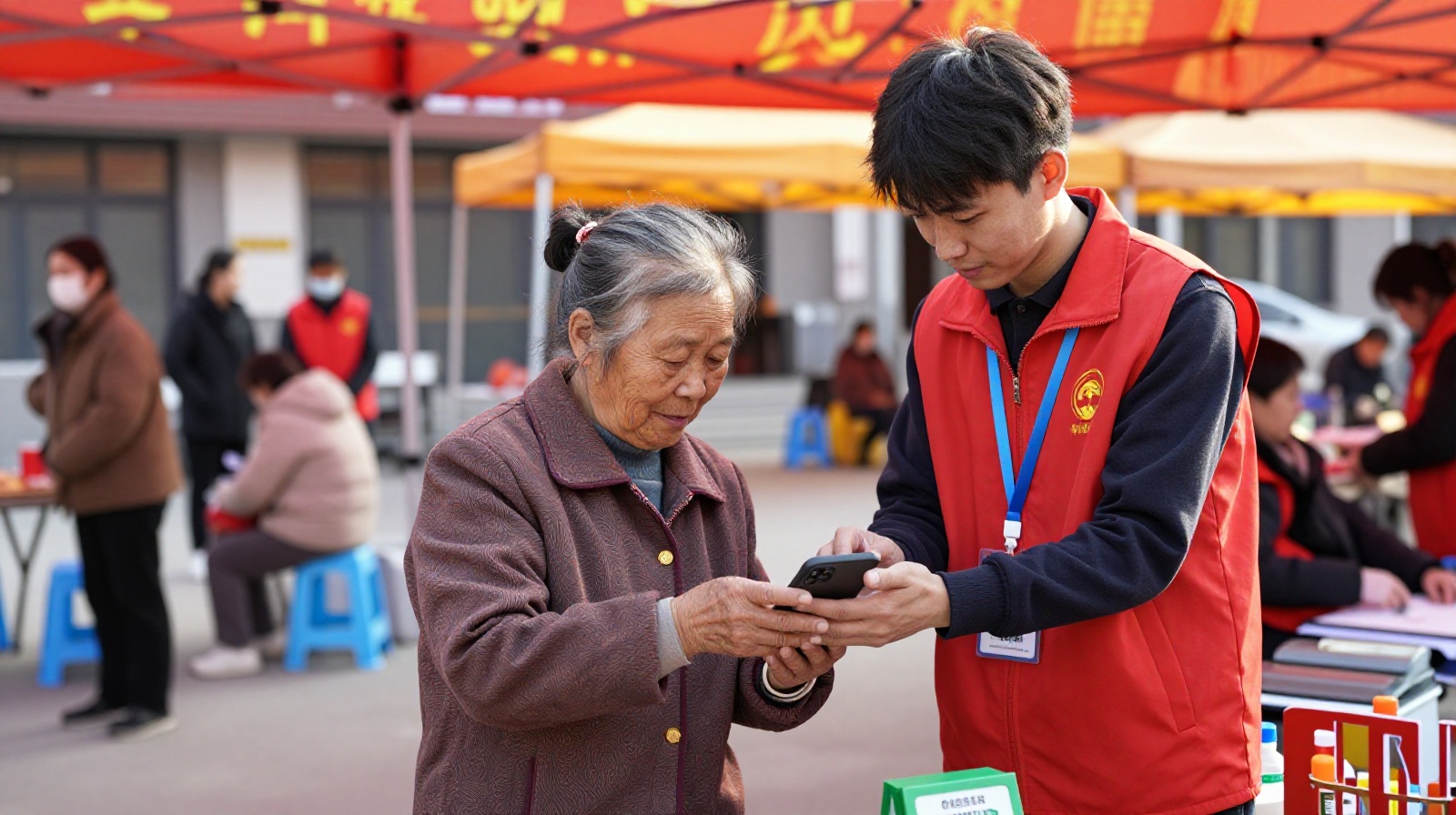
Despite the seamless experience, the transition has not been without its complexities. The most significant concern is the digital divide. While smartphones are ubiquitous among young people, the elderly or those in remote regions sometimes face barriers. In response, many cities have introduced “assisted scanning” services where staff help those who cannot use devices, and some public counters still accept cash as a legal requirement, even if rarely used.
Privacy is another topic of discussion. Unlike in the West, where consumers are often skeptical about data collection by corporations, Chinese users have shown a distinct willingness to trade a degree of privacy for immense convenience. The trust placed in platforms like WeChat and Alipay is profound; they are not just payment apps but comprehensive ecosystems that manage social life, healthcare records, and government services.
Technology Serving People
The ubiquity of QR codes in China tells a story of digital infrastructure evolving to meet human needs. It is not merely a corporate strategy to make profit; it is a societal adaptation that has redefined efficiency. When a society can move from a transaction to the next without any physical friction, resources are saved, and life flows faster.
For outsiders looking in, the question isn’t just “How do they pay?” but “What does this mean for the future of commerce?” China’s cashless society demonstrates that when technology integrates seamlessly with public services and daily routines, it can transform a nation’s operational rhythm. As other countries grapple with their own digital transitions, the Chinese model offers a unique case study: one where the infrastructure becomes so invisible, you don’t even notice it until you try to pay with paper money.
Start the discussion at forum.chinacomes.com