

The Edge of the Wasteland
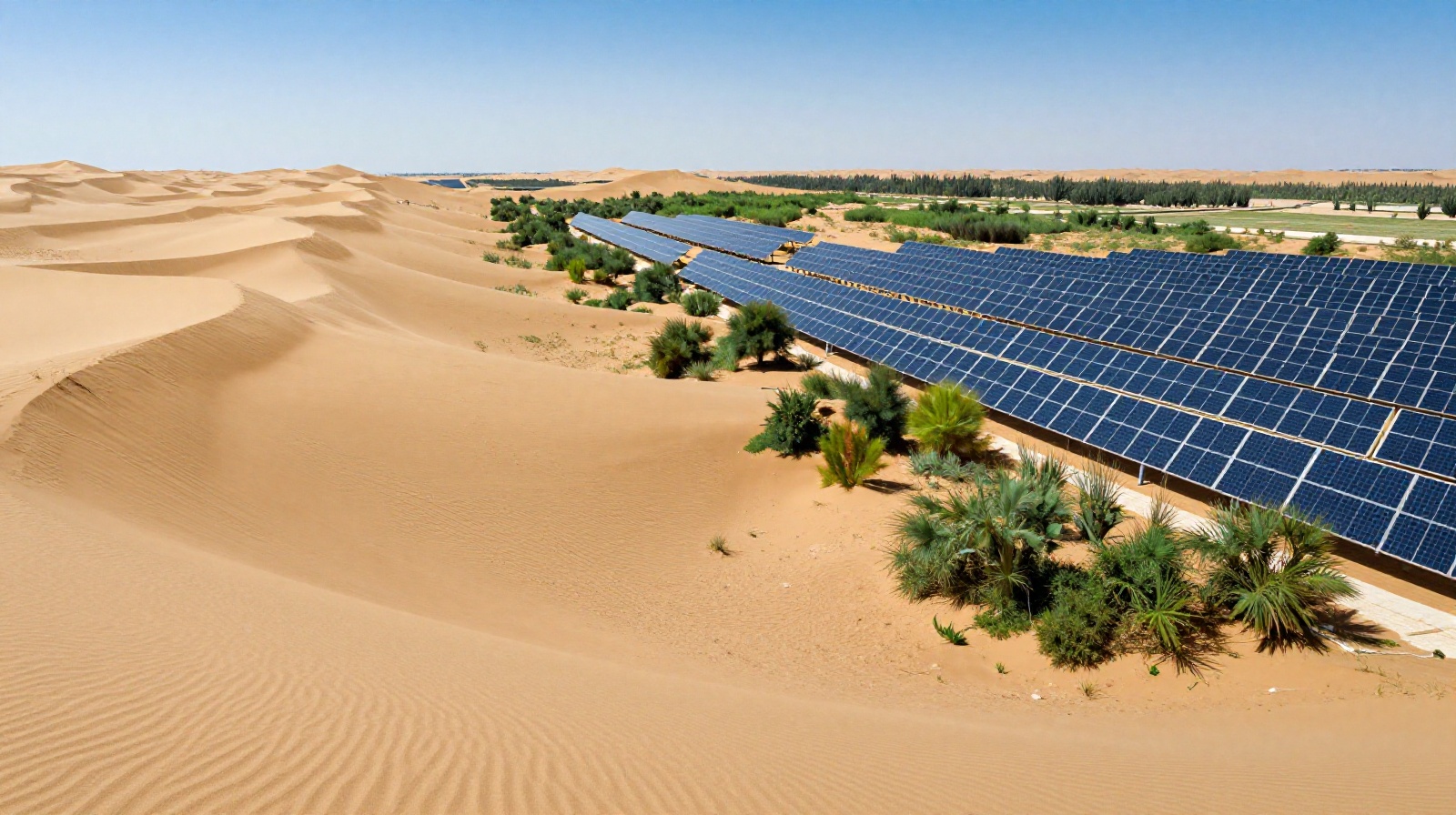
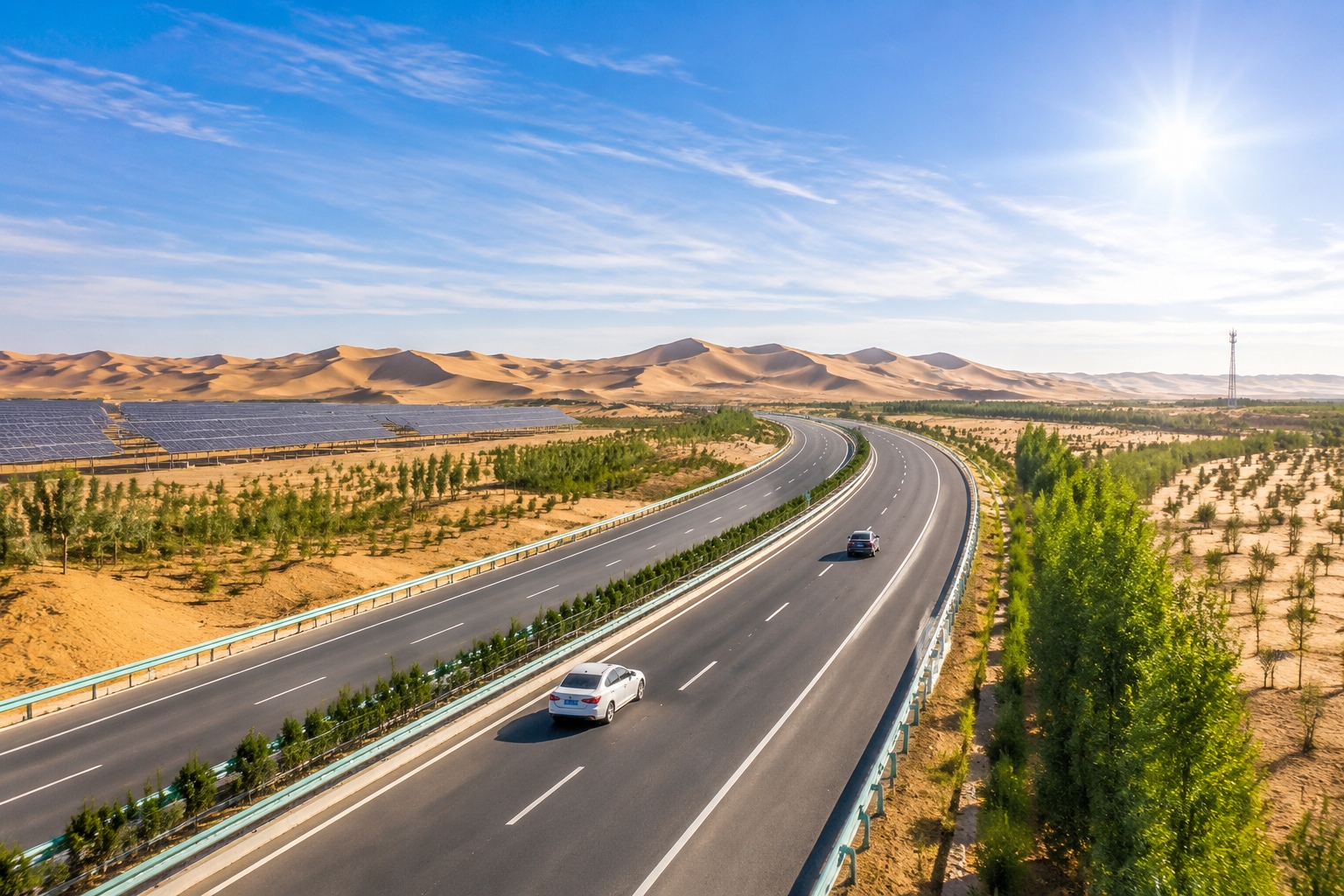
When you drive out of Yinchuan, the capital of Ningxia, into the Alxa Plateau, the landscape shifts abruptly. Within hours, the green fields vanish, replaced by a sea of golden sand that stretches to the horizon. For decades, this was the Kubuqi Desert—a place where wind stripped soil, water evaporated instantly, and survival meant constant migration.
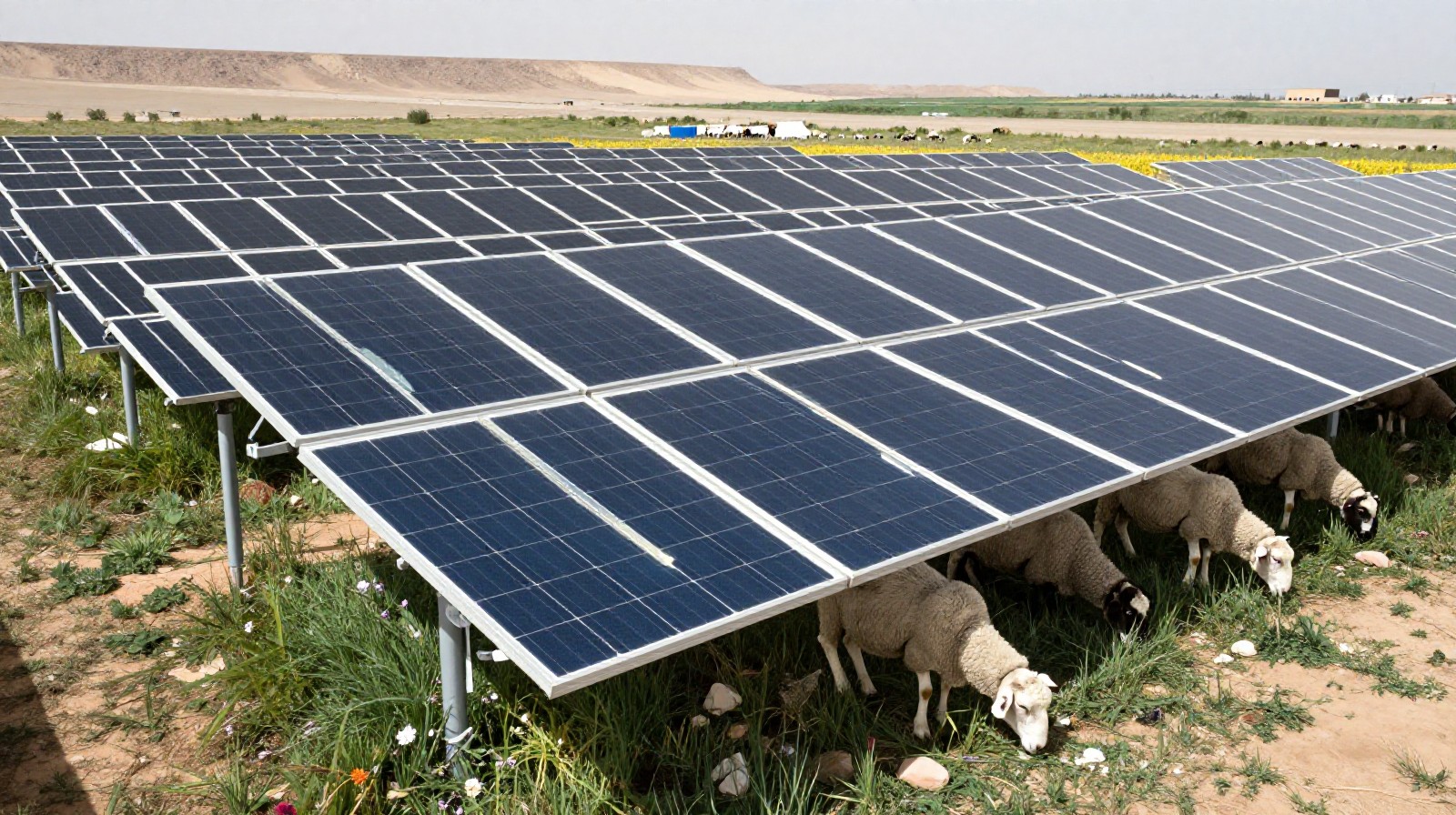
But drive just a few kilometers off the main highway now, and the view changes again. Where there were once only dunes, you see rows of dark green shrubs. Further in, vast solar panels gleam under the sun like black oceans, while beneath them, sheep graze peacefully. This is not a scene from a futuristic movie; it is the daily reality of Kubuqi, a 60-year project that has transformed one of China’s most hostile environments into a model of ecological restoration.
From Nomads to Guardians
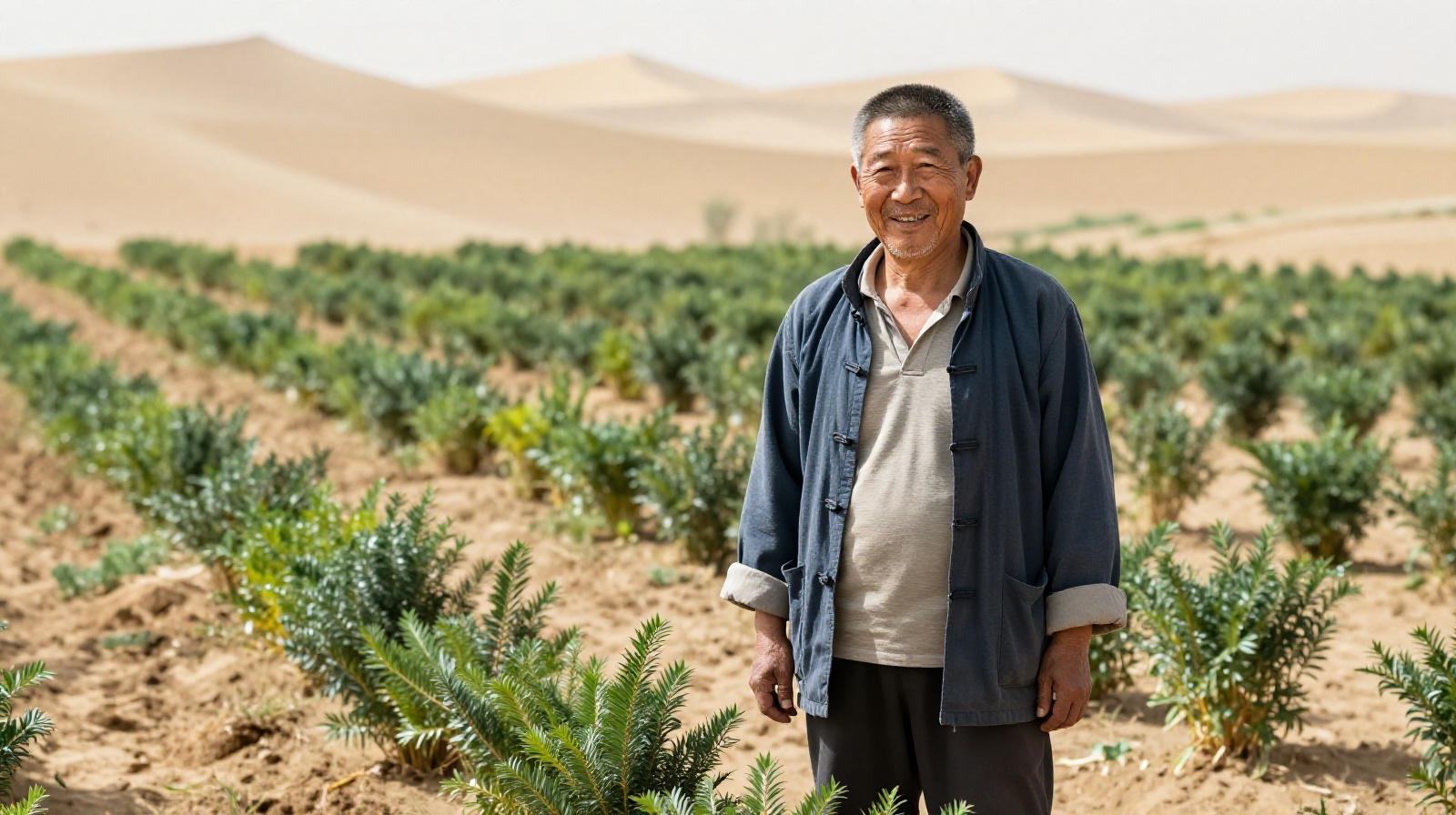
The transformation didn’t happen through government decrees alone. It required the people living there to change their way of life. Take the story of Zhao, a former herder from Ordos city on the edge of Kubuqi.
In the 1980s, Zhao’s family relied entirely on livestock. But as the desert expanded, grasslands disappeared. “We used to move our tents every day looking for water,” he recalls. “Now, my children go to school in a town built right where the sand used to be.”
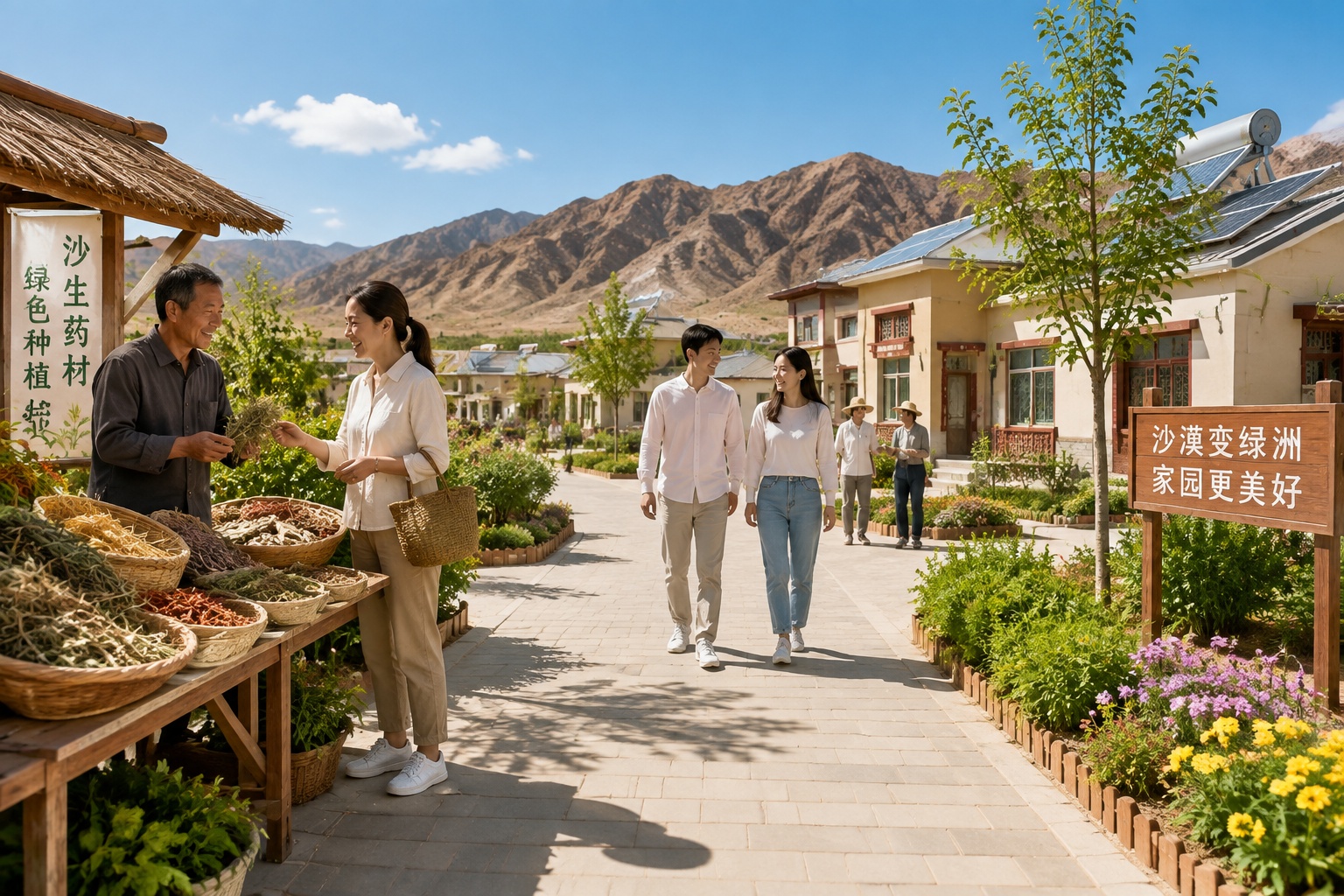
Zhao and thousands of others were recruited by local initiatives that paid them not just to plant trees, but to maintain the ecosystem. They transitioned from nomadic herders to forest farmers. Today, they earn steady incomes managing solar farms, harvesting medicinal herbs like safflower, and guiding eco-tourists through reforested areas.
Tech Meets Sand
Planting trees in a desert is hard work, but doing it efficiently requires innovation. Kubuqi has become a testing ground for green technology that might seem out of place in such an arid environment.
Drones now map the terrain and plant seeds with precision, dropping pods into cracks where rainwater collects. In areas too harsh for traditional planting, engineers use “sand fixation” techniques—creating artificial barriers to trap wind-blown sand until vegetation can take hold.
Perhaps the most visible symbol of this shift is the solar industry. The desert floor, once a barrier to agriculture, is now a power plant. Solar panels are installed in large grids. Underneath them, moisture is retained, allowing grass and herbs to grow. This “solar plus agriculture” model generates electricity for nearby cities while creating microclimates that support local farming.
A New Economy Rising
The true measure of success isn’t just the green coverage; it’s the economic shift. Kubuqi has moved beyond mere survival to building a sustainable economy based on its restored land.
Local companies now process medicinal herbs and essential oils extracted from desert plants, selling them globally. Tourism is another pillar. Visitors come not just to see the trees, but to experience the “desert resort” concept—glamping in tents made of local materials, hiking through reforested corridors, and learning about the history of sand control.
According to official data, over 30% of the desert area has been restored. This restoration supports a green industry chain that employs tens of thousands of locals, lifting many out of poverty without relying on traditional, resource-heavy industries.
Daily Life in the Oasis
Walking through a village like Dalad Banner today feels less like visiting a remote frontier and more like stepping into a modern Chinese town. There are paved roads, clean water systems, and well-equipped clinics.
In the local schools, children learn not just math and literature but also environmental science. The community centers host workshops on sustainable farming practices. The air is cleaner than it was thirty years ago; the dust storms that once buried villages have become rare events.
This shift in daily life reflects a broader philosophy: development does not have to mean destruction. By integrating technology, local knowledge, and economic incentives, Kubuqi shows that nature can be an asset rather than a threat.

What the World Can Learn
The Kubuqi story challenges the old assumption that you must choose between economic growth and environmental protection. It proves that with patience, innovation, and community engagement, even the harshest deserts can be tamed.
For global observers, Kubuqi offers a concrete example of how China approaches ecological restoration—not as a top-down mandate, but as a bottom-up movement driven by local needs and technological adaptation. It is a reminder that in the 21st century, the most valuable resource might not be oil or gas, but the ability to turn sand into soil.
Start the discussion at forum.chinacomes.com