

A Walk Through History: Where the Past Meets the Future
Stand in the narrow alleyway of a typical Beijing neighborhood known as a lao xiao qu, or old residential quarter. The air smells faintly of cooking oil and damp concrete. Here, peeling paint reveals decades of history, and 5-story walk-up apartments lack elevators, forcing elderly residents to climb steep stairs with grocery bags in hand.
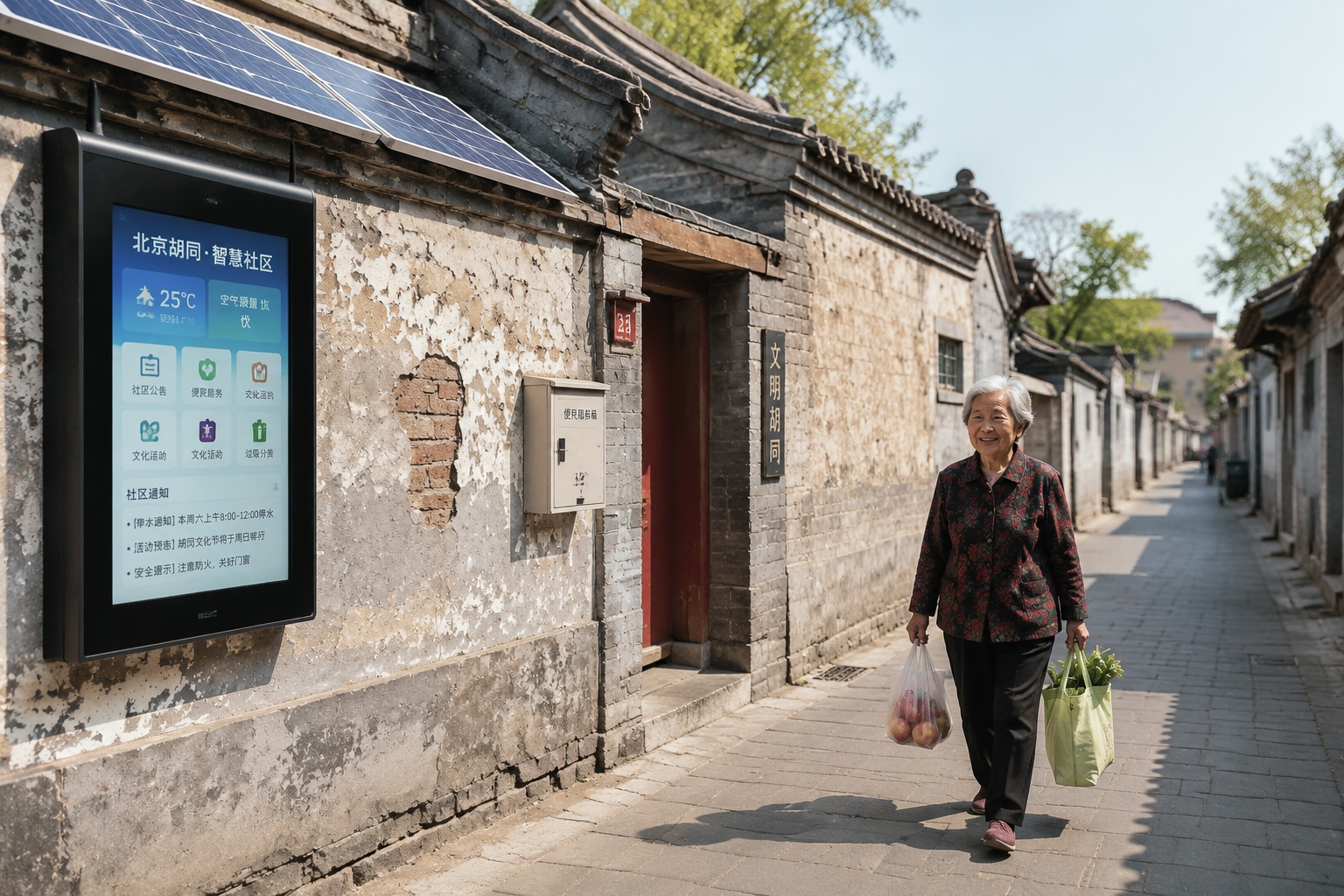
Yet, turn the corner near a small vegetable stall, and you see a stark contrast. A young woman taps her phone to open a smart gate. Inside, solar panels glint on a renovated roof, and a digital screen displays community news alongside weather updates.
This isn’t a movie set or a high-tech business district. This is the daily reality of millions of Chinese citizens living in neighborhoods built 40 years ago. While global media often focuses on China’s futuristic skylines, a quieter, more profound transformation is happening right here: the ‘smart’ renovation of aging communities.
The Invisible Overhaul: Fixing the ‘Body’ First
Before installing sensors or apps, the priority in these renovations is fixing the physical infrastructure that modern life demands. In many lao xiao qu, water pipes burst annually, sewage systems are clogged with decades of sludge, and insulation is non-existent, leading to freezing winters and sweltering summers.
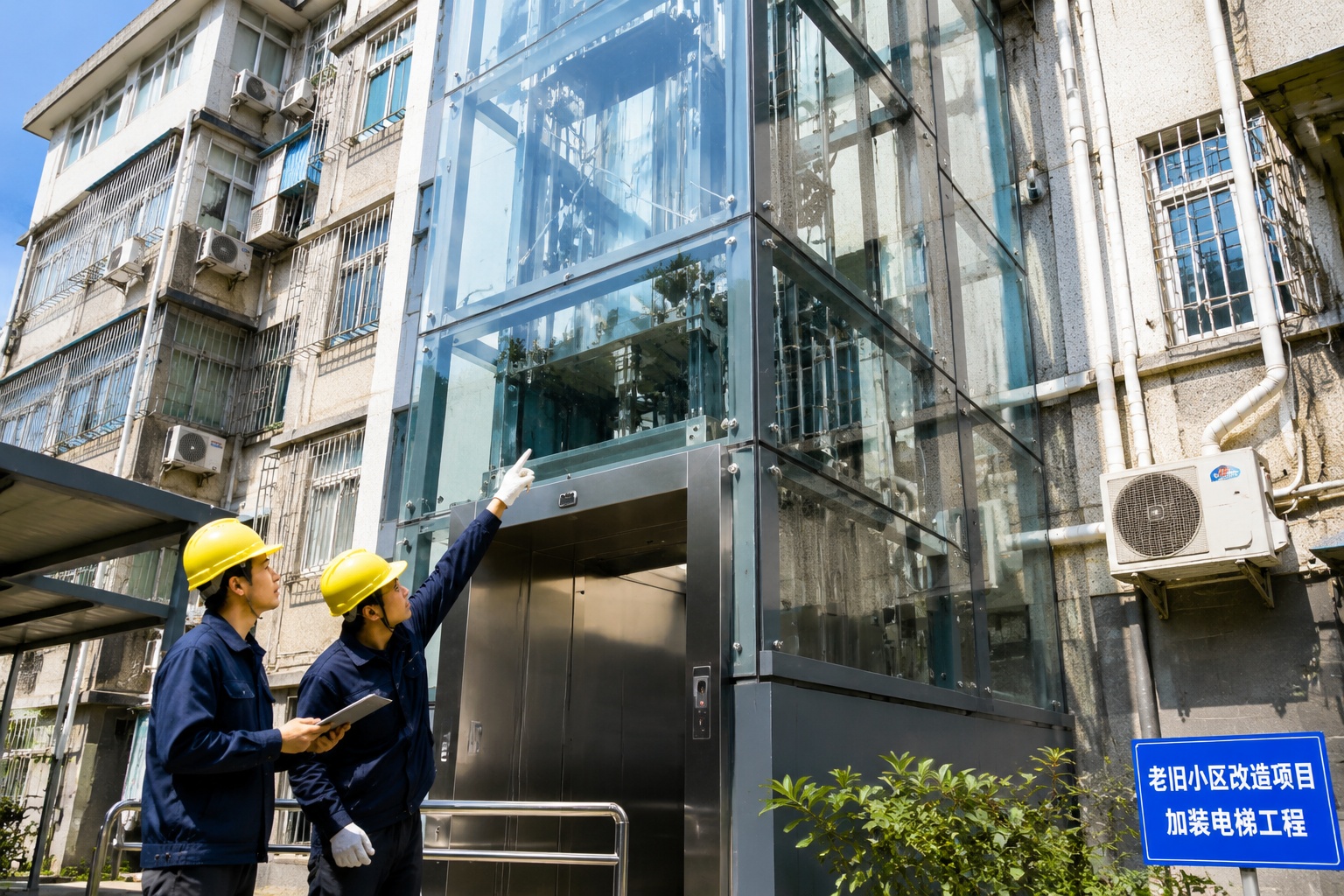
The ‘smart’ upgrade begins with a massive, invisible overhaul. Walls are retrofitted with thermal insulation to cut energy costs by up to 30%. Open drains are replaced with modernized sewage systems that smell less and flow better. Perhaps most critically for the elderly, elevators are being installed in buildings that previously had none.
Consider the story of Li Wei, a 72-year-old retired teacher living in Shanghai’s former French Concession district. For decades, she avoided her third-floor apartment during heavy rains due to leaks and feared climbing stairs after knee surgery. Last year, her building was part of a government-subsidized renovation pilot. The pipes were replaced, the facade was insulated, and an elevator shaft was added.
Now, Li Wei says, ‘I can finally carry my groceries home without stopping every ten steps.’ This shift wasn’t just about aesthetics; it was about dignity and safety. By 2023, China had renovated over 50,000 such communities, directly benefiting more than 80 million residents.
The Digital Pulse: Smart Tech in Everyday Life
Once the physical shell is fixed, technology steps in to streamline daily management. In these new ‘smart’ neighborhoods, the smartphone has become a virtual community manager.
In many districts, residents use a single WeChat mini-program or a dedicated app to handle everything from paying property fees to reporting a broken streetlight. A recent case study in Hangzhou showed that digital platforms reduced repair response times from three days to under four hours.
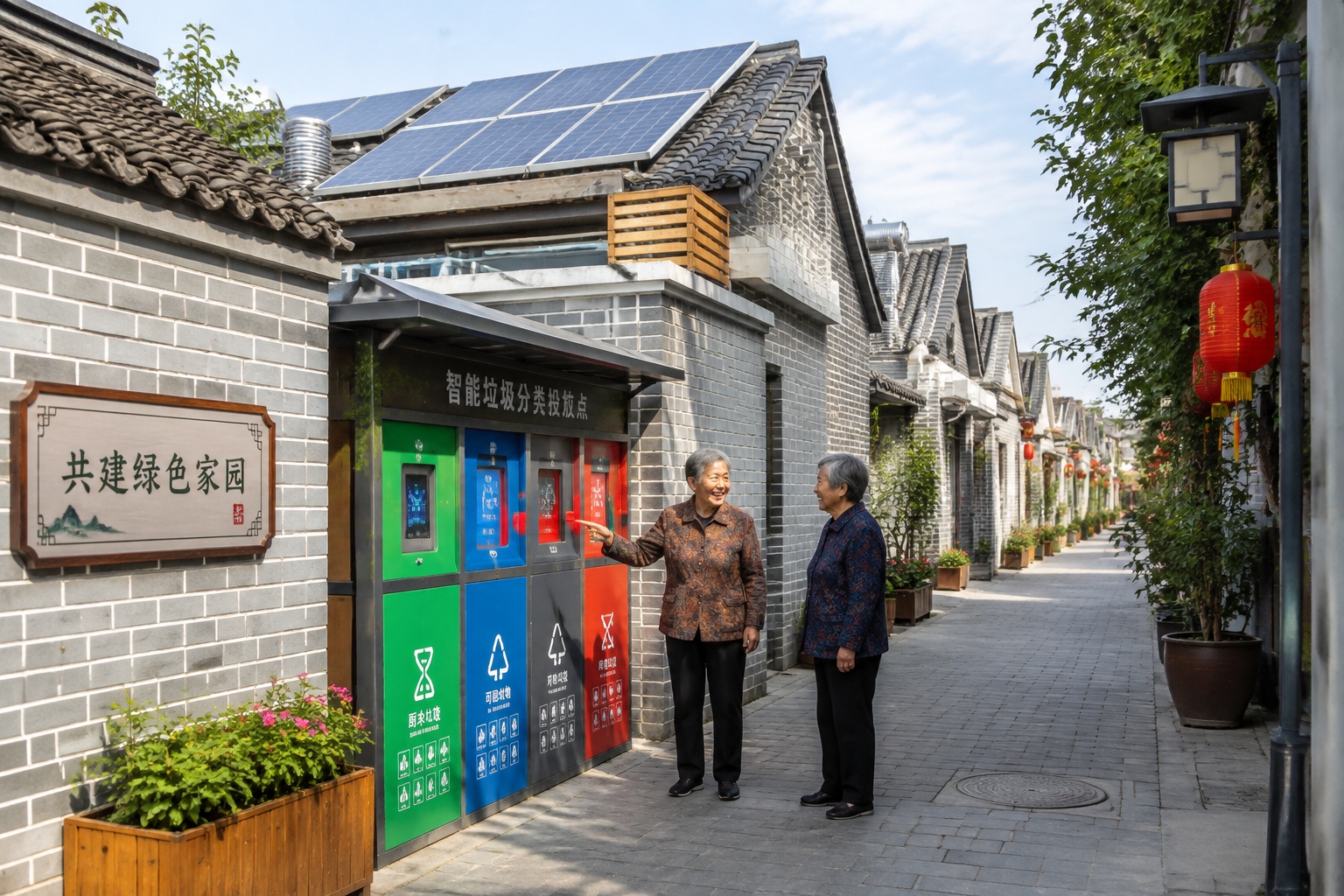
Security has also evolved. Old wooden gates have been replaced by facial recognition turnstiles that unlock instantly for residents, reducing the need for physical keys or fobs. At waste disposal points, smart bins use AI cameras to sort trash automatically—identifying recyclables and rewarding users with digital points redeemable for daily necessities.
Even for those less comfortable with technology, the system is designed to be inclusive. In a community in Chengdu, tech-savvy youth volunteers were recruited to teach seniors how to use these apps. One grandmother, Wang, now uses her phone to order vegetables and track her grandson’s location, saying, ‘I feel like I live in 2024, not the past.’

The Social Fabric: Governance Reimagined
True innovation isn’t just about gadgets; it’s about giving people a voice. The renovation of old neighborhoods has shifted governance from top-down mandates to resident-led decision-making.
Gone are the days when decisions were made solely by distant officials. Today, ‘democratic consultation meetings’ are held in community centers where residents vote on how funds are spent. In Beijing’s Dongcheng District, neighbors recently voted to convert a crumbling storage room into a shared laundry and drying area, rather than using the money for new signage.
Local volunteers, often retired teachers or engineers from within the neighborhood, now manage these spaces. They use data collected by the smart systems—like energy usage patterns or waste sorting rates—to propose improvements. This sense of ownership has reduced vandalism and increased community pride.
The goal is to create a ‘living organism’ where technology serves social cohesion rather than replacing human connection. When neighbors meet at the new smart waste station, they don’t just dump trash; they chat about local issues, fostering a renewed sense of belonging in areas that were once isolated by age and neglect.

A Model for the World?
As cities globally face the challenge of aging infrastructure, China’s approach offers a unique perspective. It suggests that modernization doesn’t require bulldozing history or displacing long-term residents.
By combining physical rehabilitation with digital integration and social empowerment, these old neighborhoods are becoming more livable than ever before. They prove that ‘smart’ cities aren’t just about flying cars in the sky; they’re about elevators for grandmothers, clean water in pipes, and a sense of community that survives the test of time.
For the world watching, these Chinese neighborhoods offer a lesson: The future isn’t just built with steel and glass. It’s built by upgrading the spaces where people actually live, ensuring that progress leaves no one behind.
Start the discussion at forum.chinacomes.com