

The 6:45 AM Departure
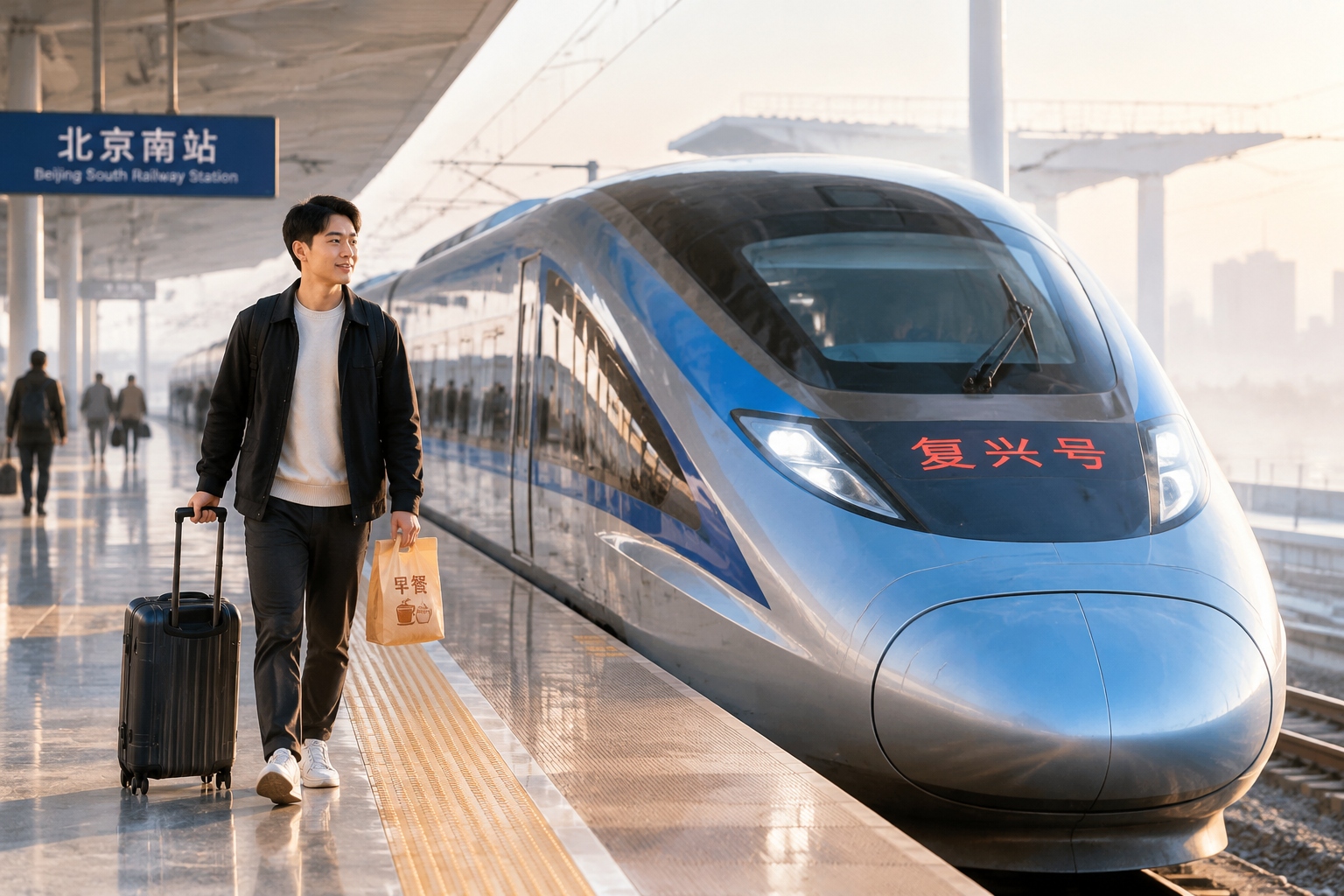
The air in Beijing South Station at 6:45 AM is cool and smells faintly of roasted peanuts from a nearby vendor. I am standing on the platform, clutching a plastic bag with a warm baozi (steamed bun) and a cup of soy milk. My phone buzzes—a reminder that my train to Shanghai departs in ten minutes. There are no long security lines here; just a smooth scan of an ID card at the gate.
This is not a scene from a sci-fi movie. It is Tuesday morning, 2024. The bullet train, known as the Fuxing (Rejuvenation) series, glides silently into the station. Inside, the carriage is spotless. I settle into my seat by the window, watching the cityscape blur past—cranes, high-rises, and construction sites that seem to appear overnight.
Shrinking Distance, Expanding Opportunities
Four hours ago, I was in Beijing. Now, I am having lunch in Shanghai. The G-series trains connect China’s economic heartlands at speeds up to 350 kilometers per hour (217 mph). For context, that is faster than most commercial airplanes can fly once you factor in airport security and travel time to the terminals.
For ordinary Chinese people, this isn’t just about speed; it’s about life choices. A worker in Suzhou can live there but work in Shanghai every day. A family can visit grandparents in a different city on a weekend without needing an overnight stay. The high-speed rail network has effectively turned two cities that are 1,200 kilometers apart into neighbors.
The cost is equally striking. A one-way ticket between Beijing and Shanghai often costs around 665 RMB (roughly $92 USD), which is comparable to the price of a long-distance coach or a short-haul flight when you consider the convenience. This affordability has democratized travel across the country.
The Mobile Office on Wheels
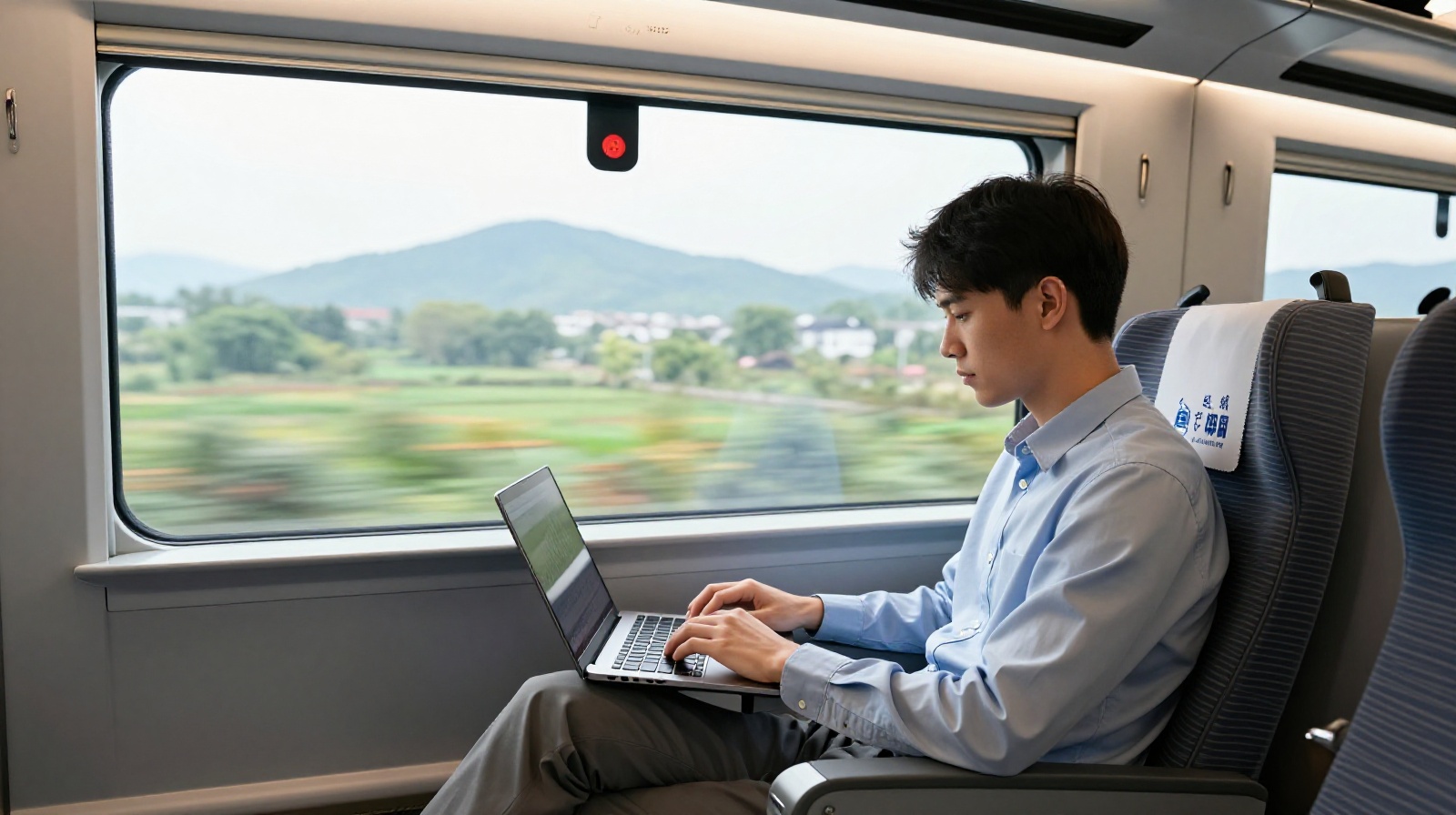
Look around the carriage, and you will see a typical day for millions of Chinese professionals. The seats are spacious, with power outlets under every armrest. Laptops are open, tablets are in use, and people are sipping coffee while typing away.
The Wi-Fi is free and surprisingly robust, allowing video calls without interruption. This transforms the train into a mobile office. I sit next to a young software engineer who tells me he commutes from Hangzhou to Shanghai for client meetings three times a week. “I used to think moving cities was necessary for my career,” he says. “Now, I can keep my life in Hangzhou and just take the train.”
The experience is quiet. Unlike the clatter of older trains or the chaos of domestic flights, the high-speed rail offers a level of comfort that feels modern and reliable. The temperature is regulated perfectly, and the ride is so smooth that you can balance a full cup of water on the table without spilling.

A Network That Connects
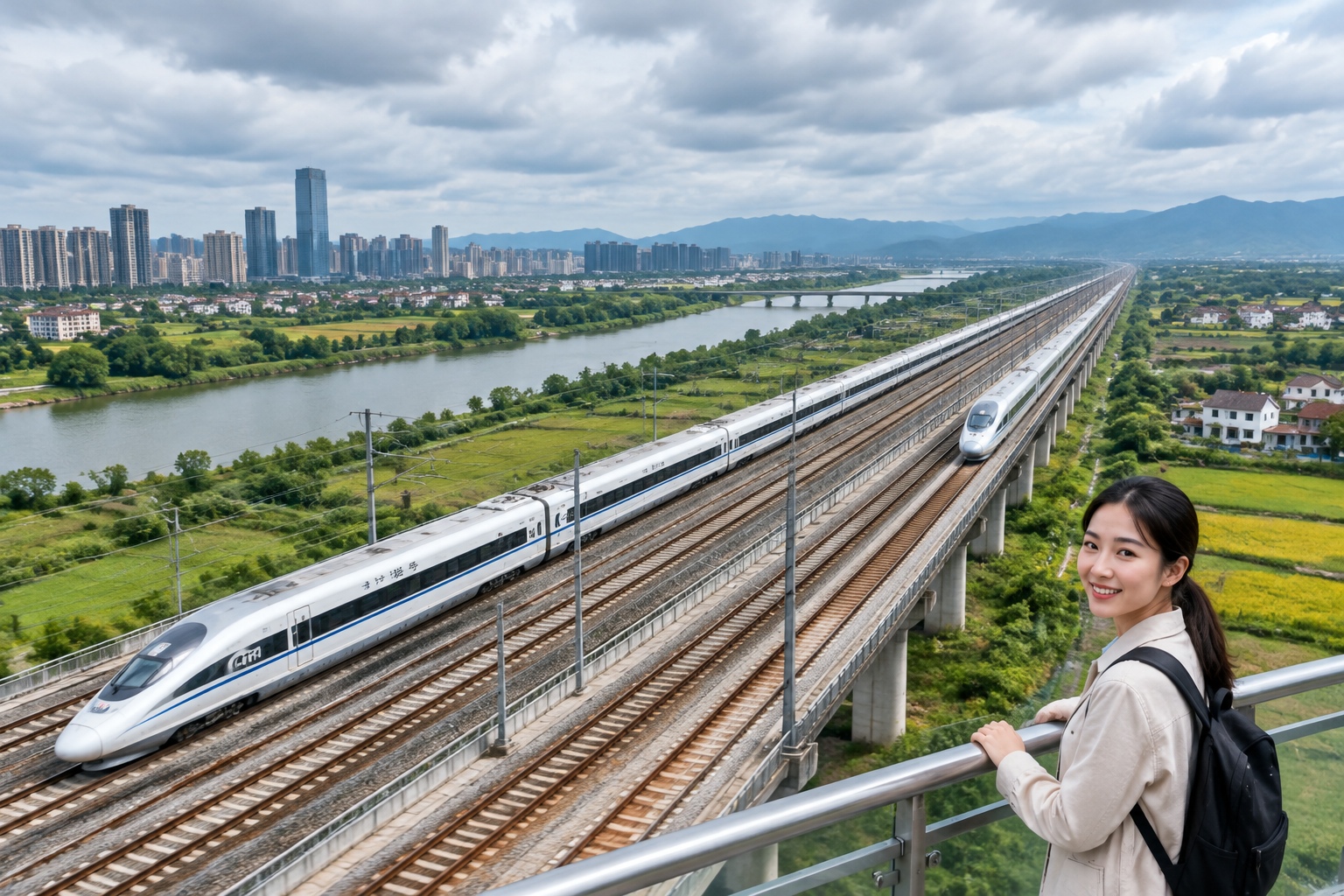
The scale of this infrastructure is hard to grasp until you stand in front of it. China has built over 45,000 kilometers of high-speed rail track—more than the rest of the world combined. This network was not built overnight; it took decades of planning and investment, but the result is visible in every station from Beijing to Chengdu.
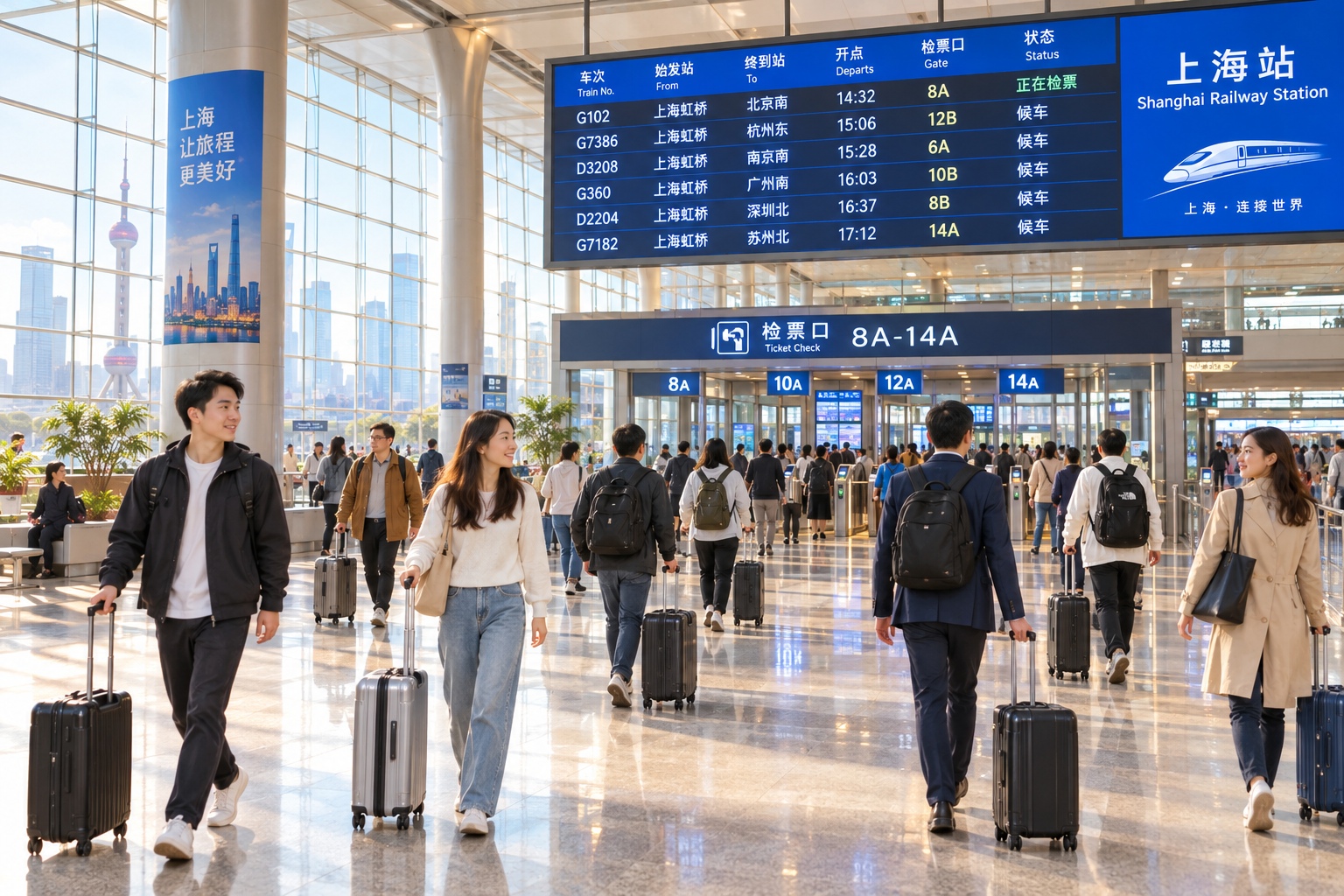
The stations themselves are architectural marvels, often serving as new landmarks in cities that were once defined by their history. They are hubs of commerce, with shopping malls, hotels, and transit links seamlessly integrated. For a traveler arriving in Shanghai after such a long journey, the transition to the city feels instantaneous.
But beyond the steel and concrete, there is a human element. The train is filled with students heading home for holidays, farmers taking their produce to markets, and elderly people visiting family. It is a moving snapshot of China’s daily rhythm.
The Reality Check
Of course, this isn’t without its challenges. During peak travel times like the Spring Festival, tickets can be as hard to get as concert stubs, and trains are packed tight. The system requires constant maintenance and high energy consumption, which is a topic of ongoing discussion regarding sustainability.
Yet, for the average person living in these cities, the benefits are tangible. It has reshaped how we work, where we live, and who we can see. It has made the vast country feel small, not by shrinking the map, but by making the journey between points so fast that distance no longer dictates our choices.
As the train pulls into Shanghai Hongqiao Station, I grab my bag and step out onto the platform. The clock says 10:30 AM. Breakfast in Beijing is a memory; lunch in Shanghai is waiting.
Start the discussion at forum.chinacomes.com