

The Sound That Changed a Life
Imagine standing in a crowded real estate office in Shanghai. A couple is arguing not about the view or the subway line, but about the floor number. They are willing to pay an extra $5,000 for apartment 888, but they flatly refuse even a discounted price on floor 14. To them, moving into the fourth floor feels like stepping into bad luck before they’ve even unpacked their boxes.
For Westerners, this reaction often seems irrational. Why would a digit determine fate? But in China, numbers are not just abstract symbols; they carry specific sounds that trigger deep cultural associations. The number 8 (bā) sounds like ‘fa’ (发), meaning to prosper or get rich. Conversely, the number 4 (sì) sounds exactly like ‘si’ (死), which means death. This linguistic coincidence has evolved into a tangible social force.
Where Superstition Meets Economics
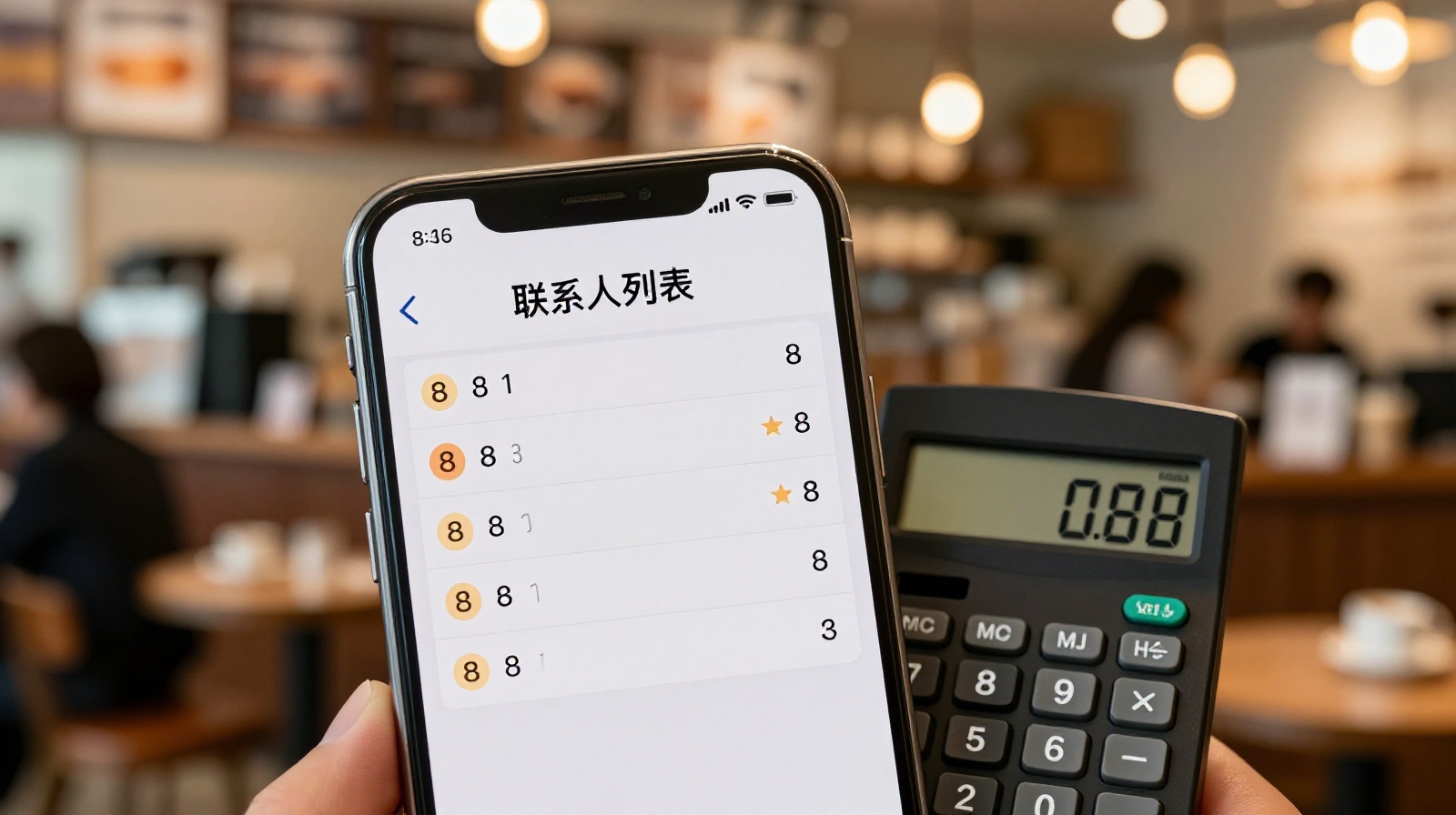
You can see this dynamic playing out in the most mundane parts of daily life. Take mobile phone numbers. In cities like Beijing or Shenzhen, a number ending in ’88’ or ’66’ commands a premium price. Sellers often auction these digits for thousands of dollars. One high-profile case saw a phone number ending in eight eights sell for over 400,000 RMB (approx. $55,000 USD) at an auction.
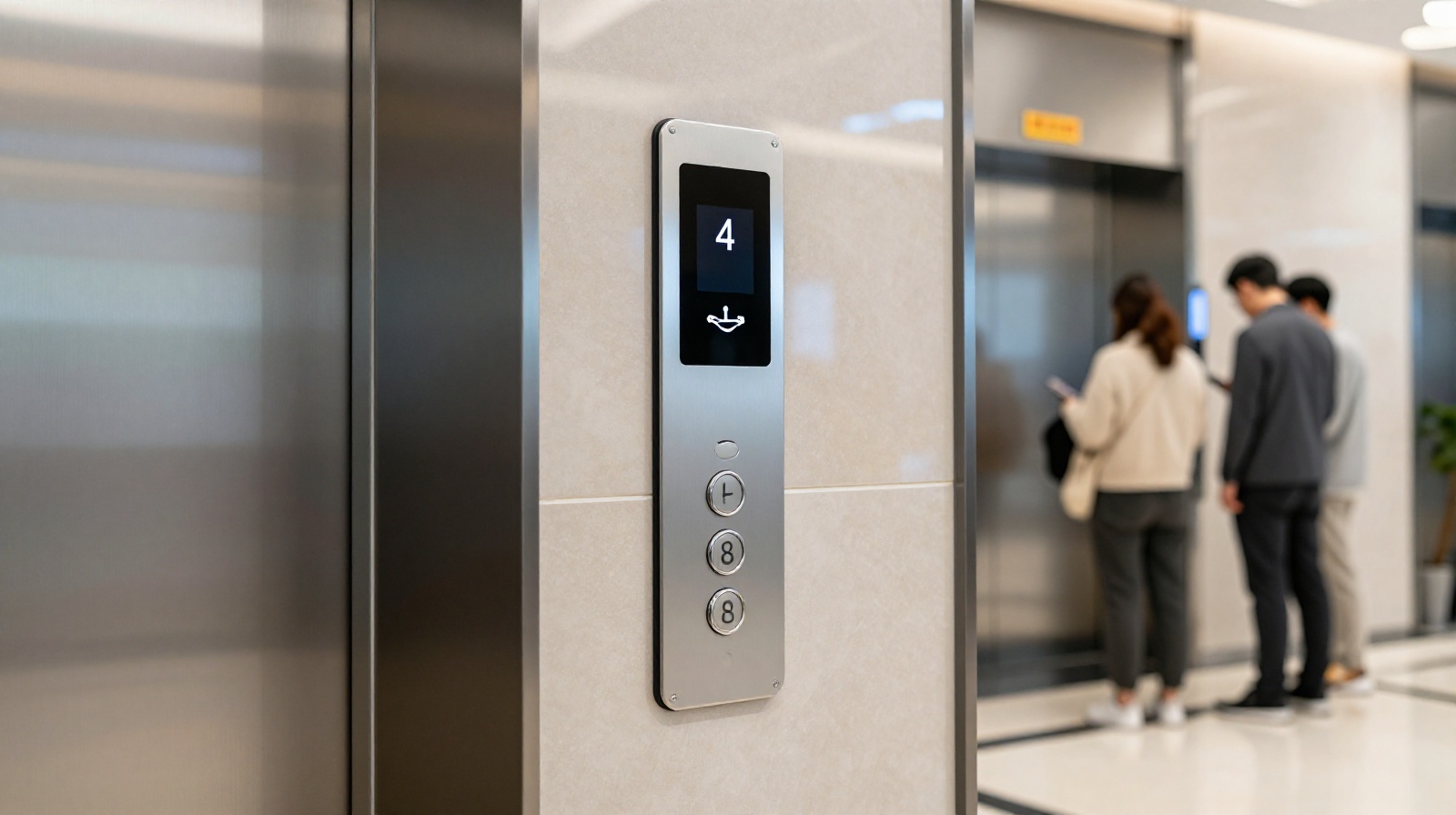
Meanwhile, if you walk into a modern apartment complex, you will notice something strange: there is no 4th floor. The elevator buttons jump from 3 to 5. Some buildings even skip the ’13’ and ’14’ in their address numbering. In high-end residential projects, apartments on floors ending in 8 are priced significantly higher than those on adjacent floors. A developer I spoke with admitted that they intentionally omit floor numbers associated with bad luck to avoid alienating buyers, even if it complicates their structural design.
More Than Just a Number: The Psychology of Avoidance
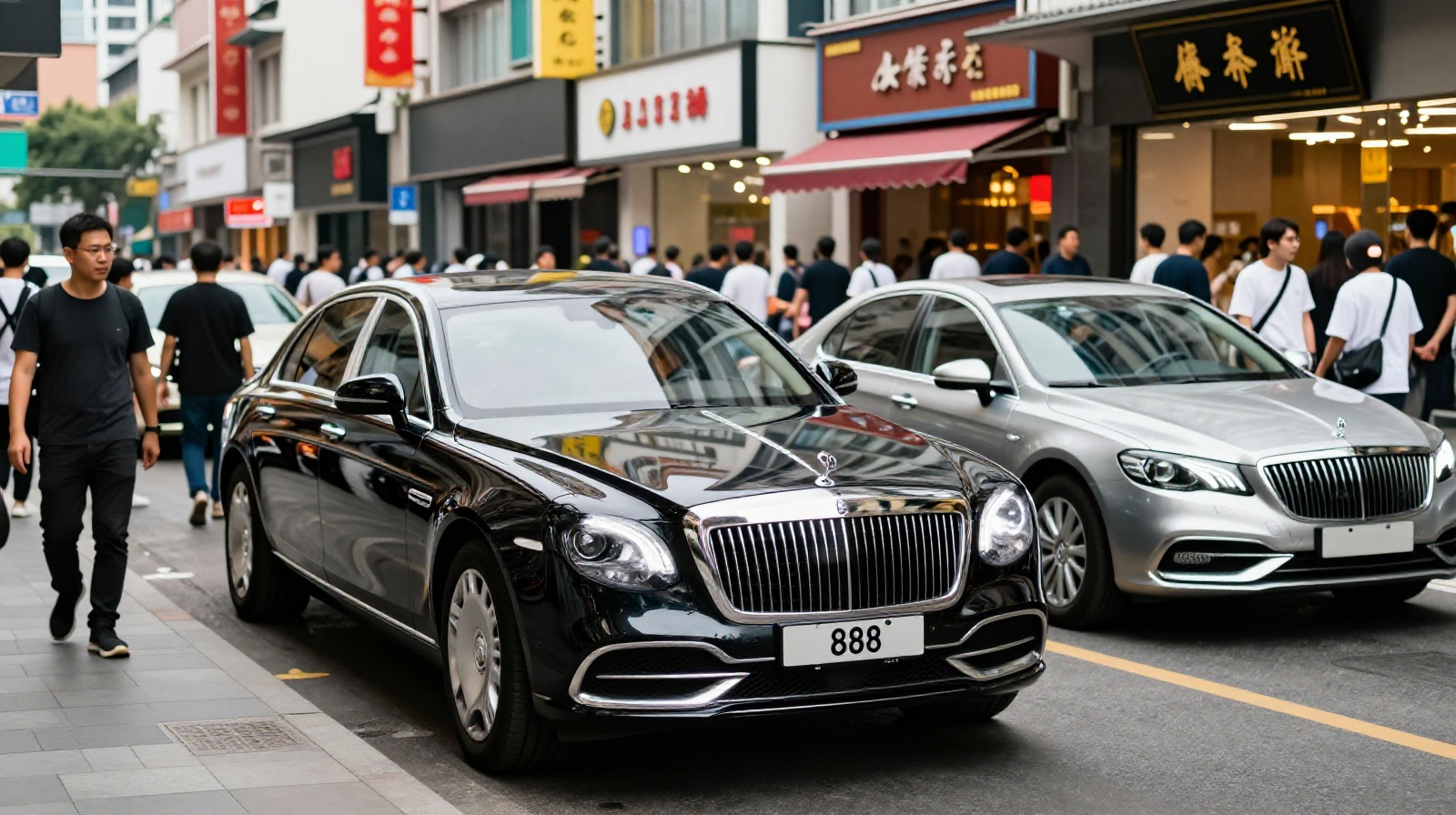
This phenomenon isn’t limited to housing or phones. It extends to license plates, office building floors, and even the dates chosen for weddings. In Shanghai, a car plate with four 8s can sell for a small fortune, while one with three 4s is practically unsellable at market value. This creates a unique market where ‘lucky’ assets appreciate faster than their physical worth would suggest.
From a psychological perspective, this reflects a collective desire to control uncertainty. In a rapidly changing society where economic shifts happen quickly, people cling to symbols that promise stability and good fortune. It is less about believing the number itself has magic power, and more about the comfort of aligning one’s life with positive outcomes.
How China Differs from the West
If you come from Europe or North America, you might find the obsession with numbers like 13 unsettling. But in Western cultures, these associations are often mild superstitions that rarely impact financial decisions. In contrast, Chinese numerology is deeply embedded in business strategy and market pricing. It is a cultural logic where sound and meaning merge to create real-world value.
Understanding this helps explain why certain businesses thrive while others struggle. A store opening on the 8th of the month might be seen as more auspicious than one opening on the 4th. While skeptics might call it superstition, economists see it as a self-fulfilling prophecy driven by consumer behavior.
The Modern Reality of Ancient Beliefs
Today, this tradition is evolving. Younger generations may view these beliefs with more skepticism, yet the economic impact remains undeniable. The habit persists because it serves a social function—it signals shared values and community belonging. Whether you believe in the luck or not, participating in the game of numbers is a way to navigate Chinese society.
So, when you see a price tag or an address that skips certain numbers, don’t just think it’s odd. Think of it as a reflection of how sound, history, and modern economics intertwine in the daily lives of millions of people across China.