

The Visible Mask and the Hidden Reality
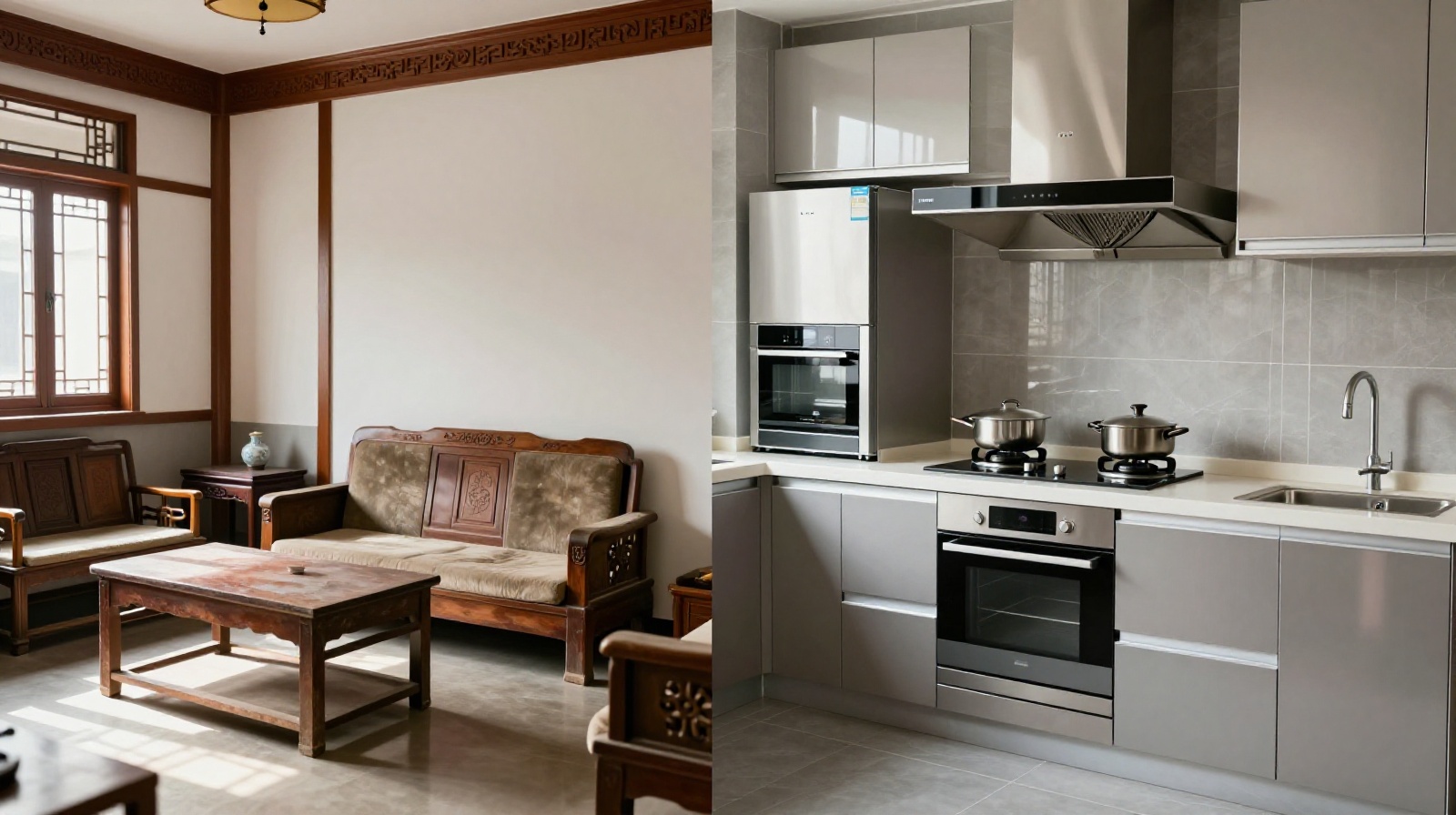
Imagine walking into a typical Beijing apartment in the early 2000s. The living room sofa is worn, slightly sagging, and covered with a simple cloth cover that has seen better days. It’s functional, but far from Instagram-worthy. Yet, you walk past it into the kitchen. There, the cabinets are gleaming stainless steel, the countertops are pristine stone, and the appliances cost more than most people’s monthly salaries. You might ask: Why invest so heavily in a room no one really sits in for long, while ignoring the space where the family actually gathers?
This is not just about interior design choices; it is a window into two fundamental concepts that drive Chinese social behavior: miànzi (face) and lǐzi (inner lining).
What ‘Face’ Really Means
To an outsider, “losing face” often sounds like a fear of embarrassment. But in practice, it is about maintaining social credibility and group harmony. When people say they need to “give face,” they aren’t just being polite; they are performing a social contract that ensures everyone feels respected within the hierarchy.
For example, at a business dinner in Shanghai, you might see a host insisting on paying for an expensive meal, even if it strains their budget. To a Western observer accustomed to splitting the bill, this seems irrational. But here, refusing to pay would mean “losing face” for both parties—it implies the guest cannot be trusted to reciprocate or that the relationship isn’t important enough to warrant generosity.

Where the Real Value Lies: The ‘Inner Lining’
If “face” is the outer shell, “inner lining” is the structural integrity. It refers to practical utility, long-term security, and actual material benefit. In Chinese culture, there is a strong pragmatic streak that often prioritizes what works over how it looks.
Think of home renovation again. The kitchen (the inner lining) is where food is prepared and health is maintained. Investing here has tangible returns: better cooking, fewer broken appliances, higher property value. The living room (often the face), however, is for entertaining guests or showing off status. Hence, you see families spending years saving for a high-end stove while keeping their old sofas.
This logic extends to other areas of life. In education, parents might spend fortunes on private tutoring and elite schools (the inner lining of future career prospects) rather than buying flashy designer clothes for their children to wear in public (face). The goal is not immediate social approval but long-term stability.
The Dance Between Appearance and Reality
Life in China often feels like a constant negotiation between these two forces. Consider the wedding industry. A Chinese wedding is famously extravagant, with multiple banquets, expensive gifts, and elaborate decorations. This is pure “face”—it signals family wealth and social standing to the community.
But immediately after the ceremony, the same couple might move into a modest apartment, cook at home every night, and meticulously manage their savings for their child’s education or a down payment on a new house. The wedding was the performance; daily life is where they build their “inner lining.” One without the other leads to social friction: too much face with no inner lining results in debt; too much focus on inner lining with no face can lead to isolation.

How This is Changing in Modern China
You might wonder if this old-fashioned cultural code still holds up in a digital, fast-paced society. The answer is yes, but it’s evolving. As younger generations gain more financial independence and global exposure, the definition of “face” is shifting.
Today, showing off a luxury brand logo isn’t always the ultimate goal. For many young professionals, “face” now comes from displaying digital literacy, travel experiences, or unique hobbies that signal sophistication rather than just wealth. A person might skip an expensive dinner to fund a trip to Iceland, valuing the story they tell (inner value) over the immediate social pressure of paying for a banquet.
However, the underlying structure remains. The tension between public perception and private reality is still the engine of Chinese decision-making. Whether it’s choosing a job title that sounds prestigious but pays less, or buying a car that looks good on the road but isn’t the most fuel-efficient, the calculus of “face” vs. “inner lining” is always present.
A Guide for Foreign Observers
If you are visiting China or doing business here, trying to interpret every action through your own cultural lens will lead to confusion. When a Chinese colleague insists on a formal introduction ceremony, they aren’t being rigid; they are building the “inner lining” of trust required for future collaboration.
When a host offers food you don’t want, or gives a gift that seems excessive, understand that this is an investment in social capital. The key to understanding Chinese people isn’t to judge their choices as contradictory. Instead, look at the context: Is this action primarily about protecting public reputation (face), or securing long-term practical benefit (inner lining)?
By distinguishing between the two, you unlock a deeper understanding of why China moves the way it does—balancing the need for social harmony with the relentless pursuit of material progress.