

Beyond the Postcard Desert
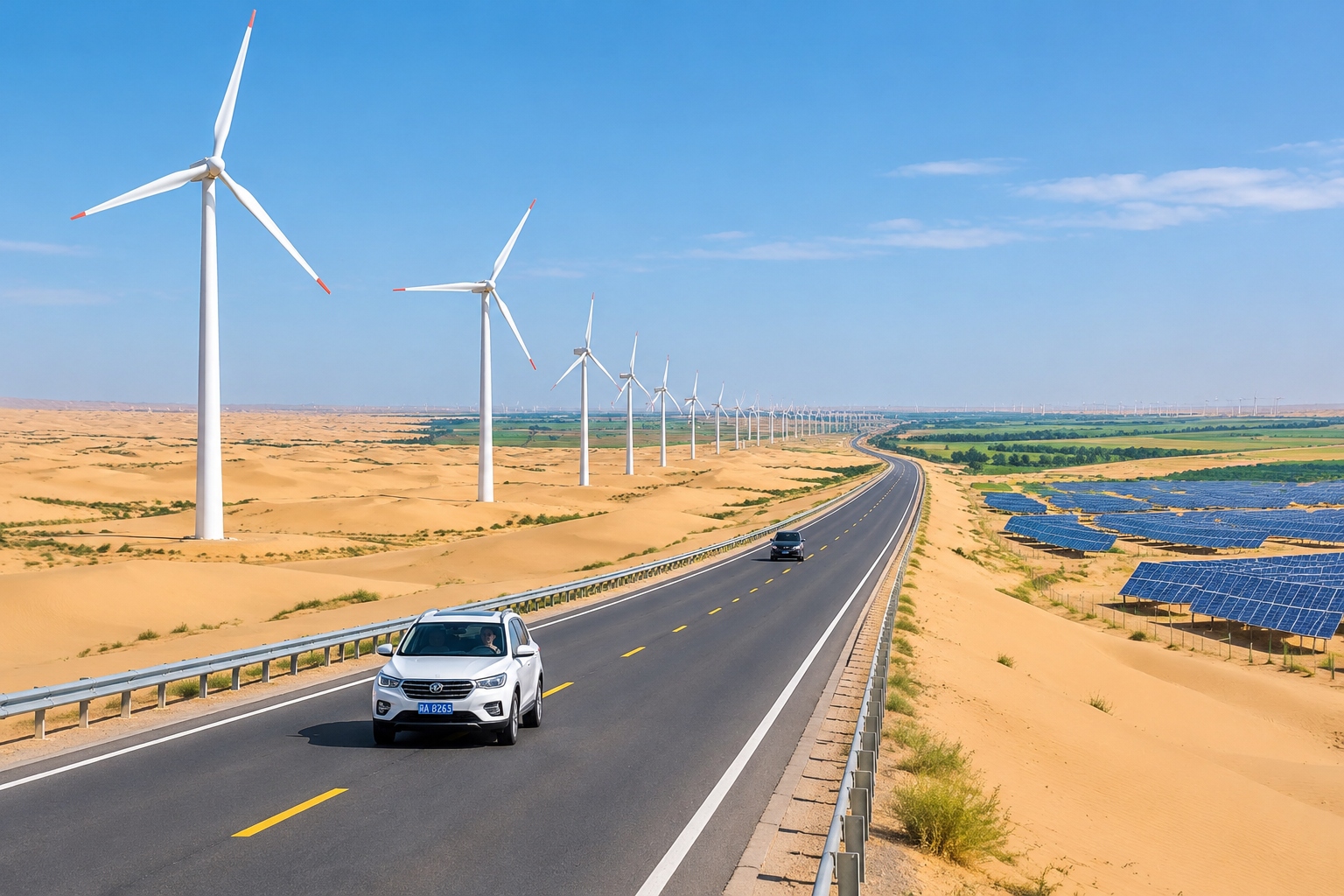
Imagine a landscape where the sand dunes look like frozen waves, and the sky is so clear you can see the Milky Way with your naked eye. Now, imagine that same desert buzzing with solar panels and wind turbines, while locals check their smartphones to monitor irrigation systems in real-time.
This isn’t a scene from a sci-fi movie set in China; it’s Gansu today. For centuries, this narrow strip of land was the throat of the Silk Road, the only passageway connecting Xi’an to the vast western deserts. But if you ask most Westerners about China’s northwest, they might picture nothing but endless sand and hardship. The reality is far more vibrant.
The Greening of the Gobi
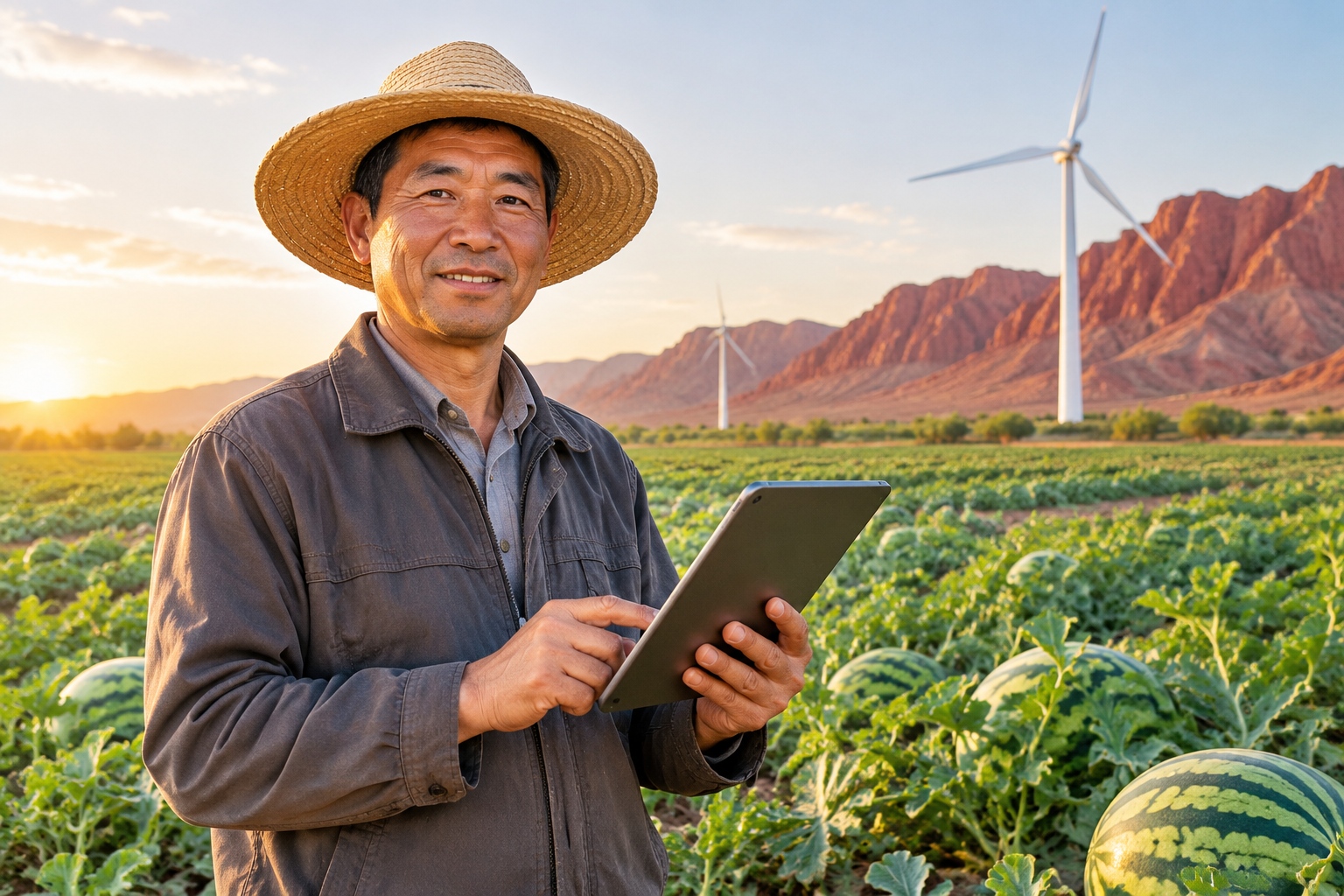
One of the most surprising aspects of modern Gansu is its transformation from a barren wasteland to an agricultural powerhouse. In the Hexi Corridor, you’ll find vast fields of watermelons and sweet corn growing in soil that was once too salty for anything else.
This isn’t magic; it’s technology meeting resilience. Locals use drip irrigation systems that save 60% more water than traditional methods, allowing them to cultivate crops even with minimal rainfall. In the desert town of Wuwei, you might see a farmer using a tablet to control water flow from hundreds of kilometers away.
But it’s not just about farming. The region has become a hub for green energy. Giant wind turbines spin silently against the backdrop of red sandstone cliffs, generating enough electricity to power thousands of homes. This shift isn’t just environmental; it’s economic. Young people are returning to their hometowns to work in renewable energy and tech sectors, bringing a new kind of life to these remote areas.
Dunhuang: Where History Meets the Future
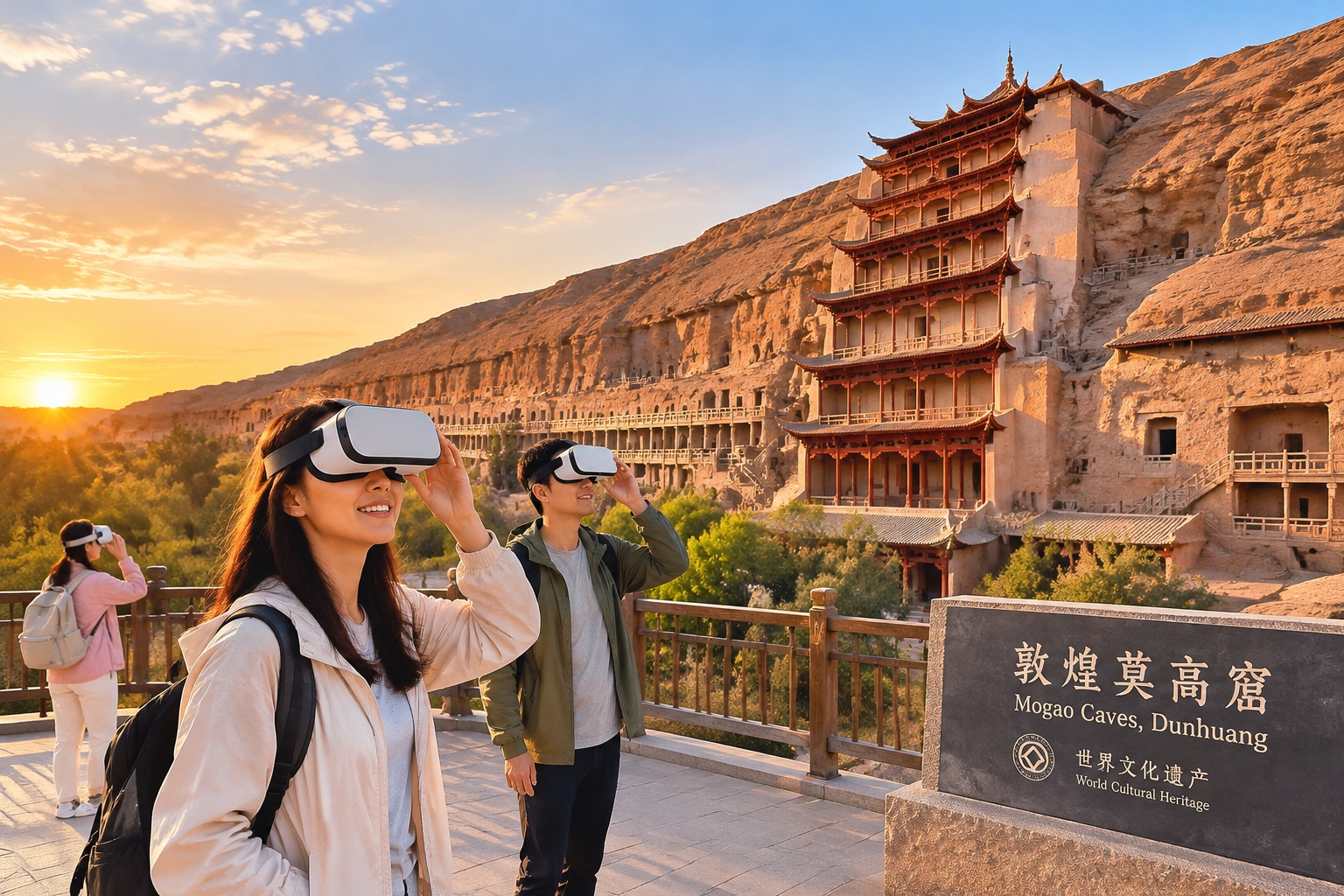
Drive west to Dunhuang, and you’ll find the Mogao Caves. These 492 Buddhist grottoes, carved into cliffs over a thousand years ago, are a treasure trove of art that looks like it belongs in another world.
Yet, visiting today feels different. The ancient murals are preserved using advanced digital scanning and climate control systems. Tourists don’t just stare at walls; they use VR headsets to walk through virtual recreations of caves that have been closed for decades due to fragility.
The contrast is striking. Inside the cave, a monk might be chanting in a voice that hasn’t changed in centuries. Outside, a young guide explains how blockchain technology is being used to track artifacts and prevent smuggling. It’s a place where the past isn’t just preserved; it’s actively interacting with the present.
Life on the Edge of the World
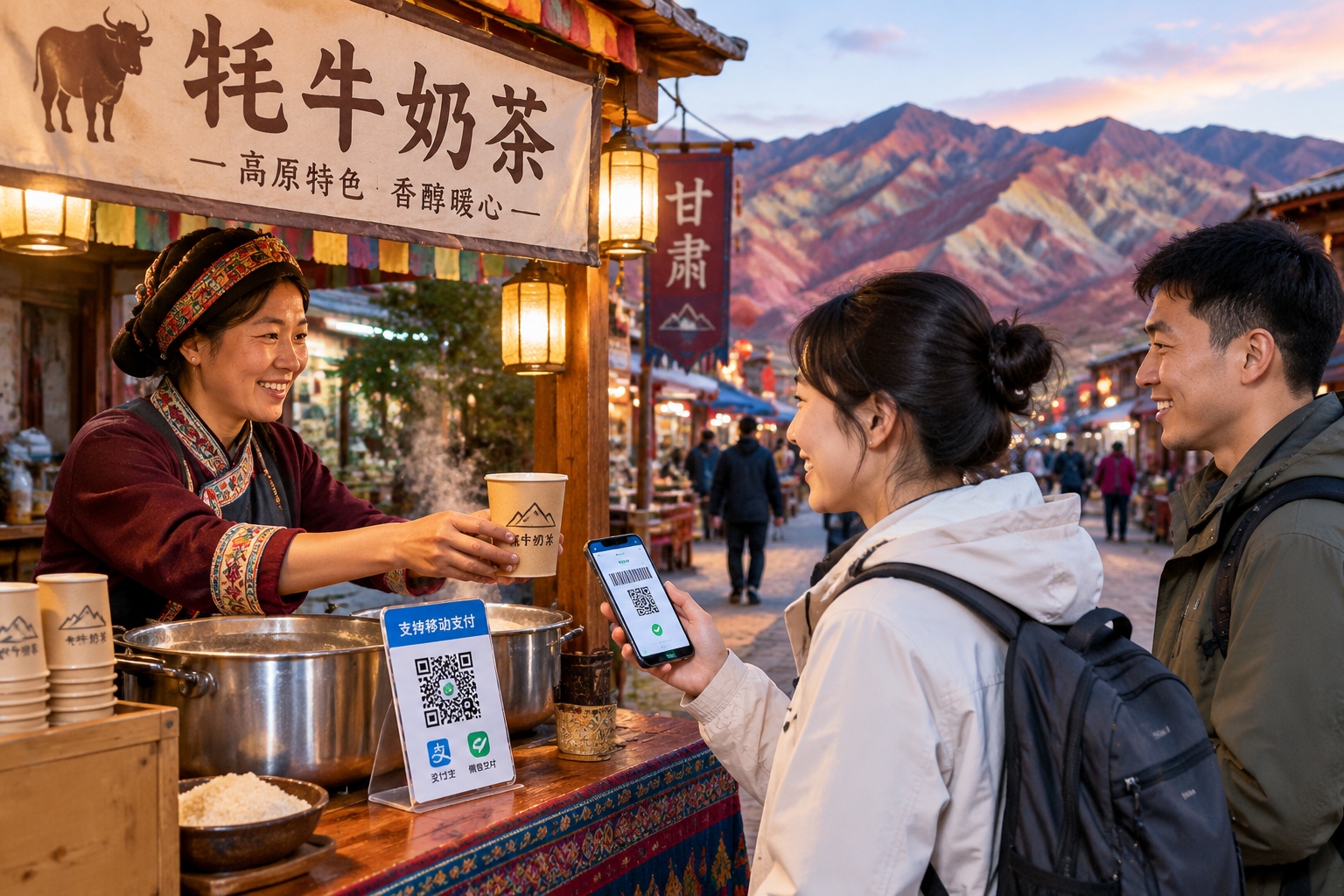
What does daily life look like for people living in these extreme environments? In the town of Zhangye, famous for its rainbow-colored mountains, locals have adapted to a lifestyle that blends tradition with modern convenience.
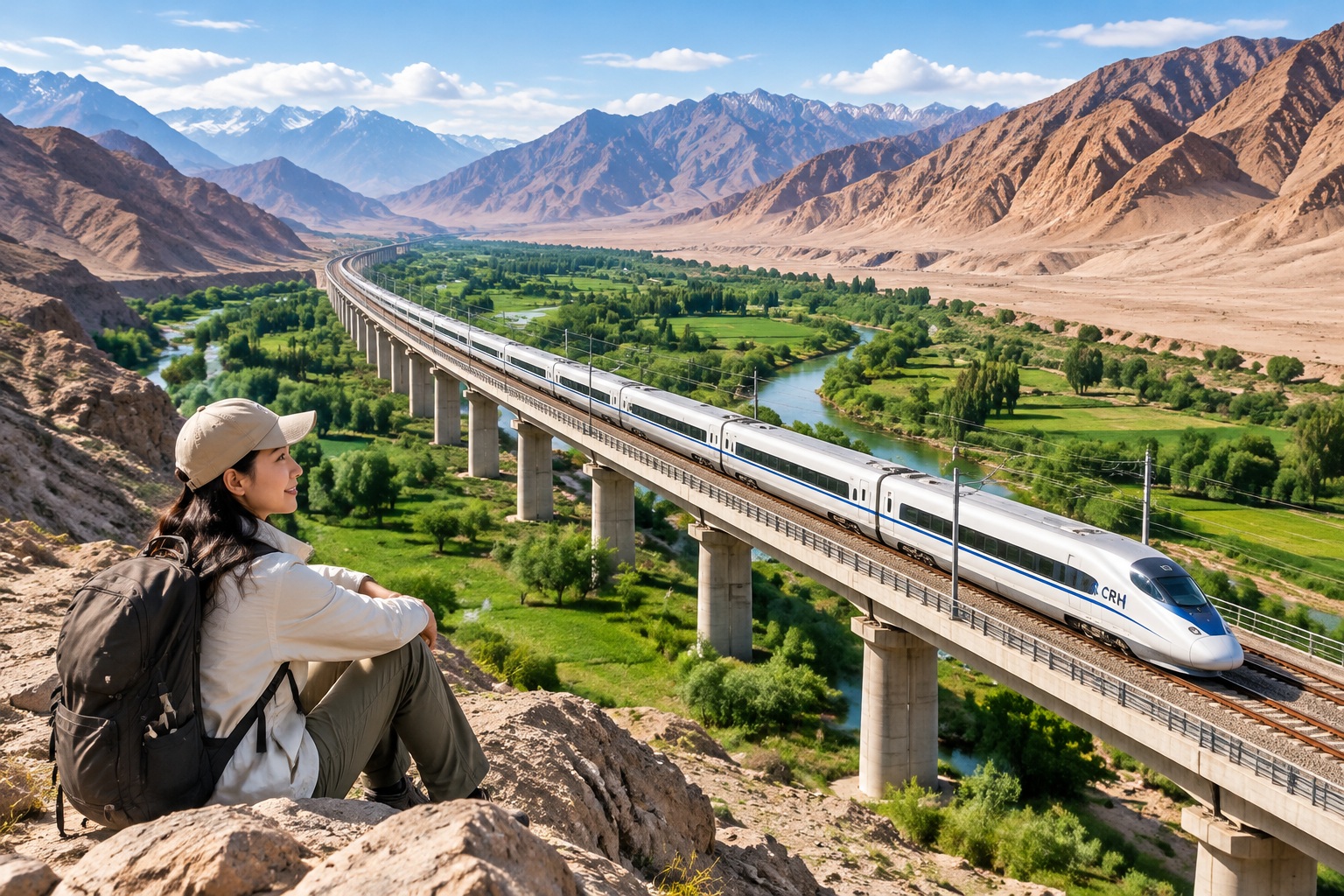
You can grab a fresh cup of yak milk tea at a roadside stall, pay for it instantly with WeChat Pay, and then catch a high-speed train to Lanzhou in just two hours. The infrastructure here is surprisingly robust. Even in remote villages, 5G signals are strong, allowing residents to sell their local handicrafts directly to international buyers online.
The community spirit remains strong. During the harvest season, neighbors gather to help each other, but they do so with a modern twist—using drones to spray crops and sharing data on weather patterns via group chats. It’s a reminder that even in the most isolated corners of China, life is connected, dynamic, and full of surprises.
Why Gansu Matters Now
Gansu offers a unique lens through which to view China’s broader development. It shows how a region once defined by isolation can become a model for sustainable growth. The story isn’t just about ancient ruins or stunning landscapes; it’s about people who are redefining what life in the desert means.
For travelers and observers alike, Gansu challenges the stereotype of China as merely an industrial giant. Here, you see a society that respects its history while aggressively embracing innovation. Whether it’s turning sand into farmland or using AI to protect ancient art, Gansu proves that even in the most unlikely places, progress is possible.
Start the discussion at forum.chinacomes.com