
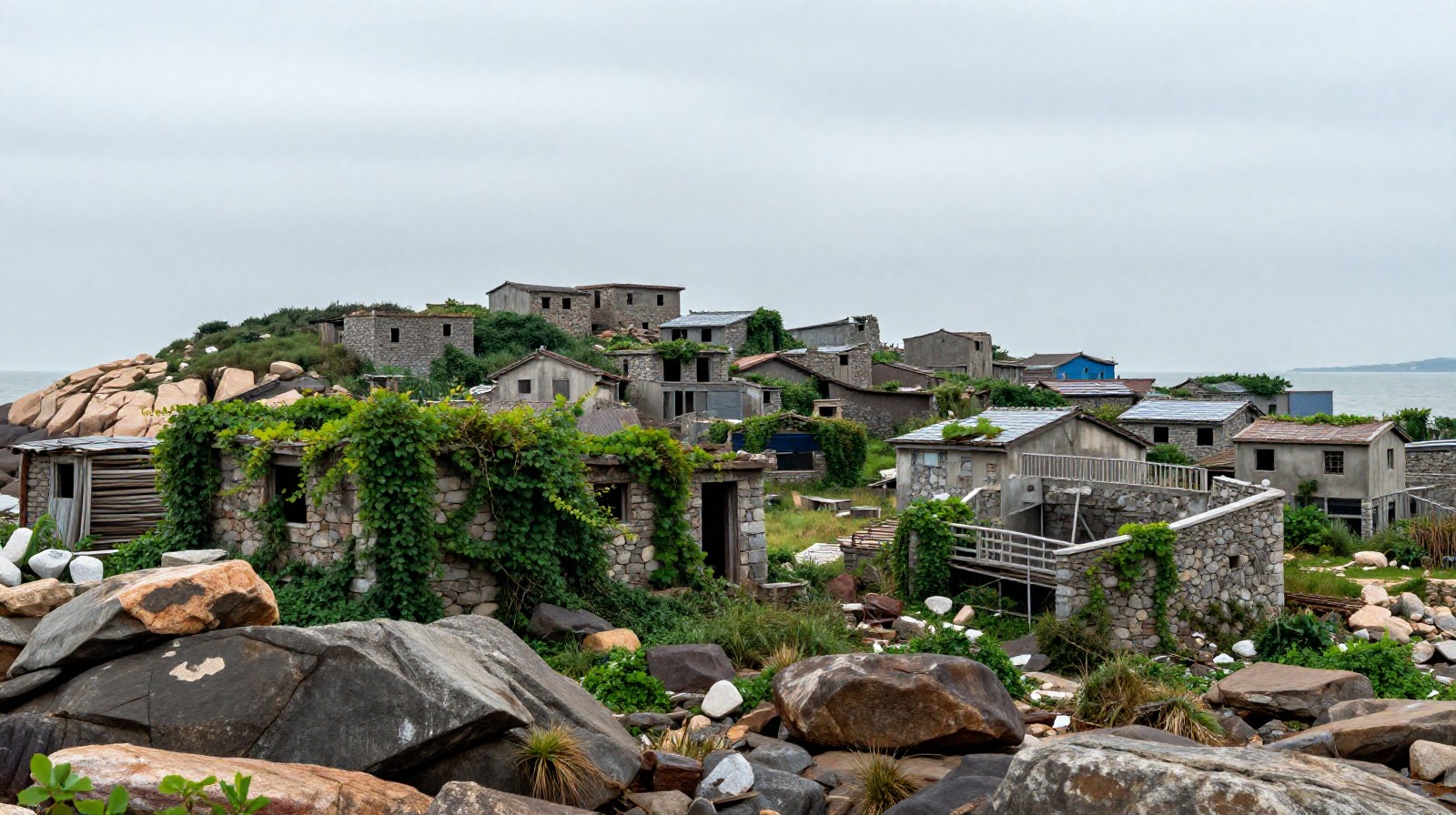

The Long Boat Ride to Nowhere
It starts before you even see the land. To reach Shengsi, the northernmost islands in Zhejiang Province, you spend hours on a high-speed ferry cutting through gray seas. There are no bridges connecting these scattered dots of land to the mainland. It is a journey that demands time and patience, a deliberate pause from the hyper-connected life most foreigners associate with modern China.
When the boat finally docks at the small port, the silence hits you first. The air smells of salt and drying kelp. This isn’t the neon-lit Shanghai or the bustling Shenzhen seen on news feeds. Here, the rhythm is dictated by the tides, not the stock market.
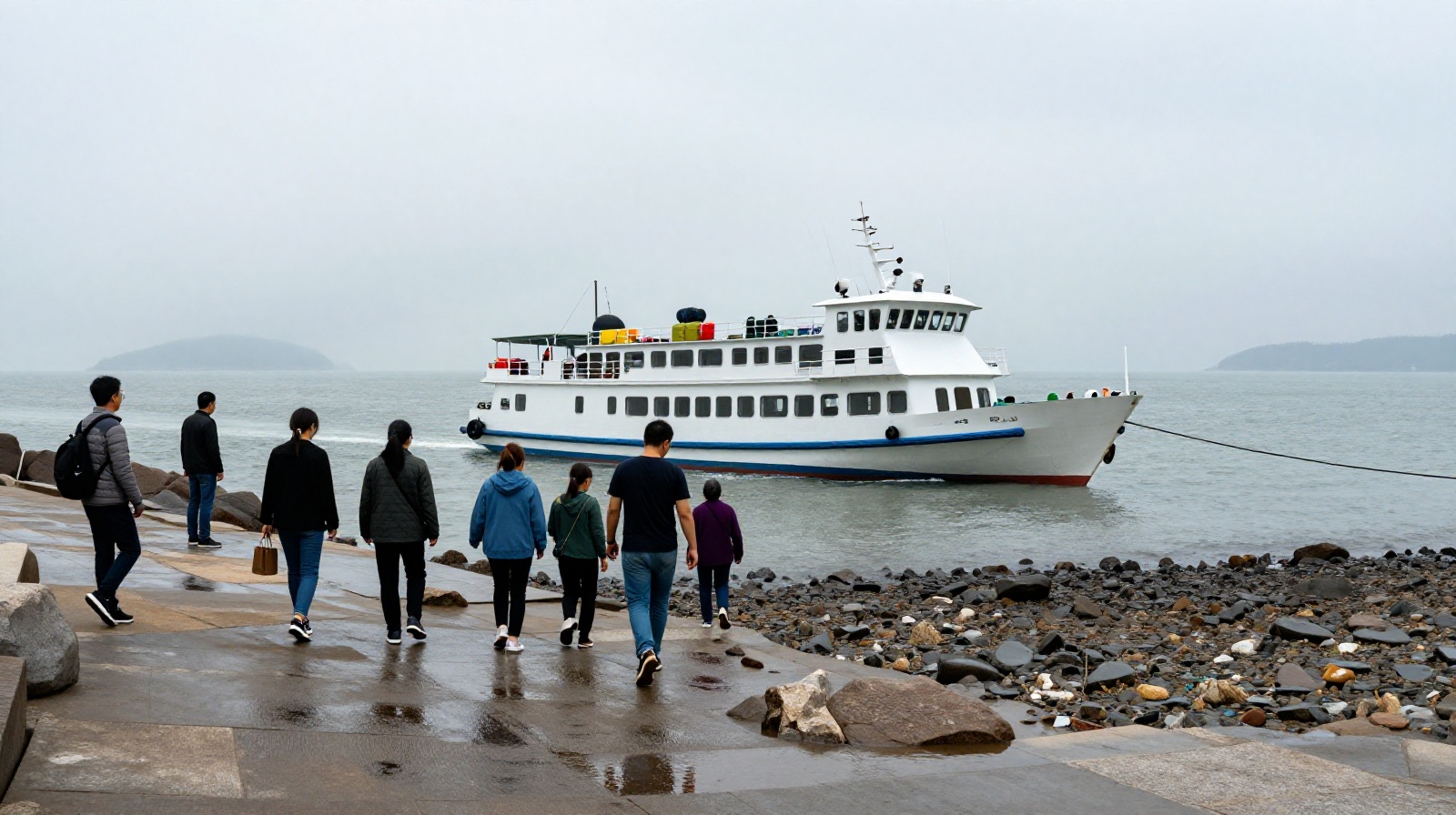
Stone Houses Swallowed by Green
We walked into a village that time seems to have forgotten. The stone houses, built decades ago by fishermen who once braved the East China Sea, stand in rows but are empty. Ivy and wild vines have crept up the walls, turning gray granite into a textured green carpet. Where windows used to be, only dark holes remain, framed by rusted iron bars that can no longer keep anything out.
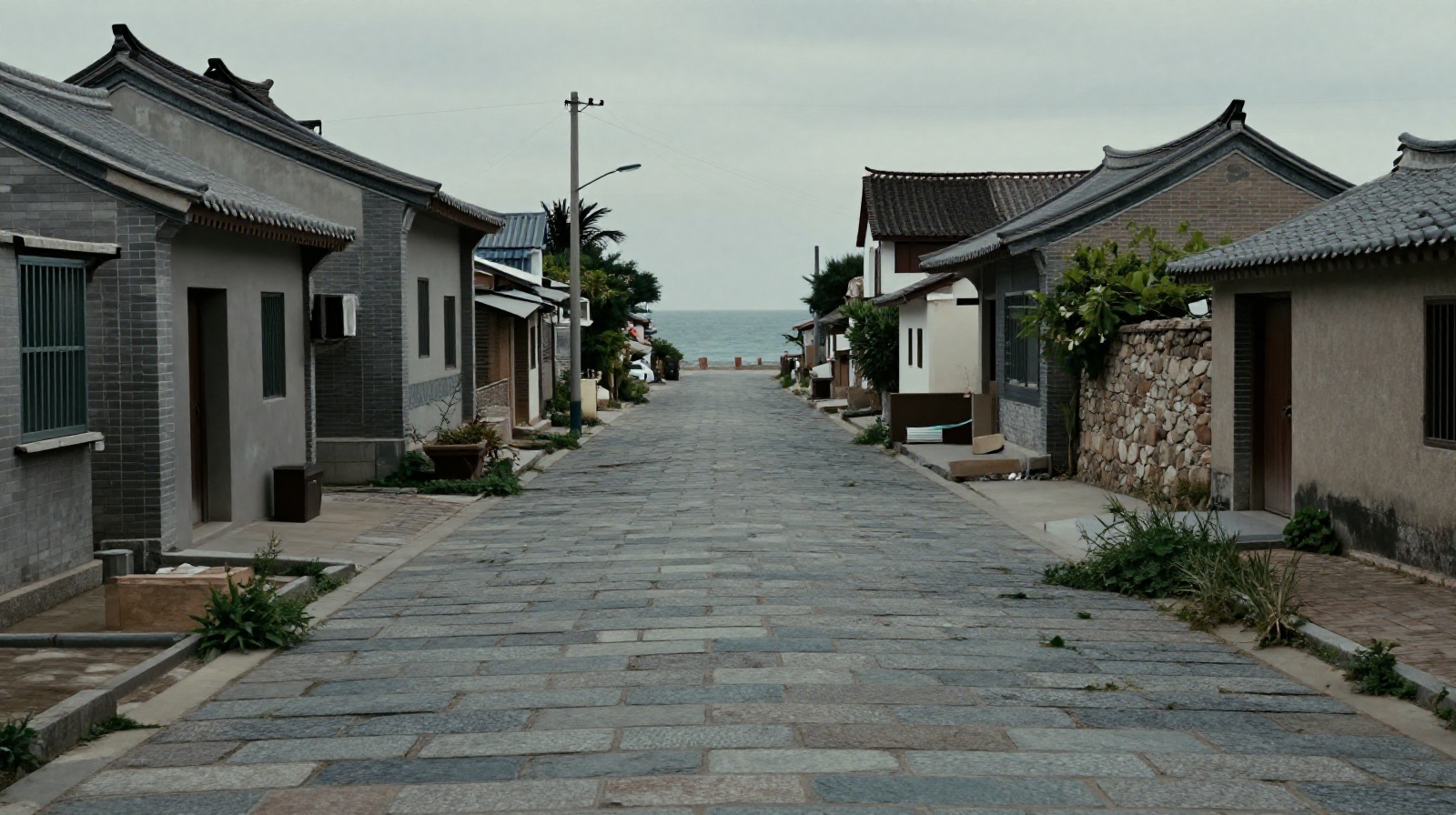
The streets are narrow, paved with uneven stones that have cracked from years of root pressure. There is no litter, no modern graffiti—just the sound of wind moving through empty doorways and the distant crash of waves. It looks like a scene from a post-apocalyptic movie, but it is simply a result of economic shifts.

Why Did Everyone Leave?
I met an elderly woman in a nearby town who remembered when this village was alive. “My husband and I moved away ten years ago,” she told me over tea. “The young people left first. They went to the cities for factory jobs or started businesses. Fishing just wasn’t enough to feed everyone anymore.”
This is the story of rural China’s hollowing out. For decades, these islands were self-sufficient communities. But as aquaculture became industrialized and fish stocks fluctuated, the younger generation sought better opportunities elsewhere. Without a steady income or schools for their children, families packed up their lives.
Today, only a handful of elderly residents remain in the surrounding towns, commuting to work or tending small vegetable patches. The village itself is now a seasonal home for a few adventurous tourists and photographers who come to document the “haunted” beauty.
Nature Reclaiming Its Territory
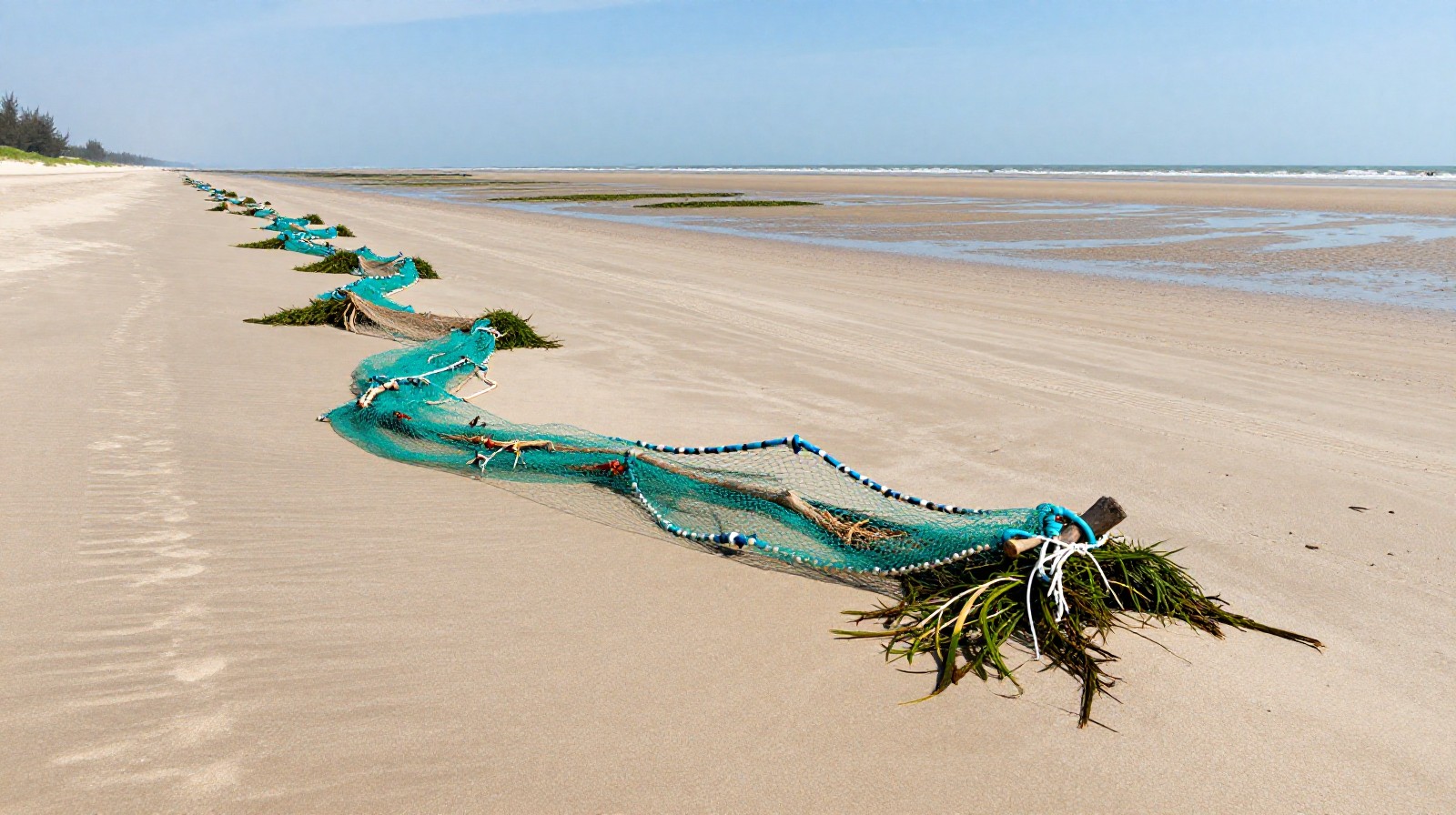
There is a strange beauty in watching nature take back what humans built. The vines don’t just cover the houses; they hold them together, preventing collapse in places where no one repairs the roof. The sand on the beach has shifted, burying old fishing nets that were left behind.
This phenomenon isn’t unique to China, but it happens at a different scale here due to rapid urbanization. While mega-cities expand outward with glass towers, remote islands like Shengsi are experiencing a quiet depopulation. It’s a reminder that development is not always linear or permanent.
A Note on Safety and Respect
If you plan to visit places like this, please be cautious. These abandoned structures are unstable. Floors may rot through, and walls can crumble without warning. There are no emergency services nearby, and cell signals can be spotty.
More importantly, treat these ruins with respect. They are not just backdrops for photos; they are the final resting places of a community’s history. Leave no trash behind, and do not break windows or damage the stone walls. The beauty of Shengsi lies in its authenticity, not in how it looks through a camera lens.
Walking through these silent streets offers a rare perspective on China: a country that is simultaneously racing toward the future while quietly preserving the echoes of the past in its most remote corners.