

Day 1: The First Burn
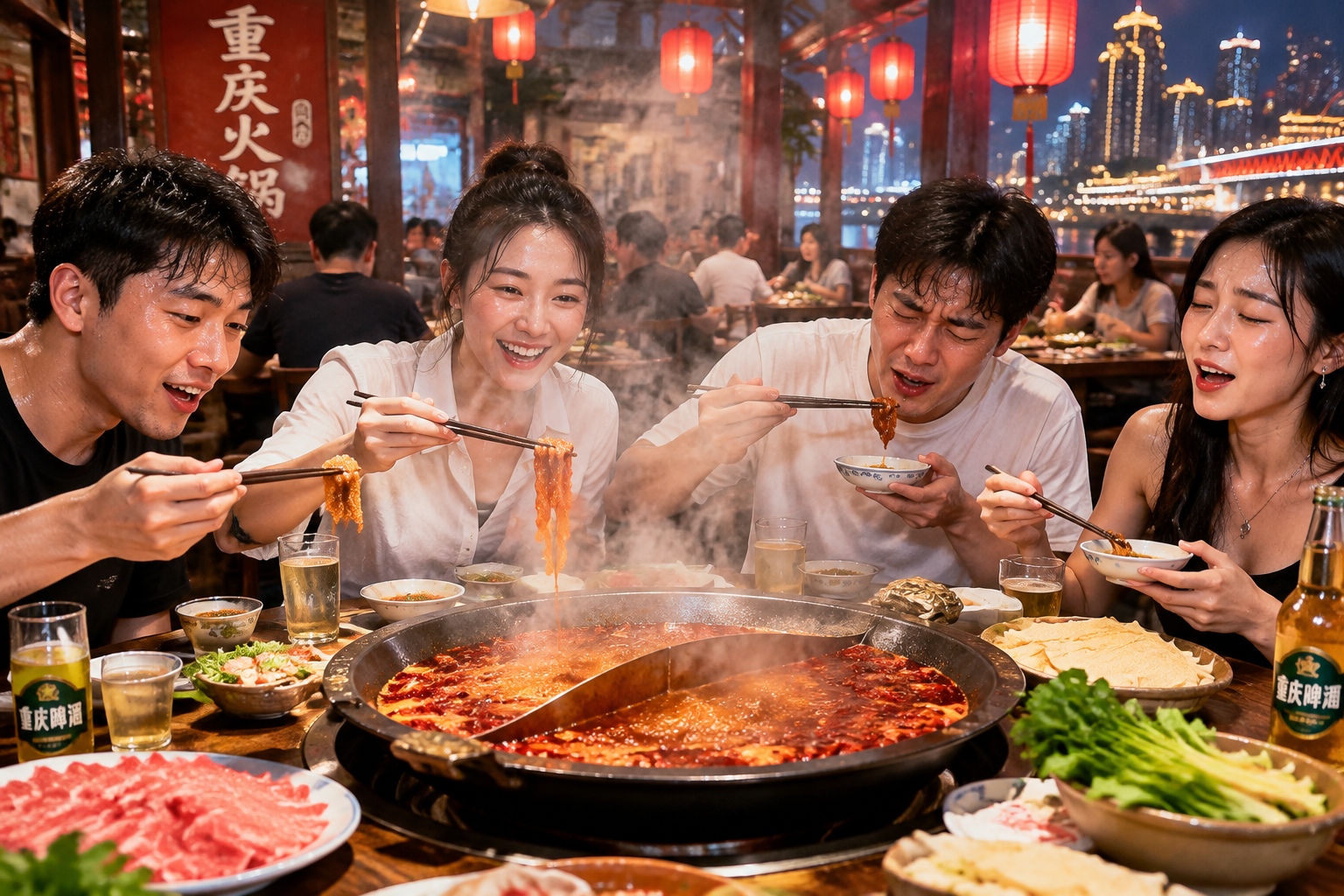
The air in the basement restaurant smells of rendered lard and Sichuan peppercorns. It’s a heavy, humid scent that clings to your clothes before you even sit down. At 7:00 PM on a Tuesday, the room is packed. A group of local office workers sits around a bubbling red pot, steam rising in thick waves. They aren’t eating slowly; they are shoveling beef tripe into their mouths with chopsticks, wiping sweat from their foreheads with napkins that turn crimson instantly.
This is Chongqing hot pot. It isn’t just food; it’s a social event where the heat level is a badge of honor. The broth starts as a deep, oily red, floating with dried chilies and whole Sichuan peppers. You dip slices of raw beef, tofu skin, and lotus root into the rolling boil.
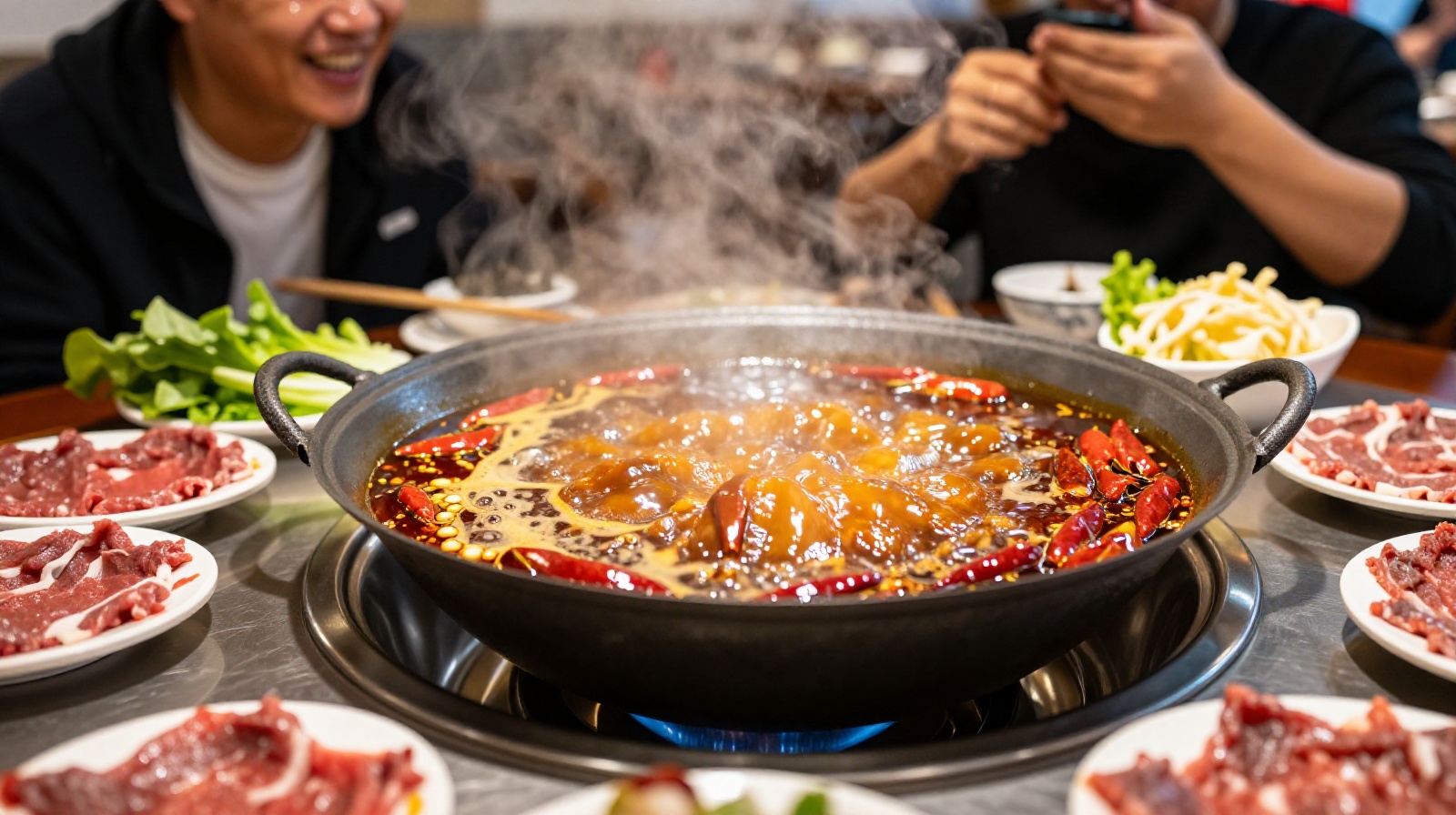
The first bite hits you like a physical blow. It’s not just heat; it’s a numbness that starts at your tongue and travels down your throat, a phenomenon locals call mala (numbing spice). My neighbor, a 24-year-old graphic designer named Li, laughs as he chews. “Too spicy?” he asks. I nod, fanning my mouth with a paper menu. “No,” he says, dipping another piece of duck intestine into the pot. “This is just dinner.”
For newcomers, the challenge isn’t just the flavor; it’s the endurance. In Chongqing, dining out means sweating through your shirt and drinking yogurt or soda to cool down. The locals call this jie la shui – a rescue drink made from fermented milk or local sodas that cuts through the oil.
Day 2: Walking the Vertical City
After yesterday’s feast, your legs are tired. But in Chongqing, you don’t just walk; you climb. The city isn’t built on a flat grid like Shanghai or Beijing. It’s a maze of stairs, escalators that go nowhere, and bridges connecting buildings at different heights.
I started my hike in Ciqikou Ancient Town but turned off the main street immediately. Tourists crowd the stone paths, taking photos with souvenir stalls. I followed a local woman carrying a plastic bag of groceries up a steep, narrow alleyway known as “Hanging Alley.” Here, laundry hangs over one neighbor’s roof while another’s kitchen window sits ten meters below.
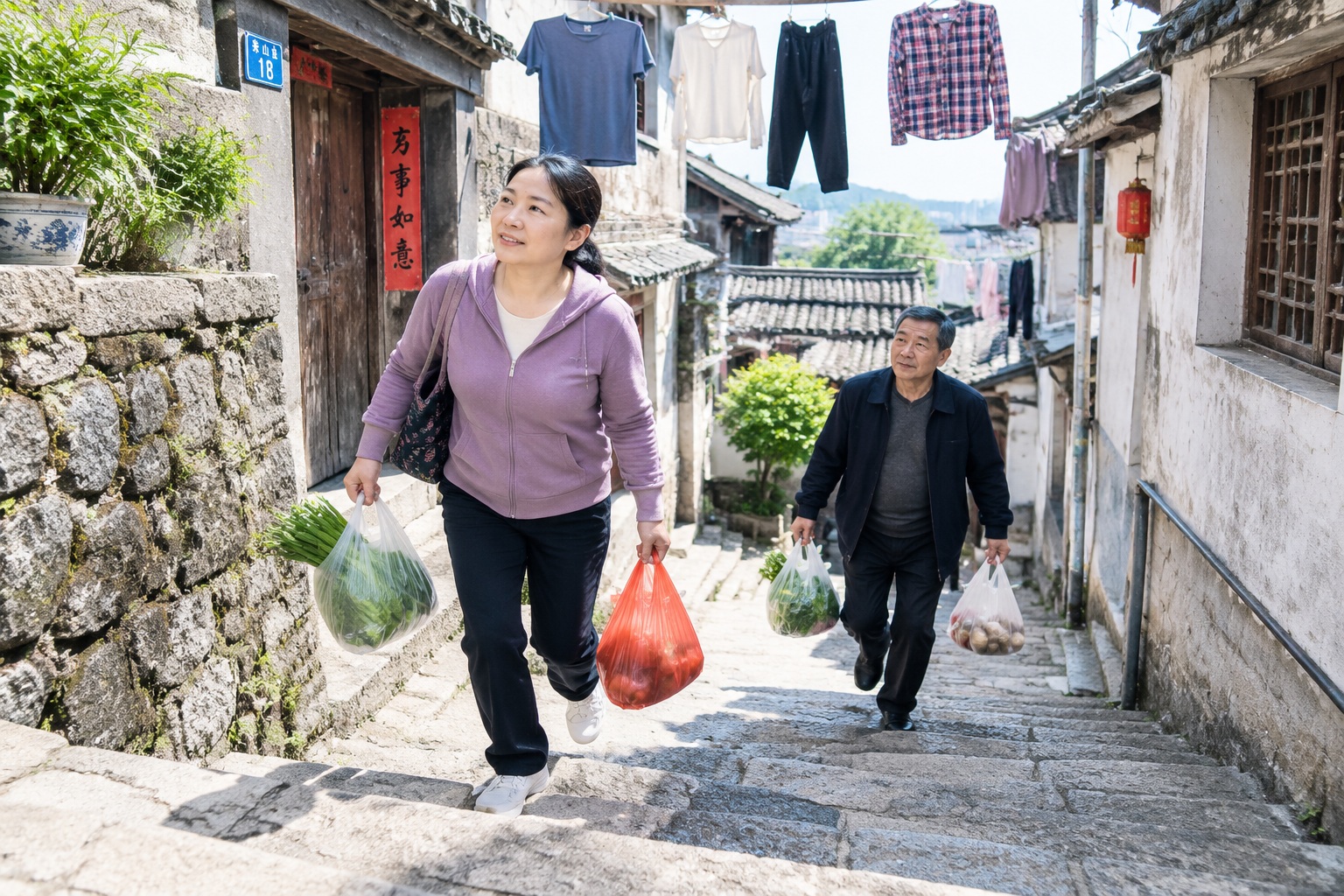
The climb is exhausting. You pass grandmothers sweeping steps with bamboo brooms and children riding scooters down dangerous inclines. This is the real Chongqing, far from the polished tourist spots. The path winds through residential courtyards where neighbors share bowls of pickled vegetables.
At noon, I stopped at a tiny noodle stall tucked under a bridge. The vendor, an older man with ink-stained fingers, served me a bowl of suan la fen (sour and spicy rice noodles) in a plastic bowl. The broth is clear but packed with chili oil. He didn’t ask if I could handle it; he just said, “Eat fast, the soup gets cold.”
Day 3: The Mountain and the Spice
The final day combines the city’s geography with its culinary spirit. We headed to a lesser-known trail near Eling Park. Unlike the manicured parks in western cities, these trails cut through dense forests and old stone walls.
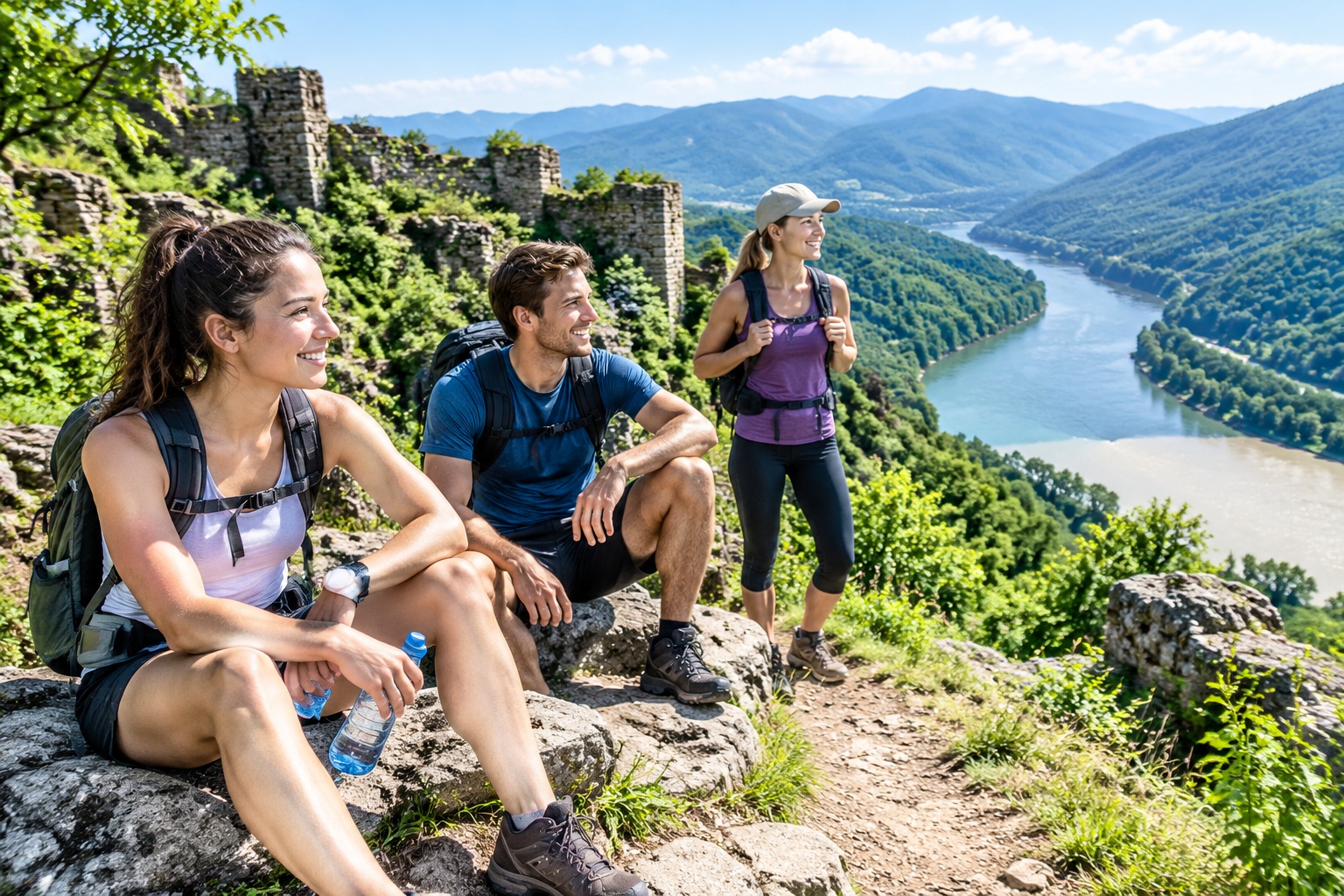
As I hiked up the mountain path, the air grew cooler and thicker. The scent of pine mixed with the faint smell of woodsmoke from distant villages. Halfway up, we met a group of young men in athletic wear, taking breaks to drink water and joke about their recent hot pot experiences.
“We came here to sweat out last night’s oil,” one of them shouted, wiping his brow. It’s a common sentiment. The city is built for movement, and the food is designed to make you move – or at least, to make you sweat.
At the summit, overlooking the confluence of the Yangtze and Jialing rivers, we stopped for a final meal: grilled skewers. The meat was charred, glazed in chili powder, and served with fresh cilantro. It was the perfect end to the challenge.
Survival Guide: How to Handle the Heat
If you plan to take this challenge, here is what you need to know. First, don’t order “medium spicy.” For a local, that means “extra hot.” Ask for wei la (mild) if you are sensitive to heat. Second, bring tissues; the sweat is real.
The ultimate antidote isn’t water, which spreads the oil around your mouth. It’s yogurt, milk, or a sweet soda. Locals often drink yangrou suan nai (mutton sour milk) or just plain iced barley tea. And remember: in Chongqing, sweating is not a sign of weakness; it’s the price of admission to the city’s soul.
Start the discussion at forum.chinacomes.com