


The Notification That Changed My Morning
It was 8:15 AM on a Tuesday. The air in my Shanghai apartment was still cool, carrying the faint scent of damp concrete from the open window. My phone buzzed on the nightstand. It wasn’t a message from a friend or a colleague. It was a notification from Taobao, China’s massive e-commerce platform.
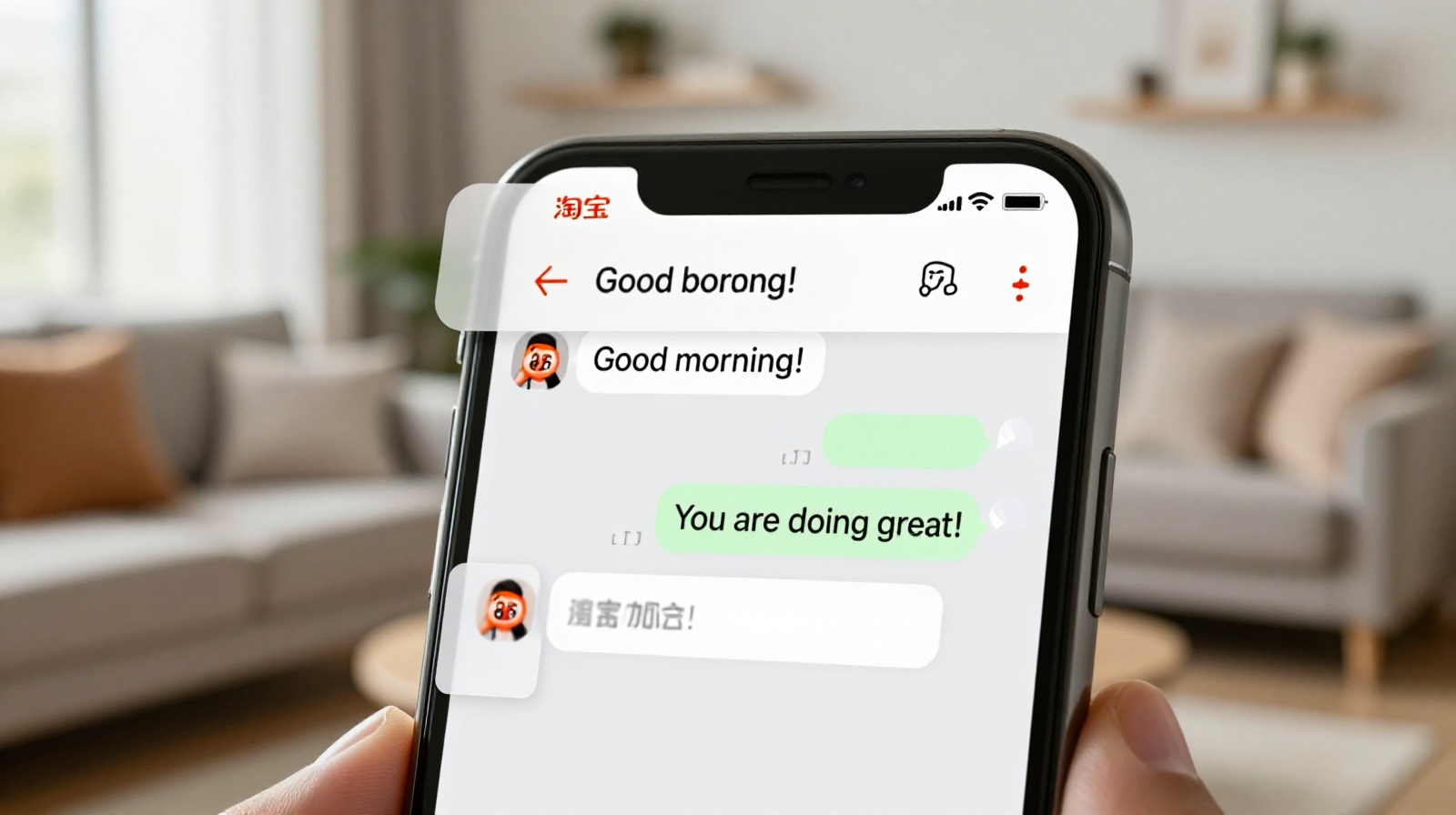
“Good morning! You look like you’re ready to conquer the world today. Don’t forget to drink some warm water!”
I stared at the screen. I hadn’t asked for this conversation. I had, however, clicked a “Buy” button yesterday evening after a particularly exhausting day at work. For 35 yuan (about $5), I had hired a “Cyber-Friend.” Their job? To send me personalized compliments, encouragement, and casual chat throughout the day, strictly on schedule. No romance. No deep emotional labor. Just pure, unadulterated validation.
In a country with over 200 million young adults living alone, services like mine are exploding. We are calling it “emotional value consumption.” It’s not just about buying objects anymore; it’s about buying feelings.
More Than Just Praise
To understand why I paid a stranger to tell me I was smart, you have to look at the menu of Taobao’s “emotional services.” It reads like a catalog for modern anxiety.
- Wake-up Calls: From gentle reminders to aggressive shouting (with filters), priced by duration.
- Companion Chatting: Pay-per-minute conversations for those who just need to hear a human voice while studying or working.
- Customized Praise: The service I purchased. Customers can specify the tone—whether they want a supportive older sibling, a strict boss, or an overly enthusiastic fan.
This isn’t a niche trend. It’s a mainstream coping mechanism for China’s urban youth. The “lying flat” generation, as some call them, are highly educated and hardworking, but often isolated in concrete jungles where traditional community bonds have fractured.

The Mechanics of Artificial Intimacy
My “Cyber-Friend,” let’s call him Alex (a pseudonym used by many service providers), was efficient. The interaction felt scripted, yet strangely comforting. At 10:30 AM, when I was stuck in a meeting, he sent:
“Hey, I know that presentation is tough. But remember how you handled the Q&A last week? You were sharp. Take a deep breath.”
It was generic, yes. But in that moment, it worked. It filled a void. The service operates on a simple exchange: money for attention. Unlike real friends, who have their own lives and might judge you for complaining, the Cyber-Friend is paid to be present. There is no risk of rejection. There is no judgment.
However, there is a mechanical undertone. Sometimes, the timing was off. At 3:00 PM, while I was grocery shopping, my phone buzzed again:
“You are doing great! Keep shining!”
I looked around the supermarket aisle, surrounded by real people picking out vegetables and comparing prices. For a second, the absurdity hit me. I was paying for digital affection while standing in physical reality. But then I checked my bank balance, saw the $5 charge had cleared, and felt a strange sense of relief. The transaction was complete.

Loneliness as a Service
Why do we pay for this? Sociologists point to the atomization of Chinese society. Rapid urbanization has moved millions from extended family homes in rural areas to solo apartments in megacities. The “left-behind” generation is now the “left-alone” generation.
For many, asking friends for emotional support feels burdensome. We are all busy, stressed, and tired. A paid service removes the social debt. It’s a clean, transactional relationship. You pay for the feeling; they provide the script. It’s safe because it’s temporary.
But is it sustainable? Critics argue that outsourcing emotional needs creates a cycle of dependency. If we get used to curated, paid validation, do we lose the resilience to handle the messy, unpolished nature of real human relationships? Real friends don’t always compliment you. They challenge you. They ignore you when they’re tired. They are complicated.

The Verdict: A Band-Aid, Not a Cure
After the 8-hour package expired, my phone went silent. The silence that followed was heavier than before. But I didn’t feel crushed. I felt… seen, for a few hours. And maybe that’s enough.
The $5 cyber-compliment isn’t solving China’s loneliness crisis. It’s just making it manageable. It’s a testament to how deeply we crave connection, even if we have to buy it by the minute. As I closed the Taobao app, I didn’t feel foolish. I felt like one of millions of young people in China, navigating a fast-paced, often cold world, trying to find a little warmth where they can get it.
In the end, we aren’t just buying compliments. We are buying a momentary proof that we exist, and that someone, somewhere, is listening. Even if that someone is just another gig worker on a shift, typing away in the dark.