

The Myth of ‘Oriental Moscow’ vs. Daily Reality
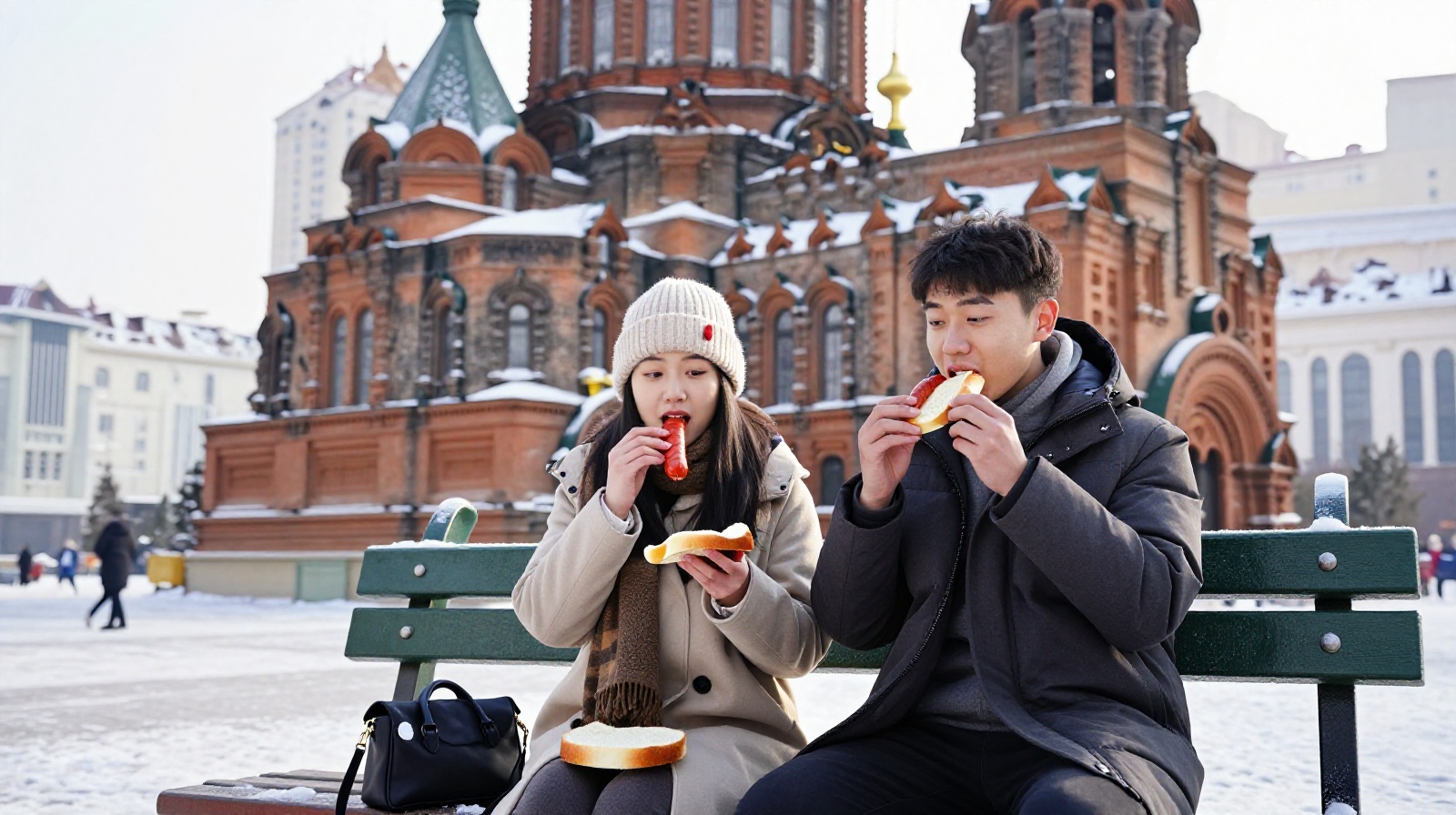
Walk down Harbin’s Central Street in winter, and the air smells of charcoal grilling and cold sweat. Tourists flock to the neo-Renaissance architecture of Saint Sophia Cathedral, snapping photos as if they have stepped into a different continent. But for Li Wei, a 34-year-old IT engineer who has lived here his whole life, this ‘Russian’ flavor is not a museum exhibit; it is breakfast.
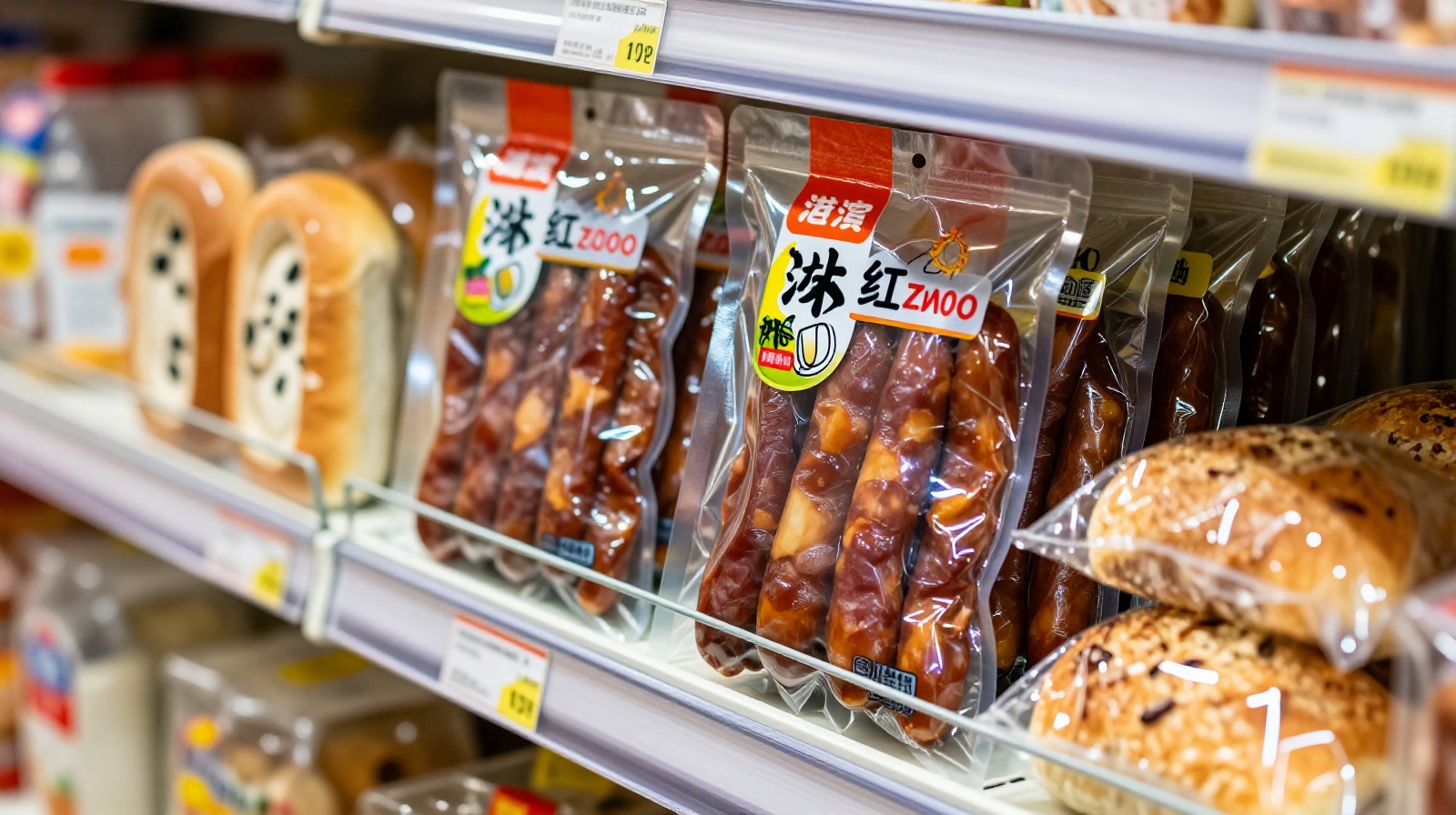
Li doesn’t travel to Russia to find authentic food. He stops by a local bakery on his way to the subway station. There, he buys a loaf of Dalieba (a dense, dark rye bread) and a pack of Hongchang (Harbin red sausage). These items cost less than two dollars in total. To Li, they are as ordinary as baguette or ham is in Paris or London.
From Historical Staples to Supermarket Essentials
The narrative often presented to outsiders is one of exoticism: Russian architecture and cuisine as a unique, isolated curiosity. However, the reality in Harbin is far more integrated. The ‘Russian’ influence here has been fully localized over more than a century.
Take Hongchang, for instance. Originally introduced by Russian immigrants in the early 20th century, it has evolved. The traditional recipe used large chunks of pork and beef with heavy garlic notes. Today’s version, favored by locals like Li, is often leaner, sweeter, and smoked with Chinese fruits like apple or pear wood. It is sold not just in specialty tourist shops, but in every community supermarket across the city.
Similarly, Dalieba has adapted to modern tastes. The original heavy rye bread was difficult for many Chinese stomachs to digest. Local bakeries now offer lighter versions, often paired with butter or jam, making it a convenient snack rather than just a survival food during harsh winters.
Fusion in the Kitchen: A Case Study
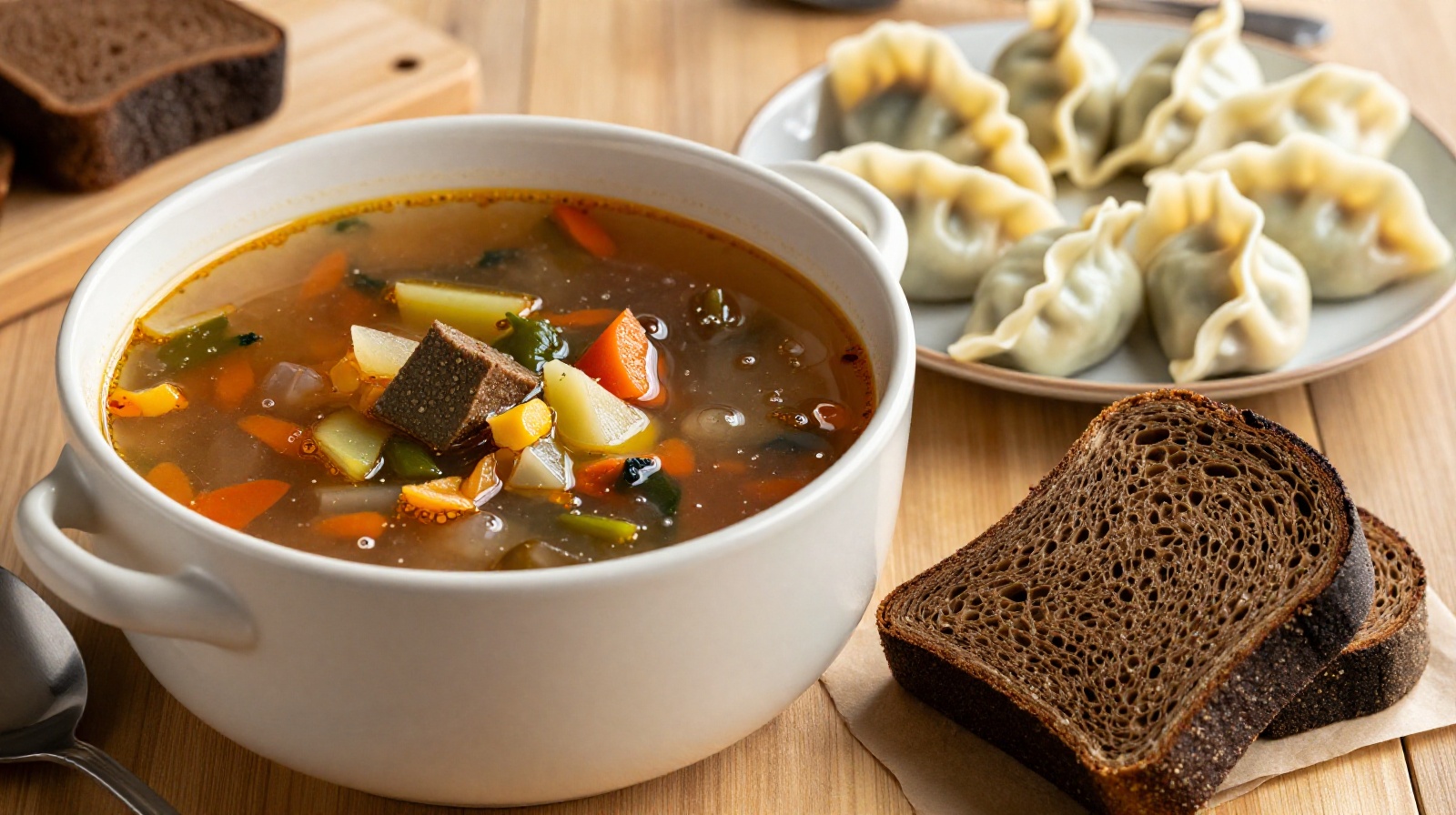
To understand this culinary fusion, visit a typical family home in Harbin on a Sunday evening. Zhang Min, a local chef, prepares dinner for her parents and her young son.
On the table sits a pot of Russian Borscht. But look closer: instead of just cabbage and beef, she has added diced potatoes and carrots common in Northeastern Chinese cooking. She serves it with chunks of Dalieba to soak up the broth. For the main course, there are steamed dumplings (jiaozi), but the filling includes a hint of black pepper and beef, reflecting Russian influence.
This is not ‘fusion cuisine’ created for restaurant menus. It is home cooking. As Zhang explains, ‘My grandmother learned to make borscht from her Russian neighbors in the 1950s. Now I teach my son how to make it with vegetables from our local market. It’s just Harbin food now.’
Urban Spaces: More Than Just Postcards
The physical spaces of Harbin reflect this same blend of history and modernity. Central Street (Zhongdajie) is famous for its cobblestones and European facades. While tourists dominate the scene during holidays, locals use it differently.
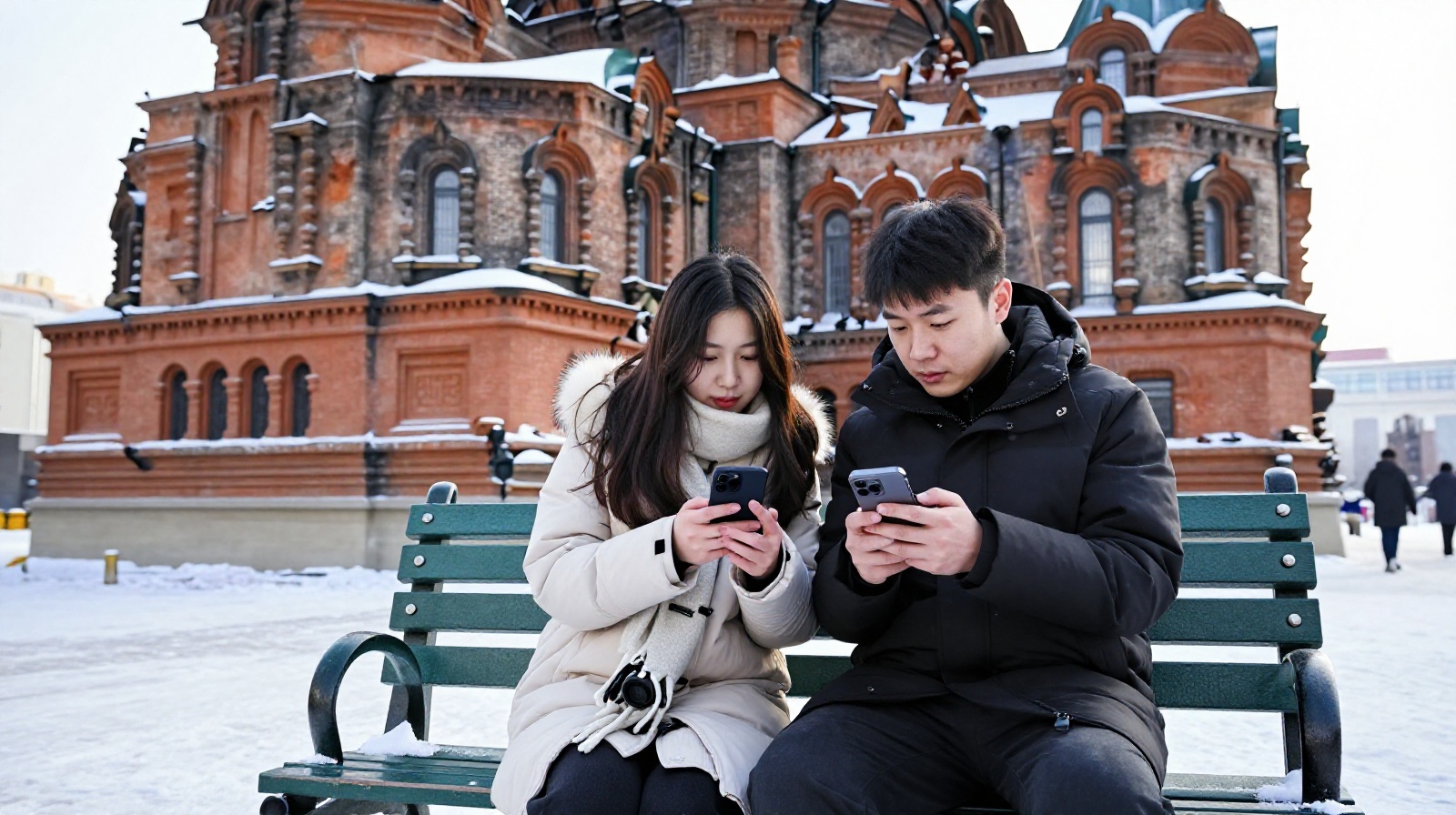
On a Tuesday afternoon, you will find young couples sitting on benches outside cafes like Bavarian Beer Hall (originally built for Russian workers in 1900). They are not dressed in traditional costumes or posing for photos. They are scrolling through phones, discussing work, or simply enjoying the cold air. The building’s history provides a backdrop, but their lives are entirely contemporary.
This preservation of historical facades is part of a broader trend in Chinese urban development: cultural confidence. Rather than demolishing old structures for glass skyscrapers, Harbin has chosen to maintain its unique identity. This strategy attracts not just tourists, but also creative industries and young professionals who value aesthetic diversity.
Youth Culture and Global Connectivity
For Gen Z in Harbin, this Russian heritage is a source of pride and practical opportunity. The city is seeing a resurgence in Russian language learning. Universities like Harbin Institute of Technology have strong ties to Russia, but even high school students are increasingly choosing Russian as their second foreign language.
‘It’s not just about history,’ says Chen Yu, a 20-year-old university student majoring in international trade. ‘Russia is our neighbor. We study each other’s markets, energy sectors, and tech industries. Knowing the language opens doors for jobs in logistics and cross-border e-commerce.’
This practical interest is amplified by digital life. On Chinese social media platforms like Douyin (TikTok) and Xiaohongshu, Harbin is often portrayed not as a distant exotic land, but as a ‘cool’ and accessible city. Young creators post videos of themselves eating Hongchang on the ice festival grounds or skiing in nearby resorts. They frame their multicultural heritage as part of their modern identity—global yet rooted.
A Bridge Between Cultures
In an era where global connections are often strained, Harbin offers a different perspective. Its ‘Russian’ elements are not relics of the past; they are living tools for connection and daily sustenance.
For outsiders, understanding Harbin means looking beyond the stereotype of the ‘Oriental Moscow.’ It is a city where history has been digested, adapted, and made its own. The red sausage, the dark bread, and the dumplings tell a story of adaptation and resilience. They show that in Northeast China, cultural exchange is not just a diplomatic concept; it is a taste on the tongue and a rhythm of daily life.