

More Than Just Pandas
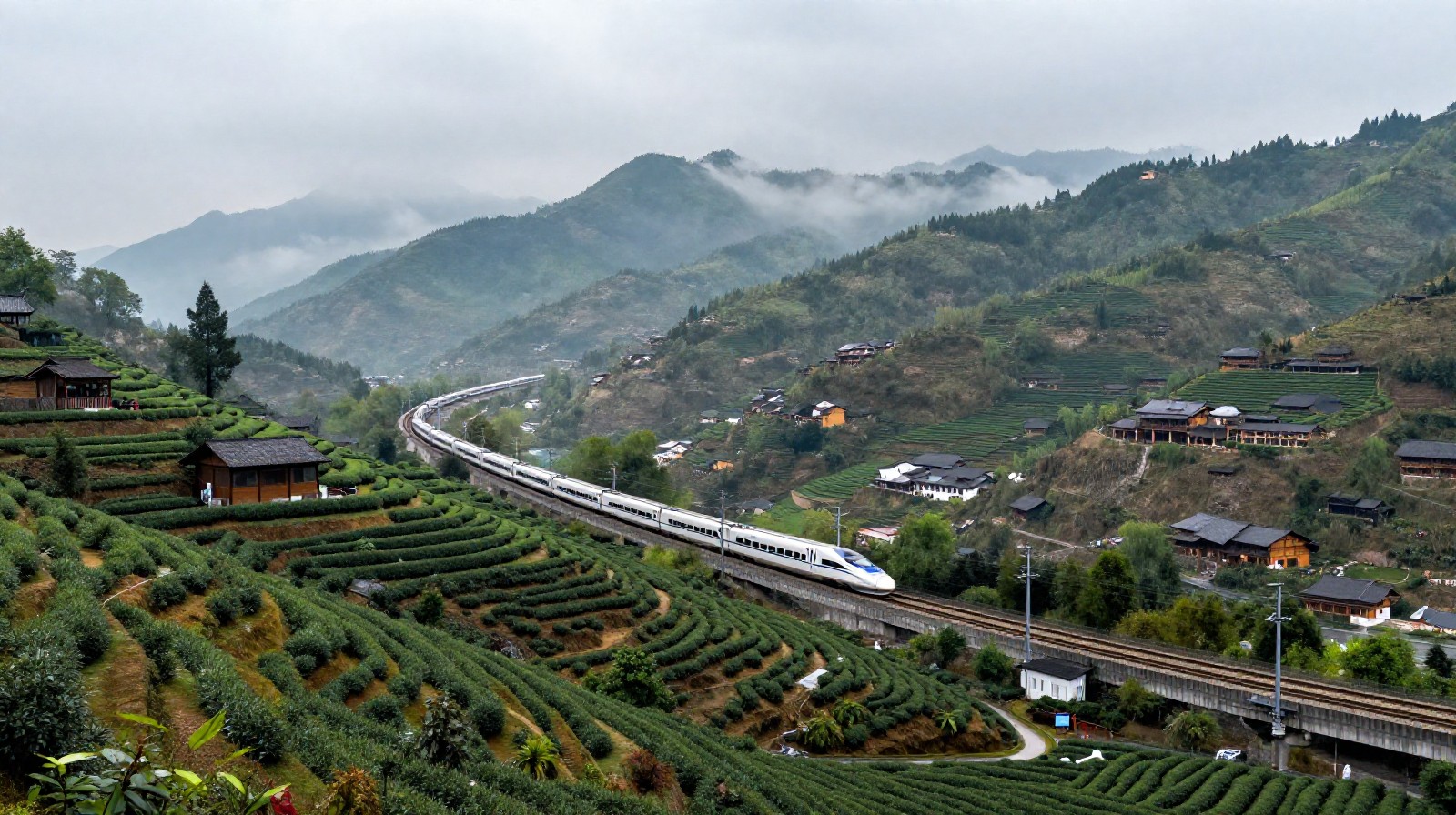
You might expect Sichuan to be a museum of bamboo and giant pandas. And yes, the Chengdu Research Base is full of them. But if you step just thirty kilometers past the city center, the landscape shifts dramatically from humid green valleys to rugged, wind-swept plateaus where yaks graze under thin blue skies.
This province isn’t a single story; it’s a symphony of different movements. It is a place where high-speed rail connects bustling metropolises with remote villages in less than two hours, yet the rhythm of life remains deeply rooted in local traditions. To understand modern Sichuan, you have to look past the tourist brochures and into the daily lives of its 80 million residents.
The Teahouse vs. The Plateau
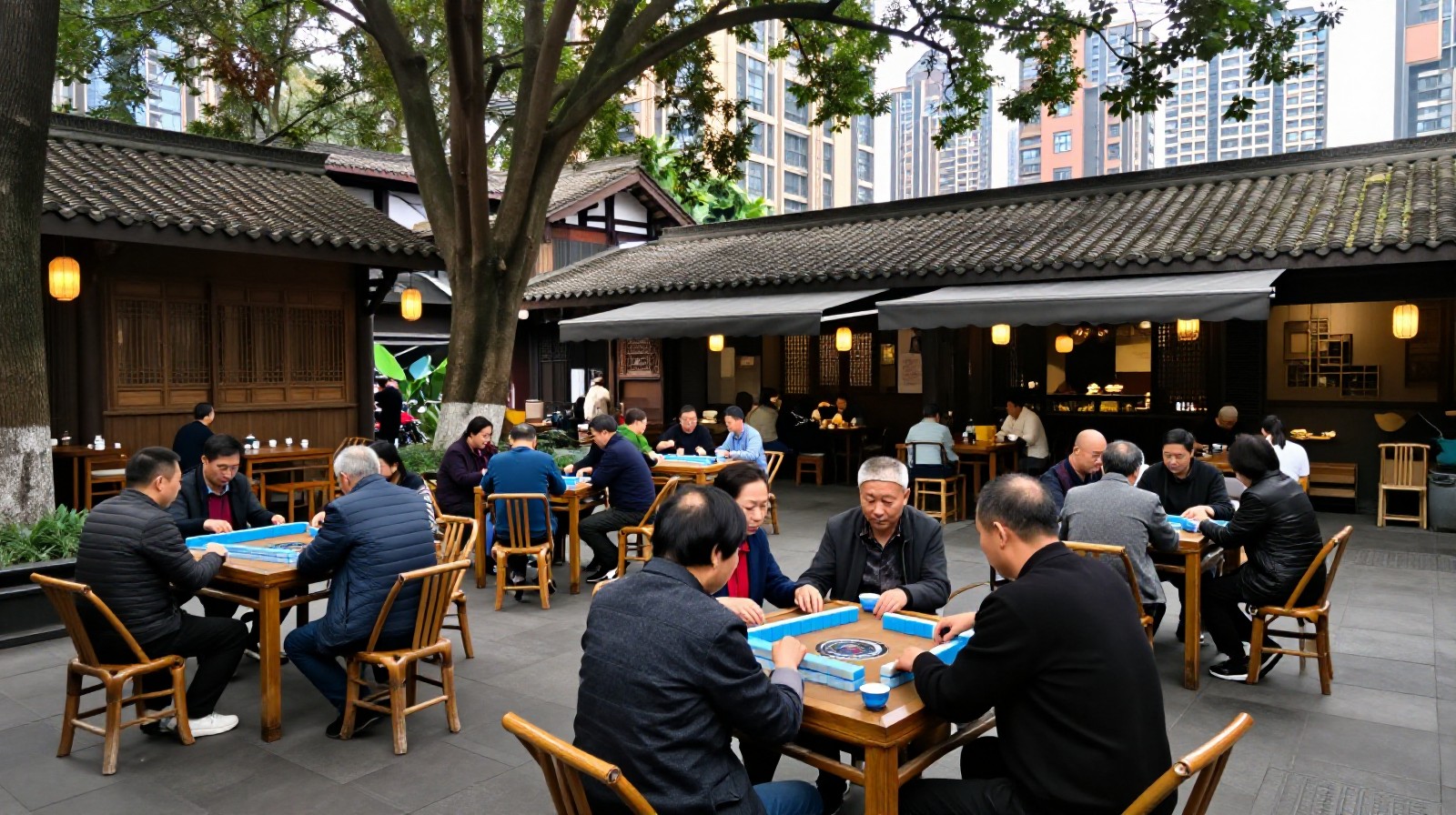
In Chengdu, time moves differently. Walk into any neighborhood teahouse in the early morning, and you will see people playing mahjong, getting foot massages with a simple towel rub, or simply sipping jasmine tea while chatting about local gossip.
This “slow life” is famous worldwide, but it sits right next to one of the most dynamic economies in China. In the same city, young tech entrepreneurs work late nights in glass towers, and delivery riders zip through traffic on electric scooters. It’s a unique balance: you can be part of a cutting-edge digital economy while still taking an hour-long break for tea.
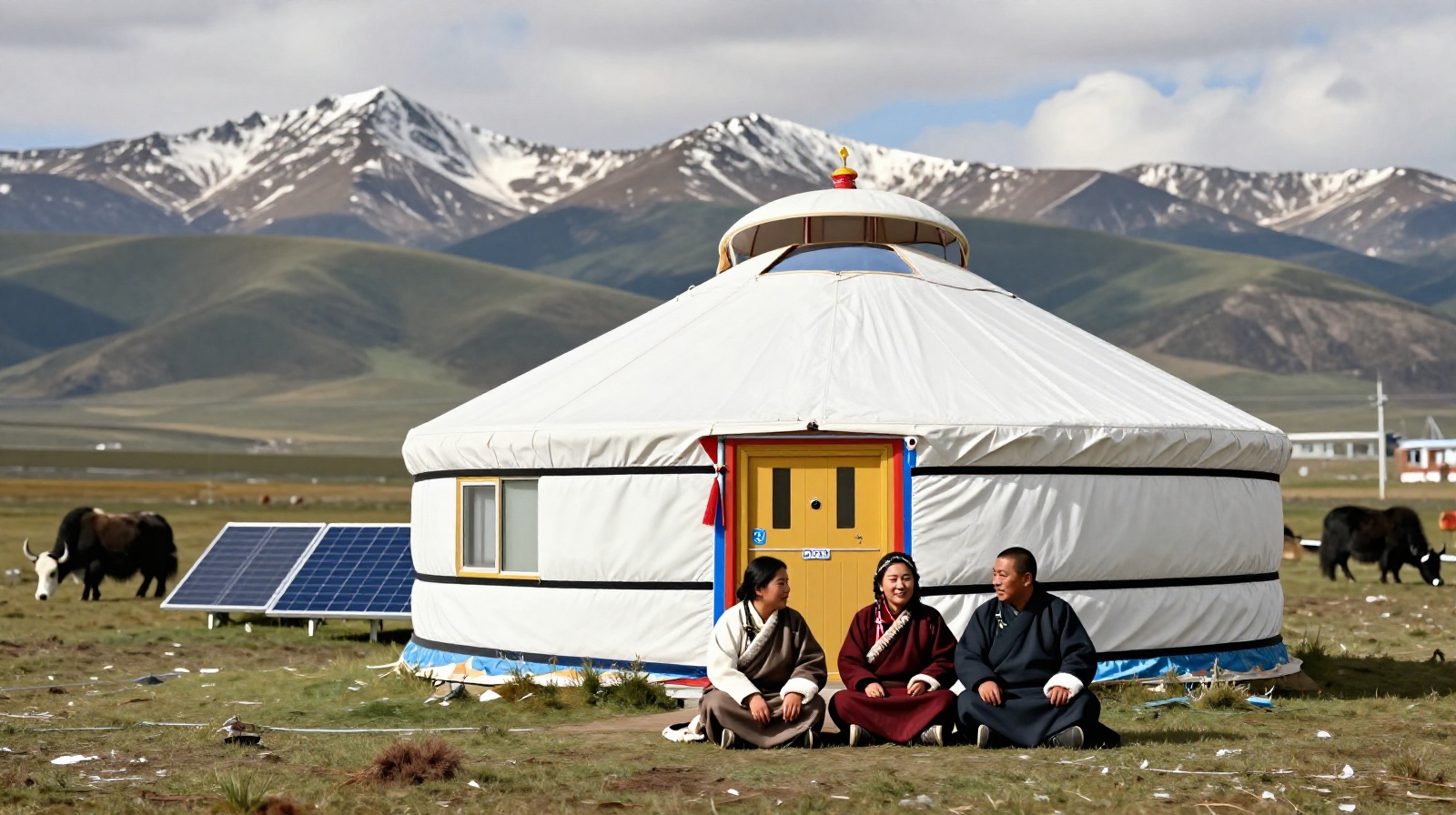
Contrast this with the western edge of Sichuan, where the land rises into the Tibetan Plateau. Here, the air is thin, and the culture shifts to nomadic traditions. In villages like Litang or Ganzi, life revolves around prayer flags fluttering in the wind and the movement of livestock.
Yet, this isn’t a frozen moment in history. You will find modern solar panels on Tibetan yurts, 4G signals reaching high mountain passes, and young herders using smartphones to sell yak butter tea online. The boundary between the “ancient” and the “modern” is blurry here; they coexist seamlessly.
The Panda Economy and Community
For decades, giant pandas were a symbol of conservation. Today, they are also the engine of a local economy that benefits surrounding communities. The panda bases aren’t just zoos; they are hubs for ecological tourism that fund habitat restoration.
In towns near these facilities, locals have transitioned from farming to becoming guides, hospitality staff, or vendors selling handmade crafts. A farmer might now earn more by hosting tourists who want to see the bamboo forests than by planting crops on steep hillsides. This shift has improved living standards while keeping nature intact.
Spicy Food and Family Tables
Global cuisine often knows Sichuan for its spicy hotpot or Mapo Tofu. While these dishes are delicious, the reality of a typical Sichuan family dinner is more varied and subtle.
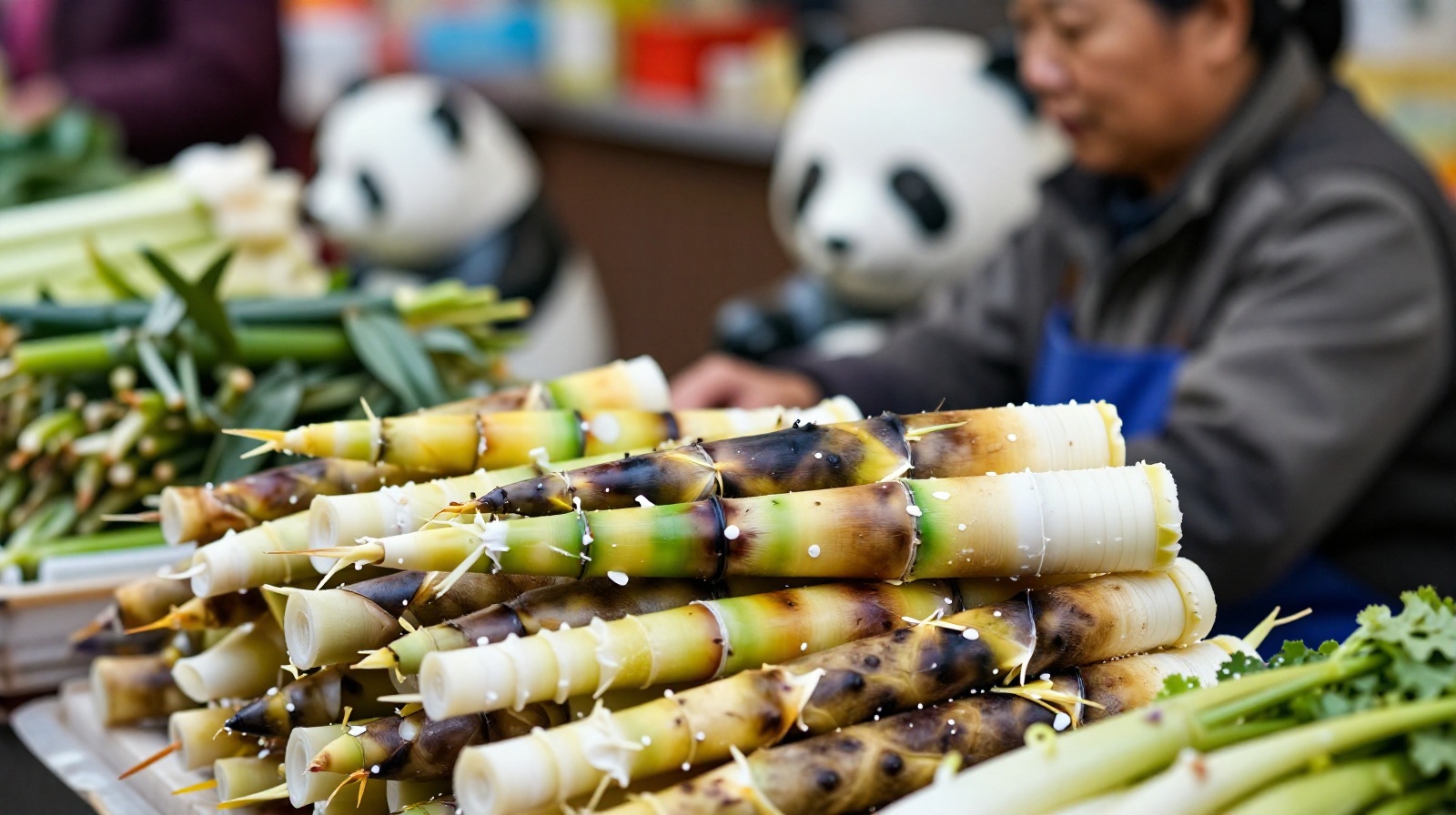
Home cooking relies heavily on fresh ingredients from local markets. A grandmother might teach her granddaughter how to make “twice-cooked pork” (huiguo rou), but today’s young families also order nutritious meals via apps or cook healthier fusion dishes. The spice level at home is often adjusted to suit children, differing significantly from the intense heat served in tourist restaurants.
A Mosaic of People
Finally, Sichuan is a melting pot. Thousands of people move between the western plateau and the eastern basin for work, education, or family reasons. You will see young Tibetans studying engineering in Chengdu universities, while Han Chinese families return to their ancestral villages in the mountains to start eco-tourism businesses.
This flow of people creates a vibrant cultural exchange. It’s not just about geography; it’s about how different lifestyles blend to create something new. From the steam rising from street-side hotpot stalls to the quiet prayer wheels by the snowy peaks, Sichuan is a place where the old and the new dance together.