

The Morning Market: $1.50 for Breakfast
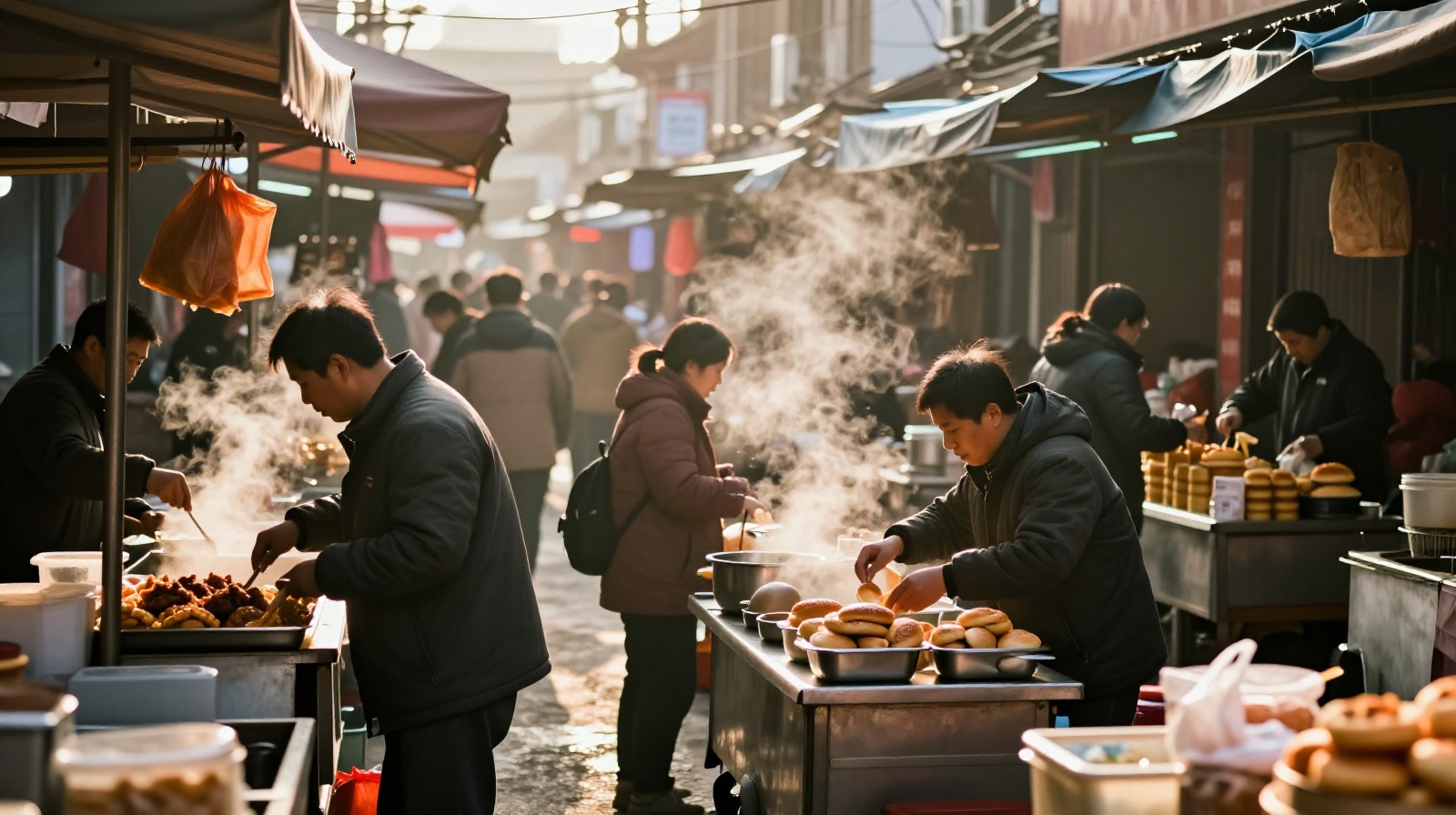
It’s 7:30 AM in Beijing. The air is still cool, smelling faintly of roasted sesame and soy milk. I am standing in a narrow alleyway near my apartment, waiting behind three elderly locals who are ordering from a steaming food cart.
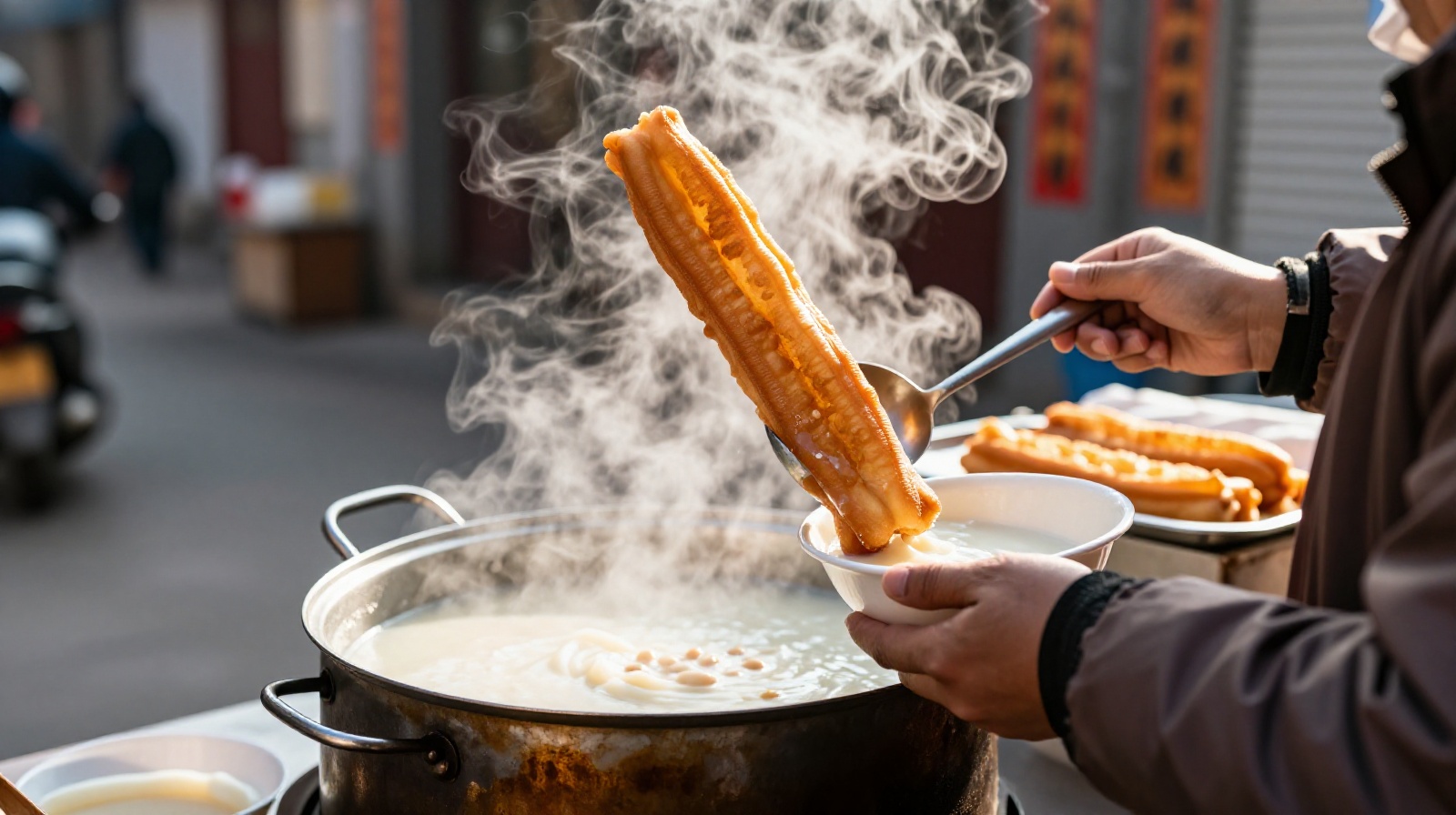
I order the standard combo: two fried dough sticks (youtiao) dipped in hot soy milk and one steamed pork bun (baozi). On a receipt printed on thermal paper by the vendor, the total is 10.5 RMB—about $1.45. In many Western cities, a coffee and a pastry alone would cost double this amount. Here, I am full before my commute begins.
This scene isn’t an anomaly. Across Chinese cities, from Chengdu to Hangzhou, street food remains the backbone of morning nutrition for millions. The infrastructure is built for speed and low cost. A simple bowl of rice noodles in a bustling market often costs less than $2.
Why It Feels Cheap
The affordability isn’t magic; it’s economics. Labor costs in the service sector remain relatively lower compared to Western nations, and the supply chains for ingredients are incredibly efficient. Farmers deliver vegetables directly to city markets in the early hours, bypassing multiple layers of distribution that drive up prices elsewhere.
As I walked away from the stall, holding my plastic bag with a warm paper cup in one hand, I realized that for $10, I wasn’t just surviving; I was eating like a local. The challenge isn’t about deprivation; it’s about accessing the ecosystem of daily life that locals take for granted.
Midday Commute and Lunch: $3.50
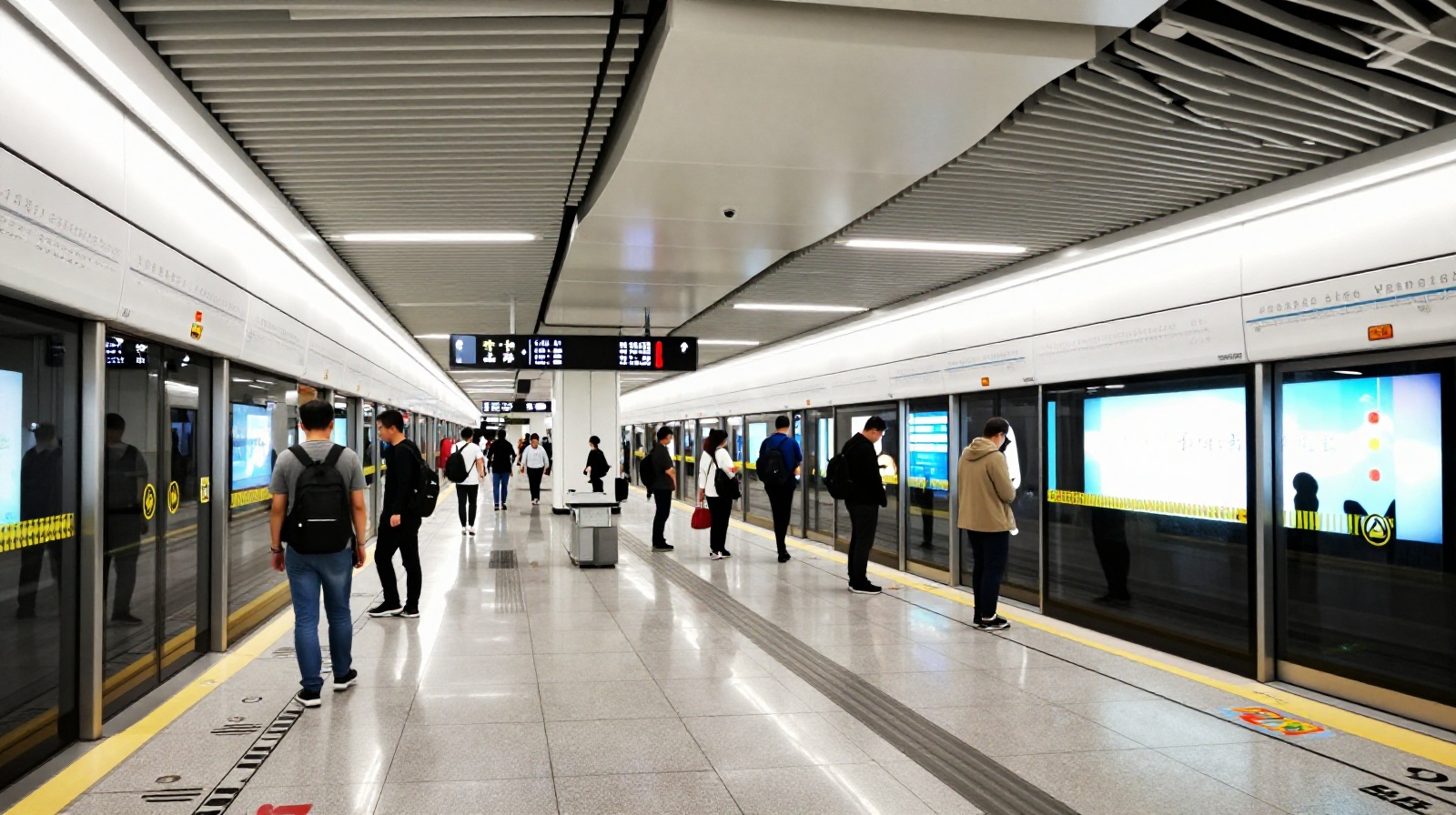
By 9:00 AM, I am at the subway station. In Beijing or Shanghai, the metro is a marvel of efficiency. A single ride costs between 3 to 7 RMB ($0.40–$1), depending on distance.
I tap my phone (or purchase a one-time card) and descend into the cool tunnel. The train arrives in under two minutes. Inside, it’s packed but orderly. People are reading on phones, listening to music, or dozing off. There is no rush hour chaos, just the rhythmic hum of the system.
For lunch, I skip restaurants with white tablecloths and head for a “dai fan” (meal deal) spot. These are ubiquitous counters often found in office buildings or near subway exits. For 18 RMB ($2.50), I get a plate of stir-fried vegetables, a portion of braised pork, and a bowl of rice.
The quality is surprisingly high. The meat isn’t cheap filler; it’s seasoned well. The vegetables are fresh and hot. In the US or Europe, a similar sit-down meal at a casual chain would easily run $15 to $20. Here, I finish my plate with 3 RMB ($0.40) left over.
The Afternoon: Free Culture
With only $5 remaining and the sun high in the sky, I need to stretch my budget. The solution? Public spaces.
I head to a nearby park. In China, urban parks are often free or cost less than 1 RMB ($0.15) for entry. Unlike some Western cities where parks might be fenced off or require parking fees, these green lungs of the city are open and accessible to everyone at all hours.
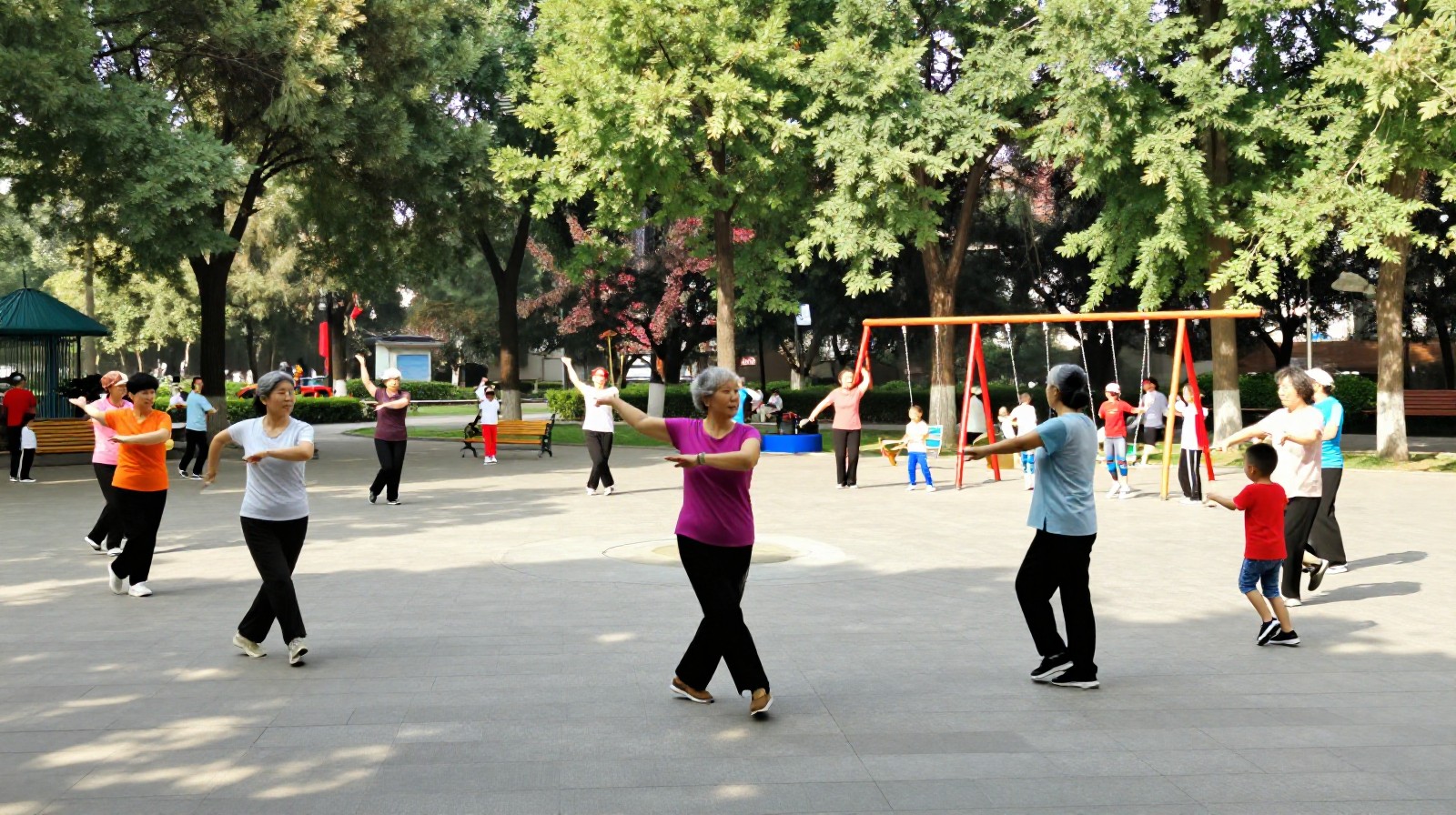
Here, I see the true rhythm of Chinese life. Elderly couples dance in synchronized groups to loud music. Children play on swings while parents chat nearby. A group of young people is playing badminton on a makeshift court. It’s a social hub that costs nothing.
I spend two hours here, observing and soaking up the atmosphere. Later, I visit a public library or a community center, which are also free. In China, access to culture, education, and leisure is heavily subsidized by the government, ensuring that even those with tight budgets can participate in city life.
The Evening: Street Snacks and Reflection
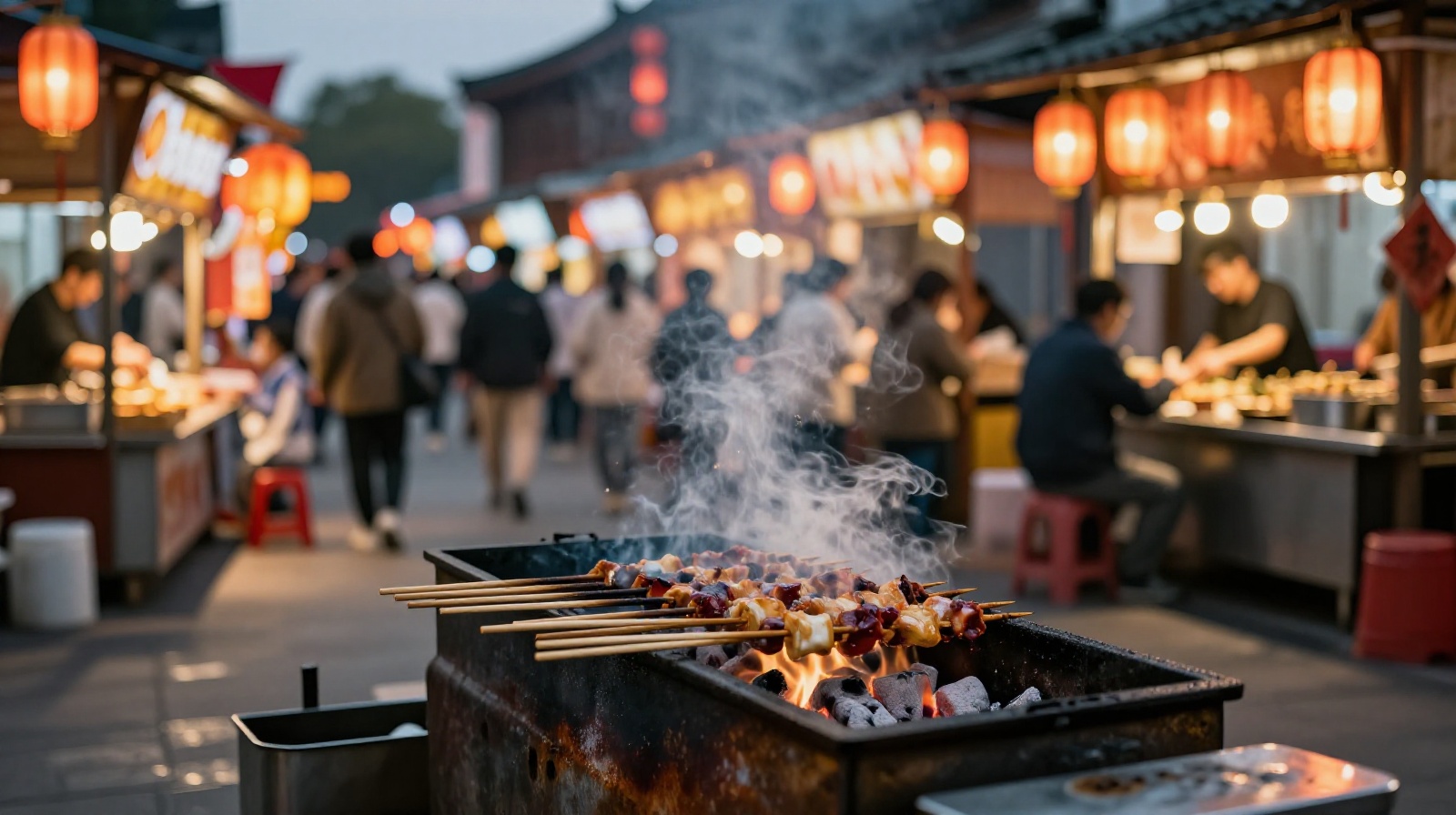
As evening falls, I have about $1 left. Instead of a fancy dinner, I stop at a night market stall selling skewers (chuan’r). For 5 RMB ($0.70), I get three skewers of spicy grilled chicken.
The heat from the grill mixes with the cool night air. It’s a sensory experience that defines street life in China. The total spend for the day comes to exactly $9.80, leaving me with 20 cents change.
What This Means
This challenge wasn’t about proving I can live on poverty wages; it was about understanding the baseline of daily existence in a modern Chinese city. The data supports this: according to recent cost-of-living comparisons, basic food and transport in tier-1 cities like Beijing are significantly cheaper than in New York or London.
However, there are nuances. While food is cheap, housing prices in these same cities can be astronomical, often consuming a large portion of income for young professionals. But for a visitor or someone on a tight budget, the daily operational costs—eating, moving, playing—are incredibly manageable.
The takeaway is clear: You don’t need to spend hundreds of dollars a day to experience China. By stepping away from tourist traps and embracing the local infrastructure, $10 a day is not just possible; it’s a vibrant way to see the country through the eyes of its residents.