
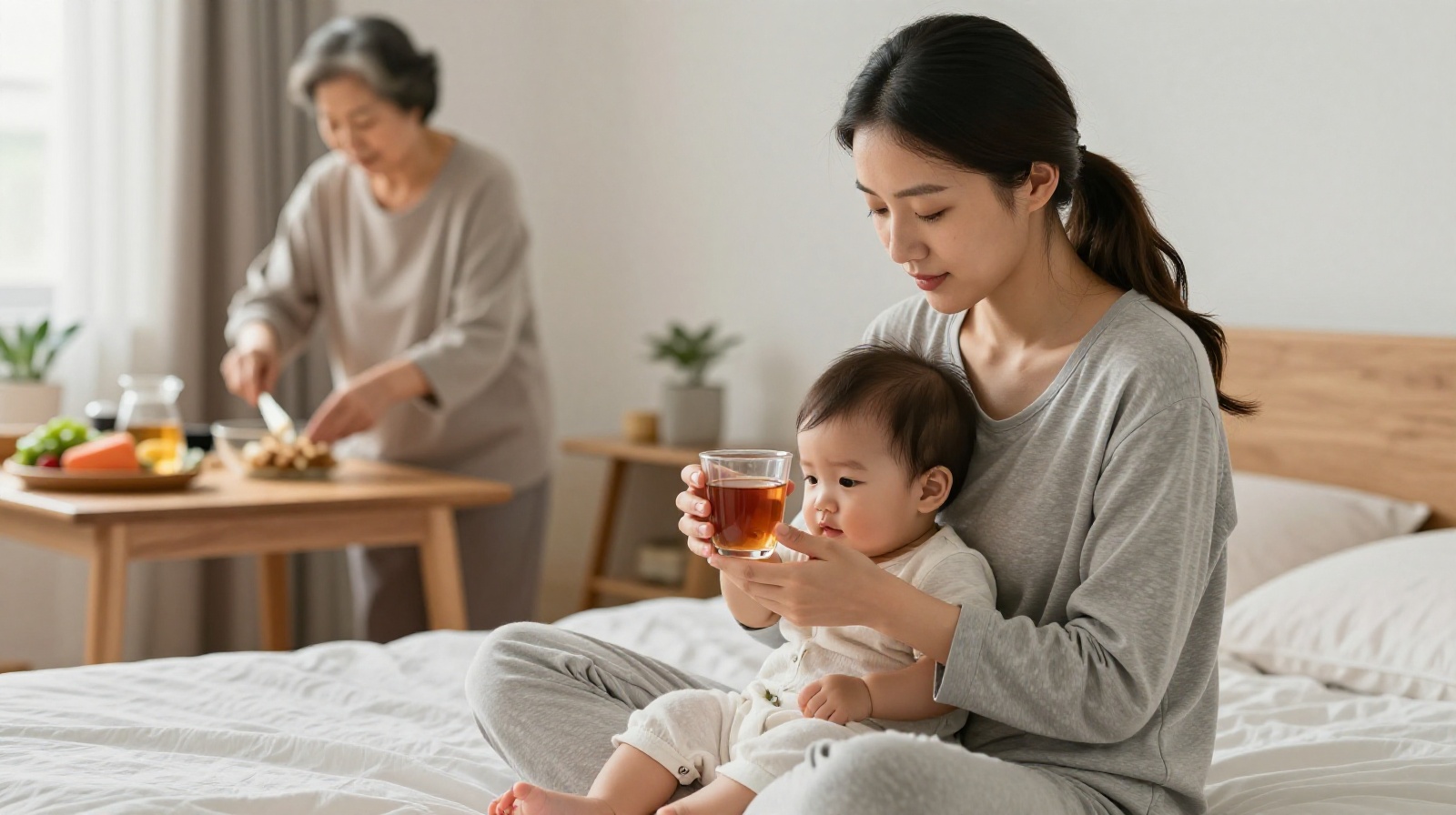

A Month of Quiet Recovery
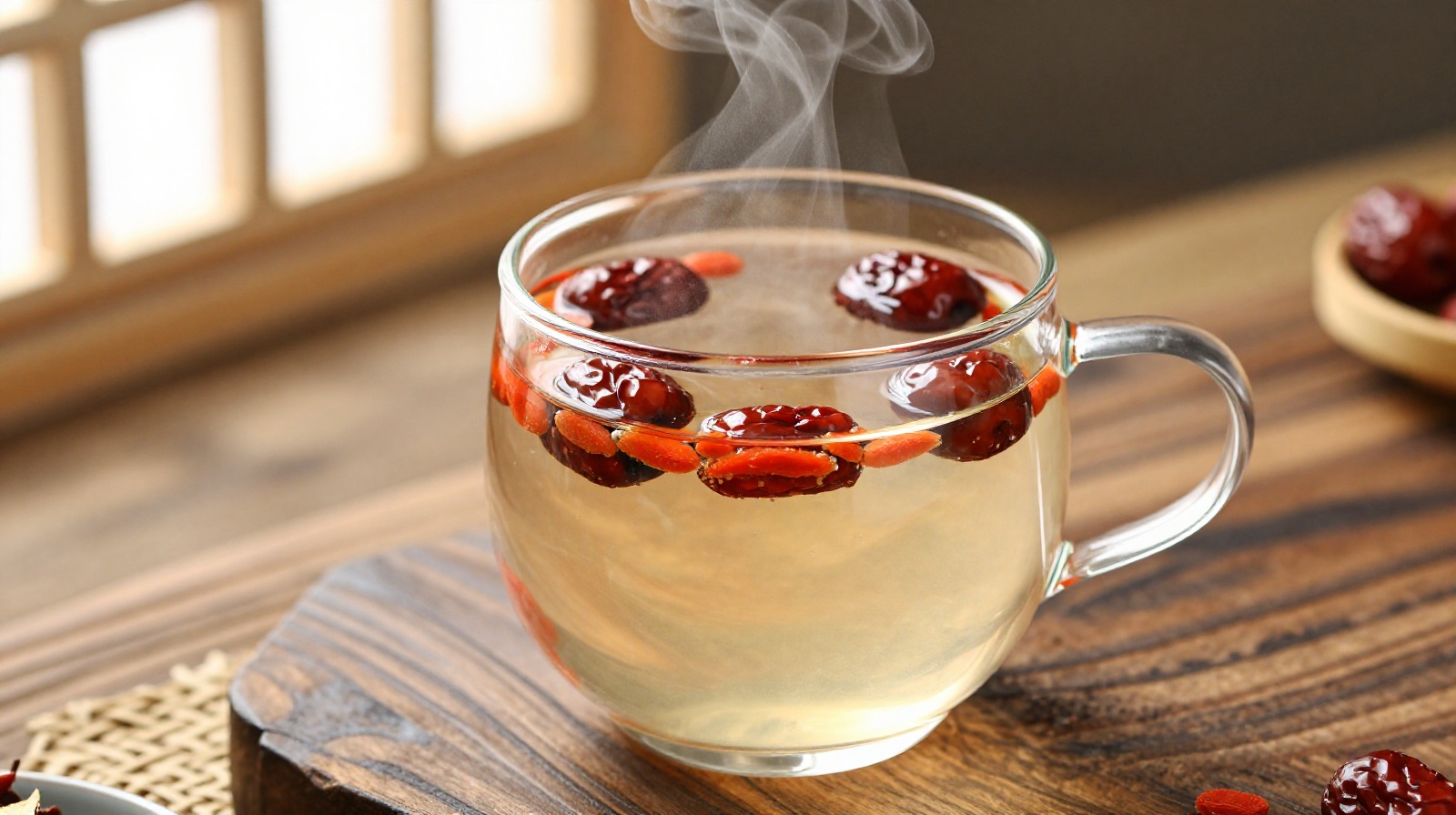
It starts with a simple, firm rule: no cold water. For the first thirty days after giving birth, Li Wei, a 30-year-old graphic designer in Chengdu, doesn’t wash her hair, avoids stepping outside into the wind, and drinks only warm herbal teas. To an outsider, this might look like unnecessary hardship, but to Li and millions of other Chinese women, it is zuoyuezi—”sitting the month.” This ancient postpartum ritual dictates that a new mother must rest completely, avoid drafts, and consume nutrient-dense foods to rebuild her body.
The philosophy is rooted in Traditional Chinese Medicine (TCM), which views childbirth as a significant loss of “qi” (vital energy) and blood. The goal is to seal the pores, prevent “wind-cold” from entering the body, and restore balance before returning to the demands of work and family.
The Family Hierarchy Shift
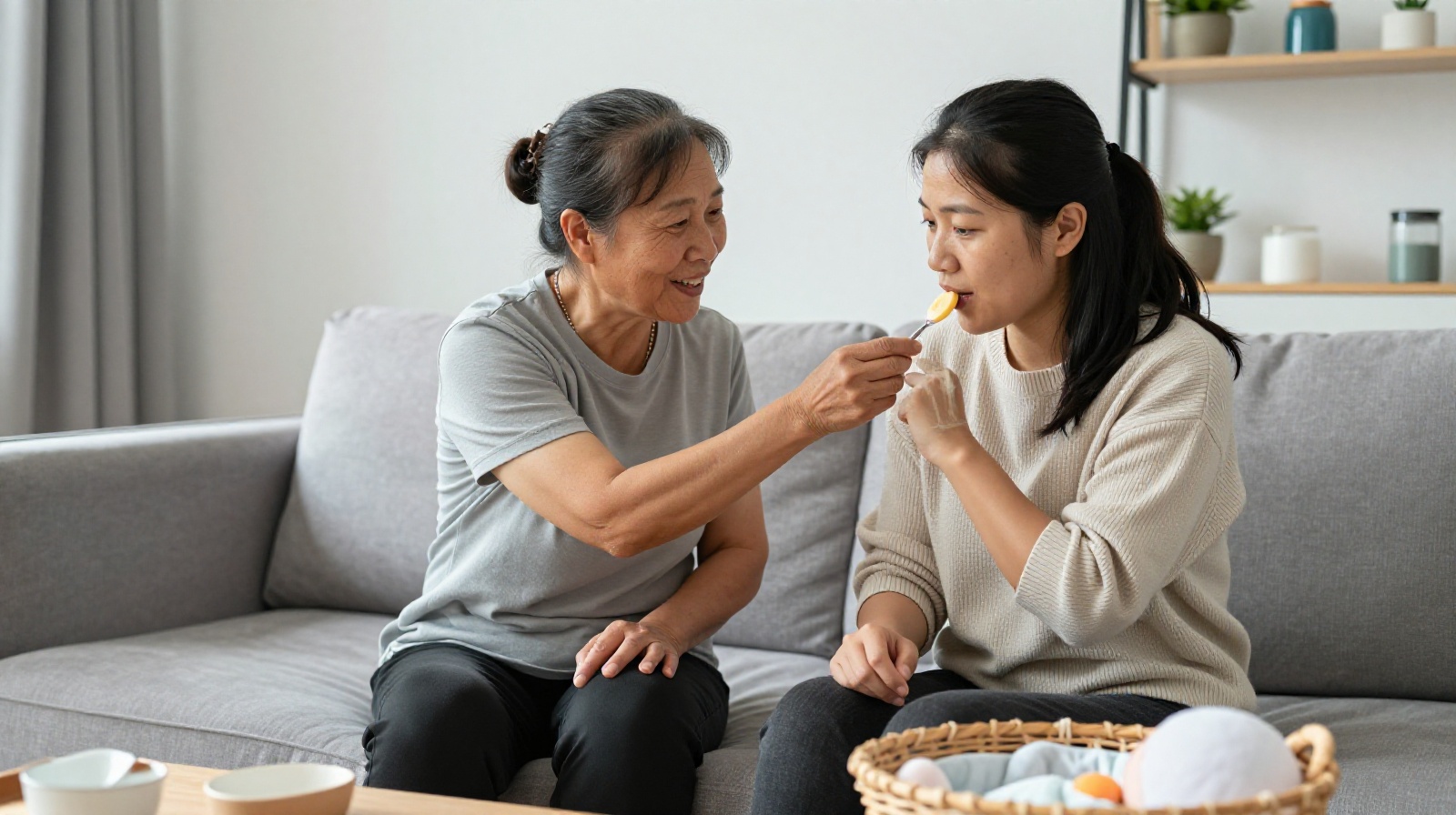
During these thirty days, the postpartum woman becomes the center of the household universe. In Li Wei’s home, her mother-in-law moved in specifically for this period. The dynamic flips: instead of the daughter-in-law serving the family, everyone else serves her.
This isn’t just about food; it’s about status. For many older generations, seeing a new mother cared for is a sign of a harmonious family and a well-run household. The mother-in-law takes over cooking, cleaning, and even bathing the baby, giving Li Wei permission to simply lie down and recover. “In my generation,” her mother-in-law explains, “we didn’t have this luxury. We were up at 4 AM every day. Now, I want you to sleep while I handle the night shifts.”
The Clash of Science and Tradition
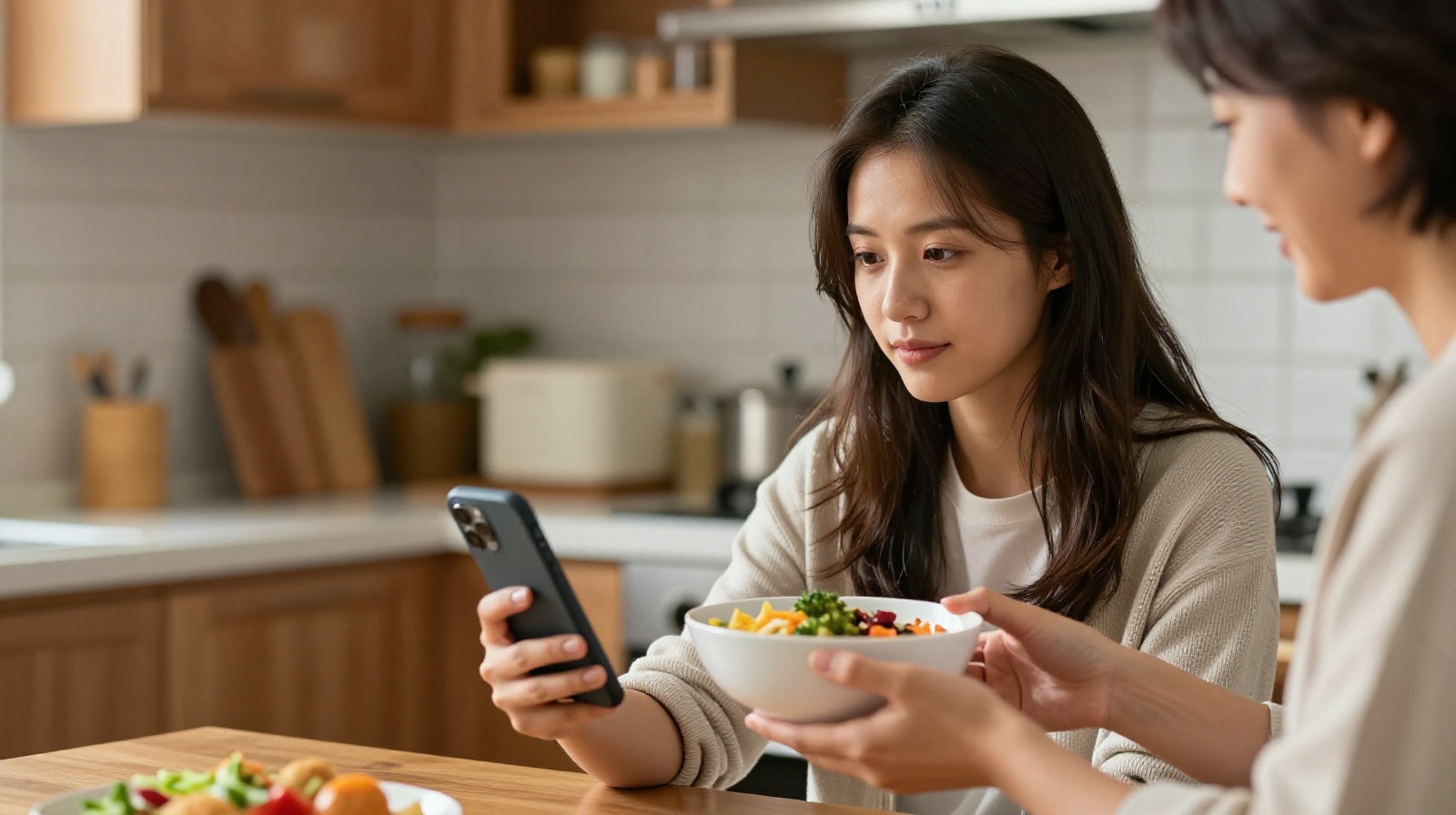
Yet, for Li Wei’s generation, this tradition is rarely a seamless fit. She studied in the West and believes in science-based recovery. “My doctor told me to shower to prevent infection,” she admits. “But my mother-in-law says cold water will cause arthritis later in life.”
This tension plays out daily. The kitchen becomes a battlefield of conflicting advice: warm ginger soup versus high-protein supplements; keeping the windows closed for fresh air versus letting sunlight in. Many young mothers like Li find themselves walking a tightrope, trying to honor their elders’ wisdom while adhering to modern medical guidelines. They might wash their hair with hot water and dry it immediately, or take short walks inside the apartment if the weather permits.
The compromise is often emotional. It’s not just about health; it’s about respecting the care of those who raised them. “I know she means well,” Li says. “If I refuse her food, it feels like I’m rejecting her love.”
When Tradition Meets Commerce: The Confinement Center Boom
To resolve these family tensions and ensure the best care, a massive industry has emerged: the yuezi center. These are specialized hotels where new mothers stay for 28 to 40 days. Here, the “rules” of sitting the month are professionalized.
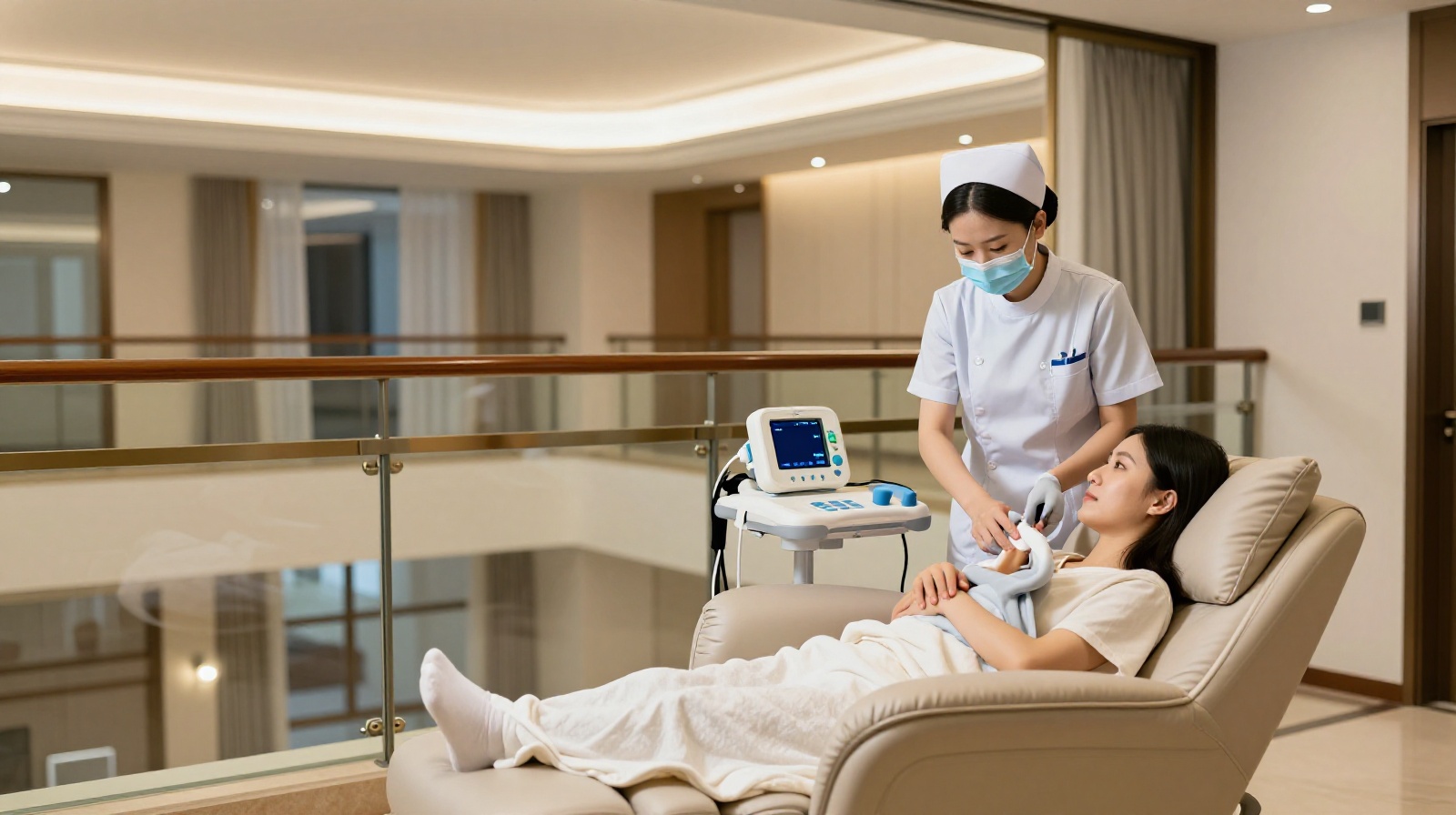
In a Shanghai confinement center I visited, rooms are soundproofed and dimmed with soft lighting. Staff include lactation consultants, nutritionists, and nannies trained in both TCM principles and Western pediatrics. They prepare meals tailored to the mother’s recovery stage—avoiding all raw foods, serving warm soups daily, and monitoring the baby’s sleep cycles.
This shift has turned a domestic chore into a luxury service. For many urban professionals who can afford it, hiring these centers removes the friction between in-laws and parents-in-law. It transforms a potential source of conflict into a paid, expert solution. The cost ranges from $5,000 to over $30,000 USD, reflecting a society that is willing to invest heavily in the recovery of its women.
A Necessary Rest or Outdated Myth?
Is zuoyuezi truly necessary? From a medical standpoint, rest and nutrition are undeniably crucial. The body needs time to heal from the physical trauma of birth, regardless of culture. However, the specific taboos—like not brushing teeth or staying in dark rooms for weeks—are increasingly debated.
What remains undeniable is the cultural value: a dedicated space where a woman is prioritized above all else. In a fast-paced society that often demands constant productivity, zuoyuezi forces a pause. It creates a 30-day bubble of protection and care, acknowledging that motherhood begins with a period of profound recovery.
For Li Wei, the experience was exhausting but ultimately healing. “I felt safe,” she says, watching her baby sleep beside her. “Even if it’s just for one month, I knew I didn’t have to be strong. I could just be a mother.” That feeling of being cared for, deeply and unconditionally, is perhaps the truest legacy of this ancient ritual.