
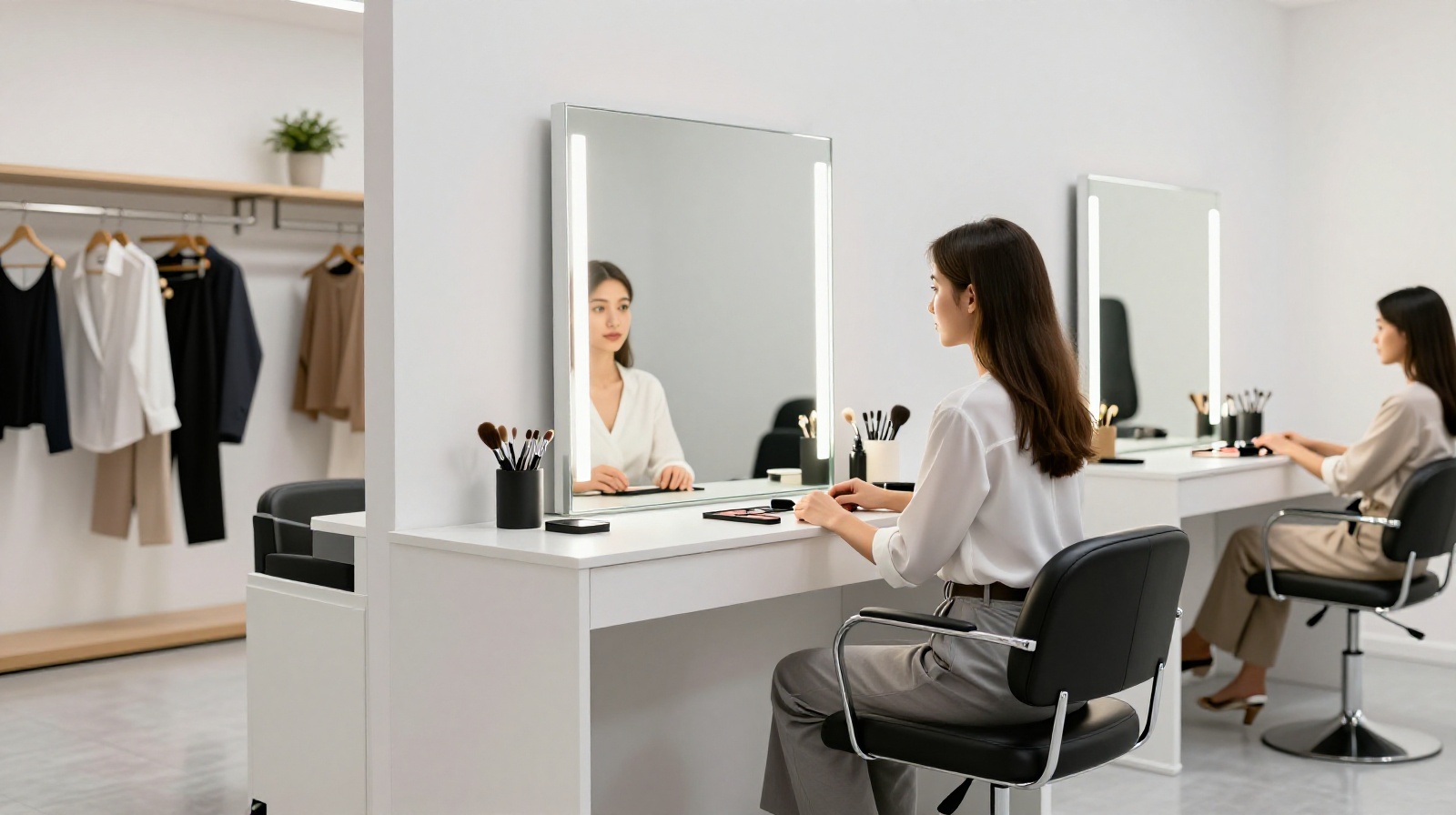

The air inside the Himo Photo studio smells faintly of hairspray and clean linen. It is a Saturday afternoon in Shanghai, and the waiting area is filled with young professionals clutching their phones, scrolling through portfolios of other customers’ photos. They aren’t looking at travel shots or food pictures; they are studying faces—specifically, jawlines, skin textures, and eye shapes. In this minimalist, white-walled space that looks more like a high-end skincare clinic than a traditional photo booth, the subject of conversation is universal: “Does my face look too tired?”
This scene captures the rise of China’s modern “ID photo economy.” For decades in China, official documents required standardized, often harshly lit snapshots. But today, these photos have become unexpected social currency. In a country where professional headshots and even dating profile pictures are increasingly expected to be polished, getting a “perfect” ID photo has transformed from a bureaucratic chore into a leisure activity—a beauty ritual akin to visiting a spa.

From Bureaucratic Necessity to Social Ritual
The shift is stark. A visit to a traditional, old-school photo studio often meant waiting in line, paying a few yuan for a strip of grainy prints, and leaving with an expression that was more “startled” than “dignified.” Today’s youth, however, treat the ID photo as a branding opportunity.
Brands like Himo (Haimati) and True Blue (Tianzhenlan) have revolutionized this space. They operate dozens of studios in major cities, often located in busy shopping malls. The experience is highly standardized. You don’t just walk in and take a picture; you book a service that includes makeup, wardrobe styling, and professional lighting.
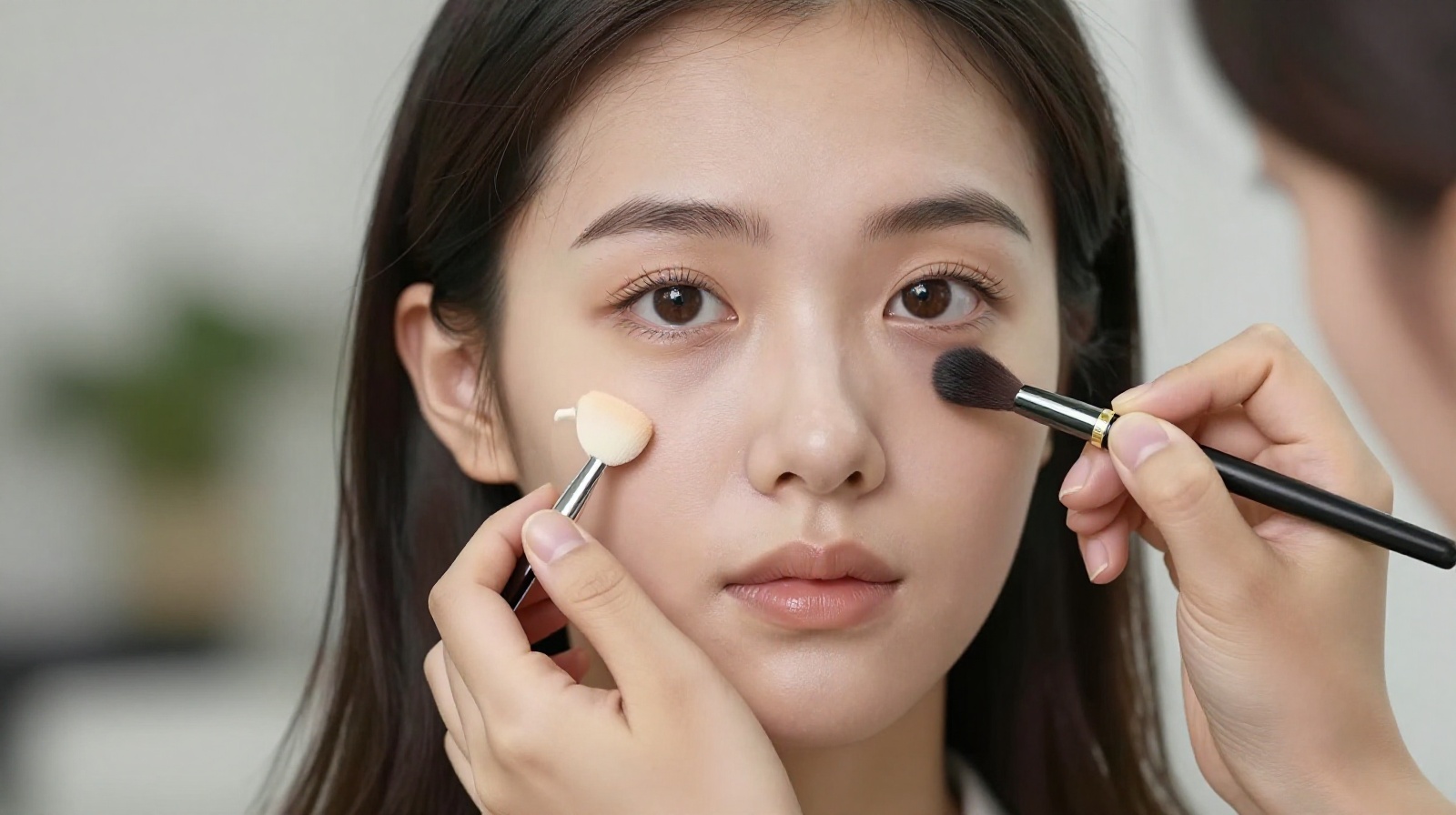
The process begins before the camera even comes out. Customers choose from pre-selected outfits—usually crisp white shirts or modest blazers—and are guided to make-up stations where artists apply natural-looking coverage. The goal isn’t to change who you are, but to remove the fatigue of a long work week.
The Art of “Face Pinching”: Retouching as a Social Norm
Once the photo is taken, the real magic happens during post-production. In China, this is known as “face pinching” (niǎn liǎn), a term that sounds intense but refers to a delicate digital art form.
The retouchers’ challenge is specific: they must alter facial features—slimming the jaw, brightening eyes, smoothing skin—while ensuring the photo remains recognizable enough for official use. This is not just about vanity; it’s about social pressure. In China’s competitive job market and dating scene, a polished appearance signals professionalism and self-discipline.
There is a subtle tension here. While many young people enjoy the process of getting pampered, others feel compelled to participate because “everyone else is doing it.” The ID photo has become a baseline expectation for social presentation. It’s no longer enough to look merely adequate; you must look “optimized.”
Why Young People Love These Studios
Beyond the practical need for an updated passport or visa photo, these studios have become popular check-in destinations. The aesthetic is Instagram-friendly: clean lines, soft lighting, and a sense of calm in a chaotic city.
The pricing model also reflects modern consumer habits. A standard ID photo package might cost between 200 to 400 yuan ($30-$55 USD), which includes the shoot, makeup, and digital files. While this is significantly more expensive than a street-side booth, customers feel they are paying for an experience—a moment of self-care that fits into their busy schedules.
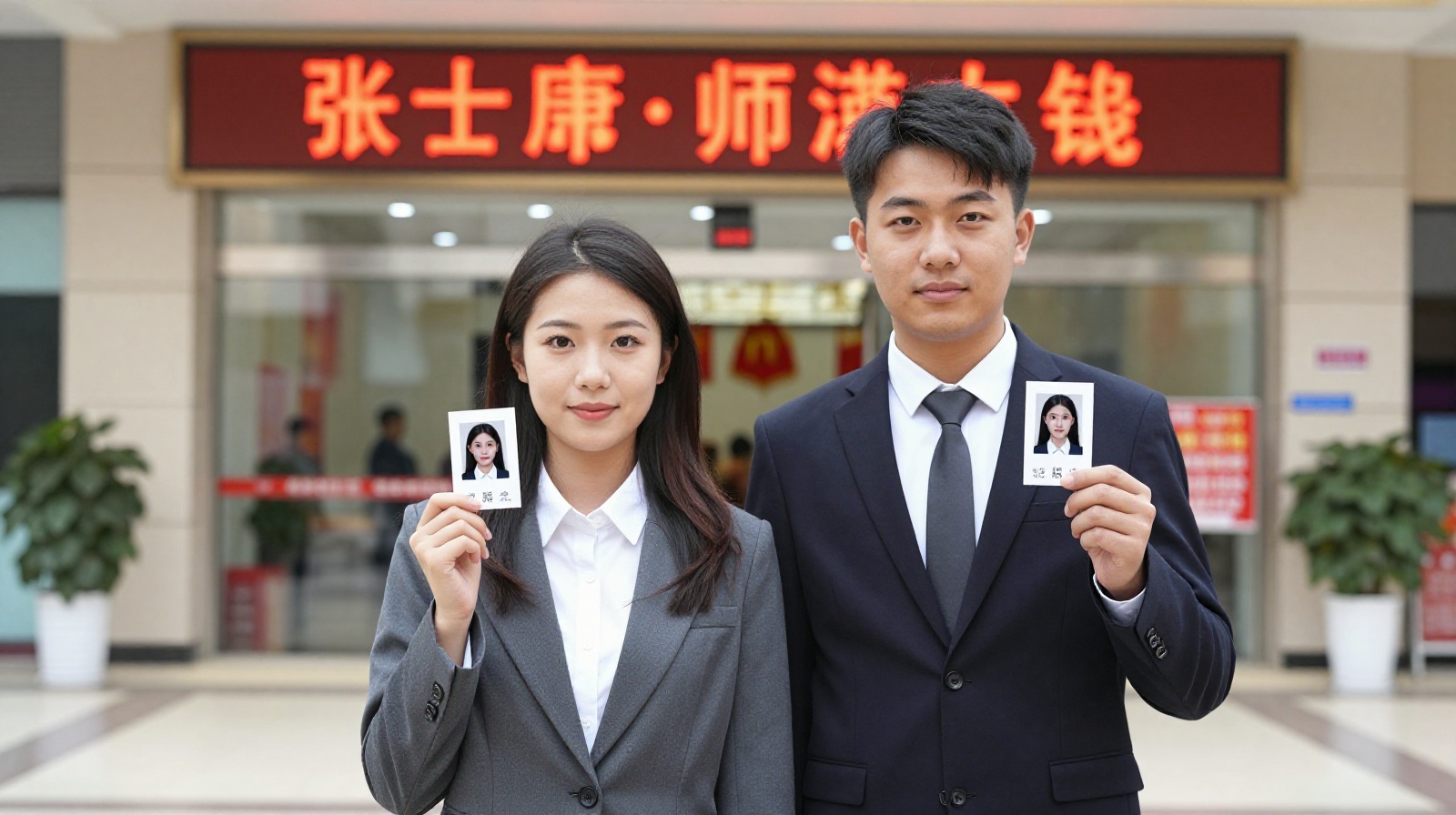
How to Navigate China’s Photo Studio Scene
If you find yourself in a major Chinese city and want to try this unique cultural phenomenon, here is a practical guide:
- Book in Advance: Walk-ins are possible but risky during weekends. Use the brand’s WeChat mini-programs or apps like Dianping (China’s Yelp) to book a time slot.
- Choose Your Style: Most studios offer different “packages.” Basic packages give you standard ID photos for visas or passports. Premium packages include more retouching options and sometimes printed albums.
- Communication is Key: Tell the retoucher your preferences. If you want a natural look, specify it. If you prefer a more polished, editorial style, ask for that. They are trained to adjust to your comfort level.
- Pace Yourself: The session takes about 1-2 hours. It’s a slow process compared to Western quick-shots, but the result is usually worth the wait.
The rise of these studios reflects a broader change in Chinese society: the blurring line between utility and lifestyle. Even something as rigid as an ID photo can be reimagined as a moment of personal expression. For many young Chinese, stepping into Himo or True Blue isn’t just about getting a document; it’s about curating their public self, one perfect pixel at a time.