

Heat, Sand, and the Hum of Servers
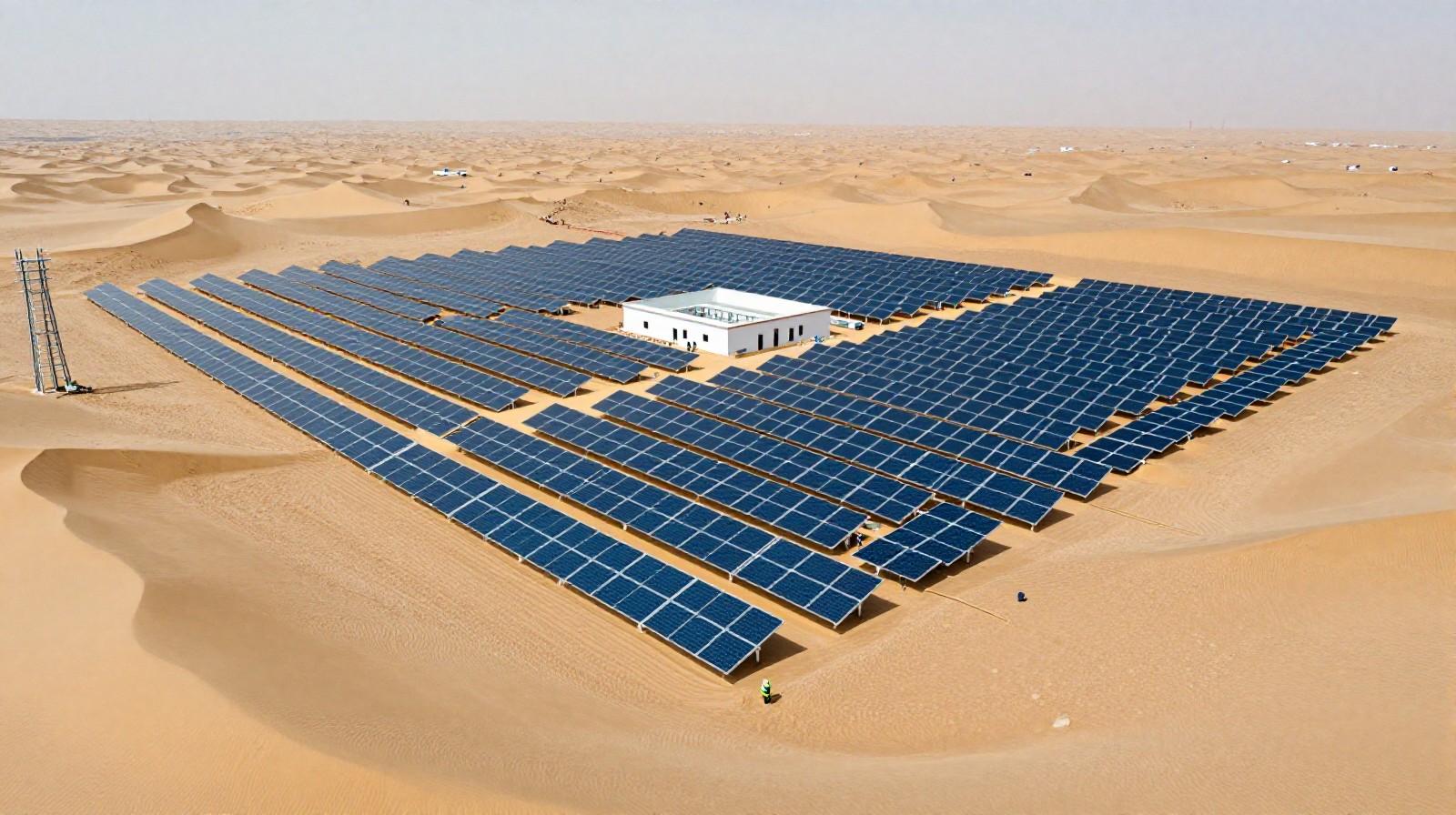
The wind here doesn’t just blow; it scours. At 35 degrees Celsius (95°F) in mid-July, the air shimmers over the endless expanse of yellow sand. There are no trees to break the view, only a horizon that seems to stretch into infinity. Yet, beneath this seemingly hostile landscape lies one of the most sophisticated pieces of infrastructure on Earth.
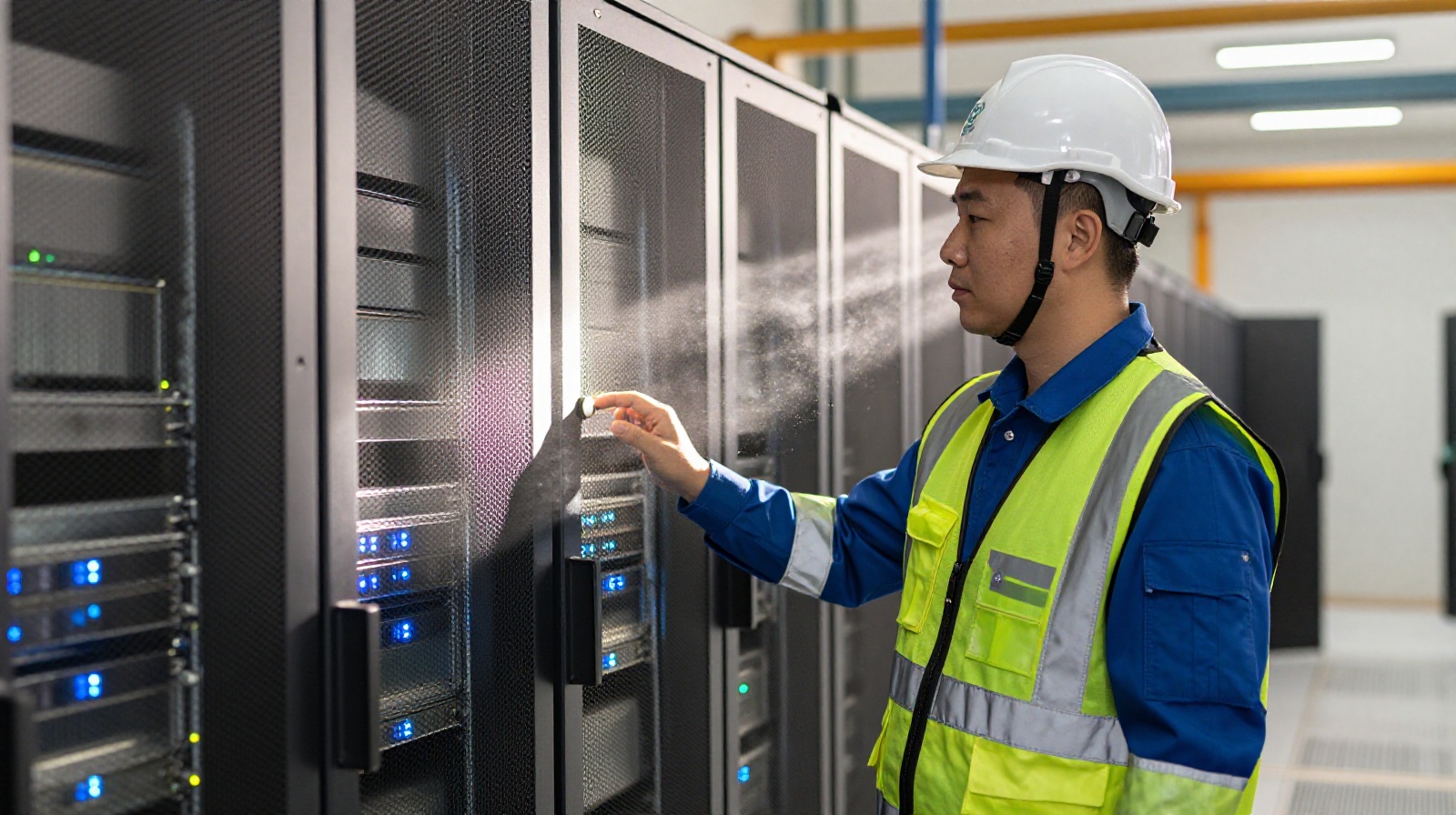
I stand next to Li Wei, a senior engineer who has spent the last three years designing the cooling systems for this facility. He is wiping dust from his safety glasses while pointing at rows of towering racks that look more like alien architecture than typical server rooms. “You think heat is our enemy,” Li says, gesturing to the scorching sun above. “In a data center built here, the cold desert air is our greatest asset. It costs almost nothing to cool these machines down.”
This is not just a solar farm or a warehouse for servers. It is the physical embodiment of China’s “East Data, West Computing” strategy—a national plan to move heavy computational workloads from crowded coastal cities to the vast, resource-rich west. The goal is simple but audacious: use the endless sunlight and abundant land in the Gobi Desert to power the world’s most energy-hungry technology.
Why the Desert? The Logic of Location
To understand why a desert, rather than a bustling metropolis, is becoming the heart of digital infrastructure, you have to look at three things: land, light, and physics. In cities like Shenzhen or Shanghai, real estate prices are astronomical, and cooling data centers requires massive amounts of electricity and water. Here, in Inner Mongolia’s Gobi, land is virtually free.
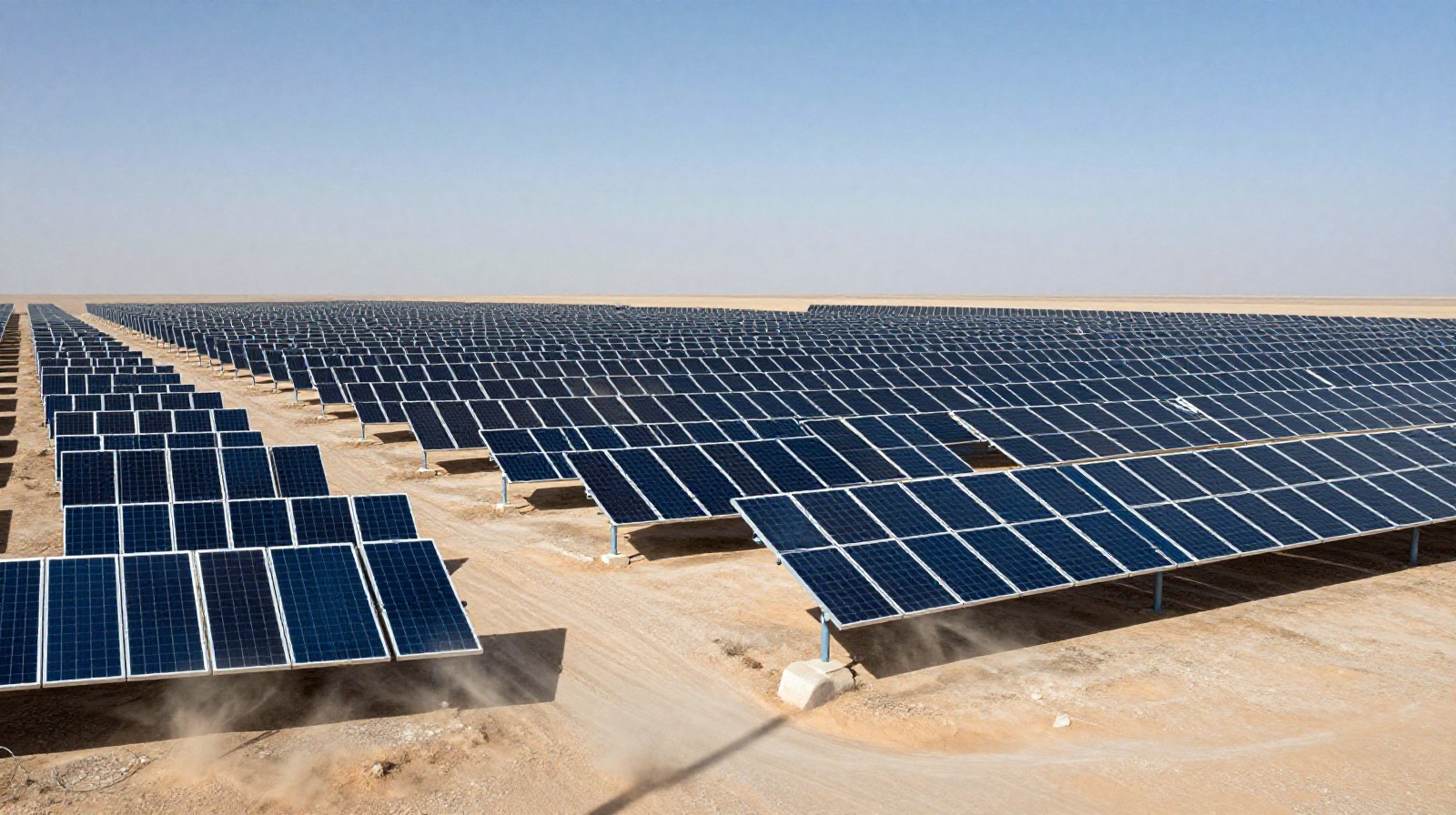
The solar potential is staggering. This region receives over 3,000 hours of sunshine annually—more than most places in Europe or the United States. For a facility that needs to run 24/7, this isn’t just about saving money on power bills; it’s about energy independence. The sheer volume of solar panels installed here can generate enough electricity to run thousands of supercomputers without drawing from the national grid.
But the real magic is in the physics. Supercomputers generate immense heat. In a humid coastal city, you need massive air conditioning units and millions of gallons of water just to keep them from melting. Here, the desert air is dry and cool at night. Engineers have designed an innovative system that uses free ambient air to cool the servers for up to 10 months of the year, drastically cutting energy consumption. It is a marriage of extreme weather and extreme technology.
Green Power Feeding Digital Brains
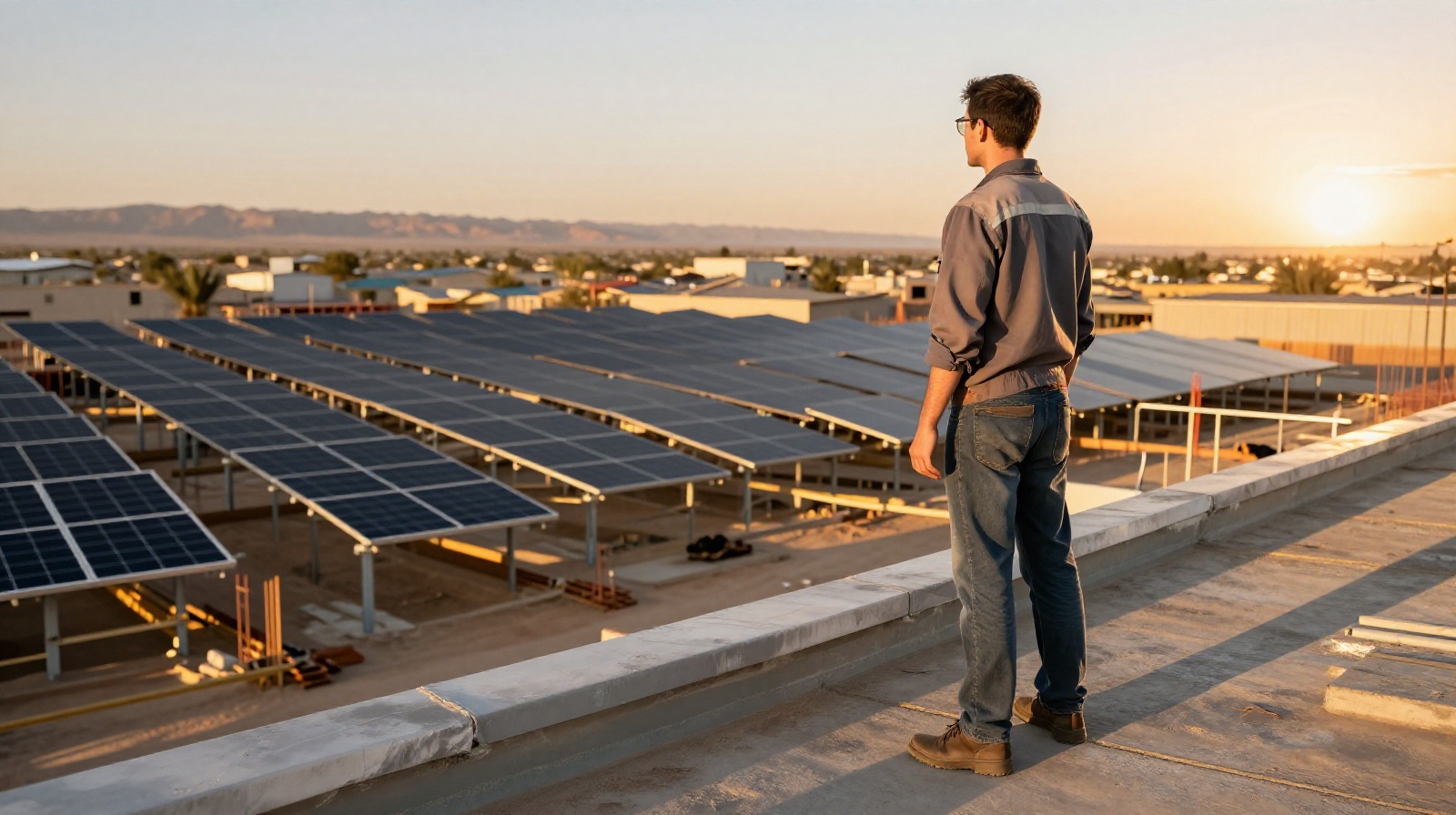
The visual contrast is striking. From a distance, the facility looks like a vast ocean of blue glass reflecting the sky—a sea of photovoltaic panels stretching for kilometers. But walk closer, and you see the intricate web of high-voltage cables connecting this “solar farm” directly to the server hall.
There is no middleman here. The sun hits the panels, electricity flows directly into the battery storage systems, and then powers the racks where AI models are trained and massive datasets are processed. This direct coupling eliminates transmission losses that occur when energy travels hundreds of miles through traditional grids. It is a closed-loop system: clean energy creates digital intelligence.
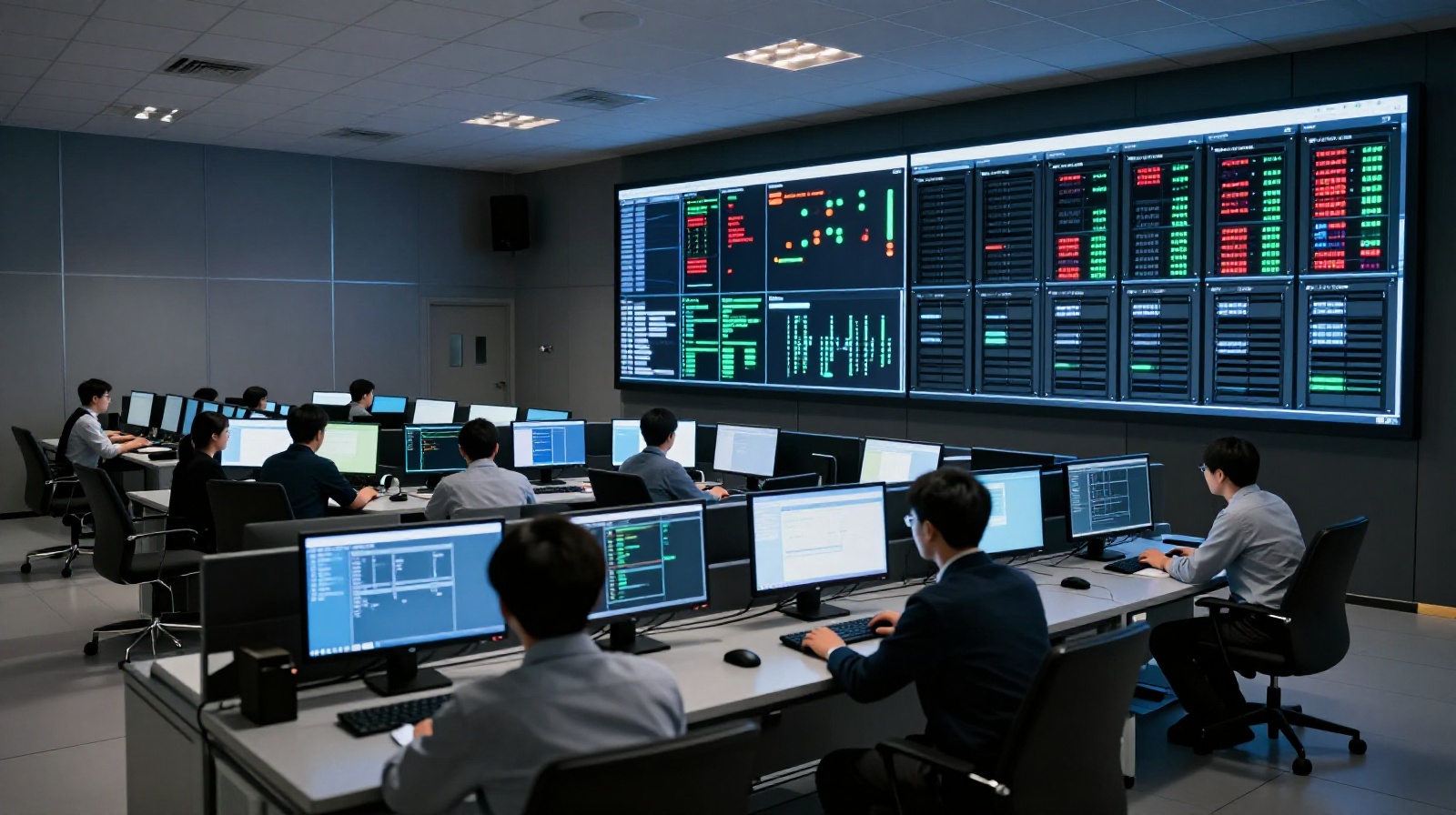
Li points to a control room filled with glowing screens monitoring real-time data flow. “We used to worry about the stability of solar power,” he admits. “But with modern battery storage and smart grid technology, we can store excess power during the day for use at night. The desert doesn’t sleep, and neither does this place.”
The efficiency gains are measurable. While a typical data center in a major city might have a Power Usage Effectiveness (PUE) ratio of 1.5 to 2.0—meaning it uses significant extra energy for cooling—this facility aims for a PUE of under 1.2. Every joule of solar energy is put to work calculating, not just keeping the room cool.
Building the Future on Sand
The construction process has been nothing short of monumental. Thousands of workers arrived in temporary settlements, bringing with them heavy machinery and supplies. The challenge wasn’t just technical; it was logistical. How do you transport tons of servers and massive solar arrays to a place where there are no roads?
Local communities have been part of this transformation. Before the project, many local herders lived in scattered tents, struggling with harsh weather and limited economic opportunities. Now, the site has become a hub of activity. Hundreds of locals were hired for construction, security, and maintenance roles.
I spoke to a young worker named Zhang, who used to raise goats but now checks the solar panel angles from his rooftop perch. “The pay is better,” he says with a laugh. “And I have a roof over my head that doesn’t leak when it rains. My family can send our kids to school in the city now.”
This shift represents more than just economic relief; it’s a glimpse into how China is attempting to balance rapid technological expansion with rural revitalization. The desert is no longer a place to be avoided; it has become a gateway to a modern economy.
A Digital Oasis in the Wasteland
As the sun begins to set, casting long shadows across the solar fields, the facility hums with a low, steady vibration. It is a sound that signifies life—digital life. In this remote corner of China, human ingenuity has turned a barren wasteland into a vibrant engine for the future.
The plan is not just about building servers; it’s about redefining what a desert can be. By combining green energy with high-performance computing, China is proving that the most advanced technologies don’t always need to be in the heart of the city. Sometimes, they belong out here, where the sky is vast and the wind is free.
The image that remains is not one of destruction, but of creation. Where once there was only sand and silence, now flows a river of data, powered by the sun. It is a quiet revolution happening in plain sight, transforming the map of the world’s digital economy from the inside out.