

The Engine That Never Roars
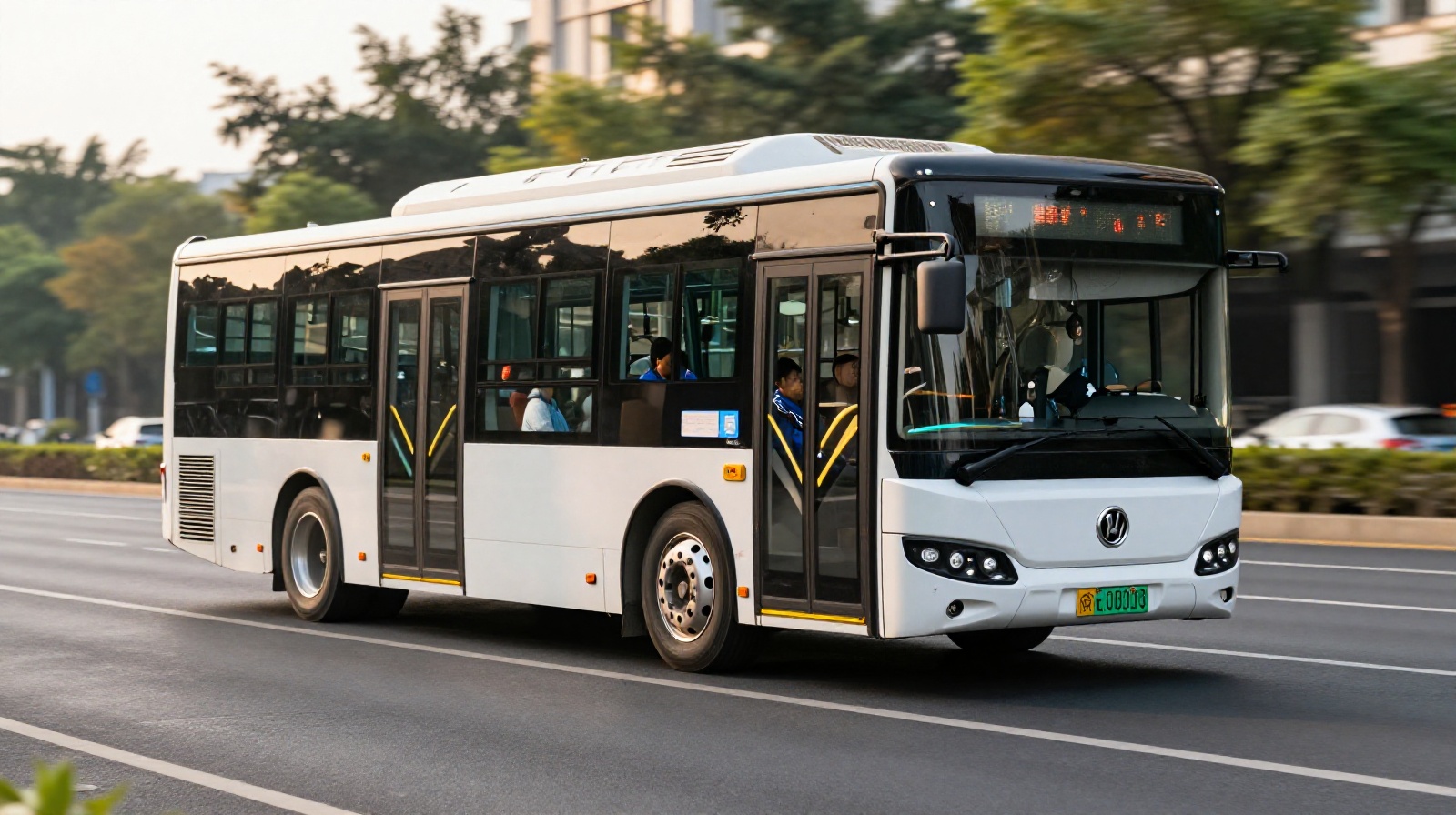
It is 7:45 AM in Shenzhen. The city is waking up, but on Route 109, the air is surprisingly still. You step onto the bus. There is no sudden jolt of a diesel engine starting, no exhaust smell burning your nostrils. Instead, there is a soft, electric hum as the doors slide shut and the wheels begin to roll.
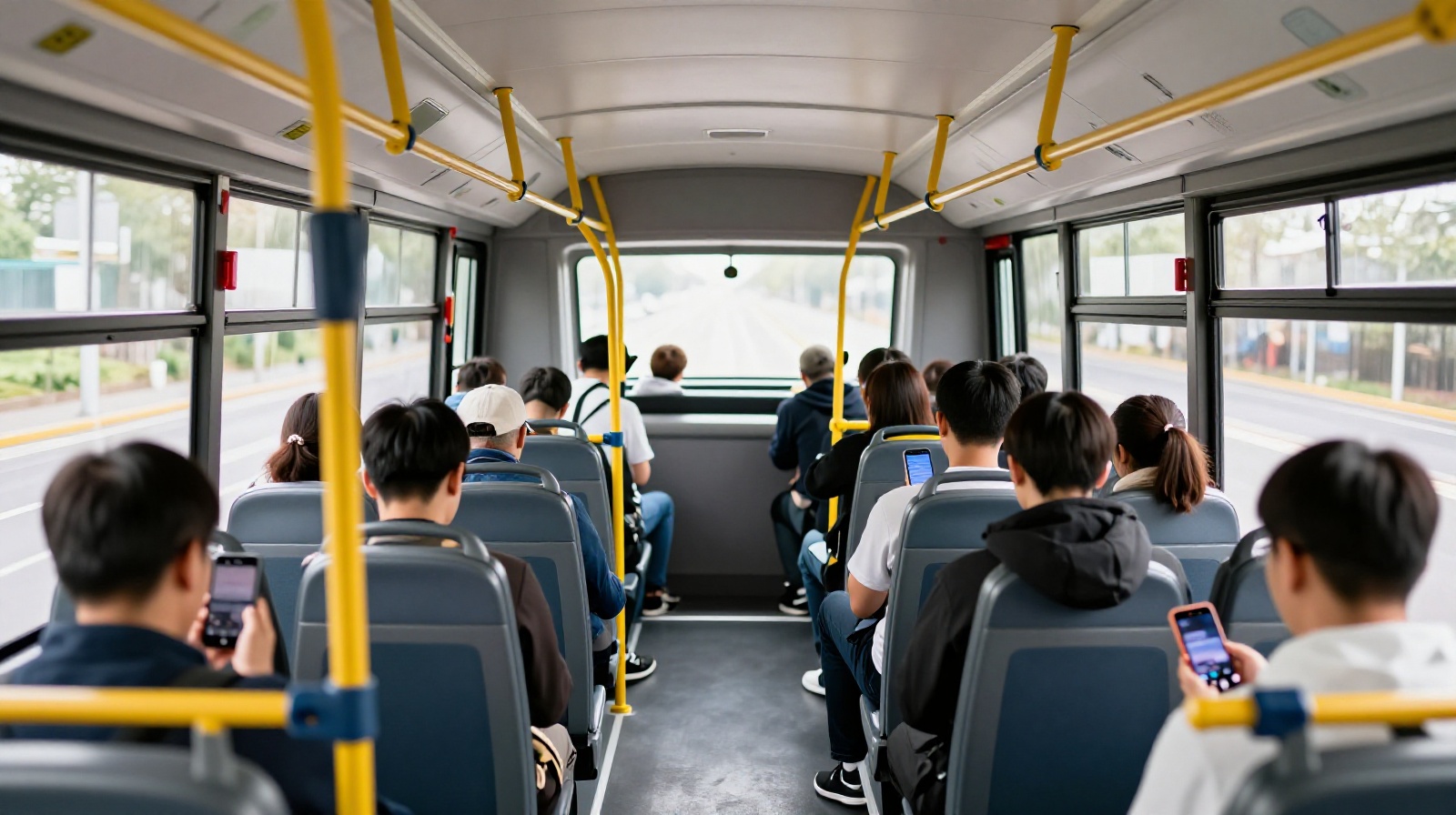
For decades, the sound of public transport in Chinese cities was defined by the clatter of gears, the hiss of pneumatic brakes, and the constant rumble of combustion engines. Now, that noise floor has dropped significantly. Inside the cabin, passengers can whisper on their phones without raising their voices. The driver’s radio is barely audible over the gentle whir of the electric motor.
From Policy to Pavement
This silence isn’t an accident; it’s the result of a massive, coordinated push by local and national governments. In 2017, Shenzhen became the first city in the world to fully electrify its public bus fleet. Today, cities like Beijing, Shanghai, and Hangzhou are following suit.
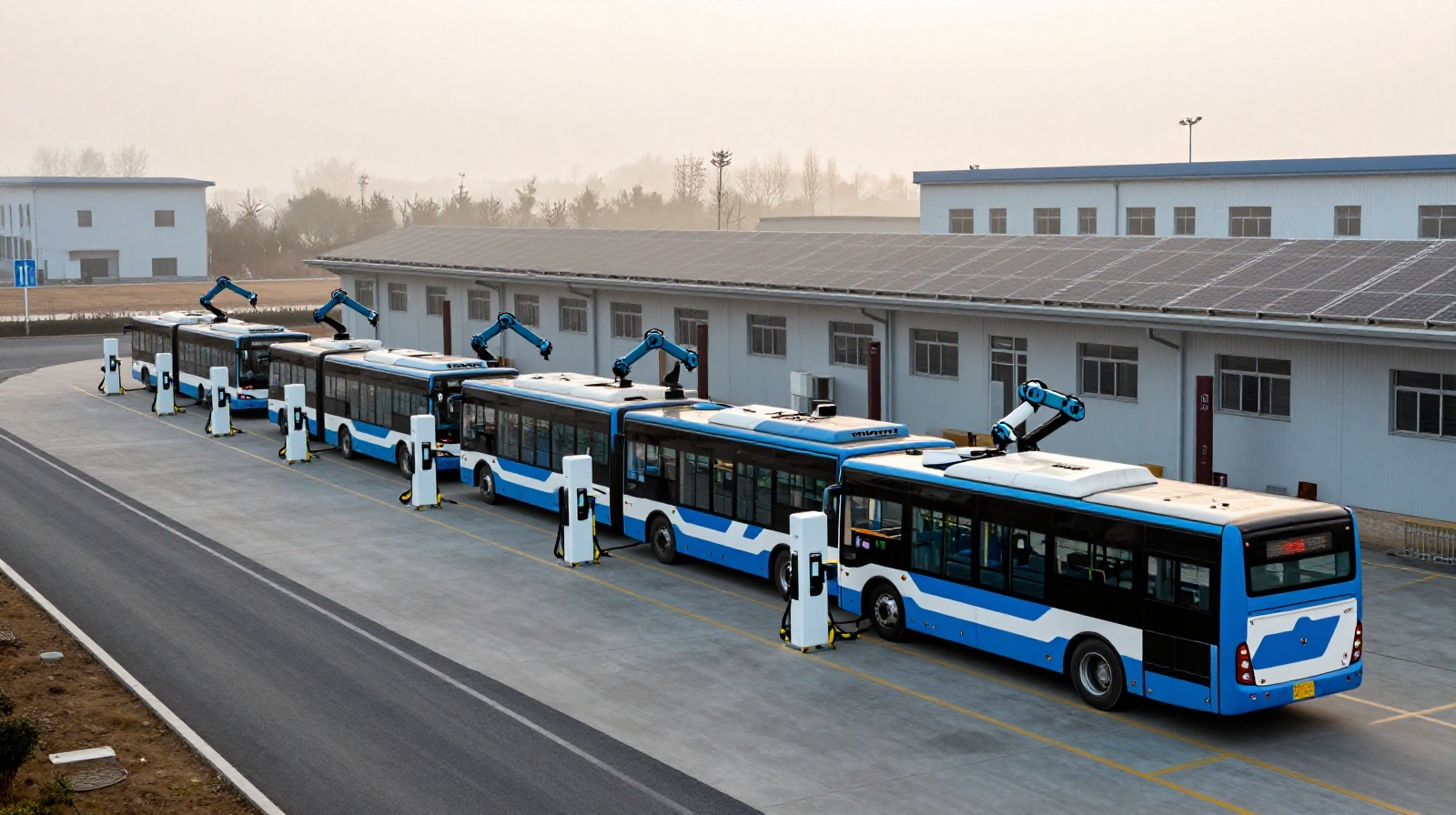
The transformation required more than just buying new vehicles. It demanded a complete overhaul of infrastructure. Walk along any major avenue today, and you will see rows of charging piles at bus depots—often looking like futuristic gas stations with robotic arms plugging into buses parked in neat grids.
Local authorities have invested billions in these networks to ensure that drivers never worry about range anxiety. A standard electric bus can cover 200 to 300 kilometers on a single charge, which is enough for two full shifts. Many depots now use solar-powered charging stations, adding another layer of green energy to the mix.
The Driver’s Perspective: Less Stress, More Focus
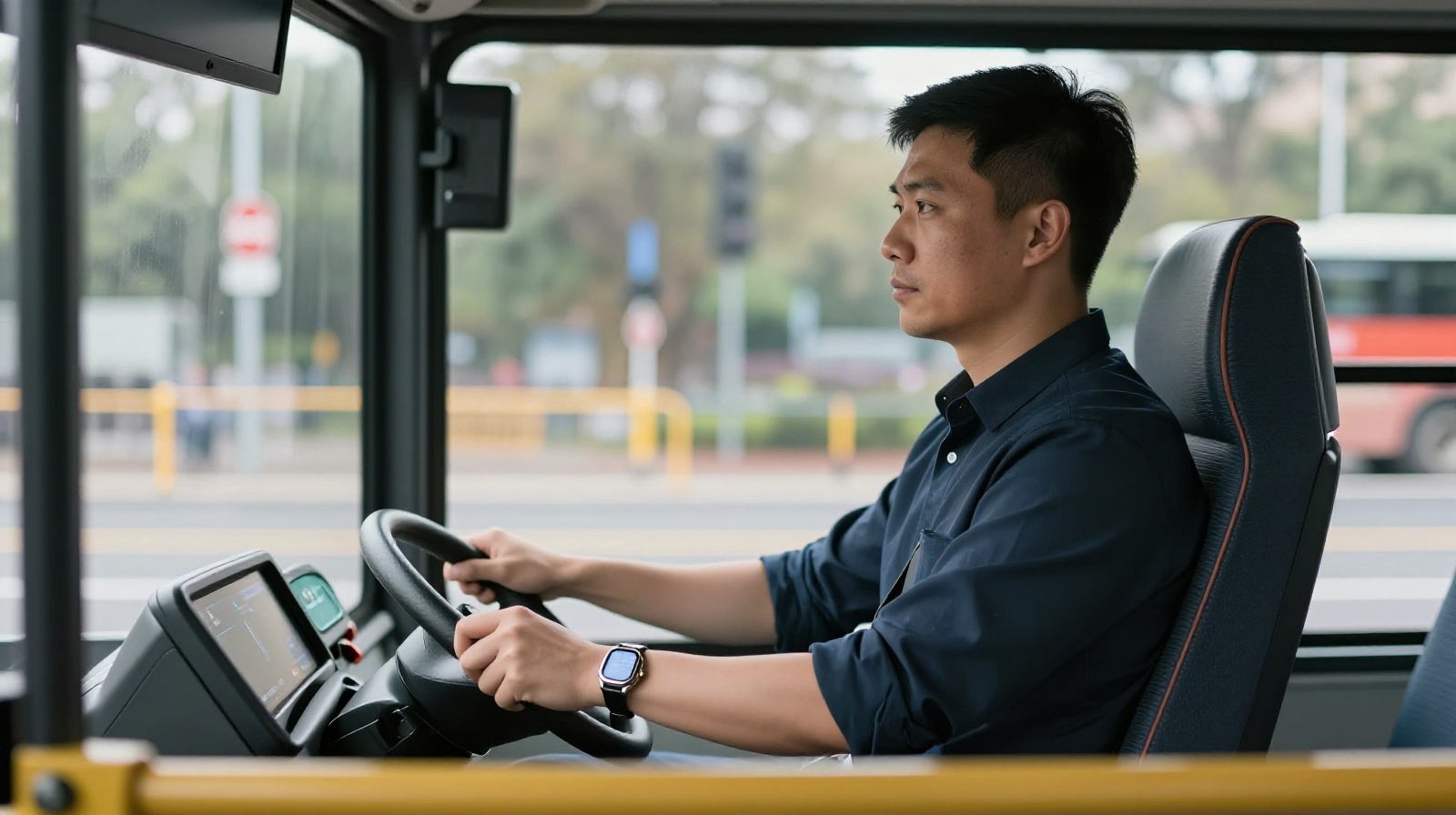
To understand the human impact, I spoke with Li Wei, a bus driver with over 15 years of experience. He used to drive diesel buses in the early 2000s.
“The old engines were loud and hot,” Li says, wiping sweat from his forehead after a morning shift. “You had to shout to talk to the station master on the radio. My back hurt from the vibration.”
Now, sitting in the new electric cab, he notes the difference immediately. “It’s quiet. I can listen to the news clearly without turning up the volume. The lack of vibration means my legs don’t ache at the end of a 10-hour shift.” He adds that maintenance is simpler too. “No oil changes, no complex engine filters. Just check the brakes and tires. It saves me time and stress.”
Cost and Maintenance: The Hidden Shift
Beyond the sensory experience, the economics of electric buses are driving this change. While the upfront cost of an electric bus is higher than a diesel model, the operating costs tell a different story.
Electricity is significantly cheaper per kilometer than diesel fuel in China. Furthermore, electric motors have far fewer moving parts than internal combustion engines. There are no spark plugs, fuel injectors, or complex transmission systems to break down. This means less downtime and lower maintenance bills for the transit companies.
Data from municipal transport bureaus in several major cities shows that after three years of operation, total cost of ownership for electric buses drops below that of diesel counterparts by nearly 30%. This financial efficiency allows cities to expand their routes without straining public budgets.
A Cleaner, Quieter City
The impact extends beyond the bus itself. The reduction in noise pollution has changed how people experience urban space. In neighborhoods that used to border noisy bus depots or busy transit corridors, residents now report better sleep and less stress.
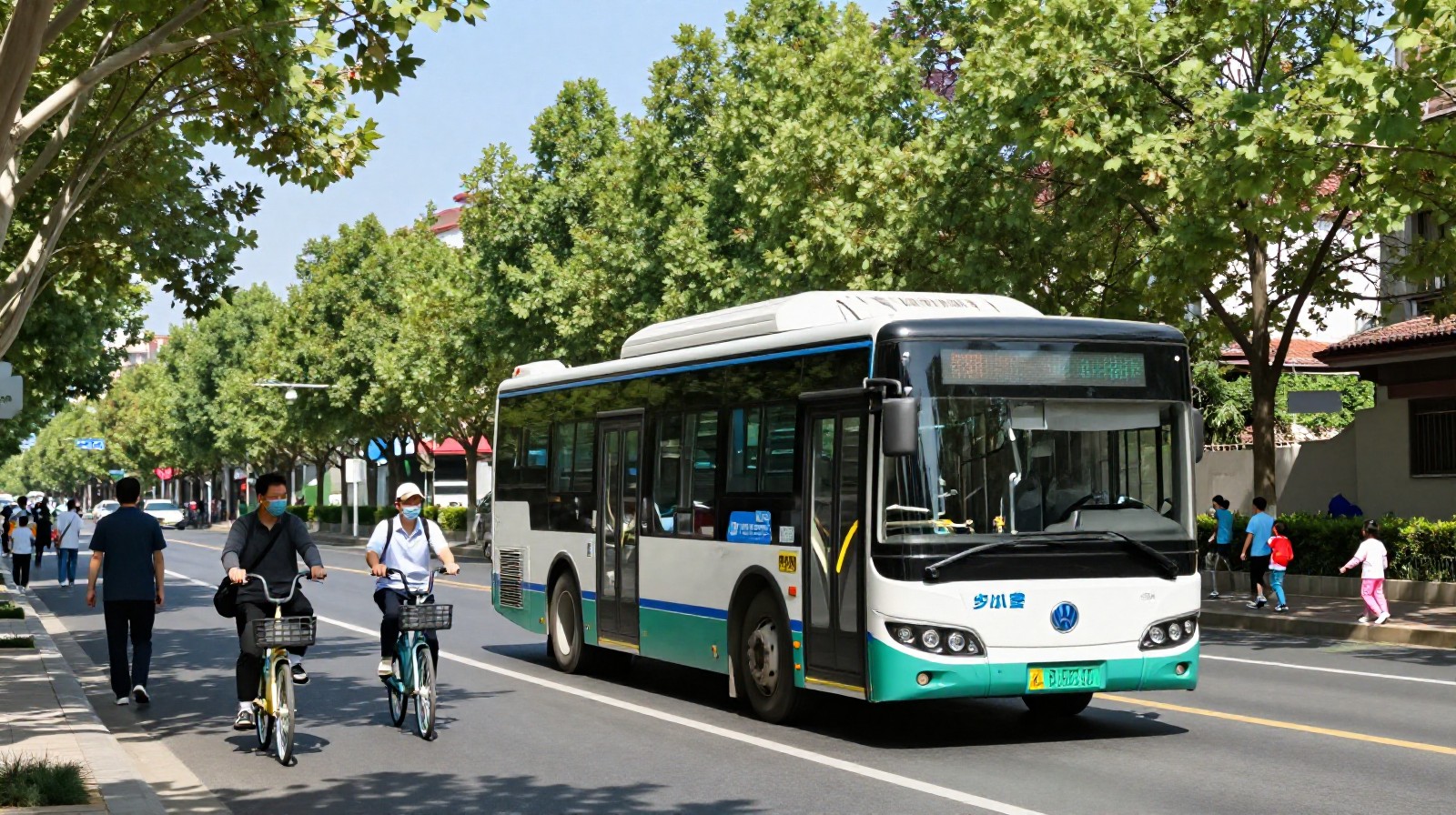
For pedestrians and cyclists sharing the road with these silent giants, the environment feels safer and more predictable. You can hear a dog bark or a child laugh without competing with the roar of an idling engine. The air quality has also improved, as electric buses produce zero tailpipe emissions at street level.
This quiet revolution is not just about technology; it’s about reclaiming the city for human life. As China continues to push its green transition, the silence on Route 109 is a small but powerful signal of a future where progress and peace coexist.