

Not Just Another Social Network
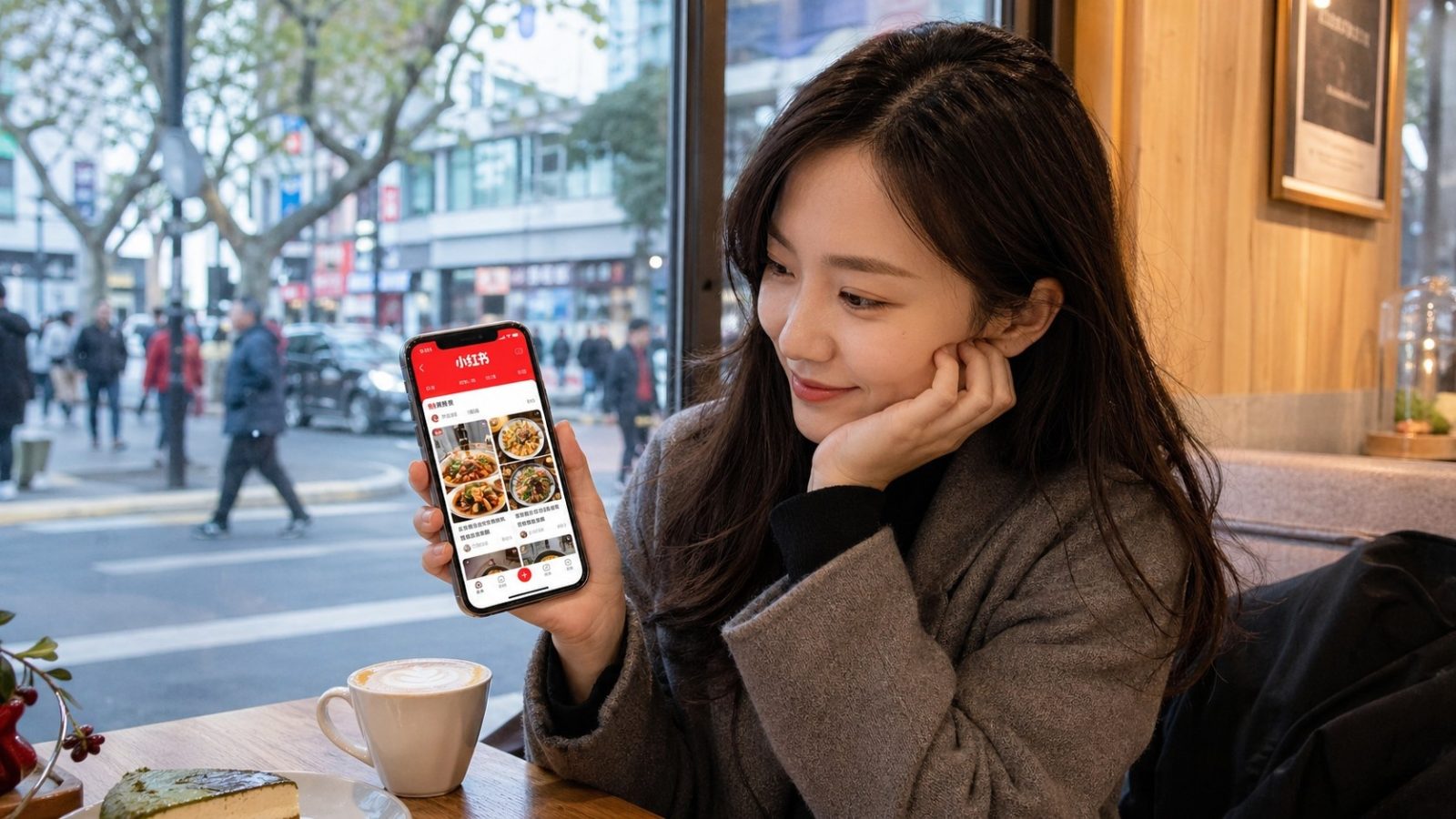
It is 7:30 PM in Shanghai. Lin, a 28-year-old marketing manager, sits on the subway home. Instead of scrolling through TikTok or Instagram, she opens an app with a distinct red background and white logo. She types “best brunch spots near Jing’an Temple” into the search bar.
In seconds, her screen floods with photos: a minimalist cafe with exposed brick walls, a video review of avocado toast from a local foodie, and a text-heavy post listing exact prices and subway exits to avoid confusion. Lin saves three locations for tomorrow’s date night.
This is Xiaohongshu, known in English as “Little Red Book” or by its abbreviation XHS. While global users think of social media as places for self-expression—posing on beaches or sharing life updates—Xiaohongshu operates differently. It has evolved into a massive, community-driven encyclopedia for daily life decisions.
The Culture of “Seeding” (Zhongcao)
To understand Xiaohongshu, you must understand the concept of zhongcao, or “planting grass.” In Chinese internet slang, this doesn’t mean gardening. It means recommending a product or experience so effectively that the reader feels an irresistible urge to try it.
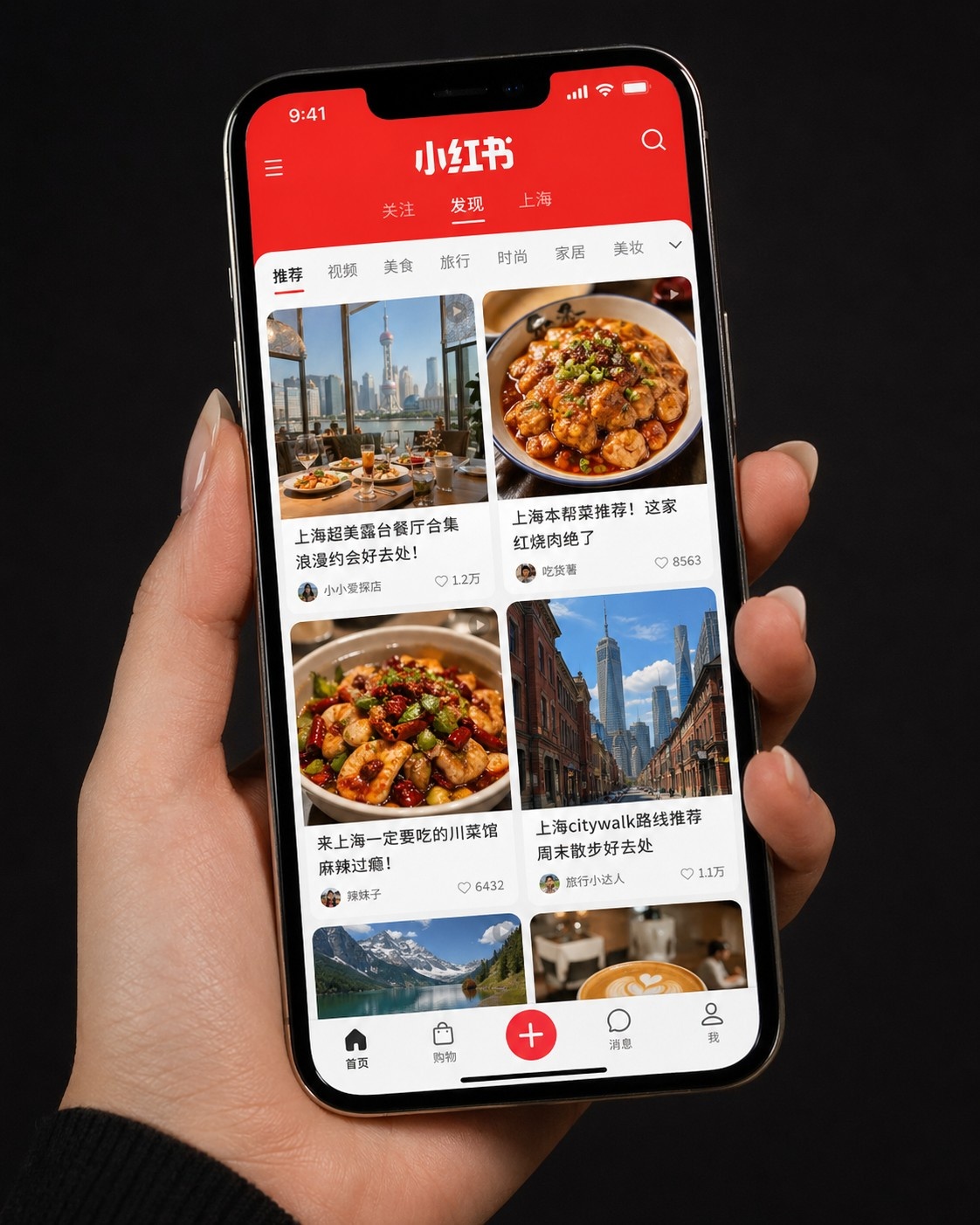
The content on Xiaohongshu is overwhelmingly User-Generated Content (UGC). Unlike Instagram, where polished aesthetics often dominate, XHS prioritizes utility and authenticity. Users upload detailed guides titled “Avoid Pitfalls” or “The Ultimate Guide.” These posts are often dense with information: screenshots of menus, price comparisons, and honest critiques of tourist traps.
This culture stems from a high-trust community model. In China’s massive consumer market, finding reliable advice is hard. Xiaohongshu fills this gap by allowing everyday people to share hyper-local insights that algorithms can surface quickly. It is less about vanity metrics and more about practical problem-solving.
Why It Beats Instagram for Travelers
If you are visiting China, relying on TripAdvisor or even local English-language blogs can leave you missing the real pulse of the city. Xiaohongshu is where locals go to plan their weekends.
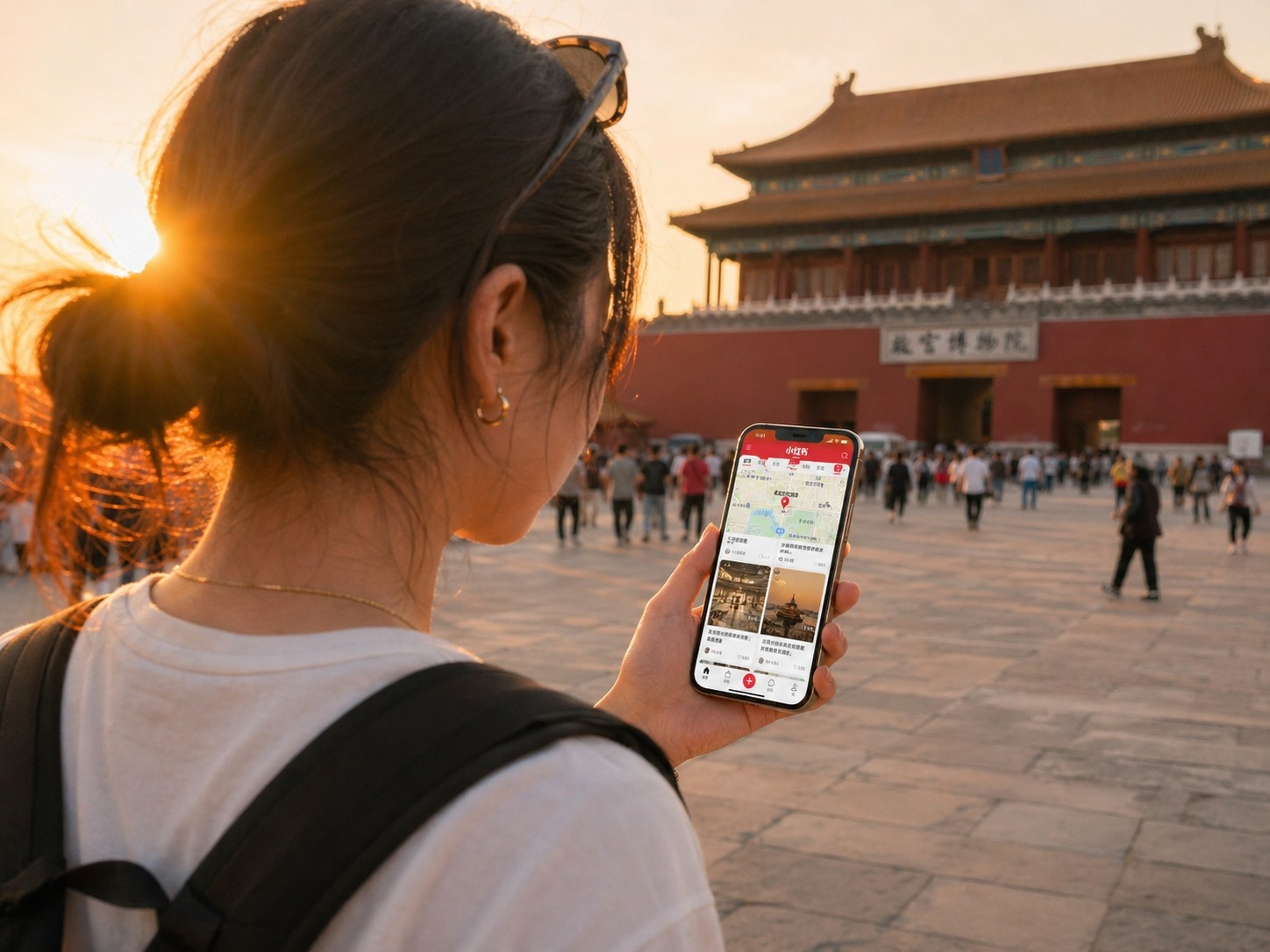
The platform’s search function is its superpower. Unlike traditional social feeds that prioritize viral trends, XHS organizes content by relevance and usefulness. Search for “Shanghai night markets,” and you will get step-by-step walking routes, photos of the best skewers to order, and warnings about which areas are overpriced.
Moreover, the visual language is different. On Instagram, a photo might be an artistic shot of a landmark. On Xiaohongshu, the same landmark might have ten pins on it marking nearby parking spots, restrooms, and hidden entry points for photographers. It is a functional map overlaid with social proof.
How to Use Xiaohongshu as a Foreigner
Using Xiaohongshu might seem daunting due to the language barrier, but it is easier than you think. The interface is intuitive, and most users are accustomed to interacting with foreigners or international brands.
1. Download and Register: You can download the app from major Asian app stores or sometimes via QR codes on Chinese websites. Registration usually requires a phone number; many foreigners find success using their international mobile numbers, though WeChat login is also an option for some users.
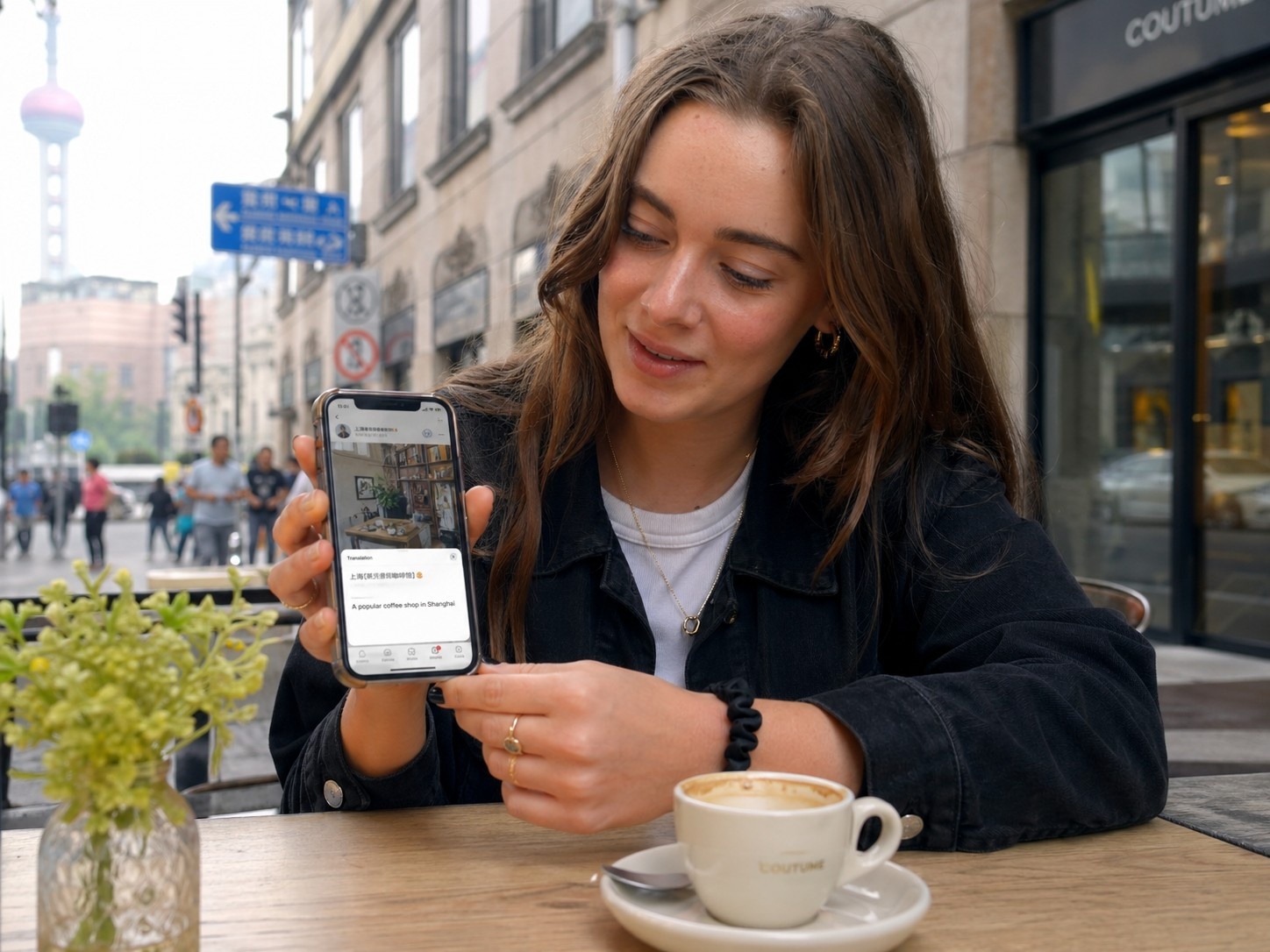
2. Master Search Terms: You don’t need to read fluent Chinese to use it effectively. Use translation apps or built-in browser tools to copy-paste keywords. For example, search “Shanghai cafe” (上海咖啡馆). The visual nature of the app means you can judge content by its cover image before reading.
3. Engage with Translation Tools: If you find a post you like but don’t understand the text, use your phone’s screenshot translation feature. Many users also leave comments in English or mix English and Chinese, creating a surprisingly accessible community layer.
The Verdict
Xiaohongshu represents a shift in how social media is used globally: from broadcasting to discovering. For travelers and expats in China, it is not just an app; it is a survival guide. It democratizes information, giving power back to the everyday user rather than corporate influencers.