

The Vision in Daily Life
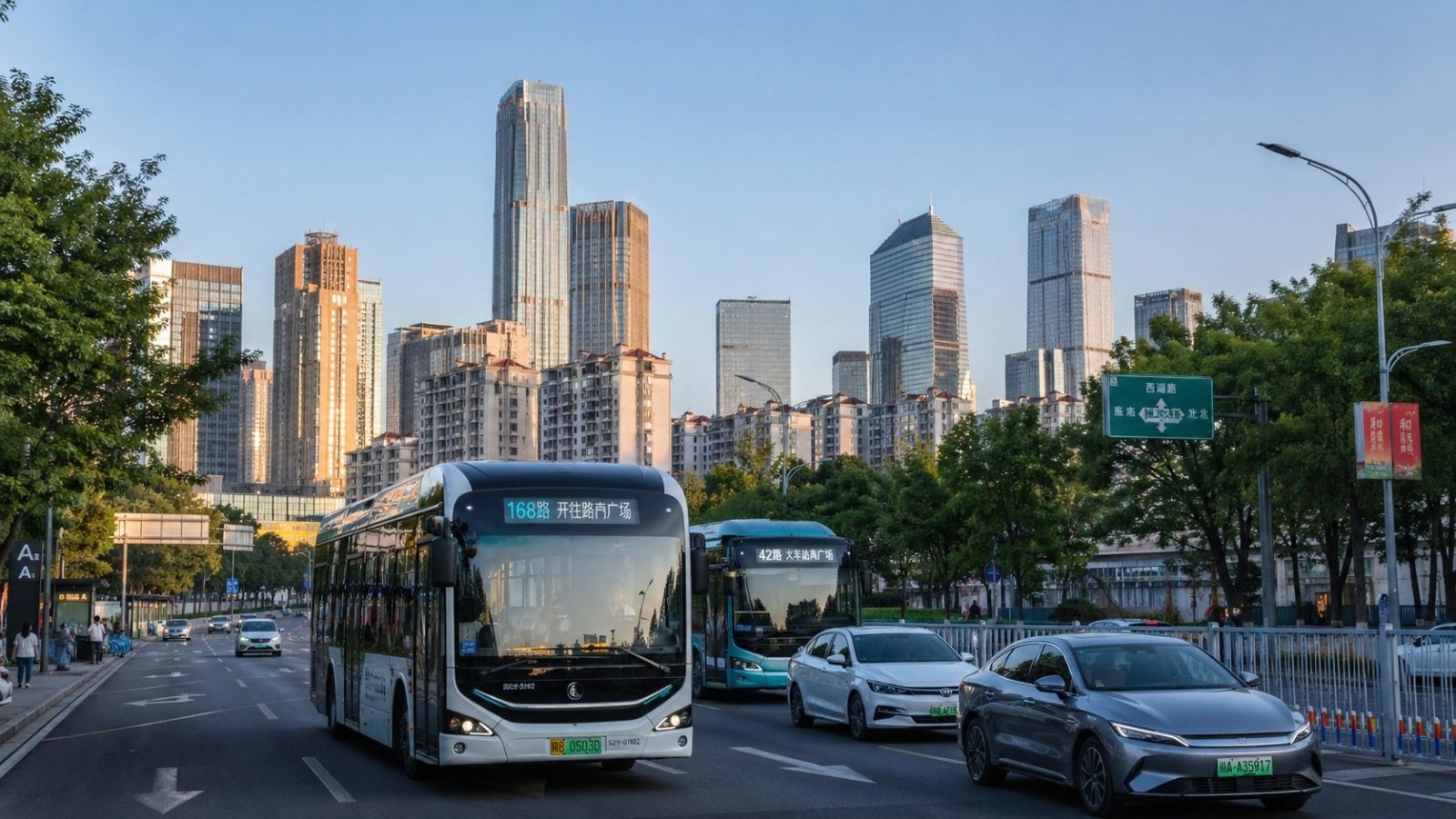
When Western media discusses China’s pledge to reach carbon neutrality by 2060, the conversation often stays at a high level: policy targets, industrial capacity, or international diplomacy. But if you step out of the conference rooms and into the streets of Shanghai, Shenzhen, or Chengdu, the goal feels less like an abstract promise and more like a physical reality unfolding in real-time.
For the average citizen, “net zero” is not a corporate ESG report. It is the sound of an electric bus gliding silently through morning traffic, the blinking light on a smart home appliance that adjusts energy use to save money, or the quiet confidence of buying a second-hand item because it is both affordable and stylish. The 2060 vision is being built one small, observable habit at a time.
The Green Commute
Consider the morning commute in a tier-one city like Shanghai. A decade ago, this was a sea of internal combustion engines, exhaust fumes, and gridlocked frustration. Today, the scene has shifted dramatically.
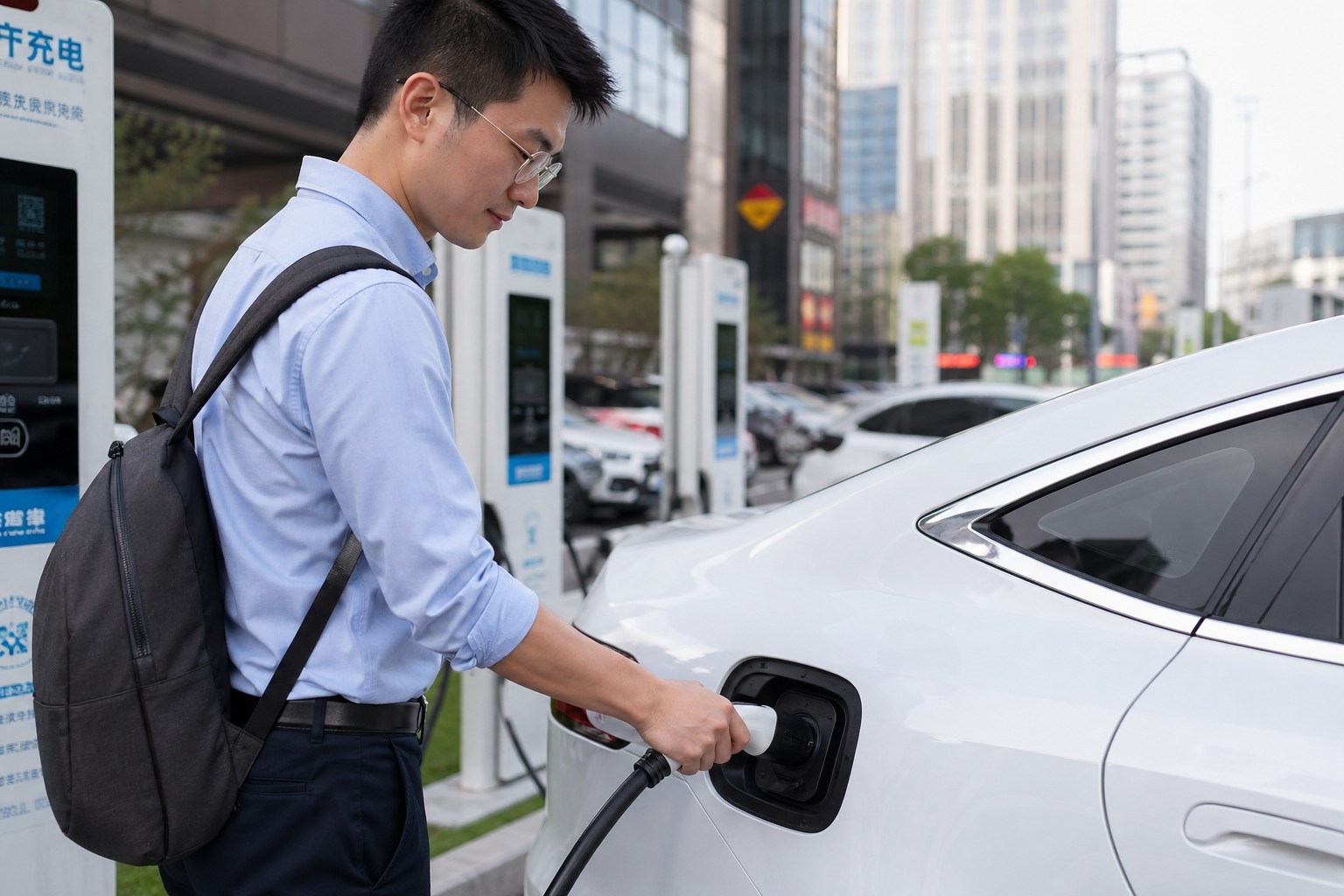
If you stand at a major subway station exit or a busy intersection around 8:00 AM, you will notice something subtle but significant: the color palette of traffic has changed. The aggressive roar of gas-powered cars is replaced by the near-silent hum of electric vehicles (EVs). In cities like Shenzhen, which became the first in the world to electrify its entire public bus fleet over a decade ago, EV adoption is no longer a novelty; it is the baseline.
This shift is driven by infrastructure that has become so seamless it often goes unnoticed. Charging stations are as common as coffee shops. Ride-hailing apps automatically suggest electric options, and license plate restrictions—historically a major pain point for car owners in China—are waived for green-plate EVs. For the daily commuter, going green is not framed as a moral sacrifice but as a practical convenience. The friction has been removed, making low-carbon living the path of least resistance.
Energy at Home
The transition extends beyond transportation into the very structure of how energy is consumed and managed. In southern Chinese cities like Guangzhou or Hangzhou, residential communities are increasingly integrated with smart grid technologies.
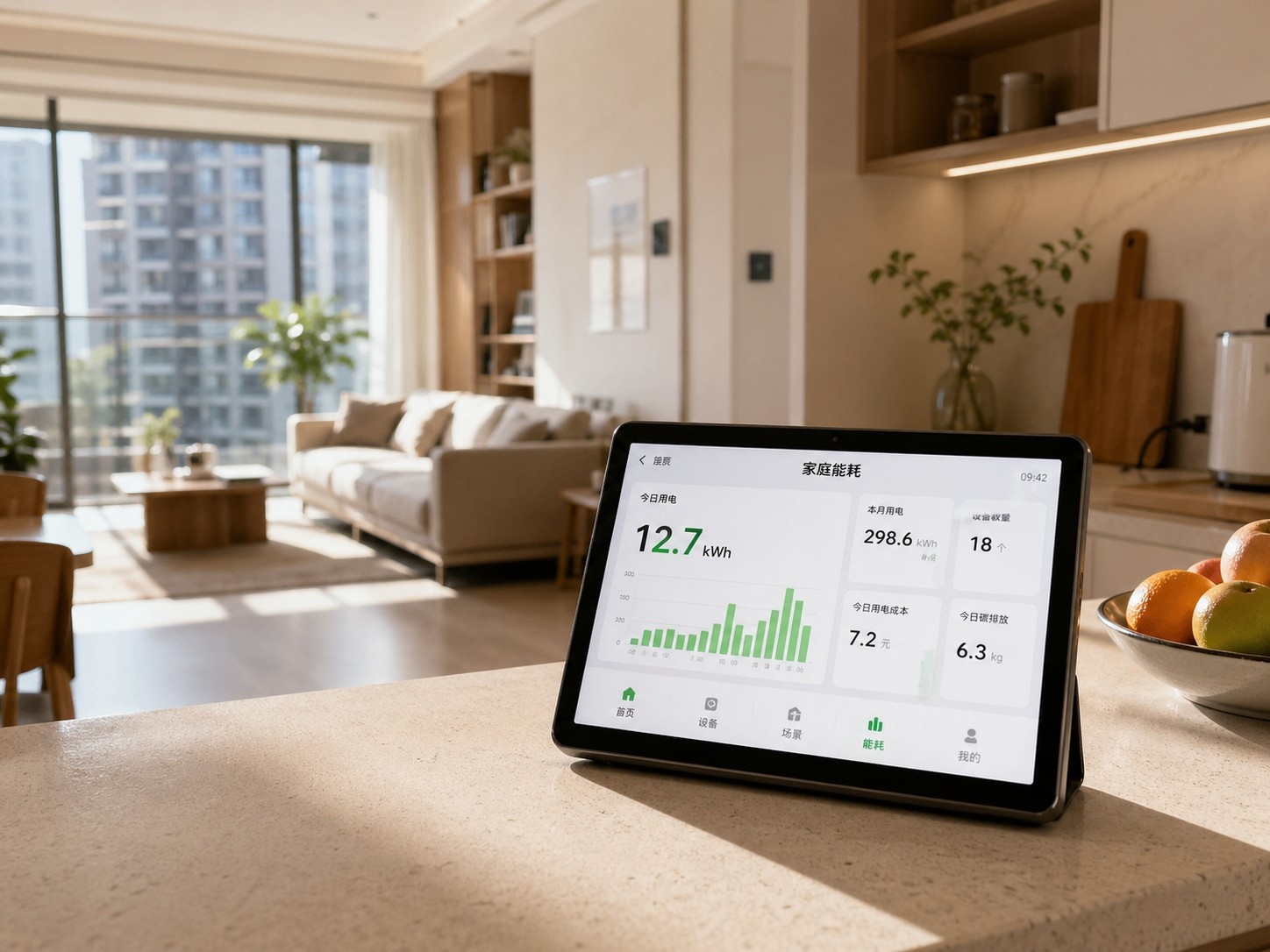
In many new housing developments, solar panels are no longer just for luxury villas; they are standard features on rooftops and even integrated into building facades. For residents, this means more than just “saving the planet.” It translates to tangible economic benefits. Smart meters allow households to monitor their energy usage in real-time, often providing data that helps them shift high-energy activities—like running dishwashers or charging EVs—to off-peak hours when electricity is cheaper.
This decentralization of energy production creates a more resilient system. During summer heatwaves, when air conditioning demand spikes, the distributed nature of these solar and battery systems helps stabilize the grid, reducing the likelihood of blackouts. For families, energy security is becoming as important as food security.
The “Green” Consumer
Perhaps the most visible change is in consumption habits, particularly among China’s Gen Z population. In a world where sustainability was once marketed as expensive and niche, it has become mainstream, driven by digital culture.
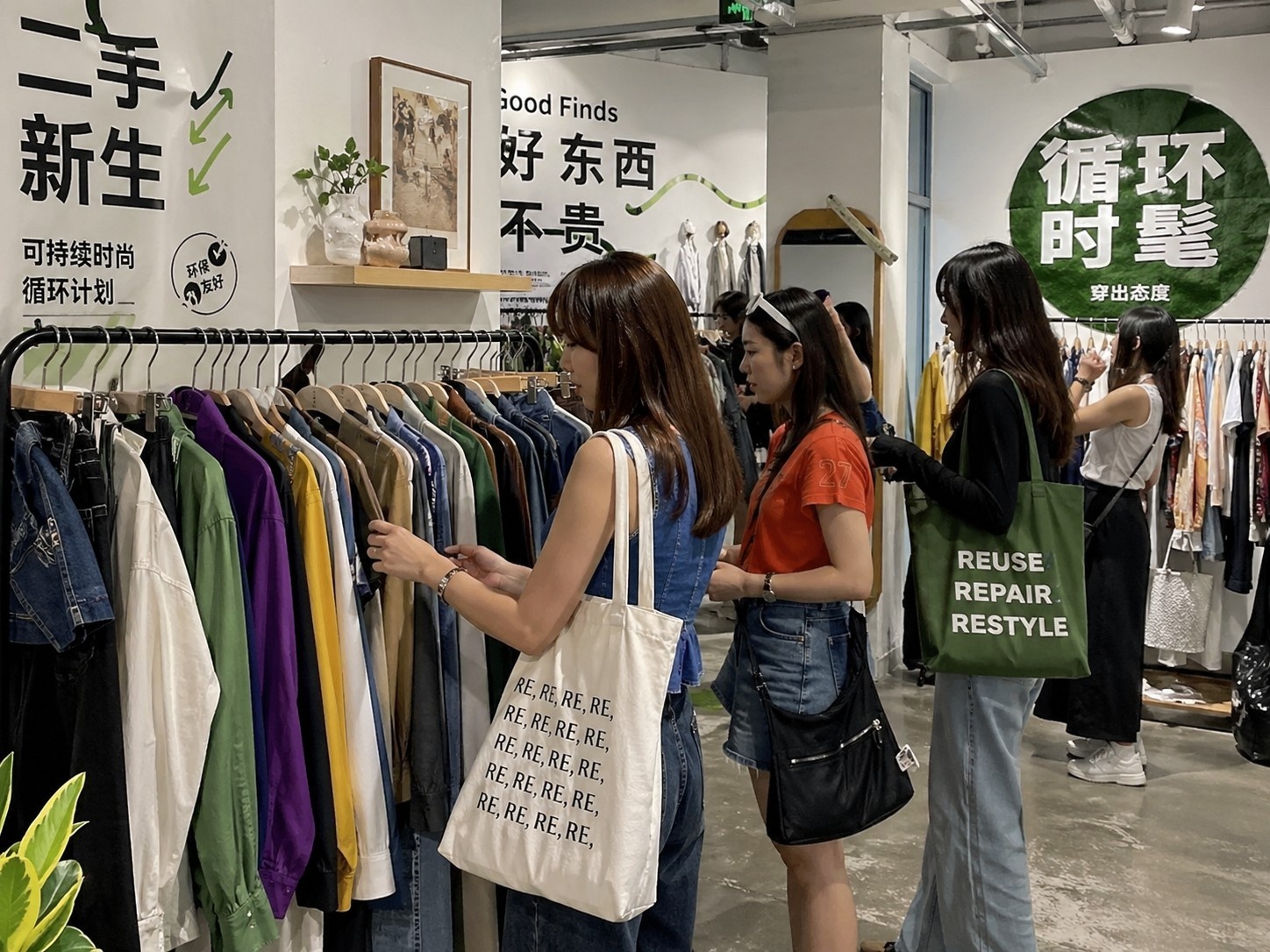
Social media platforms like Xiaohongshu (Little Red Book) are filled with trends around “minimalist living,” second-hand flipping, and eco-friendly packaging. For young consumers, buying a pre-loved designer bag or choosing a brand with minimal plastic waste is not just an environmental statement; it is a cultural signal of sophistication and awareness.
This shift is reshaping the retail landscape. Major e-commerce platforms now have dedicated sections for “green products,” often filtering by carbon footprint. Delivery services are experimenting with reusable packaging loops. The narrative has shifted from “saving money” to “making smarter choices.” Sustainability is no longer a constraint; it is a new standard of quality.
Challenges and Realities
However, the path to 2060 is not without its rough patches. Acknowledging these challenges is crucial for an honest understanding of China’s green transition.
The shift requires massive capital investment, which can lead to short-term economic pressures in regions heavily reliant on traditional coal industries. Workers in these sectors face real displacement risks, requiring significant retraining and social support programs. Furthermore, the integration of renewable energy into the grid is technically complex; while solar and wind capacity is growing rapidly, storage solutions are still catching up to meet the variable nature of power supply.
There are also regional disparities. Coastal cities with strong economies can afford advanced green infrastructure quickly, while inland regions may face slower adoption rates due to budget constraints. The transition is not uniform; it is a patchwork of rapid innovation in some areas and gradual adaptation in others.
A Shared Future
China’s 2060 carbon neutrality goal is often viewed through the lens of geopolitical competition or industrial policy. But for those living through it, the story is more personal. It is about cleaner air, quieter streets, lower utility bills, and a sense of participation in a global effort.
The changes are not always dramatic headlines; they are the quiet accumulation of small decisions made by millions of people every day. By focusing on these everyday realities, we can see that China’s green transition is not just about meeting a distant deadline. It is about building a more efficient, resilient, and sustainable way of life—one step at a time.