

The Unlikely Scene on a Chinese Street Corner
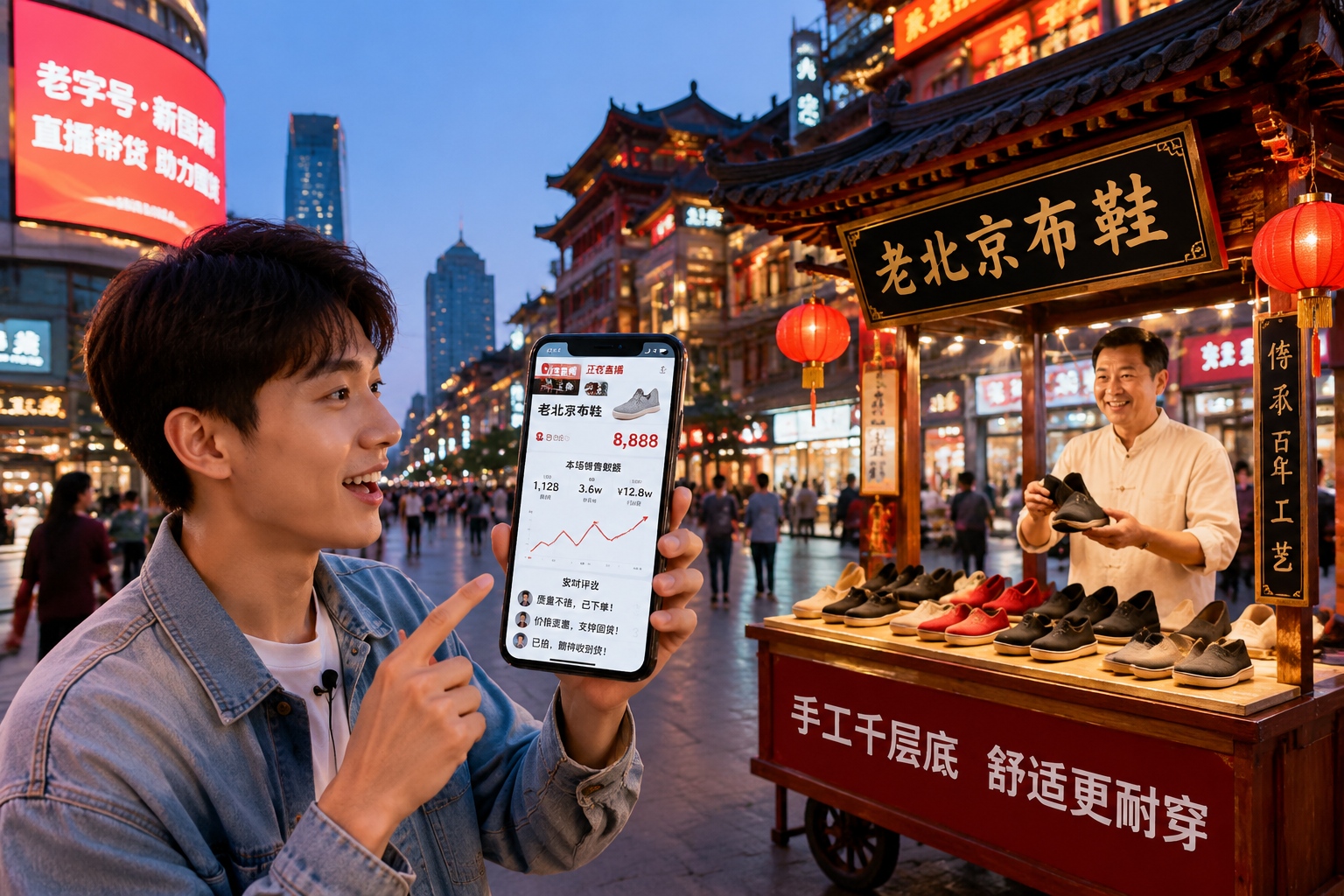
Imagine standing on a busy street corner in Chengdu or Shenzhen. In most parts of the world, you would expect to see vendors selling roasted sweet potatoes, phone cases, or fresh fruit. But in China, if you look closely at the digital storefronts accessible via smartphones, that same energy is now happening online—and it has escalated from bargain-bin trinkets to aerospace engineering.
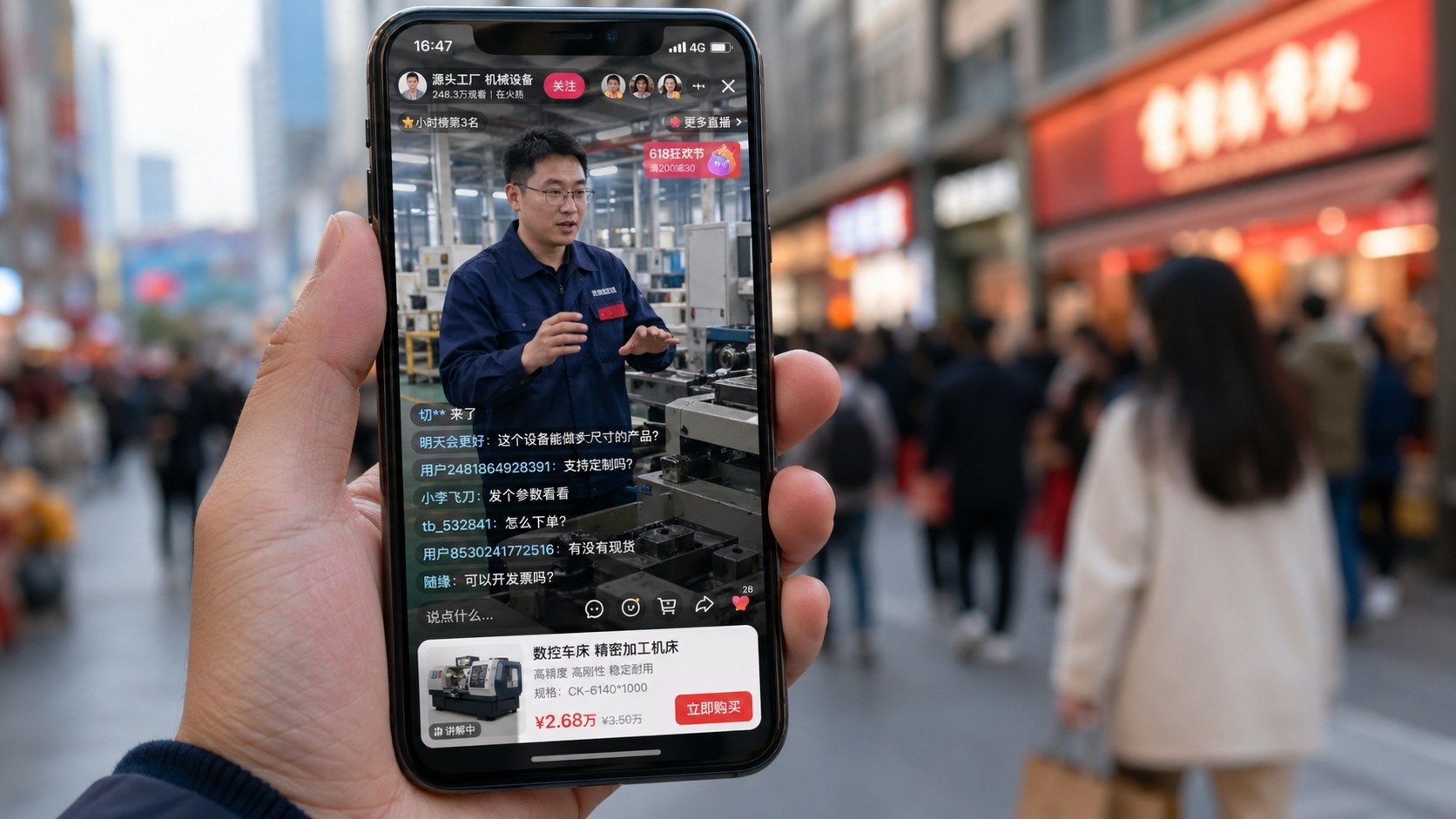
Recently, a video went viral showing engineers on a live stream auctioning off components for small satellites. The host wasn’t a slick Hollywood-style presenter; he was an engineer in a factory uniform, speaking directly to thousands of viewers from the production floor. This isn’t a sci-fi movie plot. It is a routine Tuesday afternoon for China’s live commerce ecosystem.
The Shift: When High-Tech Meets Everyday Life
To understand how you can “buy a satellite” on TikTok (known as Douyin in China), you have to look past the entertainment value. Live commerce here is not just about watching celebrities dance; it is a genuine economic engine that has integrated high-tech industries into daily consumer behavior.
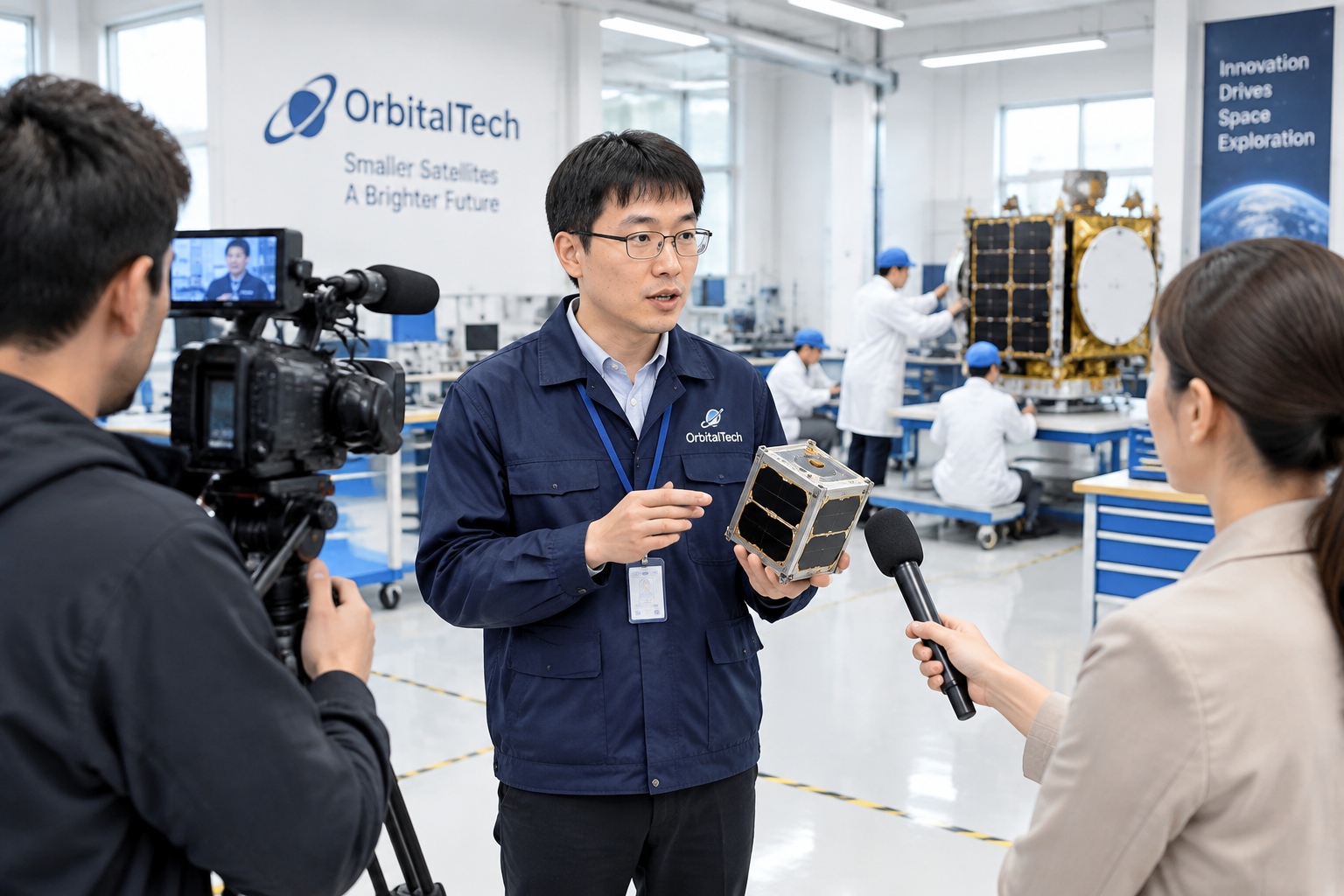
Take the case of commercial space companies. In the West, buying satellite time or components is a bureaucratic process involving billion-dollar contracts and years of negotiation. In China, these processes are being streamlined through live streams. Engineers go on camera to demonstrate rocket parts, explain orbital mechanics in simple terms, and answer questions from potential clients—who might be researchers, startups, or even hobbyist groups.
The mechanics are surprisingly familiar. A viewer sees a segment about a new propulsion system. They click a link pinned to the bottom of their screen. The price is displayed in real-time. If they want a consultation or a pre-order slot, they can do it instantly. It turns complex B2B (business-to-business) transactions into something that feels like buying groceries.
Why It Matters: Connecting Technology to Human Needs
Why does this work? The answer lies in the human element of Chinese digital culture. In many Western markets, live streaming is often associated with beauty tutorials or unboxing videos. In China, it has evolved into a trust-based sales channel where expertise matters more than glamour.
When an engineer explains how a satellite component will withstand the vacuum of space, they are building credibility. Viewers feel they are participating in a community of innovation rather than just being sold to. This accessibility democratizes technology. It breaks down the intimidation factor of high-tech industries, allowing smaller entities and even individuals to engage with sectors previously reserved for governments or large corporations.
This shift also reflects a broader trend: rural revitalization and tech integration. Just as farmers in remote provinces now sell fresh produce directly to urban dwellers via live stream, tech hubs are using the same infrastructure to reach niche markets. It is not about replacing traditional sales; it is about expanding access.
The Broader Picture: What This Says About Modern China
Buying a satellite on an app might sound like a gimmick, but it signals a normalizing shift in how business happens in modern China. The line between entertainment, social interaction, and commerce has dissolved. For young entrepreneurs, this platform is not just a marketing tool; it is a primary interface for market validation.
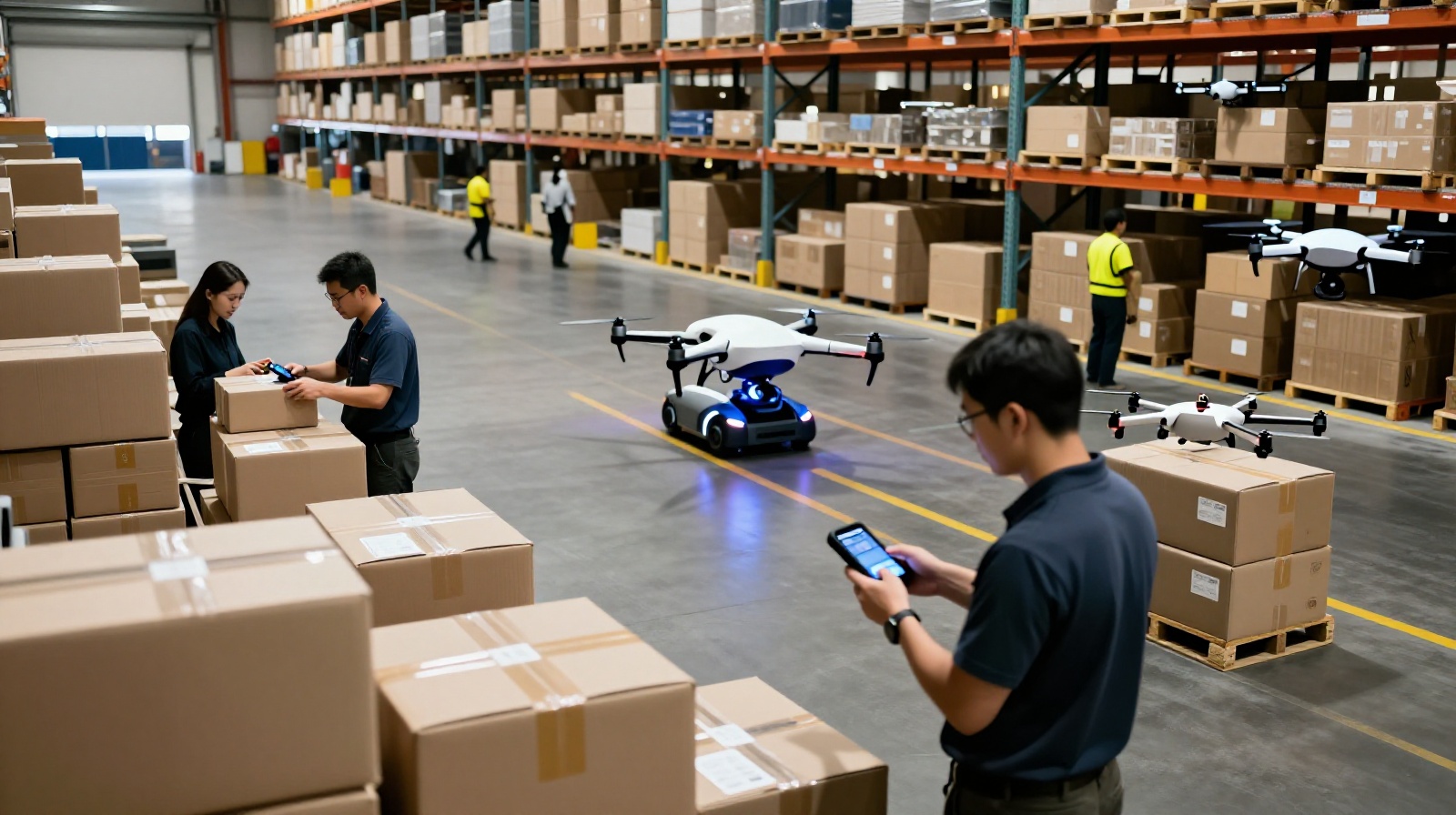
Consider the speed of feedback. If a new green energy device or an AI-powered gadget is introduced on a live stream, the response from viewers—comments, purchases, and questions—is immediate. Companies can adjust their products in real-time based on this data. This agility is what drives the rapid iteration of China’s digital economy.
A New Lens on China’s Future
So, can you really buy a satellite on TikTok? Technically, you might not be able to click “add to cart” for a full launch service like most people do with shoes. But you can engage with the companies that build them, pre-order components, or even sponsor specific research projects through these streams.
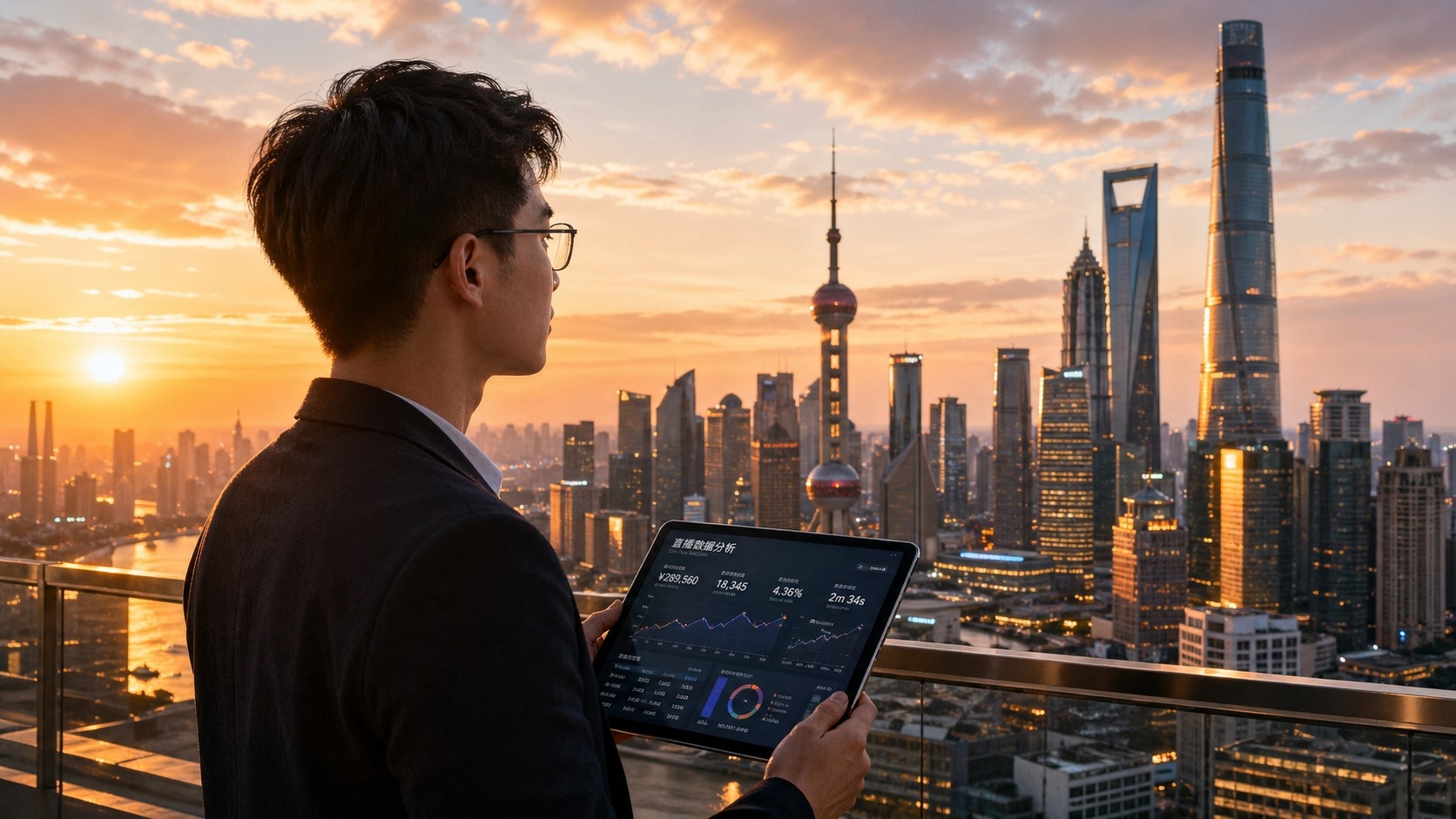
This phenomenon is more than just a novelty. It reflects a society where technology is not locked behind glass doors but is accessible, discussable, and purchasable by anyone with a smartphone. As you look at the future of consumption and innovation, pay attention to these live streams. They offer a nuanced view of a China that is not just manufacturing goods, but actively reshaping how high-tech dreams are realized in everyday life.
Start the discussion at forum.chinacomes.com