
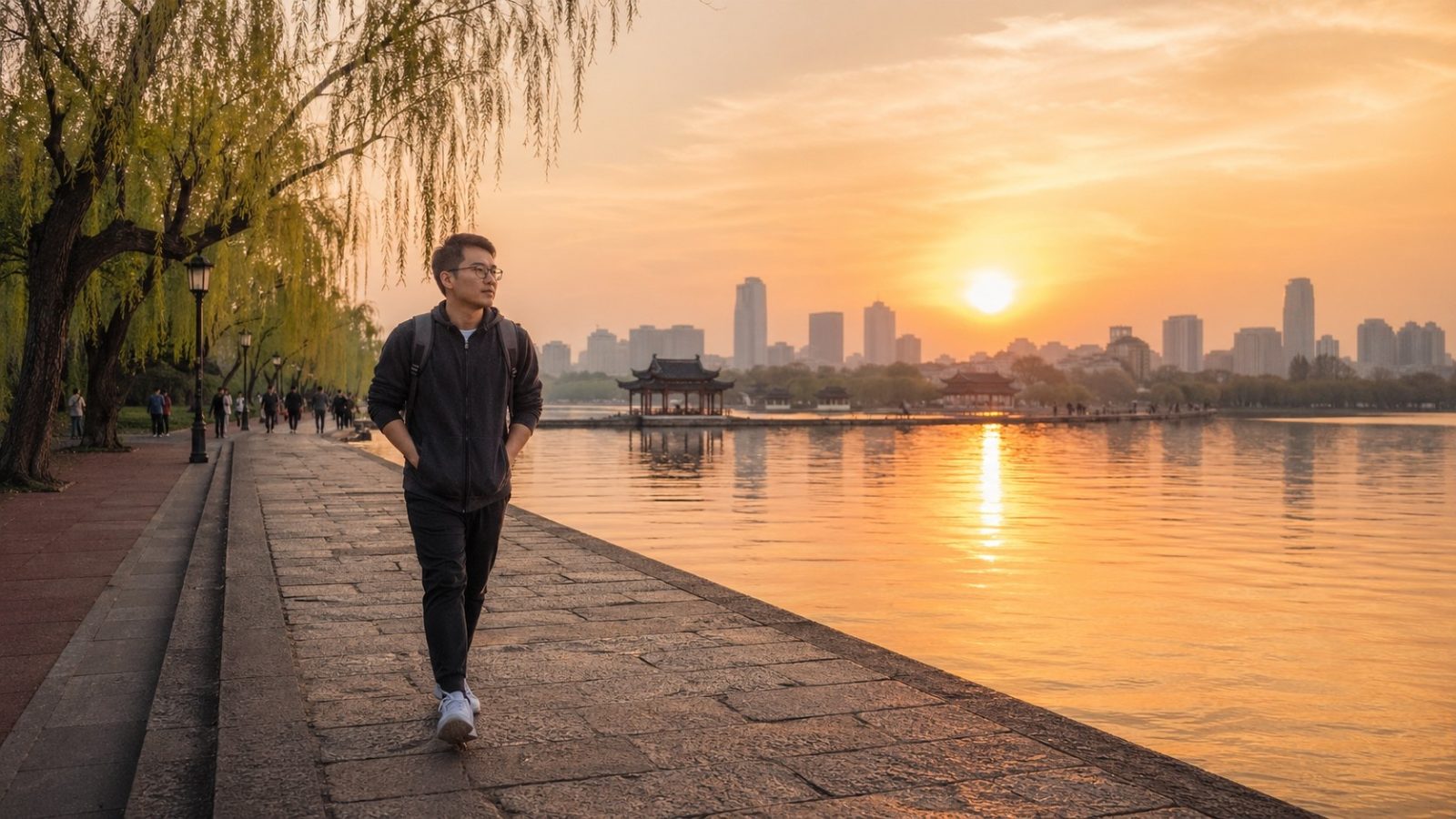

Beyond the Postcards: A Tuesday Evening in Xixi
The smell of roasting chestnuts and steamed buns drifts through the cool evening air near Xixi Wetland. It is 7:30 PM on a Tuesday, and Lin Wei, 26, is still hunched over his laptop at a co-working space in Binjiang District. The office lights are bright, competing with the twilight outside.
“I just finished a sprint review,” Lin says, tapping furiously on his keyboard. “Then I have to walk three kilometers to catch the subway.” He closes his MacBook Pro and grabs his bike share pass from his pocket. For Lin, a software engineer at a major e-commerce giant, this is not an anomaly; it’s the Tuesday routine.
Hangzhou often appears in travel guides as a serene retreat where time slows down for poets and painters. But for the city’s 15 million residents, many of them under 30, it is also one of China’s fastest-growing tech hubs. The skyline here isn’t just decorated with pagodas; it’s dominated by glass towers housing Alibaba’s ecosystem and thousands of startups.
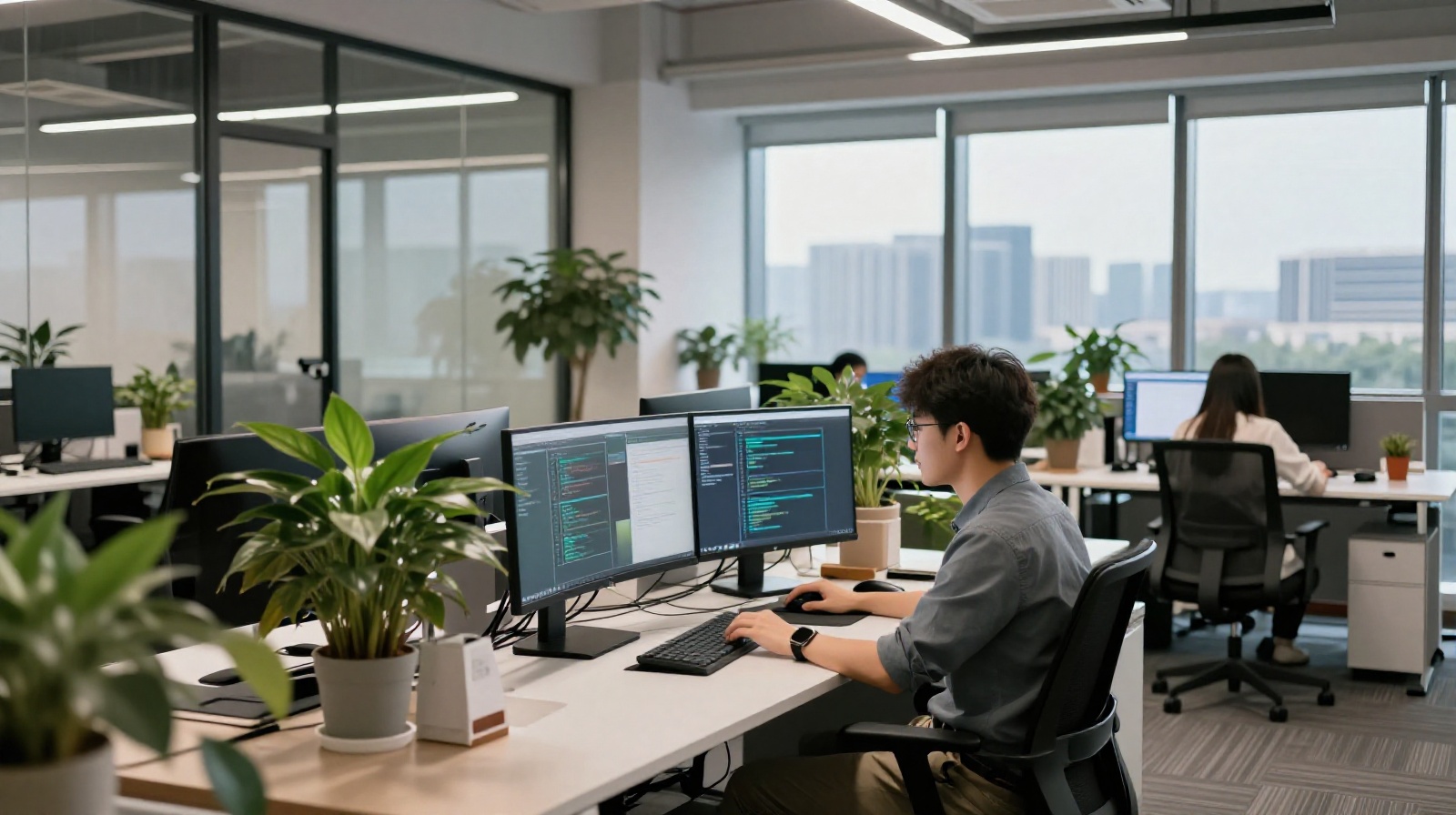
The Digital Workspace: Commuting in the Age of Algorithms
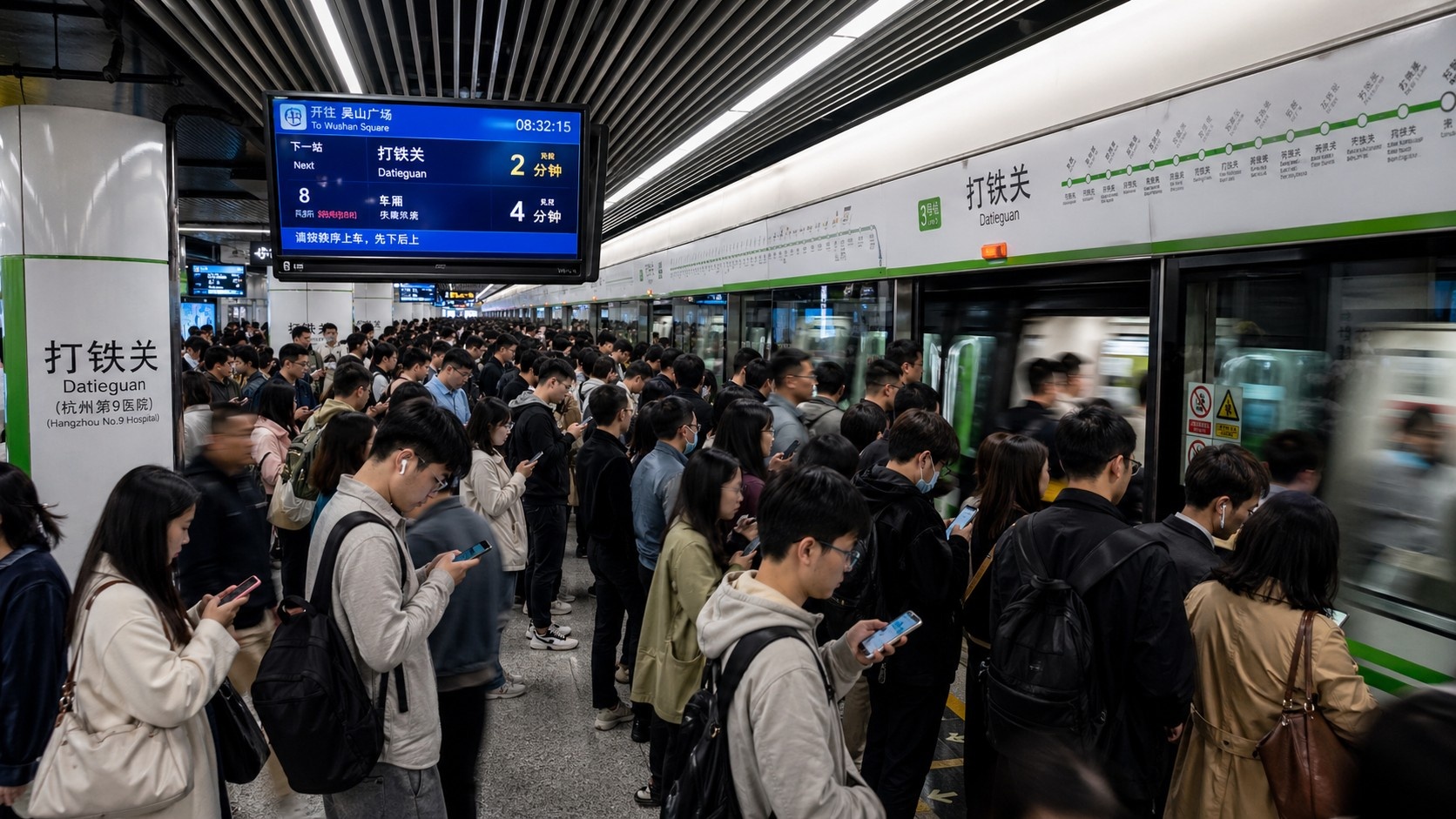
At 8:45 AM, the subway platform at Gongshu District is a blur of motion. Hundreds of young people in casual attire—hoodies, sneakers, backpacks—wait for the train. Their phones glow with notifications from WeChat and DingTalk, the apps that manage their workdays.
Unlike traditional offices where you clock in with a physical card, Hangzhou’s tech culture runs on digital integration. The commute itself is often optimized by algorithms. A quick glance at an app shows exactly when the next bus arrives or how crowded the subway car will be. This efficiency extends to the office floor.
In many startups, the concept of “996” (9 AM to 9 PM, six days a week) has softened into a more flexible rhythm. Companies offer remote work options and focus on output rather than hours logged. Yet, the pressure remains palpable. The pace is driven by the rapid iteration cycles of China’s digital economy, where a new app feature can be launched and tested within days.
Work-Life Balance: From Meditation to Night Markets
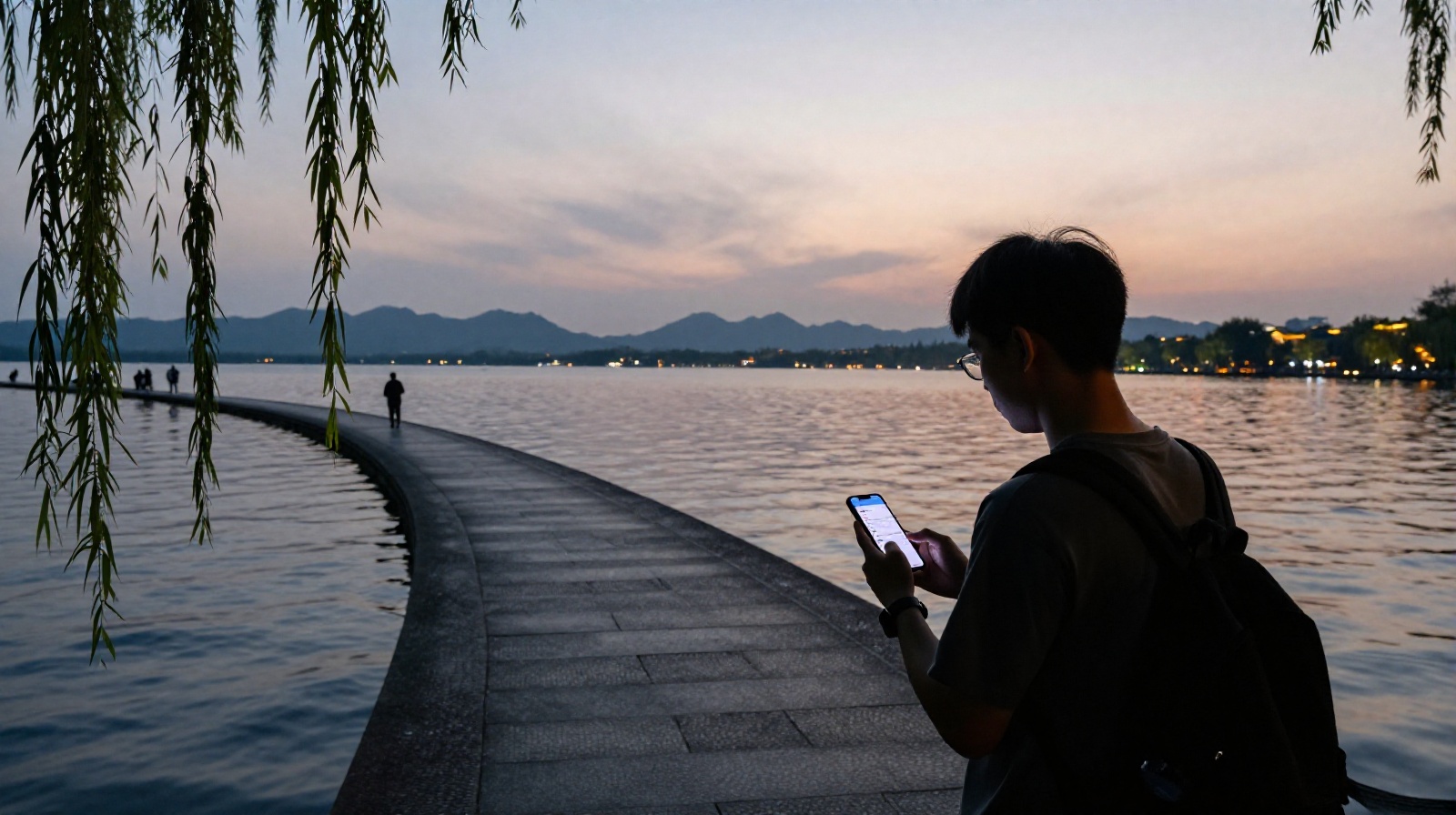
The defining paradox of Hangzhou is how seamlessly work and leisure merge. At 6:00 PM on Friday, the city doesn’t shut down; it transforms. Lin leaves his office, not for a quiet dinner at home, but for a walk along the Su Causeway.
This isn’t just sightseeing. It’s a mental reset. The air here is different from the concrete canyon of the business district. There is the sound of wind in the willow trees and the distant plucking of a guzheng by a street musician. Lin takes a photo of the sunset reflecting on West Lake and posts it to his social feed, captioned simply: “Back to nature after code.”
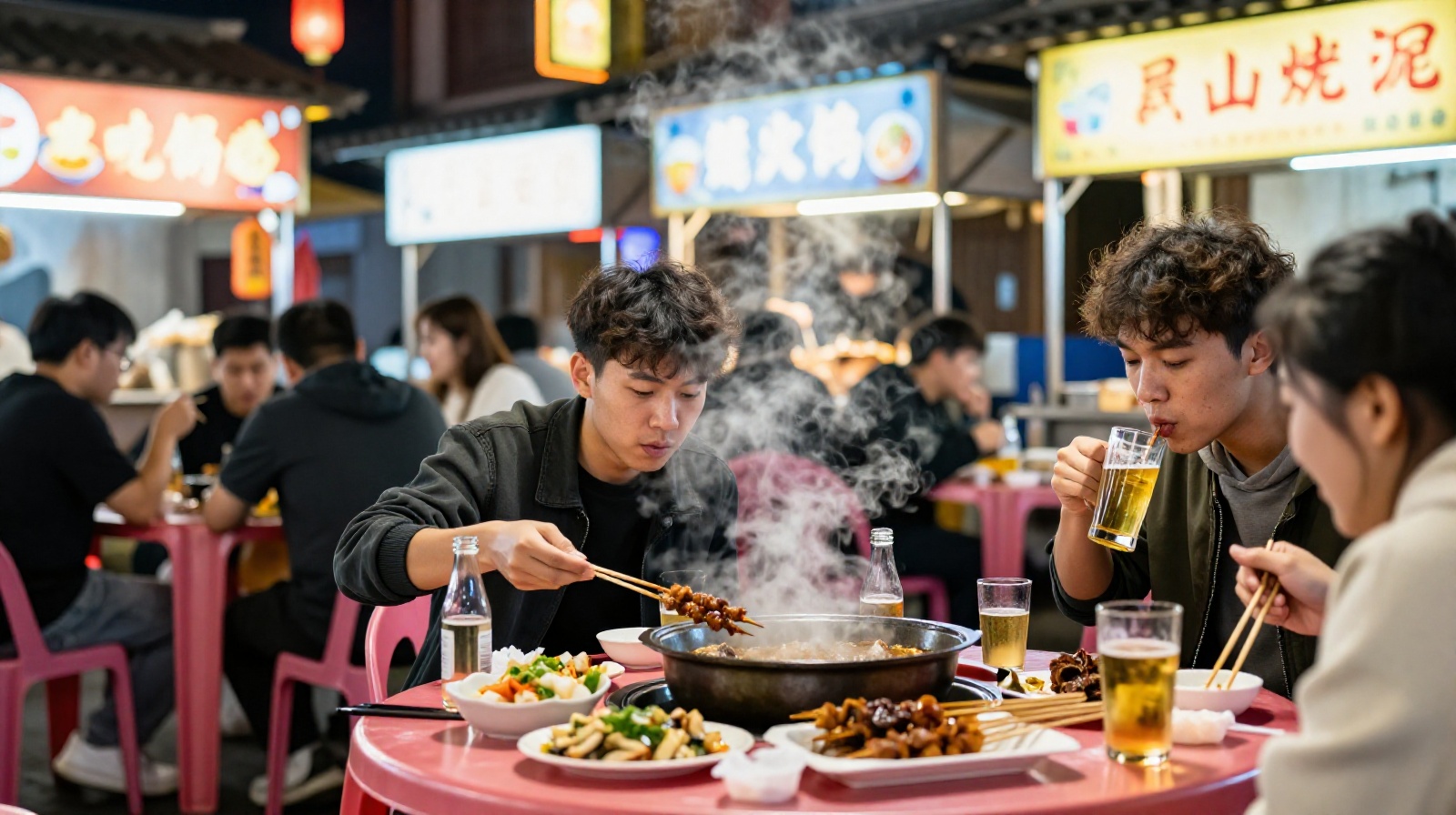
Later that evening, the scene shifts again. The city lights up with neon signs over steaming food stalls in the Wushan Night Market. Here, young professionals crowd around plastic tables, eating skewers and drinking beer. It is a stark contrast to the sterile office environment, but it’s where the real culture lives.
The Real Cost of Living: Coffee Prices and Student Budgets
For all its glamour, Hangzhou has become expensive. A one-bedroom apartment in the city center can cost as much as a small house in many Western cities. Renting a room in a shared apartment near the university district is more common for graduates.
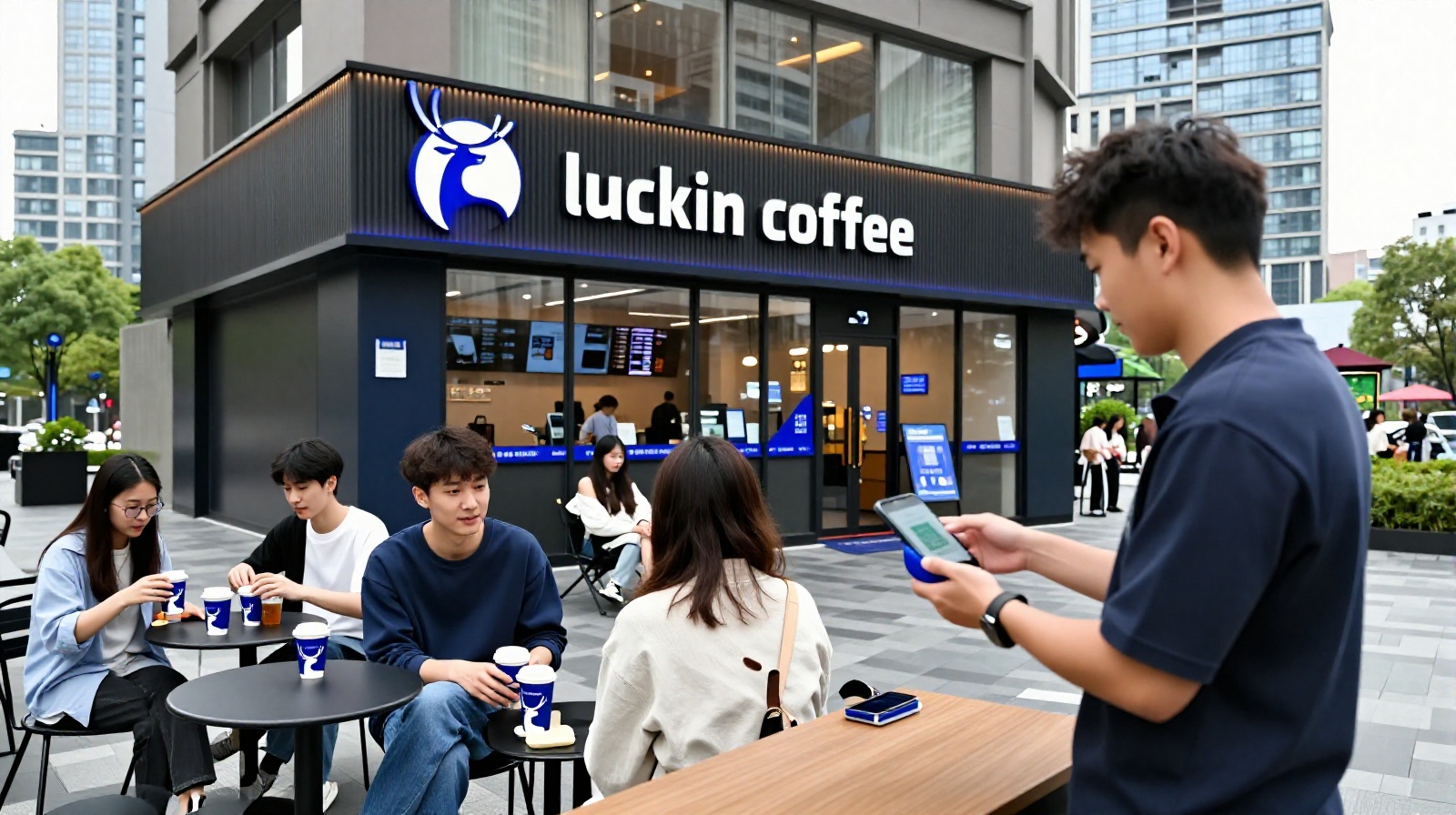
However, the cost of daily living has shifted. Coffee, once a luxury symbolizing status, is now accessible to almost everyone. Chains like Luckin Coffee have flooded the streets with coupons, selling cups for just 15 RMB (about $2). This “coffee culture” fuels the long coding sessions and late-night study groups.
For students, the budget is tight but manageable thanks to digital subsidies. Universities often partner with local tech firms for internships that pay well above minimum wage. The city’s infrastructure makes life cheaper in other ways: a subway ride costs around 4-7 RMB regardless of distance, and bike-sharing apps make short trips almost free.
Smart City: No Wallet Needed
The most immediate change for visitors is the disappearance of cash. In Hangzhou, you can buy a bagel from a street vendor, pay for a bus ticket, or book a hospital appointment entirely with your phone.
Lin demonstrates this as he walks through a crowded market. He scans a QR code on a vendor’s counter to pay for dinner. The transaction takes less than two seconds. Even the elderly vendors in colorful aprons have learned to scan codes from their customers’ screens. This digital ecosystem is so seamless that it feels invisible, yet it powers the entire city’s economy.
Public transport is equally efficient. Real-time apps show exactly when the bus will arrive, and bike-sharing docks are everywhere, allowing users to park anywhere within designated zones. The system relies on massive data collection, optimizing traffic lights and public services in real time.
Why Hangzhou Matters
Hangzhou is not just a tourist destination; it is a laboratory for modern Chinese life. It shows how young people navigate the tension between rapid economic growth and a deep appreciation for tradition.
The city’s youth are not rejecting their heritage to embrace technology. Instead, they are weaving both together. They code algorithms in glass towers by day and meditate by lakesides at night. They value efficiency but still make time for the slow, messy beauty of a street food stall.
This balance defines the new generation of Chinese professionals. They are ambitious, digitally native, and deeply connected to their local communities. Hangzhou offers a glimpse into what the future of work-life integration might look like across China’s rapidly evolving urban landscape.