

Before the Alarm Clock Rings
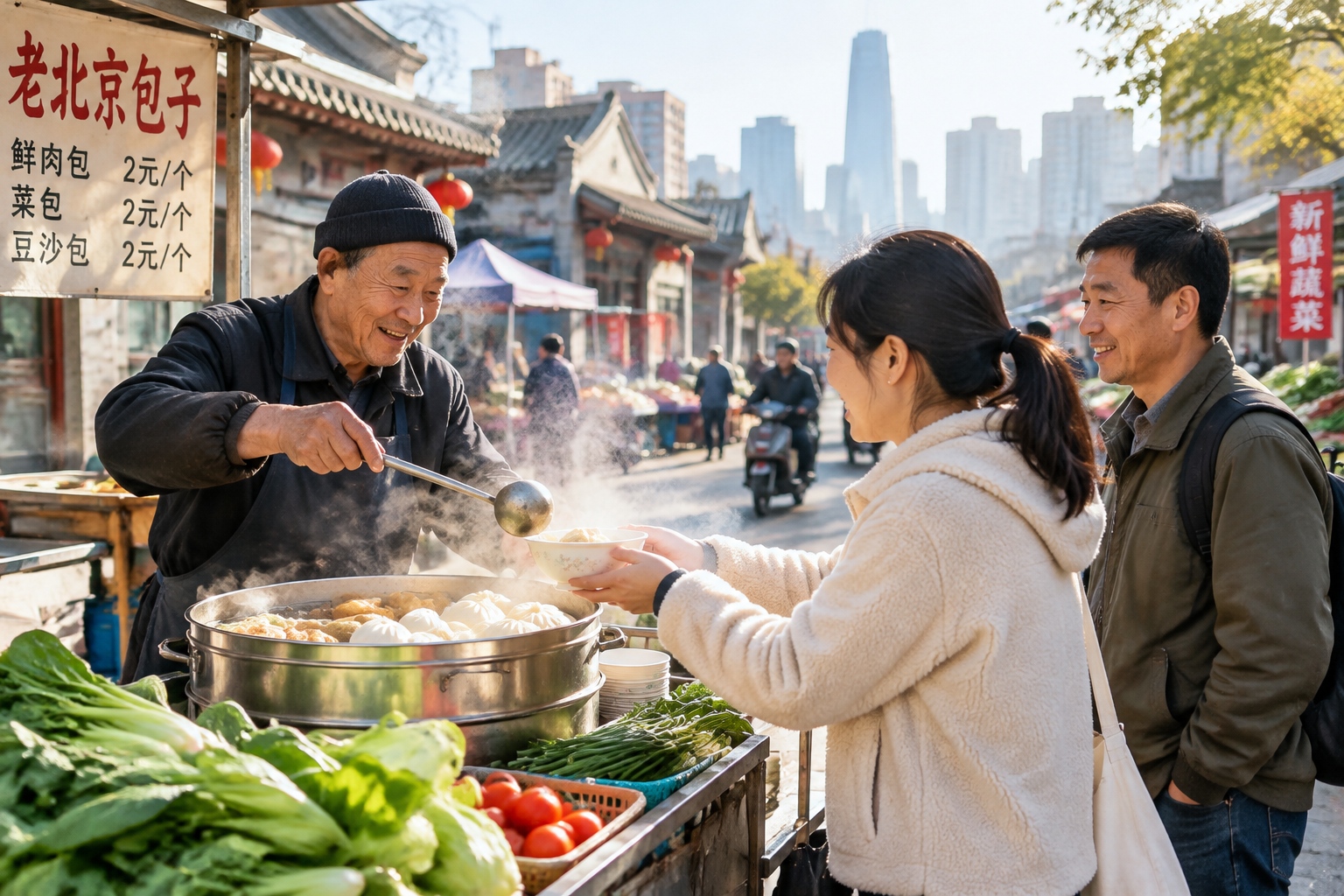
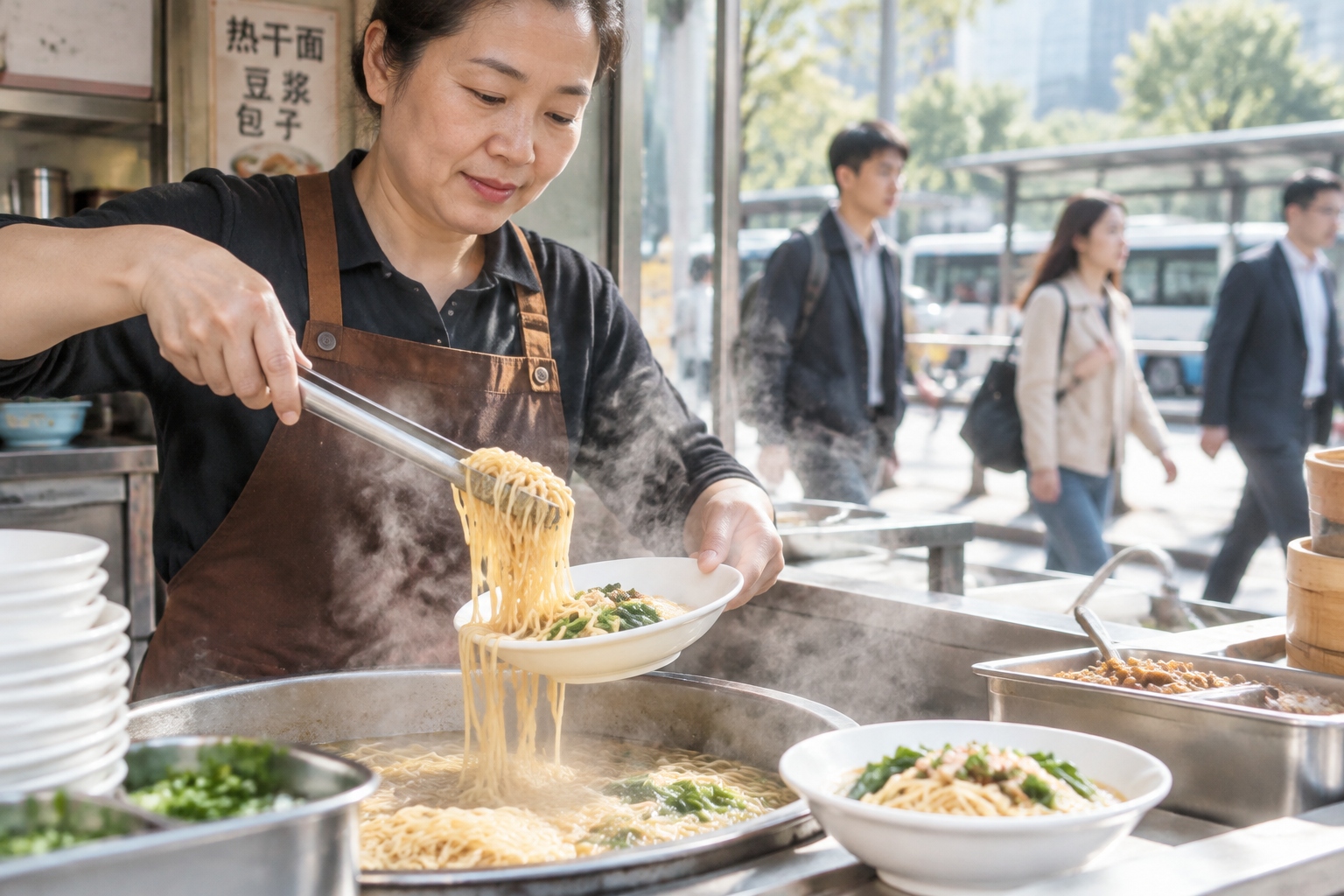
The air in Guangzhou is thick with humidity and the sharp scent of star anise. It’s 6:30 AM, and before most office buildings have powered up their HVAC systems, the city is already breathing. At a street corner stall no wider than two meters, Auntie Lin flips rice noodles with practiced speed. Her hands move in a blur, scooping soy sauce, adding chopped green onions, and sliding the steaming plates onto plastic stools.
For the commuters rushing by—students with backpacks, delivery drivers checking their phones, elderly residents heading to square dancing spots—this breakfast is not just fuel. It is the first interaction of the day, a silent ritual that binds the neighborhood together. The sound of slurping noodles mixes with the honking of electric scooters and the distant hum of construction cranes. This is not the China seen in glossy travel brochures; it is raw, loud, and undeniably alive.
More Than Just Skyline Photos
To understand Chinese cities, you have to look down, not up. While global media often fixates on the futuristic architecture of Shanghai or Shenzhen, the actual rhythm of life unfolds in the
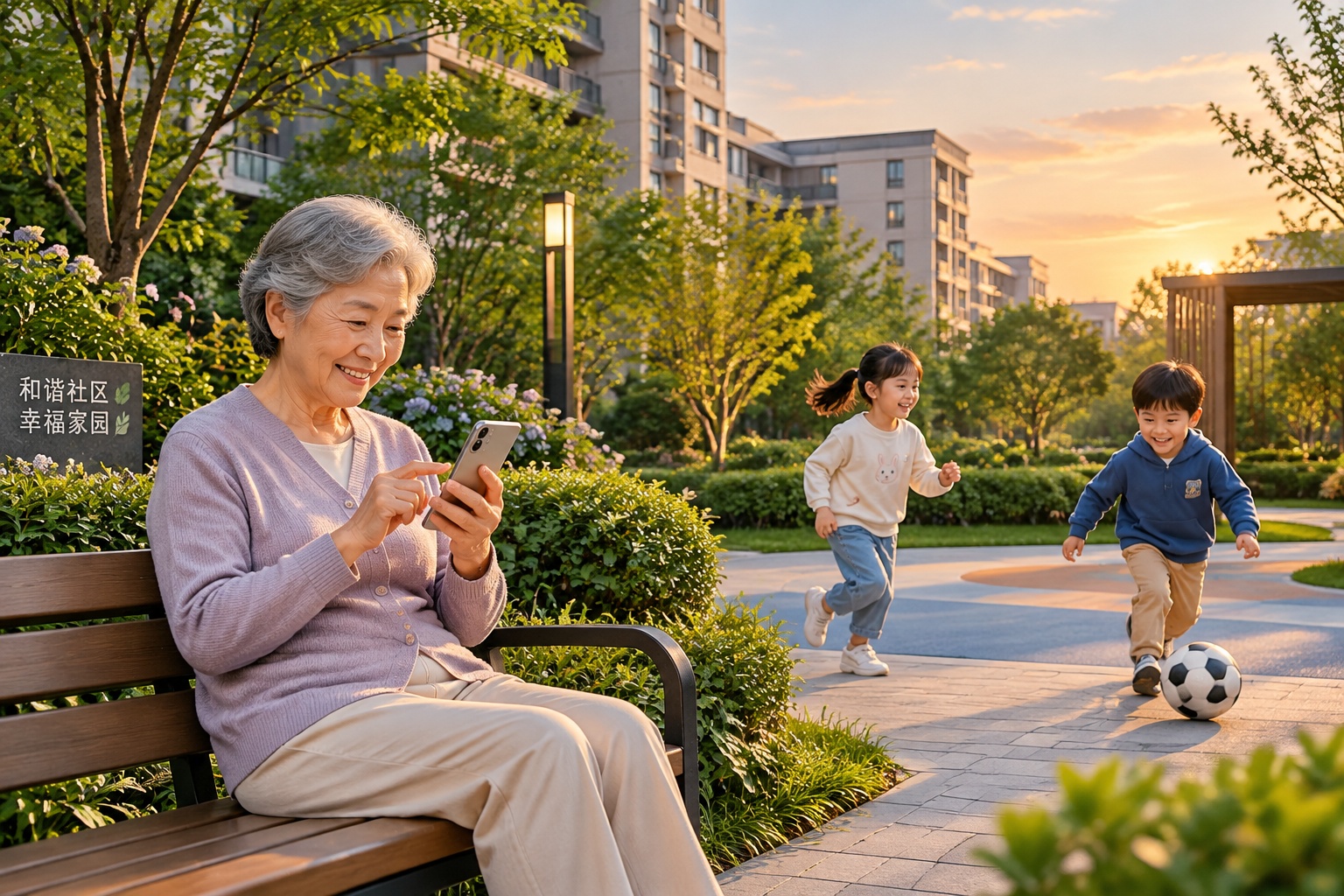
In these spaces, urban design meets human necessity. Walk through a typical middle-class neighborhood in Hangzhou at dusk, and you will see a different kind of “smart city.” It’s not about autonomous drones delivering pizza; it’s about 72-year-old Mr. Chen using WeChat to pay for his electricity bill and join a community group chat that coordinates vegetable deliveries from local farms.
The technology here is invisible but omnipresent. A young mother in Nanjing scans a QR code at a traditional wet market to buy fresh spinach, while her neighbor pays with cash. Both are part of the same economic ecosystem. The digital divide has largely vanished, replaced by a unified digital layer that makes daily life incredibly efficient, yet it hasn’t erased the old habits of bargaining or chatting over the fence.
The Night Economy: Where Work Ends and Life Begins
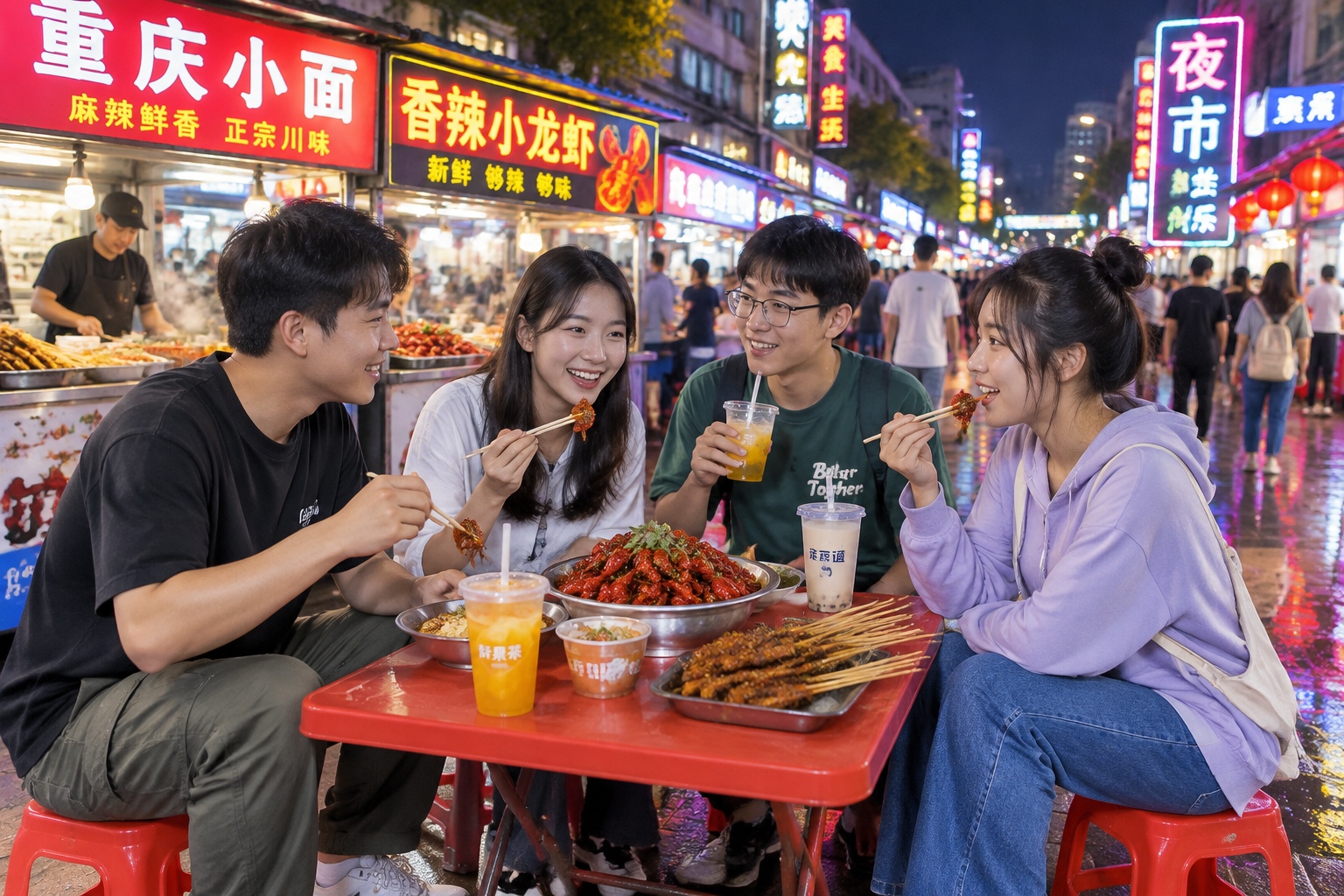
As sunset fades into neon, Chinese cities undergo a second transformation. The “night economy” is not just a buzzword for policymakers; it is a vital organ of social life. In Chongqing, known as the “8D City,” the nightlife spills out onto riverside promenades and multi-level streets.
At a bustling night market in Chengdu, the air smells of cumin, grilled lamb skewers, and spicy hot pot broth. Young professionals who spent their day coding or managing logistics in glass towers now sit on low plastic stools, sweating under industrial fans, debating the latest AI trends or complaining about overtime.
This scene reflects a significant shift in Chinese consumer behavior. The post-pandemic era has seen a rise in “emotional consumption.” People are willing to pay for experiences that offer comfort, connection, and joy. Street food is no longer just cheap sustenance; it is a cultural statement. It represents a desire for authenticity in an increasingly standardized world.
Community: The New Social Fabric
In many Western contexts, urban isolation is a common complaint. In China, the community center and the residential compound often serve as robust social anchors. Take the public parks in Beijing or Xi’an after 7 PM. You will find grandparents teaching children how to play traditional board games, middle-aged men practicing Tai Chi with synchronized precision, and young couples jogging past.
These spaces are not just for exercise; they are theaters of social interaction. In Shanghai’s Xuhui district, renovated riverside parks have become hubs for yoga groups, amateur photography clubs, and even impromptu jazz sessions. The government invests in these “micro-urbanisms” because it understands that public space is where civic identity is formed.
The resilience of Chinese society is visible here. When challenges arise—whether economic slowdowns or public health crises—the ability of communities to self-organize, share resources, and maintain social cohesion becomes apparent. It is a bottom-up vitality that complements top-down infrastructure development.
Conclusion: The Human Scale
The true pulse of Chinese cities does not beat in its GDP figures or high-speed rail networks alone. It beats in the steam rising from a breakfast stall, in the glow of smartphone screens illuminating faces on subway cars, and in the laughter echoing from a night market.
For the outside observer, looking past the headlines to these everyday moments reveals a society that is complex, adaptive, and deeply human. It is a place where tradition and modernity do not clash but coexist in a daily dance, creating a unique urban character that is both fast-paced and intimately grounded.
Start the discussion at forum.chinacomes.com