

More Than Just a Beer City
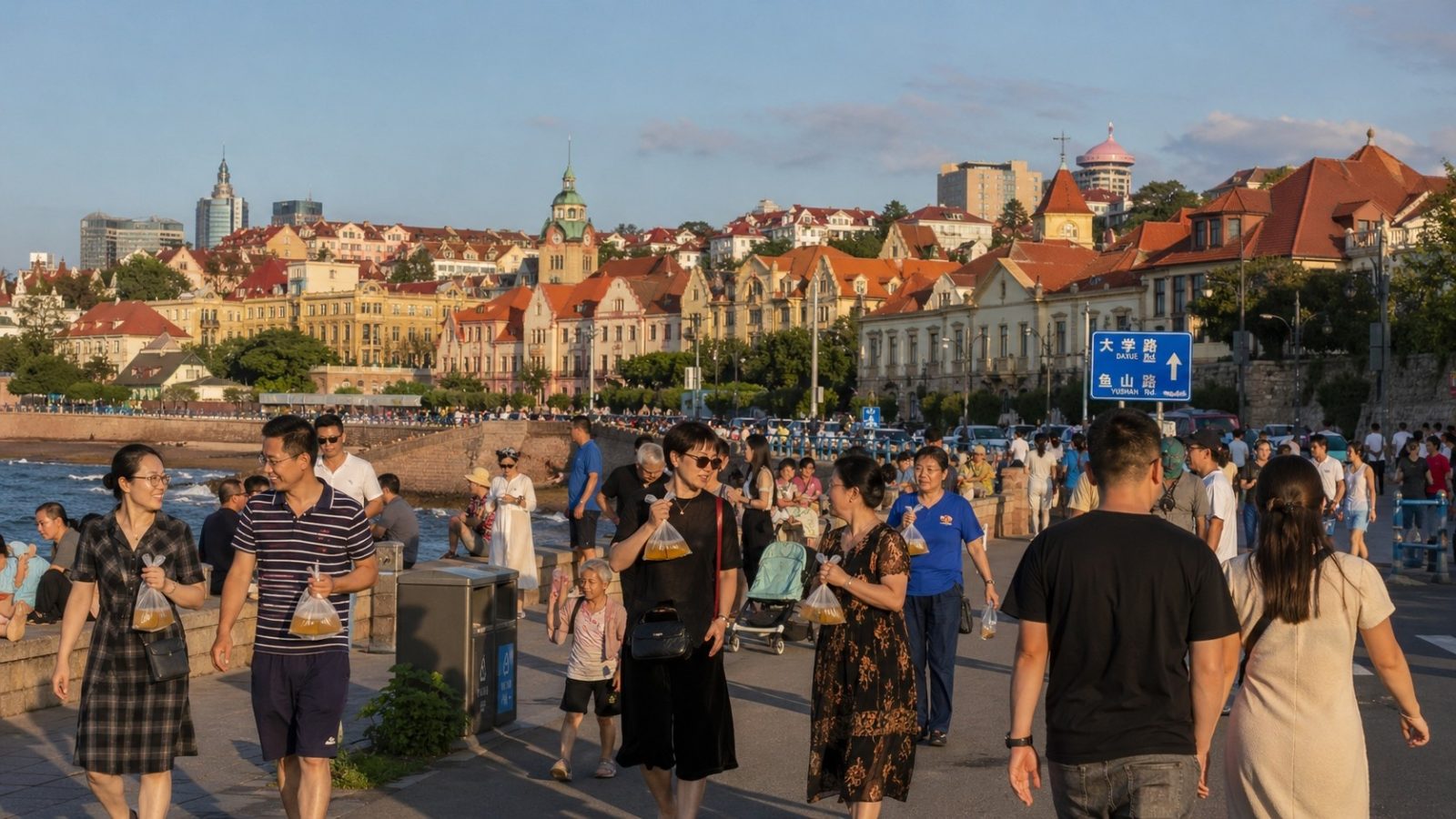
If you’ve heard of Qingdao, it’s likely because of the beer. The golden liquid flows through this city like blood, but telling just that story misses half the picture. To understand Qingdao today, you need to walk its streets where red-tiled roofs from over a century ago stand alongside high-rise apartments and bustling night markets.
Qingdao isn’t just a factory for beer; it’s a living museum of history mixed with modern Chinese vitality. While other coastal cities in China might focus solely on new skylines, Qingdao keeps its old soul intact. The city was once leased to Germany from 1897 to 1914, leaving behind a unique architectural legacy that you can still see today.
Walking Through the Old Town’s ‘German Village’
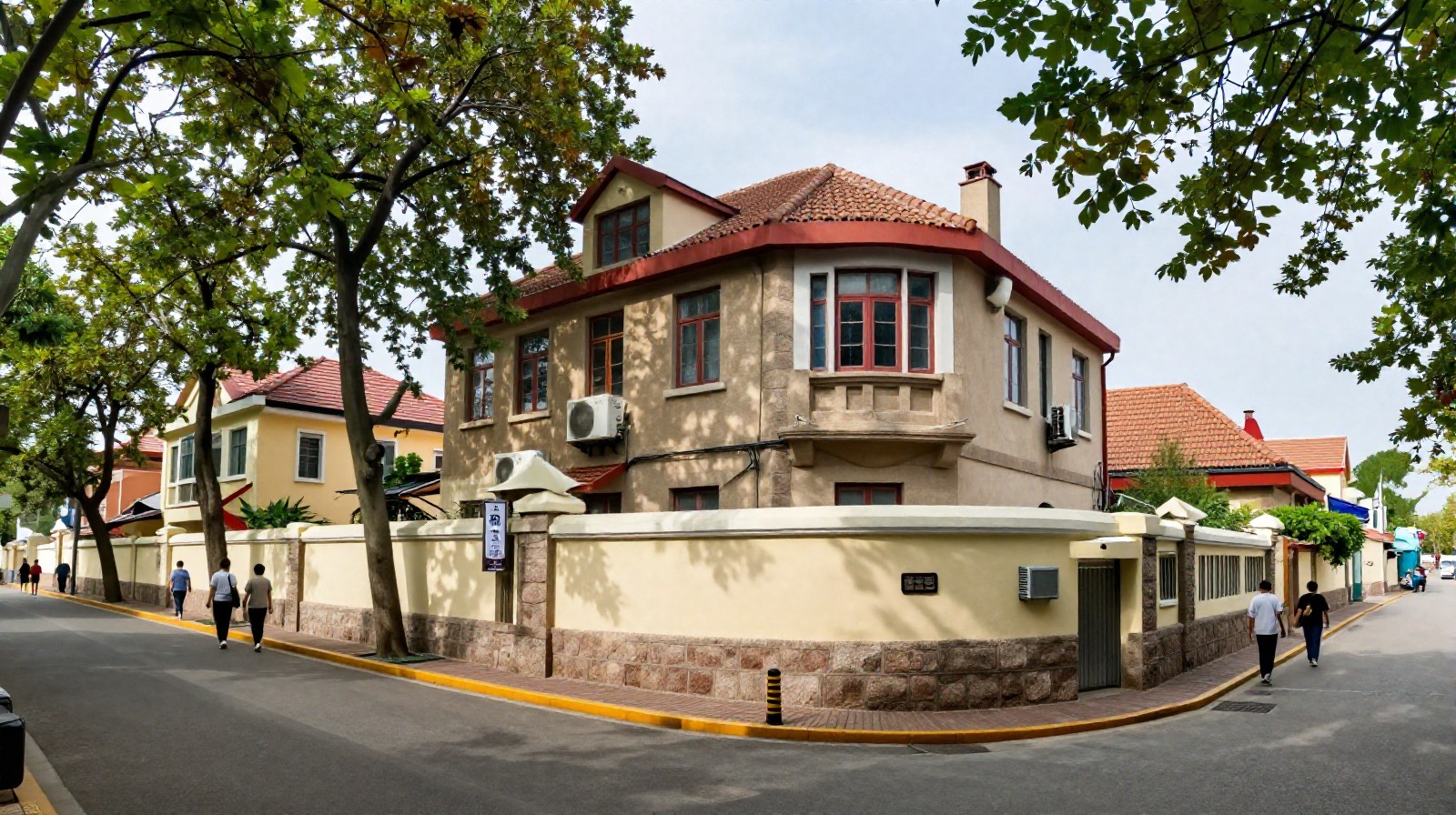
A sunny street in Qingdao’s Old Town showing red-tiled roofs against a blue sky with pedestrians walking past European-style cafes.
Start your morning at the intersection of Beijing Road and Zhongshan Road. Look up. The buildings here aren’t generic concrete blocks; they are sandstone structures built by German architects in the early 1900s. You’ll see steep gabled roofs, round towers, and intricate brickwork that looks like it belongs in Bavaria, yet feels distinctly Chinese because of how locals use these spaces.
Unlike many historic districts in Asia that have been turned into sterile shopping zones for tourists, Qingdao’s Old Town is still a neighborhood where people live. You’ll see grandmothers hanging laundry on balconies overlooking the street while young couples grab coffee at hidden cafes tucked under the eaves. The architecture isn’t just scenery; it’s the backdrop of daily life.
The Beer Culture: From Factory to Pavement
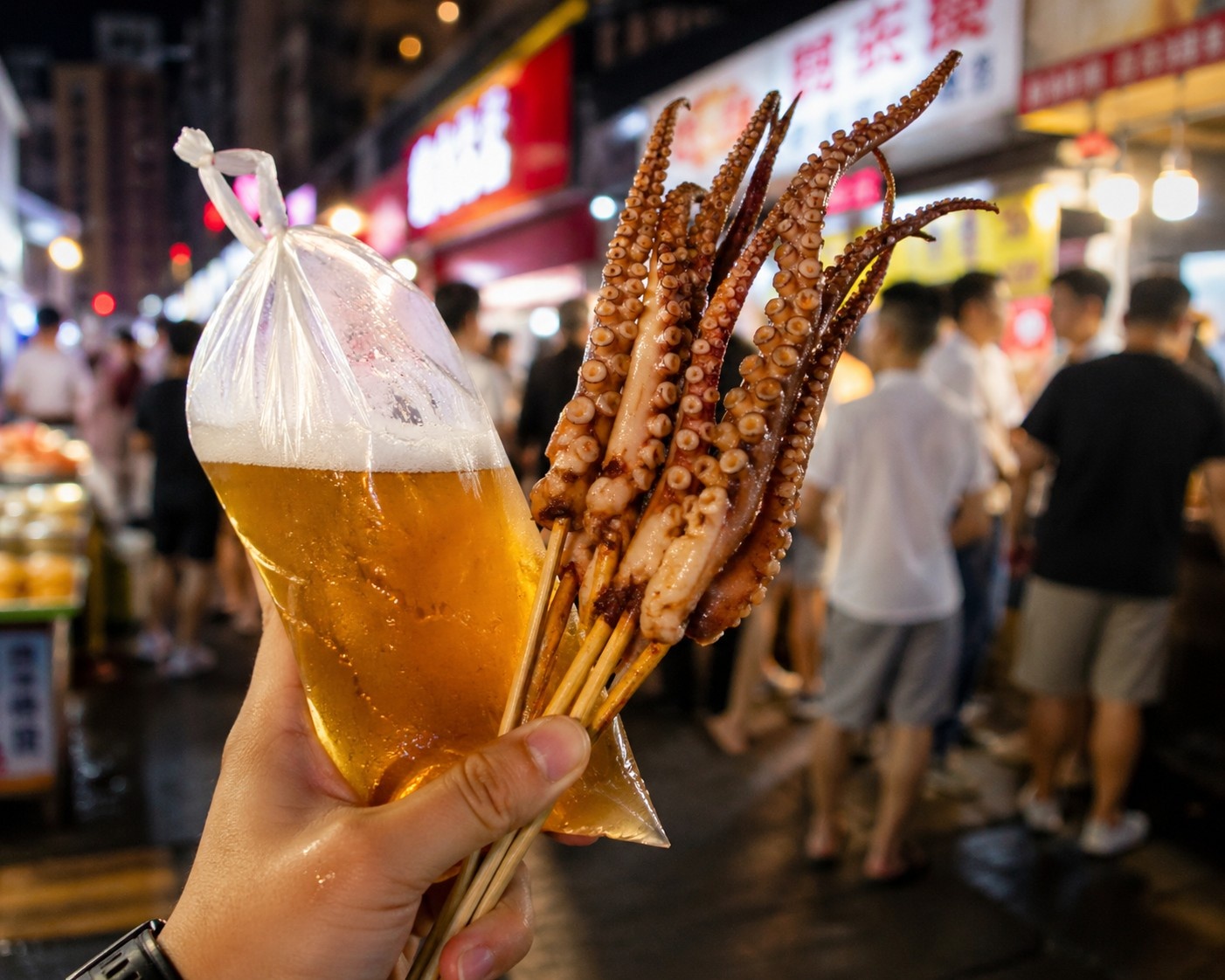
Close-up of a clear plastic bag filled with fresh draft beer being held by a customer at an open-air street stall in Qingdao.
In most parts of China, you buy beer from a store and drink it inside. In Qingdao, the culture is different. The city is home to the Tsingtao Brewery, one of Asia’s oldest brands, but the experience isn’t about the factory tour—it’s about the street.
As evening falls, head to the outdoor beer stalls. You’ll see plastic tables set up on sidewalks, and waiters carrying large bags filled with cold, freshly tapped beer. This is a tradition unique to Qingdao: buying beer in a plastic bag to drink while standing or sitting at low stools. It’s casual, loud, and smells of grilled octopus and yeast.
Why does this happen? Because the climate here in summer is mild compared to the scorching heat in southern China. People come out early to enjoy the sea breeze. The beer isn’t just a drink; it’s a social lubricant that brings neighbors together on busy Friday nights.
A Stroll Along the Coast
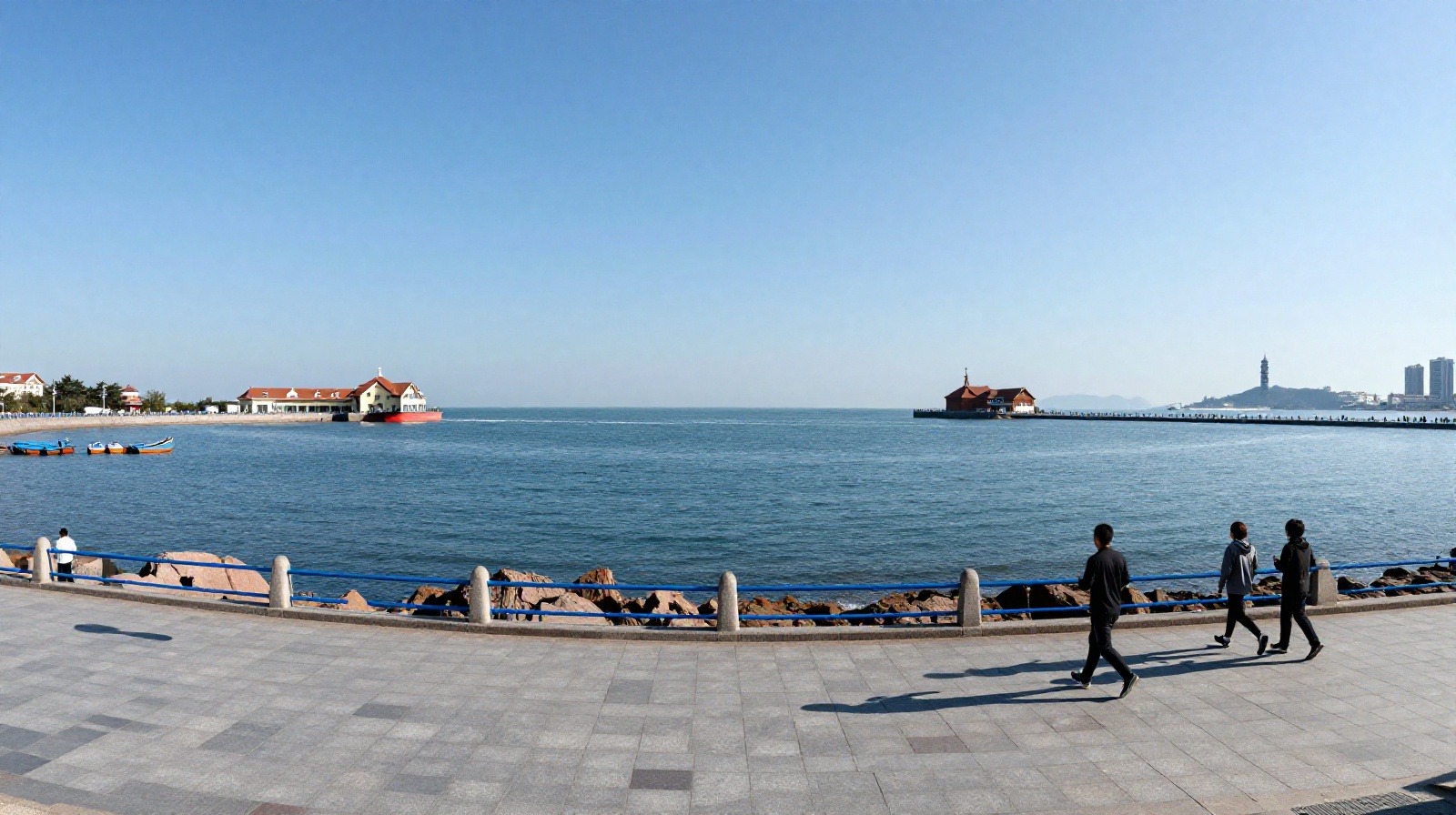
Wide shot of the coastal promenade in Qingdao with people jogging and walking, featuring Zhan Qiao Pier in the distance under a clear blue sky.
After dinner, walk along the coastal promenade. This is where the city breathes. You can start from the iconic Zhan Qiao Pier, a long stone jetty extending into the sea that was originally built for military use but is now a symbol of the city’s resilience.
As you walk east, the path opens up to green parks and modern squares like May Fourth Square. Here, you see a different side of Qingdao: young people playing frisbee, elderly couples dancing, and families picnicking on the grass. The contrast between the historic German towers in the background and the futuristic sculptures in the foreground tells the story of how this city has evolved.
What makes this route special is that it’s not a curated tourist trail. Locals come here to jog, chat, or just watch the sunset over the Yellow Sea. It’s a public space owned by everyone, reflecting the Chinese value of communal leisure.
A Local’s Perspective: How Qingdao Differs
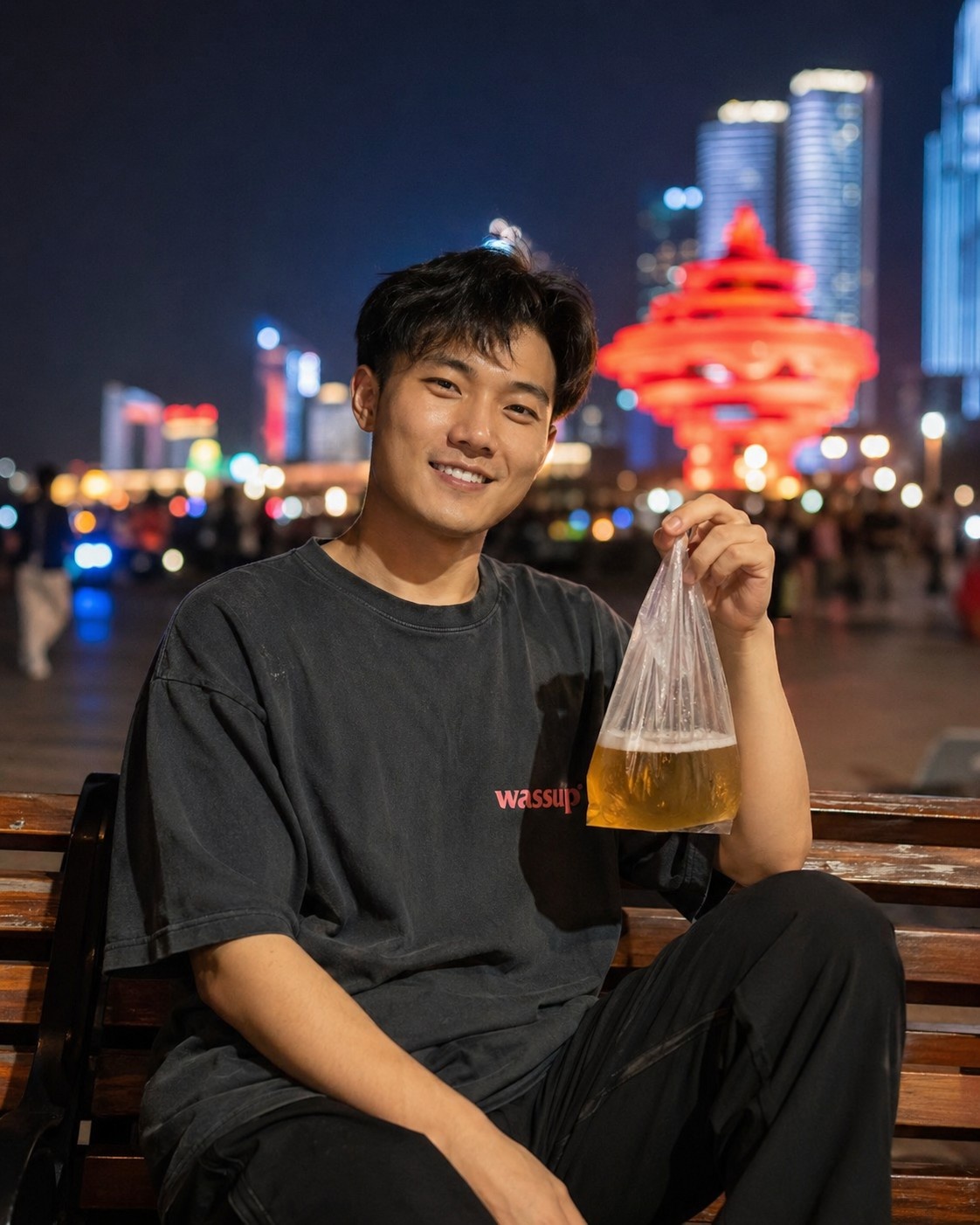
Portrait of a local young man sitting on a beach bench near May Fourth Square, smiling while holding a plastic bag of beer, with city lights in the background.
I spoke to Li Wei, a 30-year-old graphic designer who grew up in Qingdao. “People often think we are just about drinking,” he told me. “But for us, it’s about the rhythm of life.” He explained that while cities like Sanya or Xiamen are more focused on luxury resorts and quiet getaways, Qingdao is a working city first.
“The beer is part of our work culture too,” Li added with a laugh. “We celebrate success, but we also relax hard after long shifts in the shipyards or offices.” He pointed out that unlike some coastal cities that become ghost towns in winter, Qingdao stays vibrant year-round because it’s a hub for industry and shipping.
Smart Tips for Your Summer Visit
If you plan to visit, timing matters. July and August are the peak months, but they bring crowds. For a better experience, try late June or early September when the water is still warm, but the summer rush has eased.
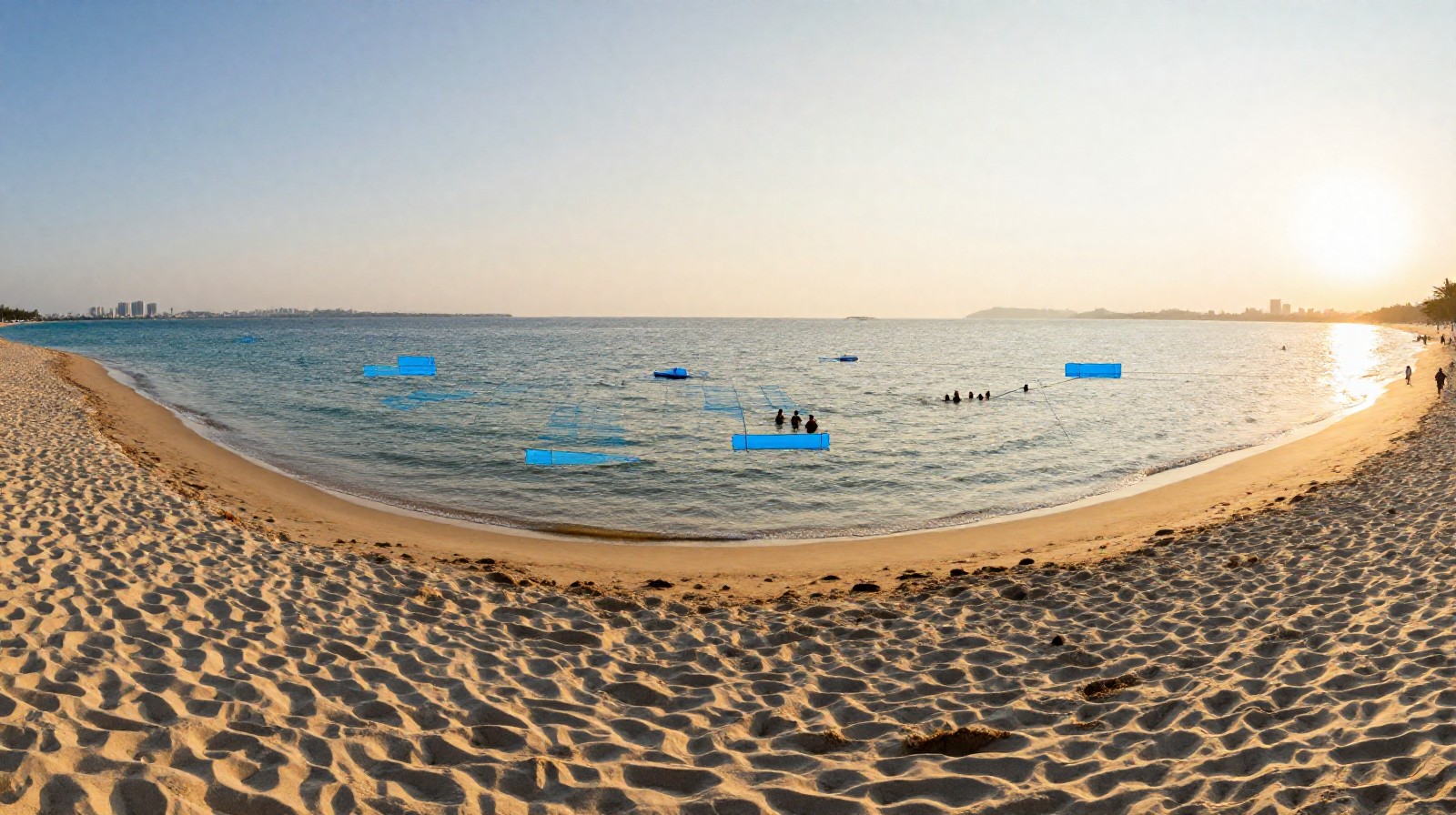
Wide landscape view of a clean sandy beach in Qingdao with clear blue water and people swimming safely in designated areas during the golden hour.
For swimming, stick to the monitored beaches near Zhan Qiao or the area around Badaguan. They are safe, have lifeguards, and offer public showers. Avoid unmonitored stretches of sand if you aren’t a strong swimmer. Also, remember that while the beer is cheap, the plastic bags are reusable and eco-friendly in this context—just don’t litter.
Qingdao offers a rare blend: the charm of a European past with the energy of a modern Asian metropolis. It’s not just about seeing castles or drinking beer; it’s about feeling how history and daily life coexist here.