

The ‘Fish Head’ Moment: A Test of Social Intelligence
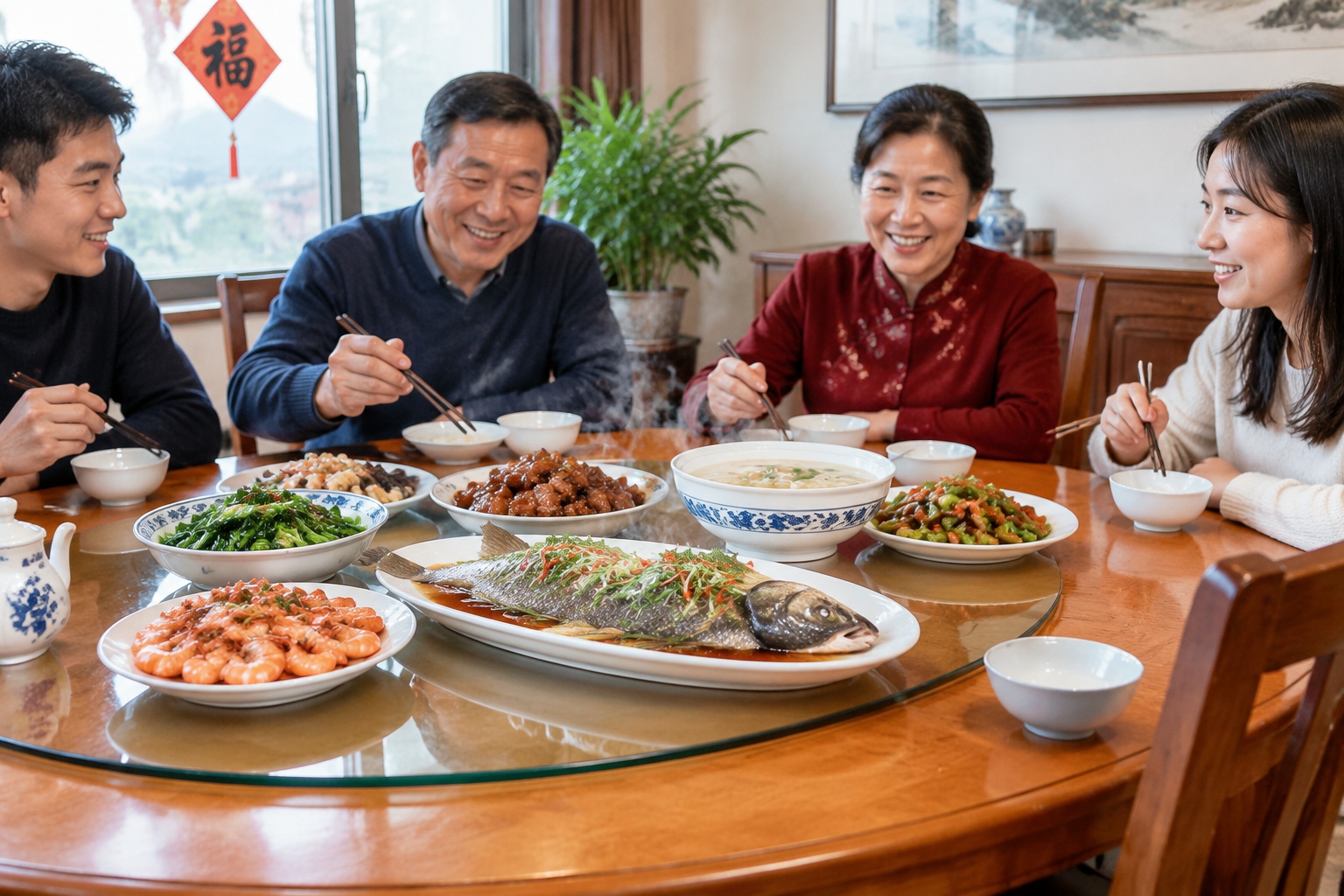
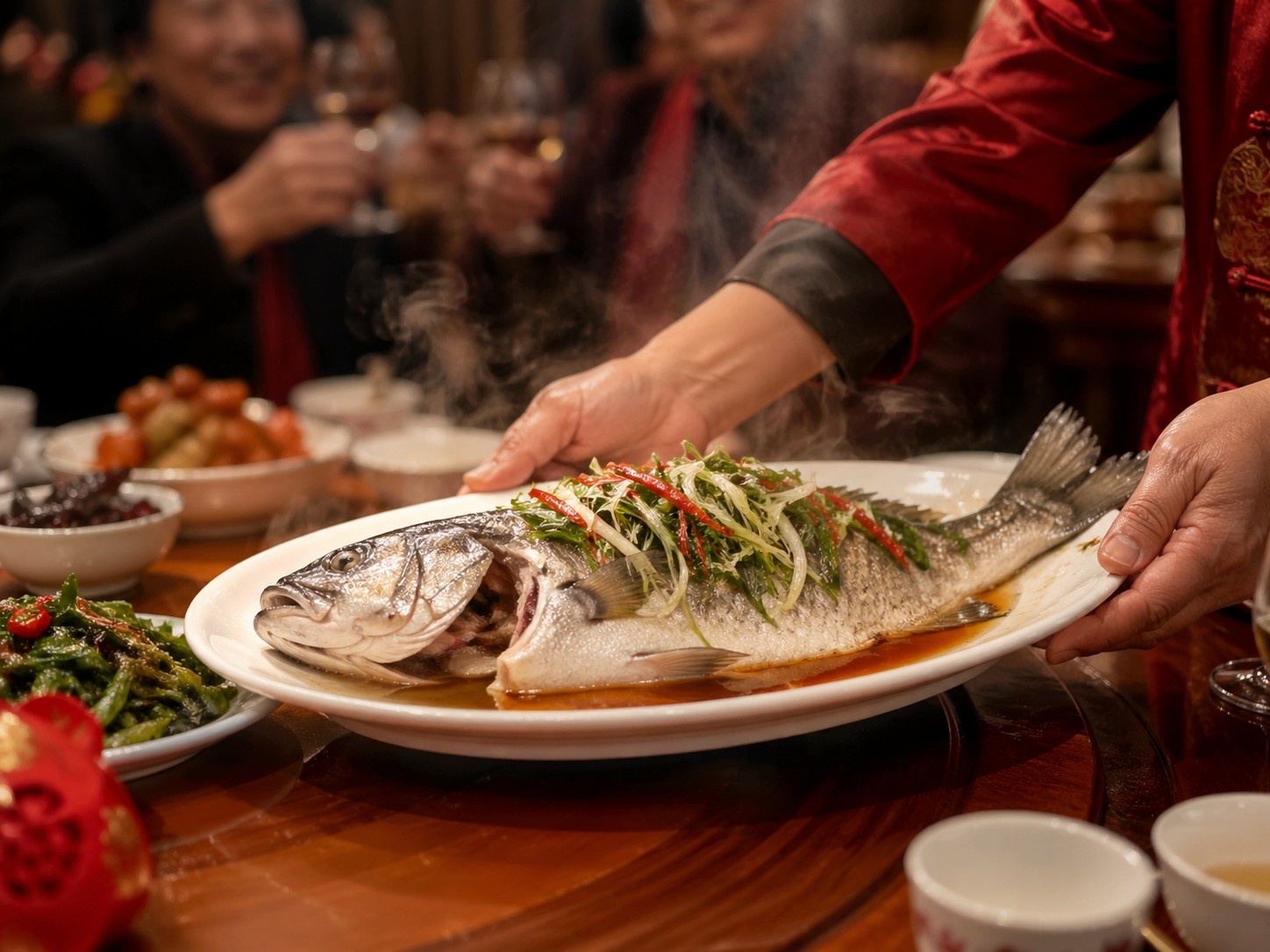
Imagine you are a guest at a dinner party in Jinan, the capital of Shandong province. The table is round, laden with steaming dishes. Suddenly, a whole steamed fish arrives. In many Western cultures, you might expect it to be sliced and served immediately. But here, the fish lands on the table with its head pointing directly at you.
Your host smiles warmly and says, “The fish head is for the guest of honor.” This isn’t just a quirky tradition; it’s a test. If you accept the head without hesitation, showing respect, you gain immediate social credit. If you look uncomfortable or try to move it yourself, you might inadvertently cause your host to lose face.
For an outsider from Europe or America, this feels like an unnecessary rule. Why does the direction of a dead fish matter so much? To understand this, we have to step away from the idea that Chinese culture is solely about strict hierarchy and look at the concept of mianzi (face) as a form of social currency.
What ‘Face’ Really Means: More Than Vanity
Many Westerners translate “mianzi” simply as “vanity” or “pride.” This is a misunderstanding. In the context of daily life, especially in Shandong—a region known for its Confucian roots and hospitality—face is about social credit and mutual respect.
When your host places the fish head toward you, they are publicly acknowledging your importance to the group. They are saying, “You matter enough for me to follow these specific rules.” It’s a non-verbal handshake that builds trust before a business deal or even a friendship begins.
In contrast to the individualistic focus common in the West, where dining is often about convenience and personal preference, Chinese banquets are communal performances. Every action, from pouring tea with two hands to turning the fish head, signals that you value the group’s harmony over your own comfort. This is why a simple gesture of seating can determine whether a relationship thrives or stalls.
Decoding the Seat Map: The Geometry of Respect
If the fish head tells you who matters most, the seating chart tells you everything else. In traditional Shandong banquets, the layout is a map of social hierarchy.
The seat facing the entrance is reserved for the guest of honor. It’s the spot where they can see everyone entering but no one can approach them directly from behind—a position of safety and prominence. The host sits opposite, with their back to the door, acting as a shield and ensuring guests are served first.
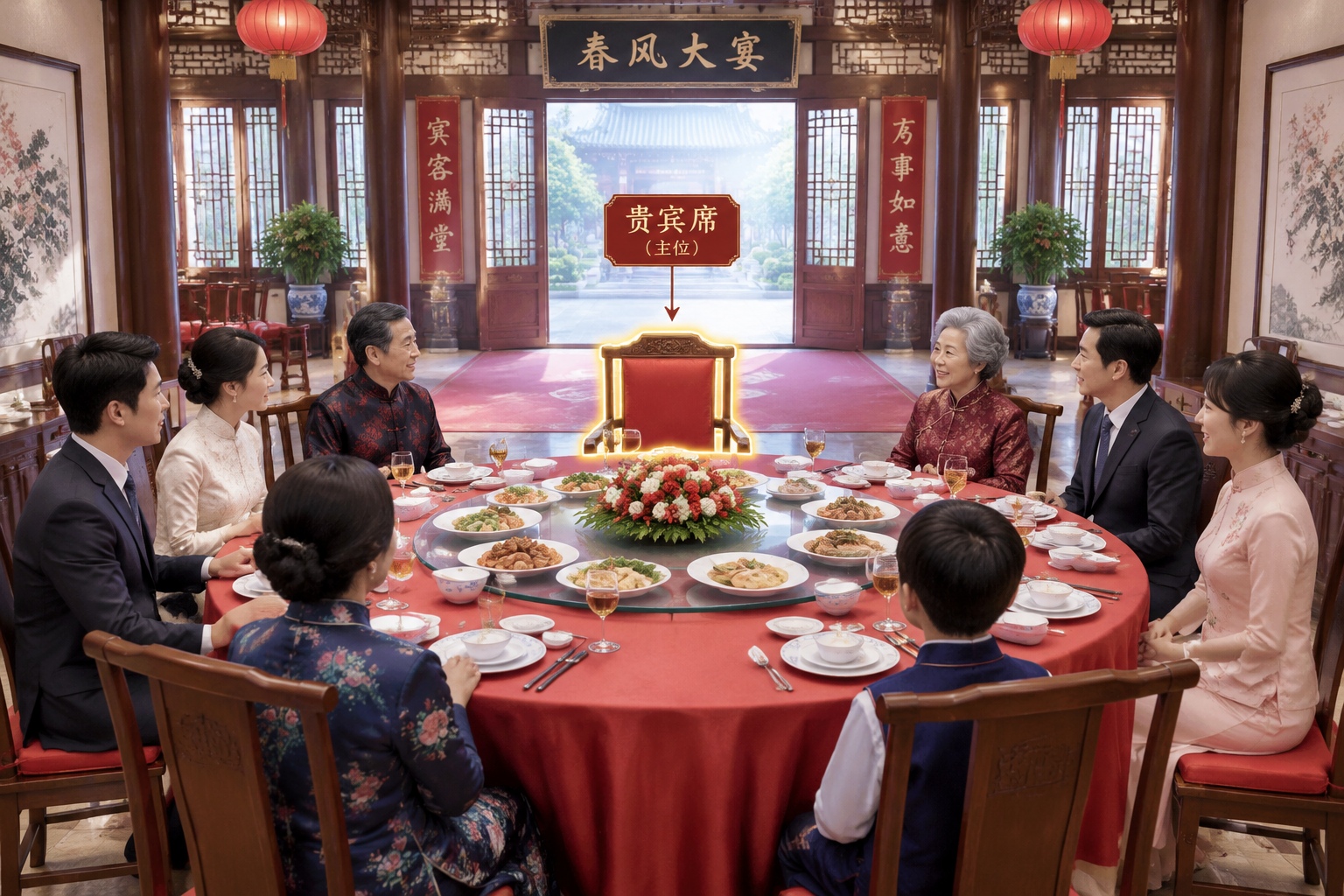
Secondary seats radiate outward based on age, seniority, or business rank. A younger person sitting in the main seat is considered a grave insult, not just rude behavior. It suggests they don’t understand their place in the social order.
However, this isn’t a rigid museum exhibit. In modern urban settings, you might see a mix of rules. Young professionals in Shanghai or Beijing might skip the strict seating chart for a casual hotpot meal, prioritizing speed and comfort. Yet, even they often revert to traditional protocols when entertaining elders or important clients. The rules are flexible but ever-present.
From Tradition to Modernity: How Gen Z is Rewriting the Script
You might wonder if these ancient rituals are dying out with China’s rapid modernization. For many young people, the answer is a nuanced “yes and no.”
Gen Z in urban areas often finds strict hierarchy awkward. They value efficiency and personal space. A 25-year-old software engineer might prefer to order dishes via an app or skip the formal toast if they are just hanging out with friends. They view the old rules as burdensome if there is no genuine connection behind them.
But here is the twist: when a young person hosts a dinner for their parents’ business partners, the ritual returns full force. The shift isn’t about abandoning tradition; it’s about context. The “face” economy now requires authenticity. If you follow the rules mechanically but lack sincerity, you lose face anyway.

So, while the fish head might still point to the guest of honor in a formal setting, the conversation happening around it has changed. Younger hosts are often more relaxed about wine pouring and seating, focusing instead on creating a comfortable atmosphere where everyone feels included without feeling pressured by rigid status markers.
Reading Between the Lines: Why This Matters
Understanding these small details offers a window into the warmth and complexity of Chinese social life. It’s not about following rules to be “correct.” It’s about recognizing that in China, relationships are built on a foundation of mutual care and visible respect.
The fish head isn’t about the fish; it’s about the message: “We value you enough to bend our own comfort for your honor.” Whether you are from New York, London, or Berlin, you likely have similar unspoken rules in your culture. The difference lies in how openly they are practiced.
Next time you find yourself at a Chinese dinner table, watch the fish head. Notice who sits where. These aren’t just arbitrary traditions; they are the grammar of human connection in China.
Start the discussion at forum.chinacomes.com