

The Fleeting Taste of Spring
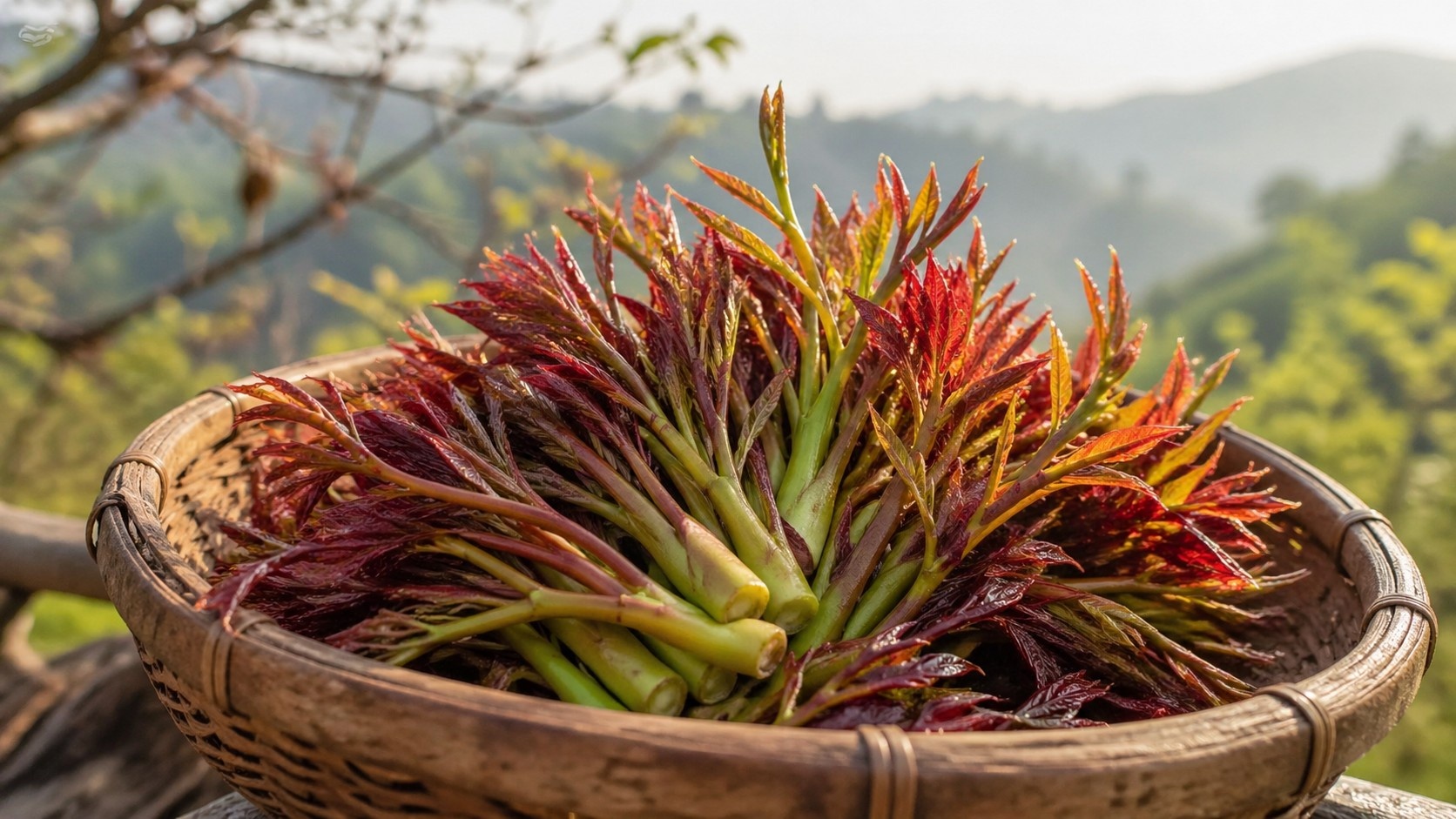
For millions of Chinese families, the arrival of spring is not marked by a calendar but by a specific scent. It arrives in early April as reddish-purple shoots emerge on the branches of Toona sinensis, commonly known as Chinese mahogany or Chinese toona. This ingredient is fleeting. The leaves are tender for only about two weeks before they become too fibrous and bitter to eat.
In the past, this scarcity meant you either picked it yourself in your backyard or missed the season entirely. Today, however, if you order Toona sinensis from an app in Shanghai, Beijing, or Shenzhen on a Tuesday morning, it can be steamed with eggs for dinner that same evening. The freshness is startling to first-time tasters: the sprigs are still crisp, the aroma intense, and the color vibrant.
The 48-Hour Race
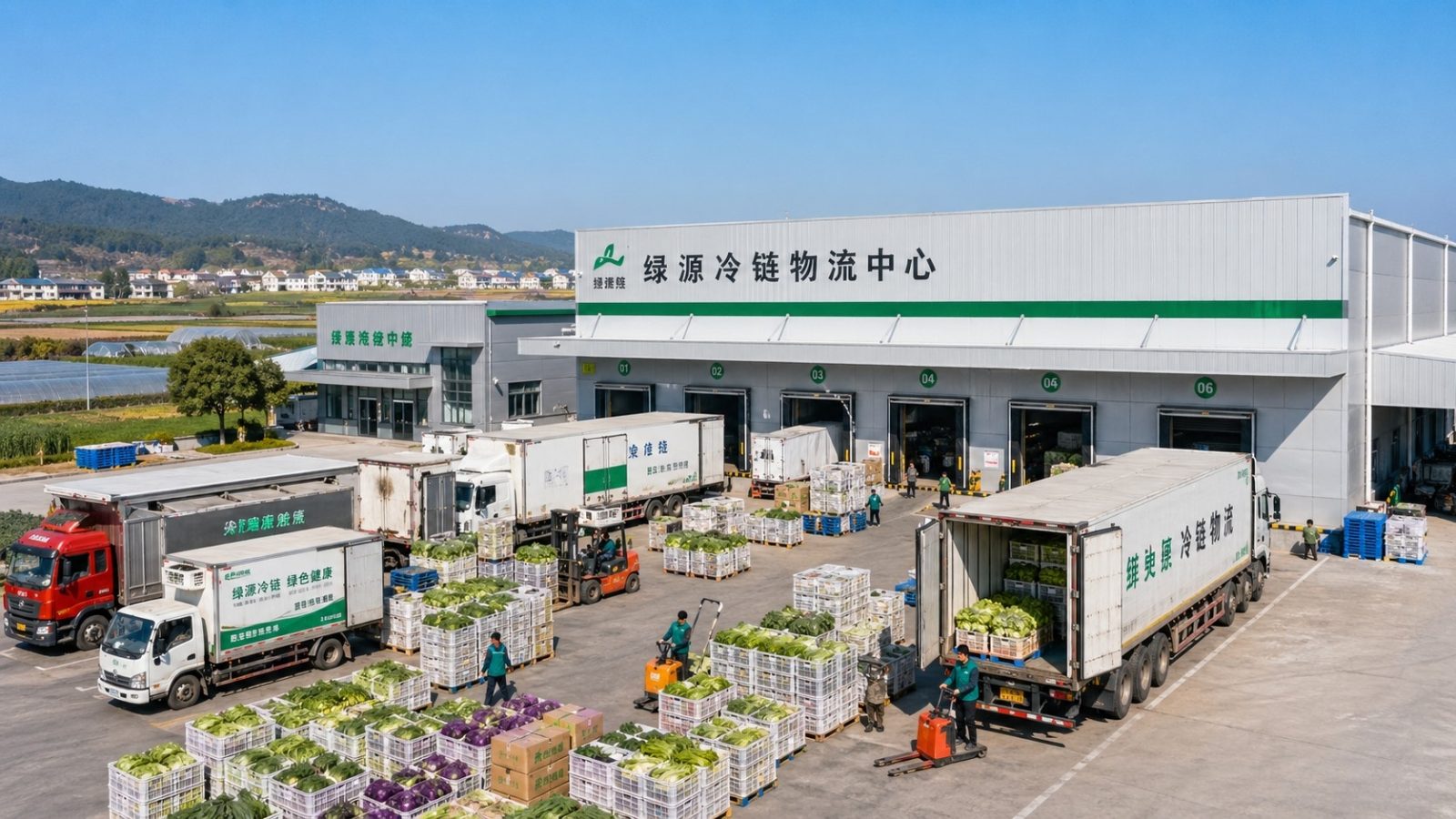
How does a delicate leaf survive a journey of hundreds of kilometers? The answer lies in a tightly coordinated logistics network that operates with military precision. The process begins before sunrise. In major producing regions like Shandong, Henan, and Shaanxi, farmers harvest the shoots at dawn when temperatures are lowest.
Time is the enemy. As soon as the leaves are picked, they enter a “pre-cooling” phase within hours. Unlike traditional refrigeration that slows decay after the fact, pre-cooling removes field heat immediately, locking in moisture and texture. These leaves are then packed into insulated boxes with gel packs or dry ice.
By mid-morning, the packages are already on trucks heading to regional distribution centers. Here, digital tracking systems monitor temperature and humidity in real time. If a truck deviates from its route or if the internal temperature rises above 4°C, an alert is sent to the logistics manager. This is not just about speed; it is about maintaining a continuous “cold chain” that has no weak links.
Digital Agriculture: The Invisible Hand
Behind this physical infrastructure lies a layer of digital agriculture that connects smallholder farmers directly to urban markets. In the past, farmers relied on middlemen who dictated prices and often delayed payments. Today, platforms provide real-time data on market demand, weather forecasts, and pricing trends.
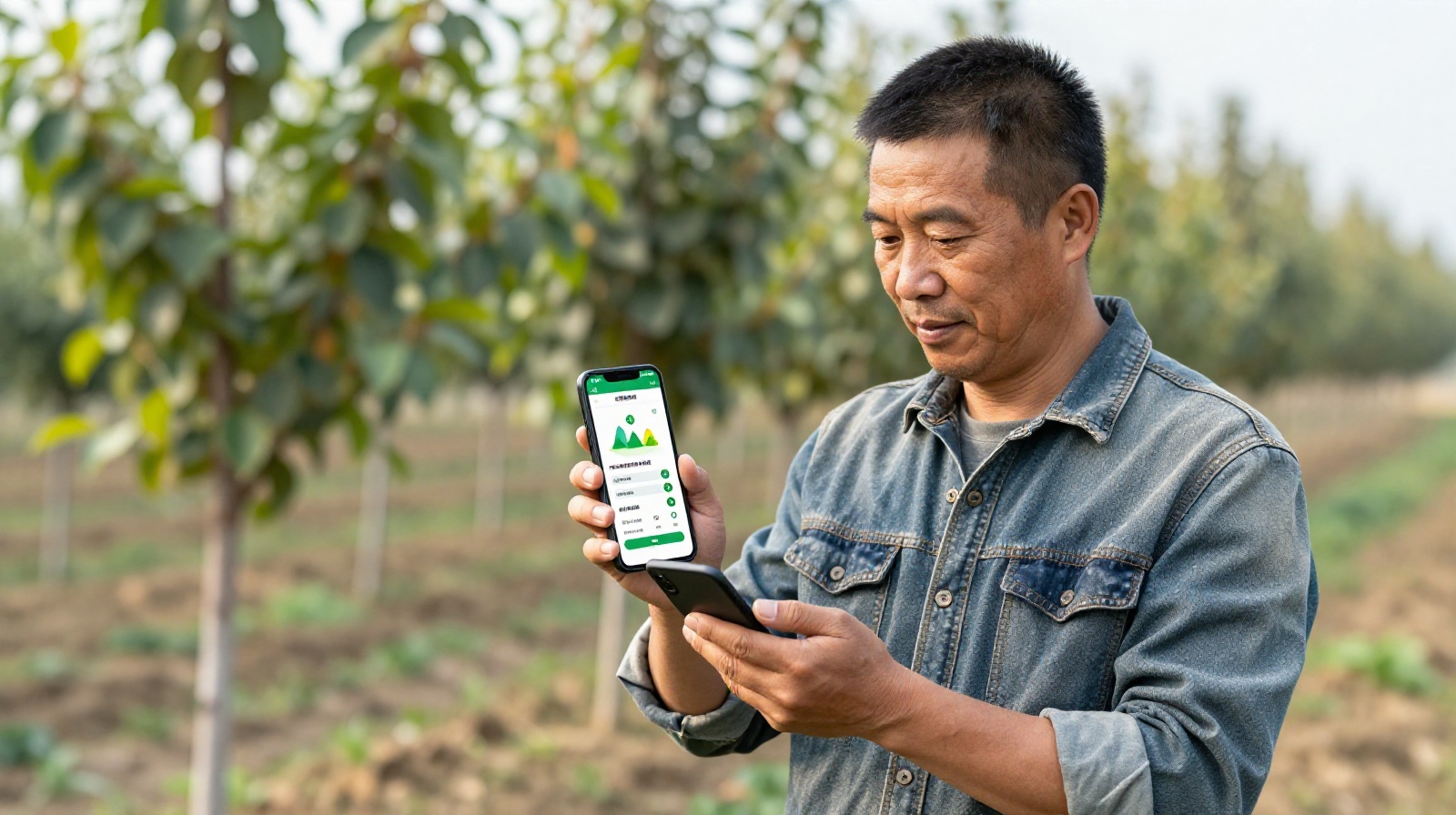
Farmers use smartphone apps to check which varieties are in highest demand. Some co-ops have installed IoT sensors in their storage facilities, allowing them to optimize harvesting schedules based on predicted order volumes. This reduces waste significantly. In a sector where food loss has historically been high due to poor handling, digital tools are turning uncertainty into predictability.
Efficiency at Scale
When compared to supply chains in many Western countries, China’s integrated approach stands out for its density and speed. The country has built one of the world’s largest cold storage capacities, allowing it to handle perishable goods with a level of consistency that is rare globally.
This efficiency serves two masters: urban consumers who demand year-round or near-year-round freshness, and rural producers who need reliable access to high-paying markets. For the farmer in Shandong, the difference between selling locally for pennies and shipping to Beijing for premium prices is often just a few hours of logistics optimization.
Nature Meets Innovation
The story of Toona sinensis is not just about technology; it is about how technology preserves tradition. The desire for this specific spring flavor has remained unchanged for centuries. What has changed is the ability to deliver it reliably.
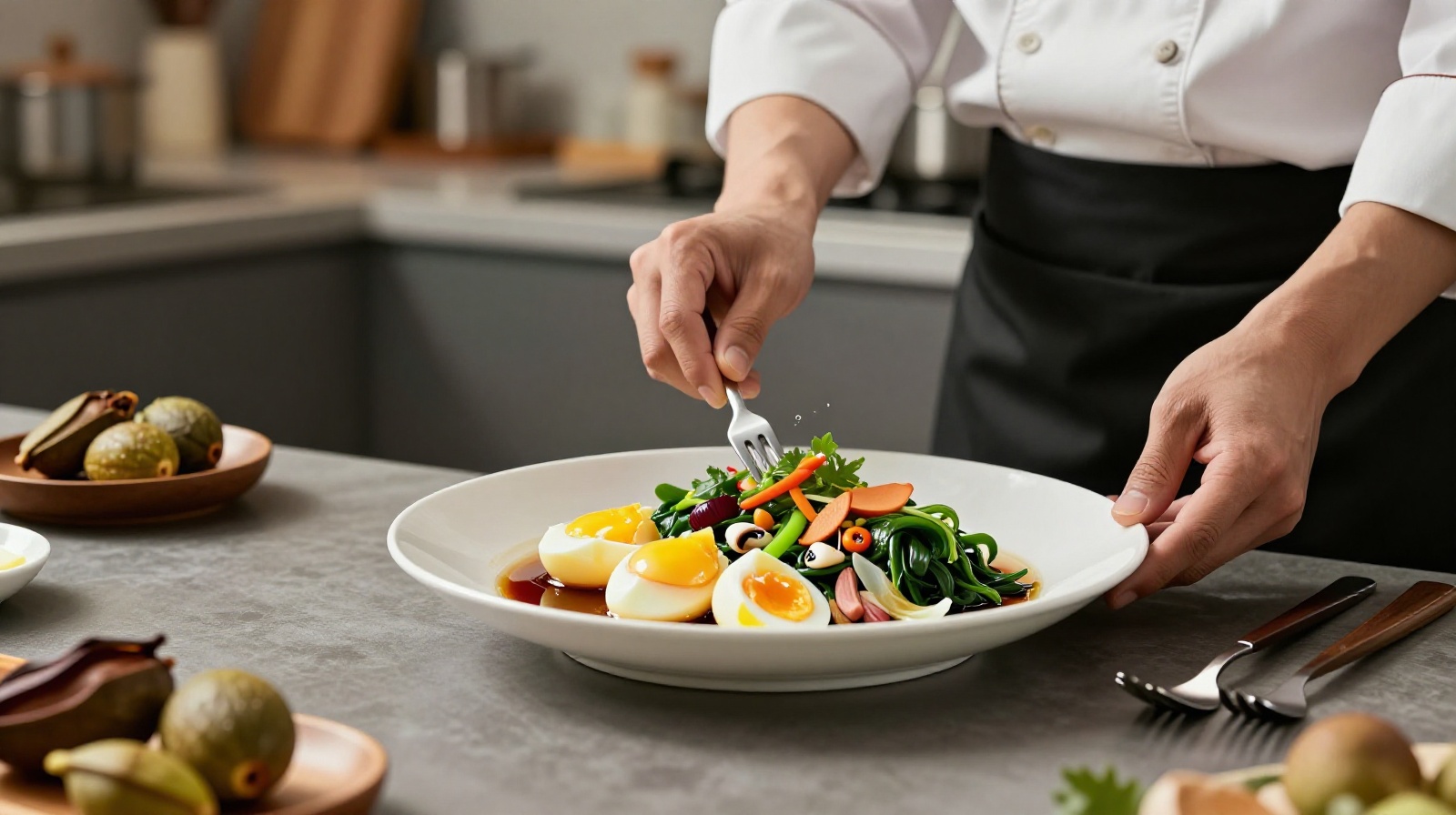
As you taste those spring shoots, remember that they represent a complex network of cold storage, digital tracking, and rural entrepreneurship. It is a tangible example of how modern infrastructure can make ancient rhythms part of daily life, ensuring that even the most fleeting moments of nature are captured and delivered to your table.