

Beyond the ‘Chinese Hamburger’ Label
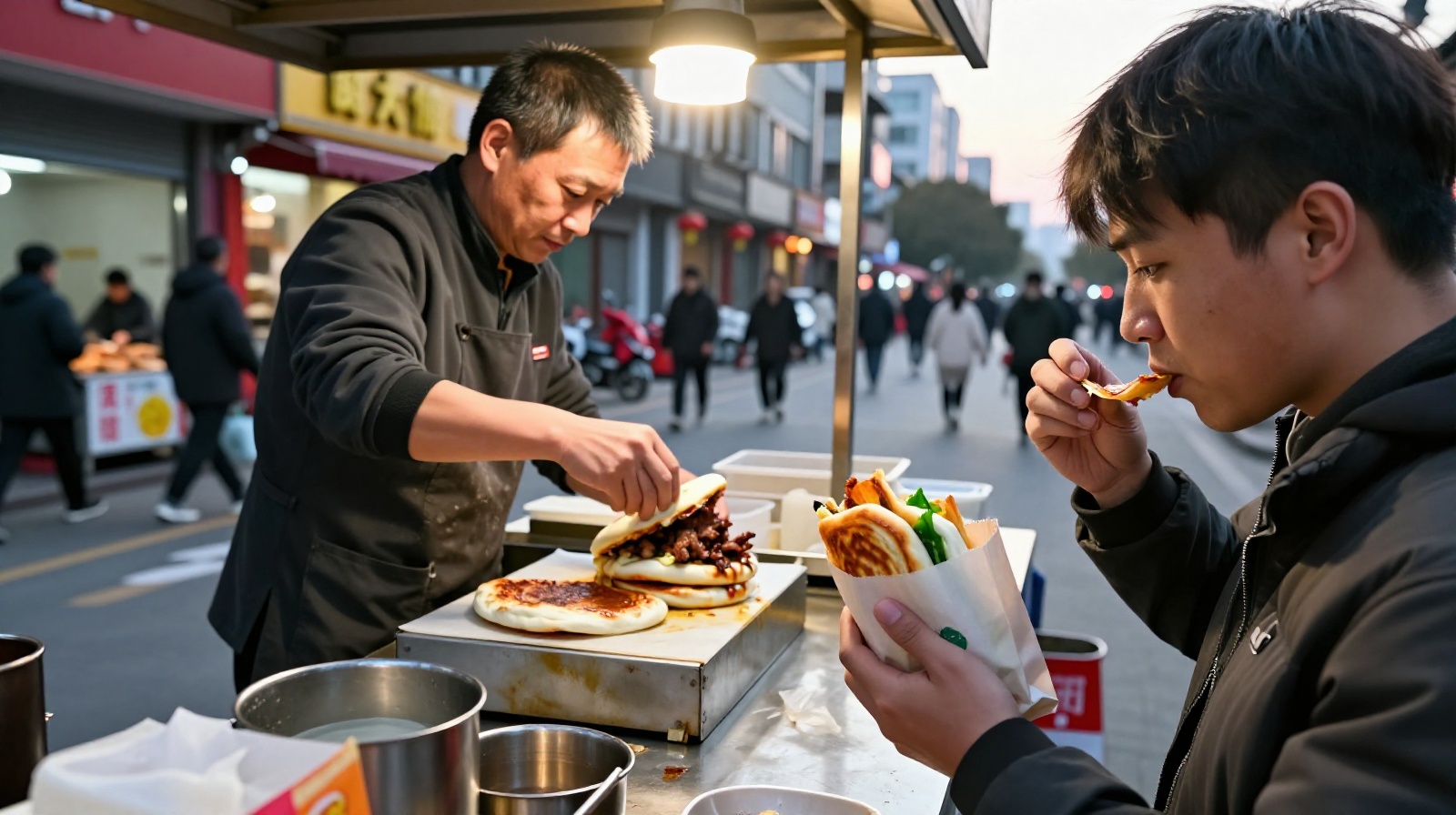
Walk into any busy street in Xi’an or Chengdu, and you will see it: a line of people waiting for a freshly baked bun stuffed with slow-cooked pork. Western media often calls this Roujiamo the “Chinese hamburger.” It’s an easy comparison—bread plus meat. But if you stop there, you miss the point.
This label is like calling sushi a “fish sandwich.” It captures the basic structure but ignores the soul. For ordinary Chinese people, Roujiamo and its popular companion, cold skin noodles (Liangpi), are not novelty snacks for tourists to try once. They are deeply rooted daily staples. They represent a culinary philosophy where simplicity meets precision, and where speed never compromises quality.
The Taste of Daily Life: A Morning Ritual
Imagine it is 7:30 AM in Xi’an. The city is waking up, but the air is already thick with the aroma of cumin and star anise. At a small corner stall, barely wider than two parking spaces, a vendor is working at lightning speed.
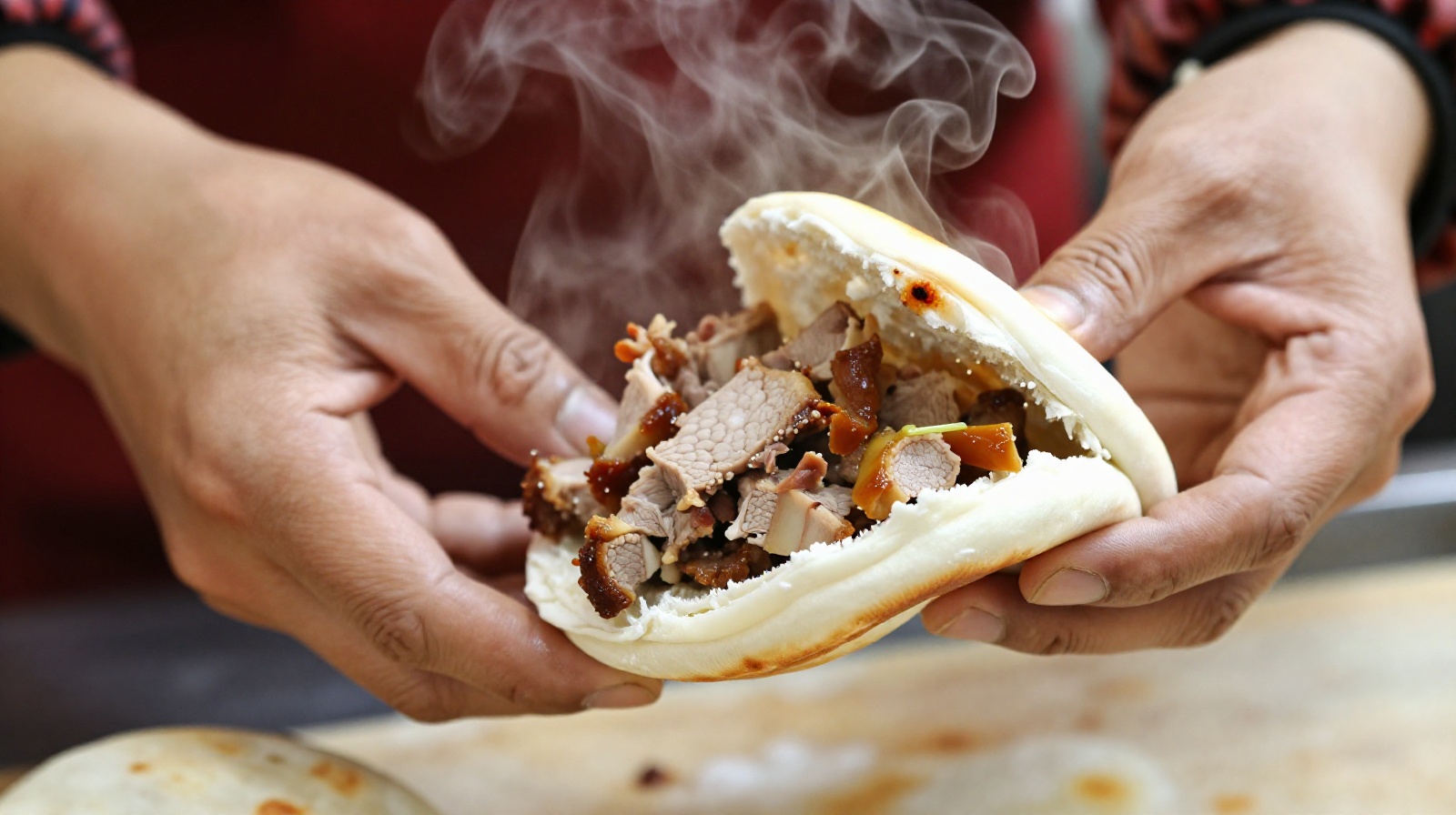
He takes a round, flour-based bun—crisp on the outside, soft inside—and splits it open. Then comes the meat: pork belly stewed for hours in a dark, rich broth until it falls apart. He chops it finely, mixes it with the cooking juices, and stuffs it back into the bun. The result is Roujiamo: hot, juicy, and incredibly savory.
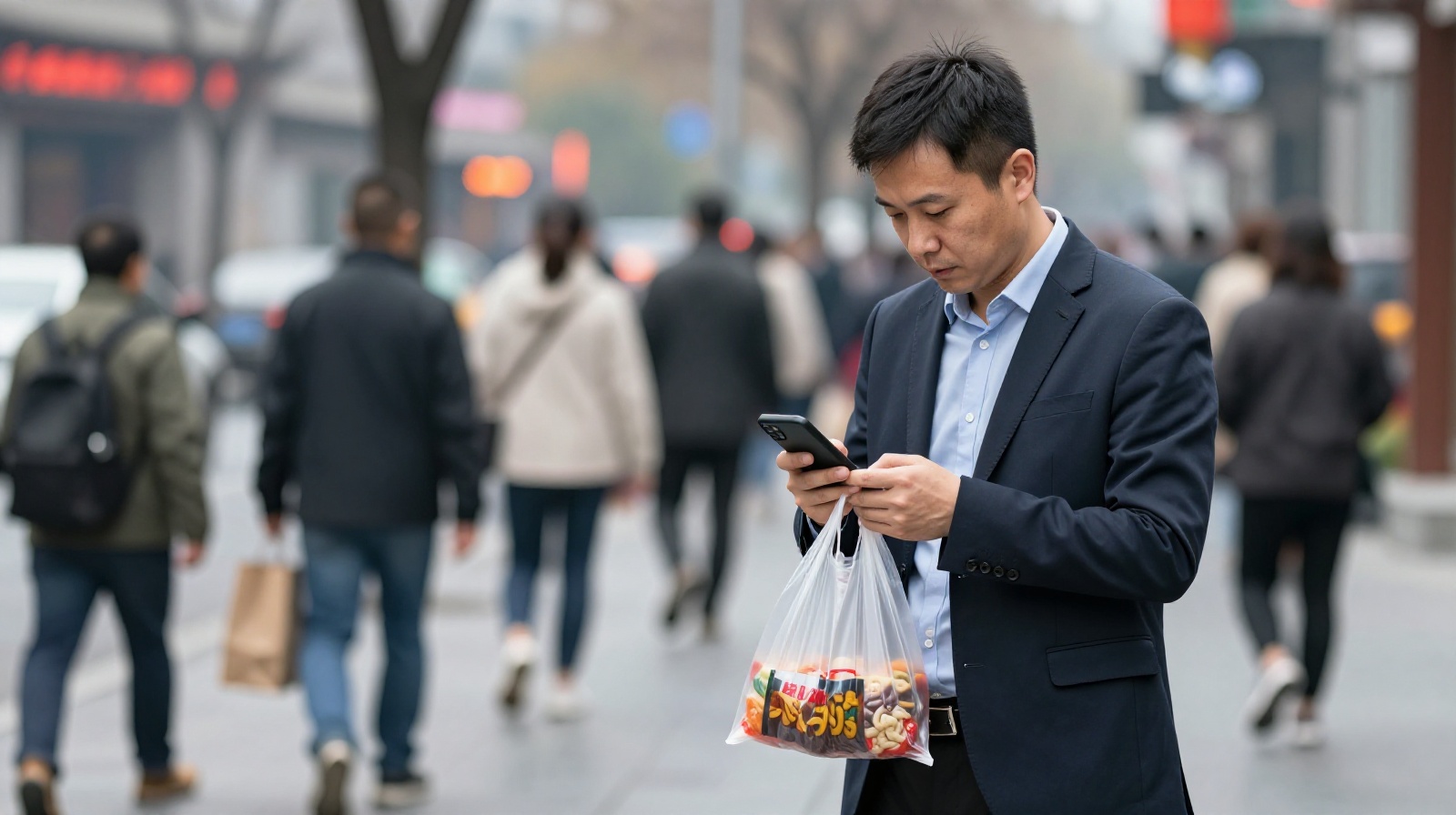
Next to him stands a young office worker, checking his phone while waiting. He doesn’t just buy the burger; he pairs it with Liangpi. These are translucent, hand-cut rice or wheat noodles served cold with chili oil, garlic water, vinegar, and sesame paste. The contrast is deliberate: the hot, heavy meat bun grounds you for the day, while the cool, spicy noodles wake up your senses.
This isn’t a gourmet experience. It’s a functional one. A meal like this costs about 15 to 20 RMB (roughly $2–$3 USD). It is affordable, fast, and satisfying. For millions of students and commuters, it is the fuel that keeps modern China moving.
Craftsmanship in Simplicity
What makes these foods distinct from Western fast food is the visible craft behind them. In many Roujiamo stalls, you can see the entire process.
The bun isn’t mass-produced in a factory. It’s baked live on the wall of an oven, often using a coal-fired or traditional wood-baked method. The vendor slaps the dough onto the hot surface with practiced ease. Meanwhile, the meat is kept warm in large clay pots, simmering since early morning. Every customer gets a piece cut to order.
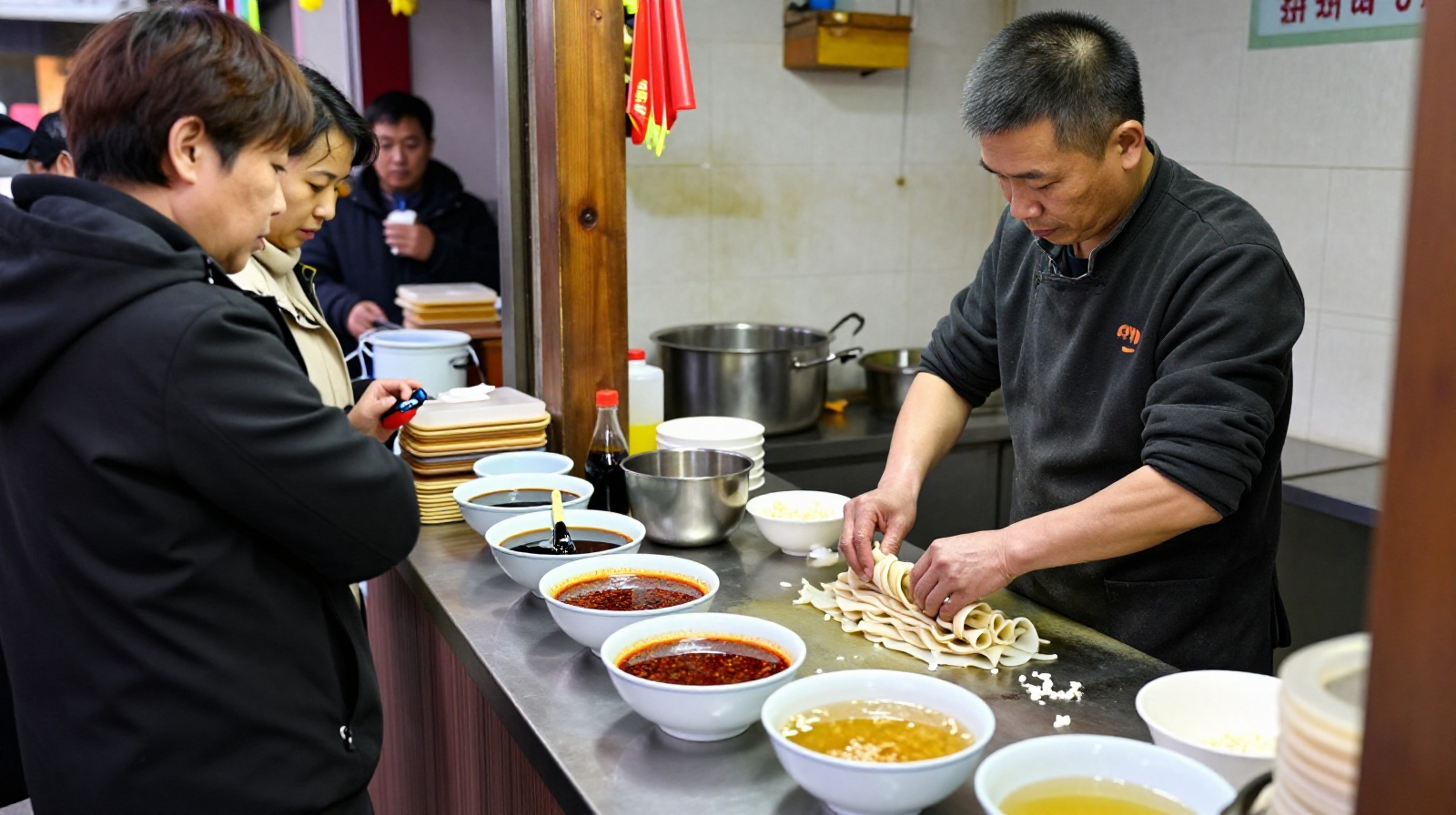
Then there’s Liangpi. Making it requires skill. The dough or rice batter is steamed into sheets, cooled, and then hand-cut into strips. Some vendors use a special knife that makes the noodles wavy, increasing surface area for the sauce to cling to. It’s messy if you’re not careful—chili oil drips easily—but that’s part of the charm.
This “live-fire” cooking creates a connection between the maker and the eater. You watch your food being made. You smell the spices before you taste them. In an era of sealed packaging and industrial supply chains, this transparency feels rare and comforting.
More Than Just Calories
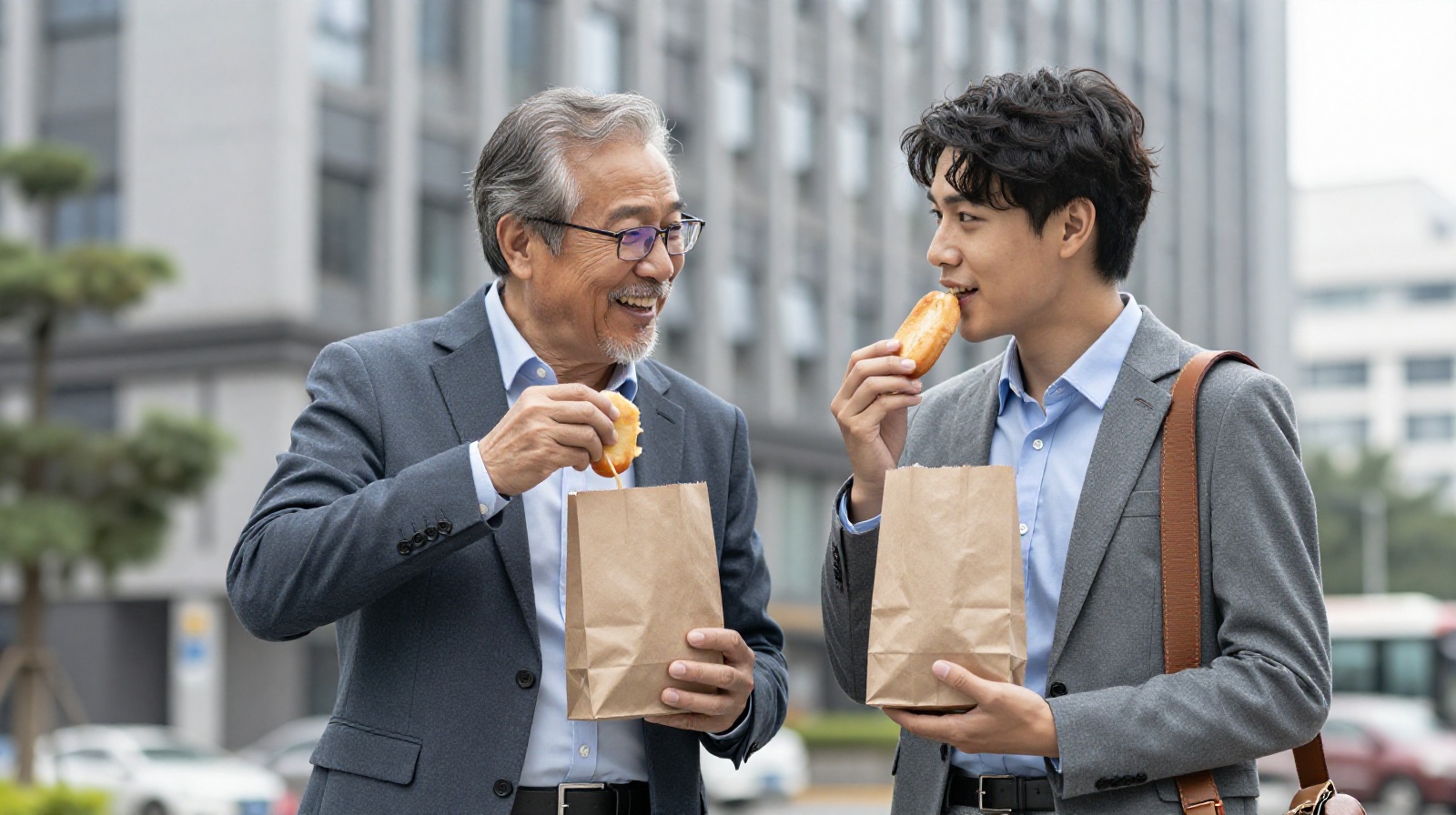
In China, street food is a social equalizer. You might see a CEO eating Roujiamo on the steps of his office building right next to a construction worker taking a break from a nearby site. Everyone holds their paper bag the same way: with one hand supporting the bottom and the other pulling off bites.
Roujiamo is iconic to Shaanxi culture, representing the hearty, straightforward nature of northern Chinese cuisine. Liangpi, however, varies by region. In Xi’an, it’s made from wheat or rice flour and served cold. In Chengdu, a similar dish called Mianjin might include more peanuts and different spices.
This regional pride is important. It shows that Chinese food culture isn’t monolithic. Even within these “simple” staples, there are subtle differences that locals fiercely defend. Asking whether someone prefers wheat or rice noodles for their Liangpi can spark a lively debate among friends.
An Invitation to Taste Reality
If you visit China, don’t just look for the “Chinese hamburger” on your map. Look for the small stalls with long lines. Watch how fast the vendors move. Listen to the sizzle of the meat and the crunch of the bun.
Understanding these foods offers a window into modern Chinese life. It’s a society that moves quickly, values efficiency, but still holds onto traditional methods because they work. The taste is familiar yet distinct—savory, spicy, comforting, and real.
So, next time you see someone eating Roujiamo on the street, don’t just think “burger.” Think of it as a daily ritual, a piece of history, and an invitation to join in the rhythm of life in China.