

Beyond the Baijiu Stereotype
If you ask most Westerners what Chinese alcohol looks like, they will almost certainly picture a small glass of cloudy yellow spirit—Baijiu. It’s strong, polarizing, and deeply rooted in local culture, but it doesn’t always travel well. However, if you drive west from Beijing for just over four hours, past the dusty plains of Inner Mongolia, you arrive at a place that feels nothing like the Baijiu country: Helan Mountain East Foothills in Ningxia.
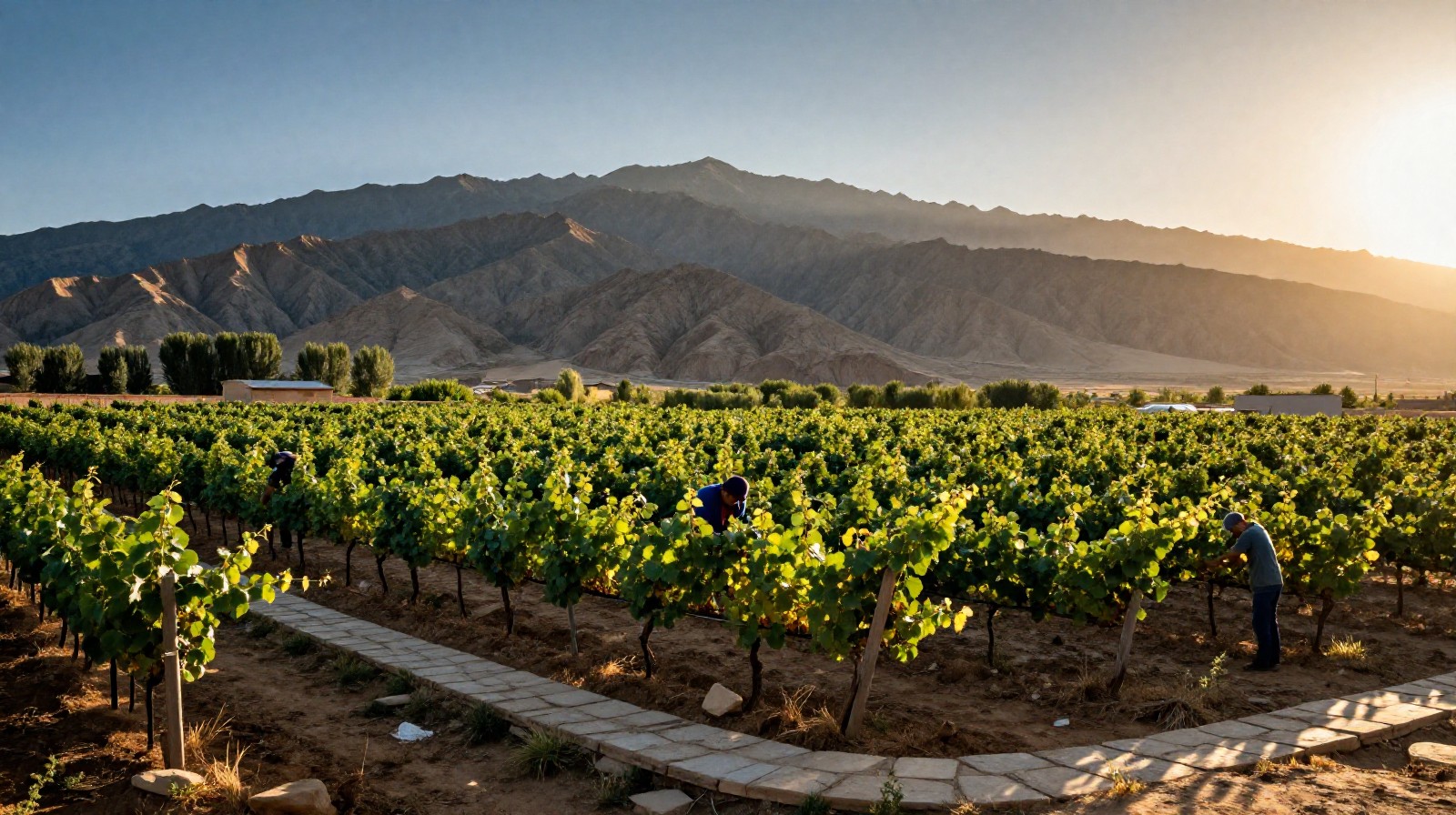
Here, the landscape is stark and beautiful—dry soil, rugged mountains, and vast vineyards stretching toward the horizon. This is where I first tasted “Chinese wine” not as an exotic novelty, but as a serious contender in the global wine world.
Why Ningxia? Nature’s Perfect Laboratory
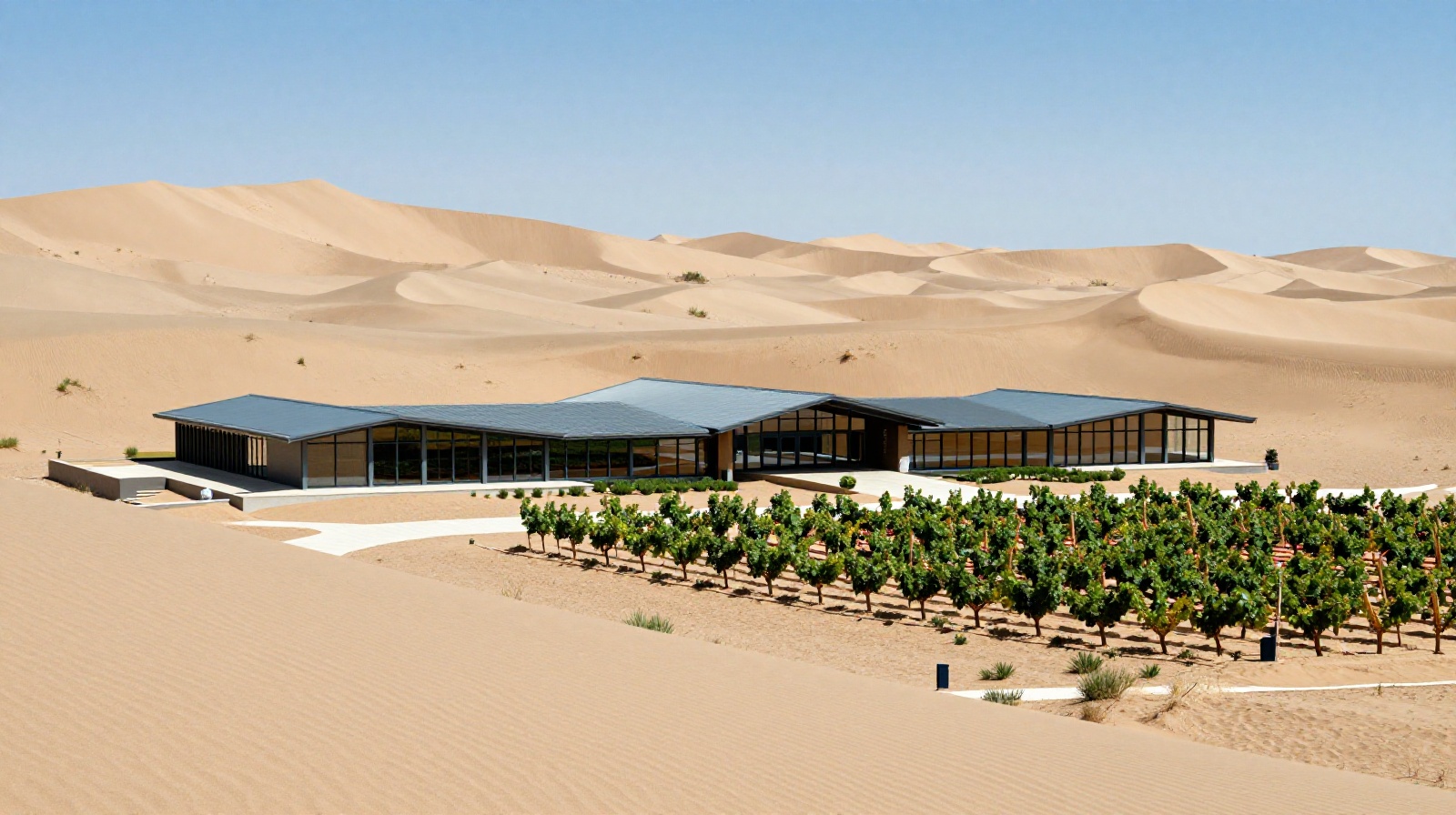
The question on everyone’s mind: How does a region with such a harsh, desert-like climate produce wine that tastes like it came from France?
The answer lies in the unique microclimate. Just like Bordeaux, Ningxia has a significant temperature difference between day and night. During the scorching summer days, the sun is intense, ripening the grapes fully. But as soon as the sun sets, the dry air cools rapidly, preserving the grapes’ natural acidity and fresh fruit flavors.
Furthermore, the soil here is sandy and gravelly, poor in nutrients but perfect for vines. The vines have to dig deep roots to find water, which concentrates the flavors in the fruit. Add in 3,000 hours of annual sunshine and a lack of humidity that prevents fungal diseases, and you get grapes with intense color and bold structure.
Inside the Cellar: Craftsmanship Meets Tradition
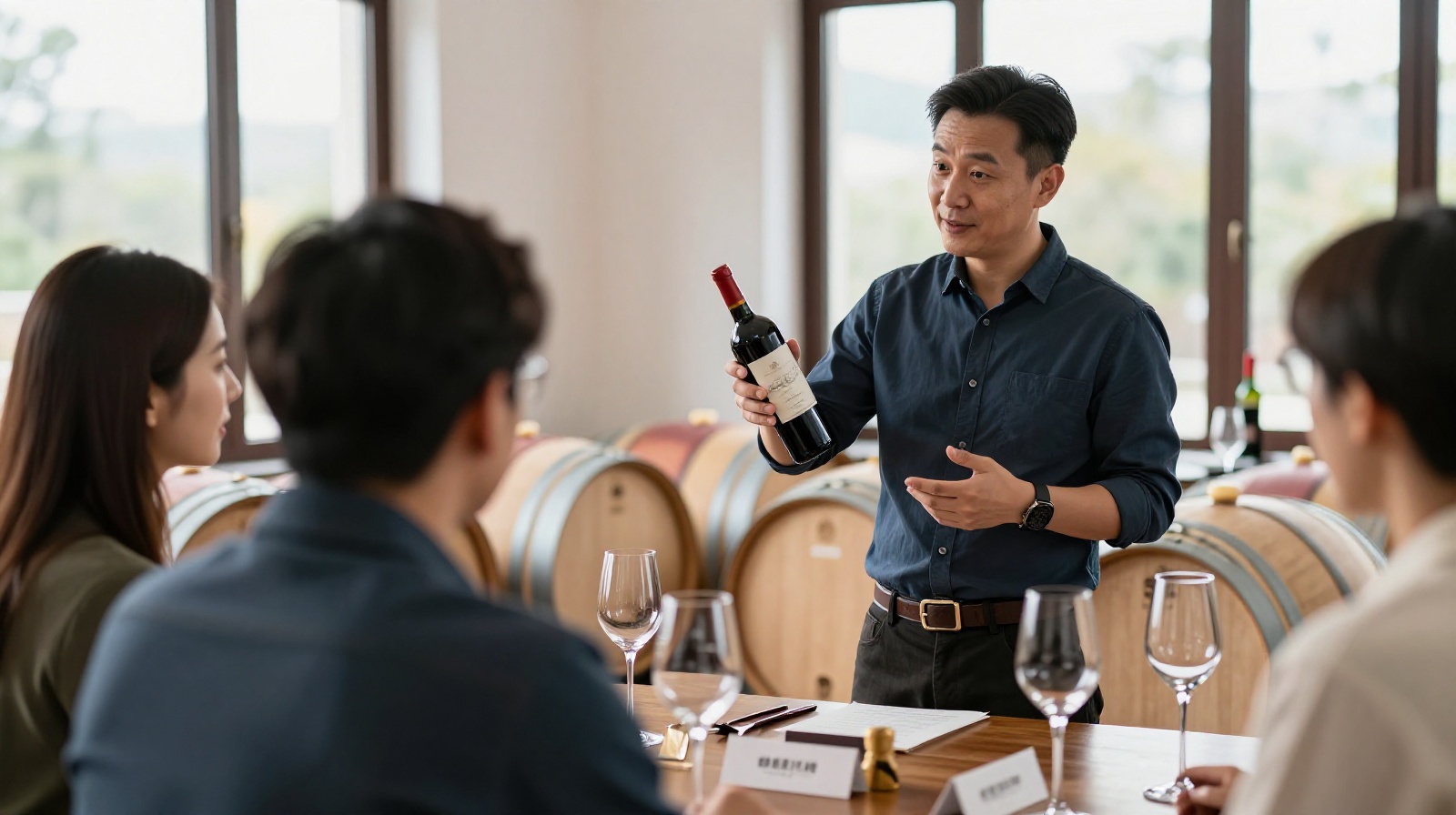
We visited a family-owned winery where the head winemaker showed us rows of Cabernet Sauvignon vines. Unlike the industrial giants, many of these estates are smaller, run by passionate individuals who treat wine as an art form.
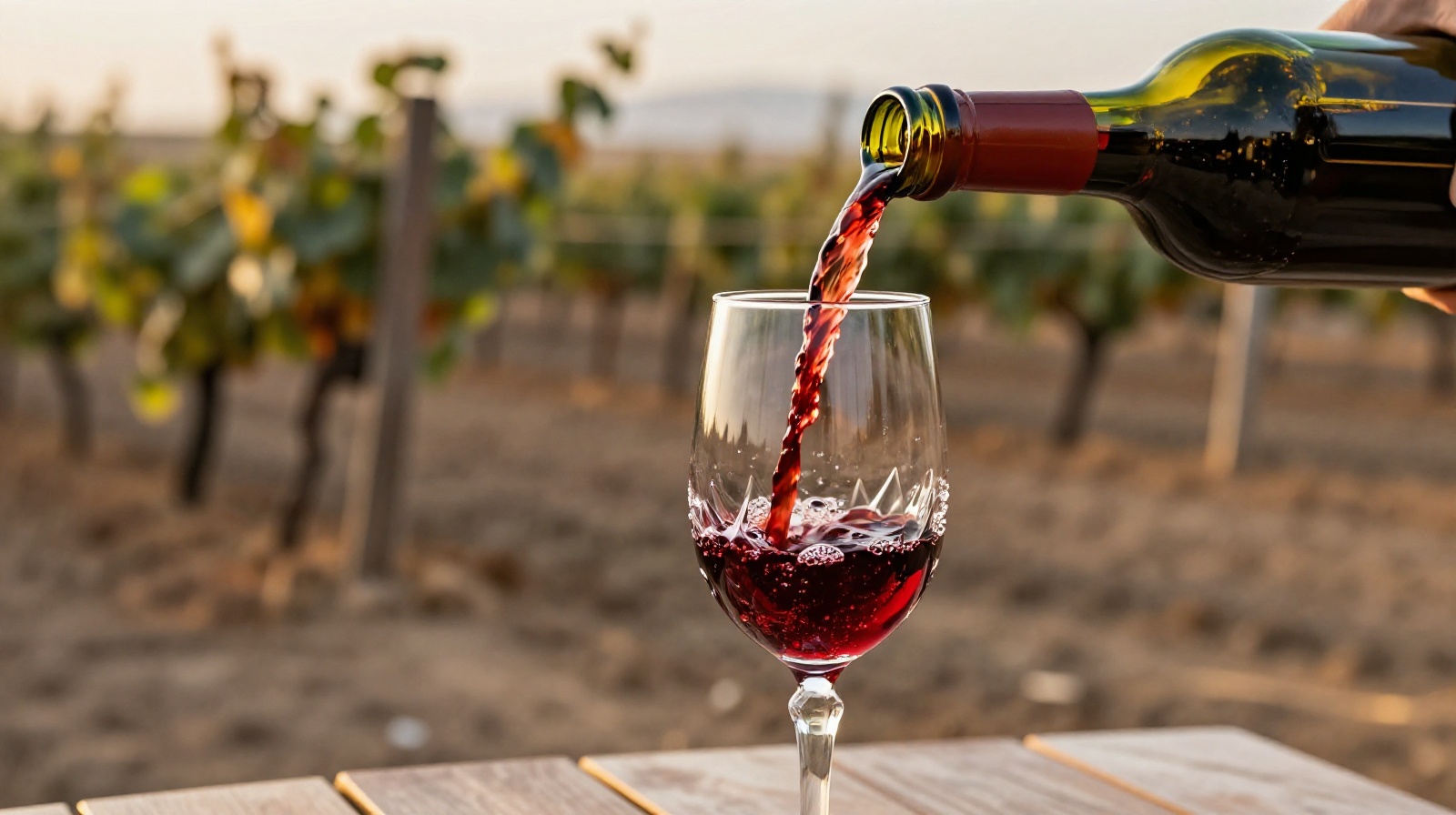
The process is surprisingly traditional yet precise. Grapes are hand-picked at night to keep them cool. They undergo a slow fermentation in stainless steel tanks for some whites and oak barrels for reds. The result? A Merlot that is smooth with notes of dark cherry and plum, or a dry Riesling that tastes like green apple and mineral.
“We don’t try to copy France,” one winemaker told me over lunch at the estate. “We want to express what this land gives us. The dusty wind from the desert adds a unique minerality you can’t find anywhere else.”
A Rising Star on the Global Stage
Is it really good? Yes, and the proof is in the medals. In recent years, wines from Ningxia have started winning major international competitions, including the Decanter World Wine Awards and the International Wine Challenge.
The Chinese market itself is changing. Young professionals in Shanghai or Beijing are increasingly choosing local Cabernet Sauvignon for dinner parties instead of importing French bottles. It’s a shift driven by quality, but also by national pride and curiosity.
However, the story isn’t perfect. The region still faces challenges like water scarcity and the need to build a stronger global brand identity. But what started as a niche experiment is now a mature industry with real potential to change how the world perceives Chinese agriculture and culture.