

The Shift from Performance to Personal Space
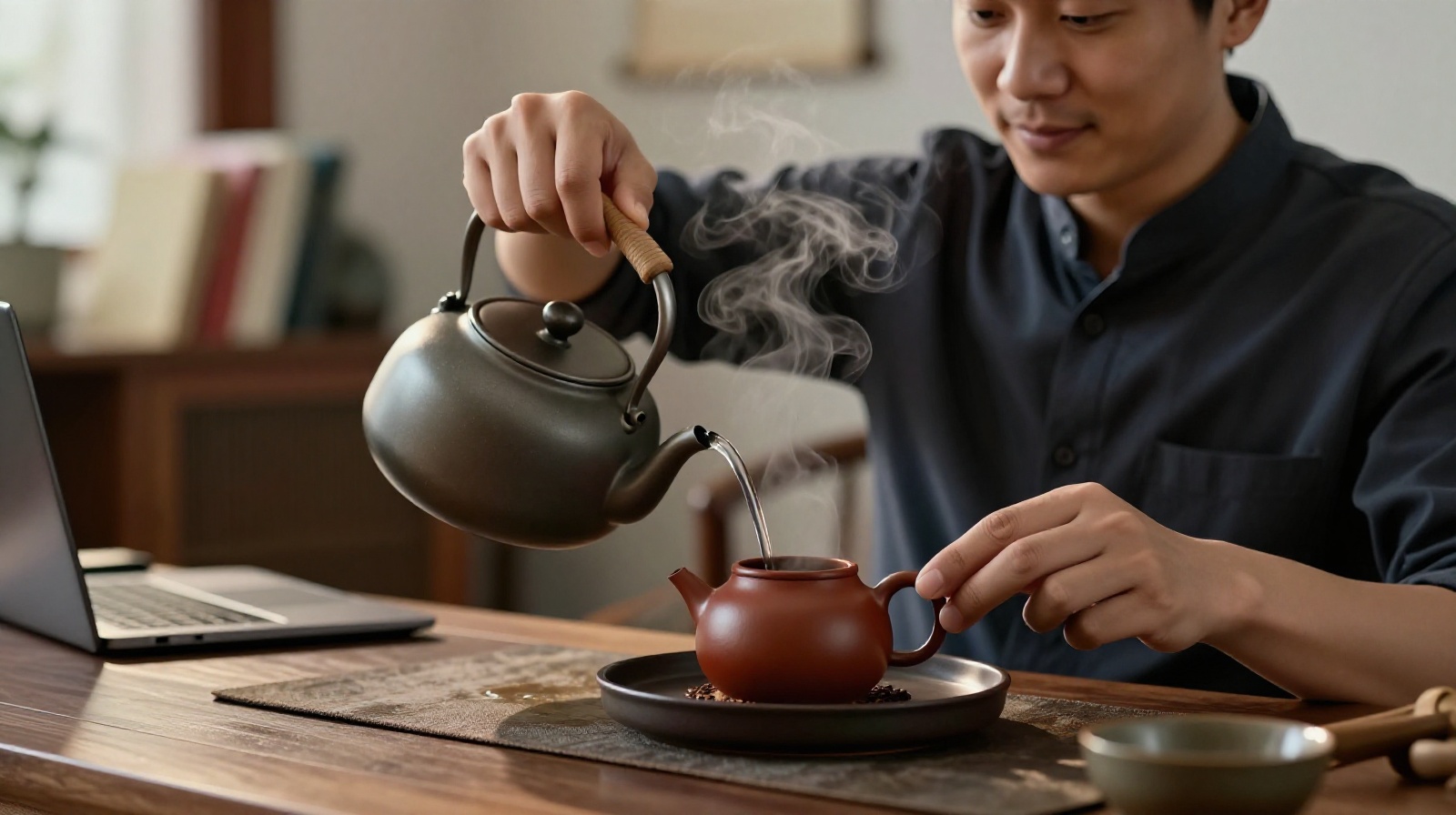
At 7:30 PM on a Friday, the lighting in Li Wei’s apartment in Chaoyang District changes. The harsh overhead lights go off, replaced by the warm glow of a single table lamp. On the low wooden coffee table sits a clay teapot, small cups, and an electric kettle that hums quietly. For the next forty-five minutes, Li does not check his WeChat work group. He does not scroll through news feeds. He is performing one of the most ancient rituals in China: brewing Gongfu tea.
Traditionally, Chinese tea culture was often associated with grand gestures—business negotiations in high-end clubs or formal displays of status among elders. But a quiet shift is happening in Beijing’s urban centers. For the city’s young professionals, making Gongfu tea at home is no longer about impressing guests or adhering to rigid social etiquette. It is an act of reclaiming personal space.
“In the office, I am a project manager,” Li says, watching the water pour over the tight leaves of Oolong tea. “At home, I just want to be still.” This distinction marks a broader change in Chinese consumer behavior: moving from public performance to private comfort.
A Micro-Ritual in a Fast-Paced City
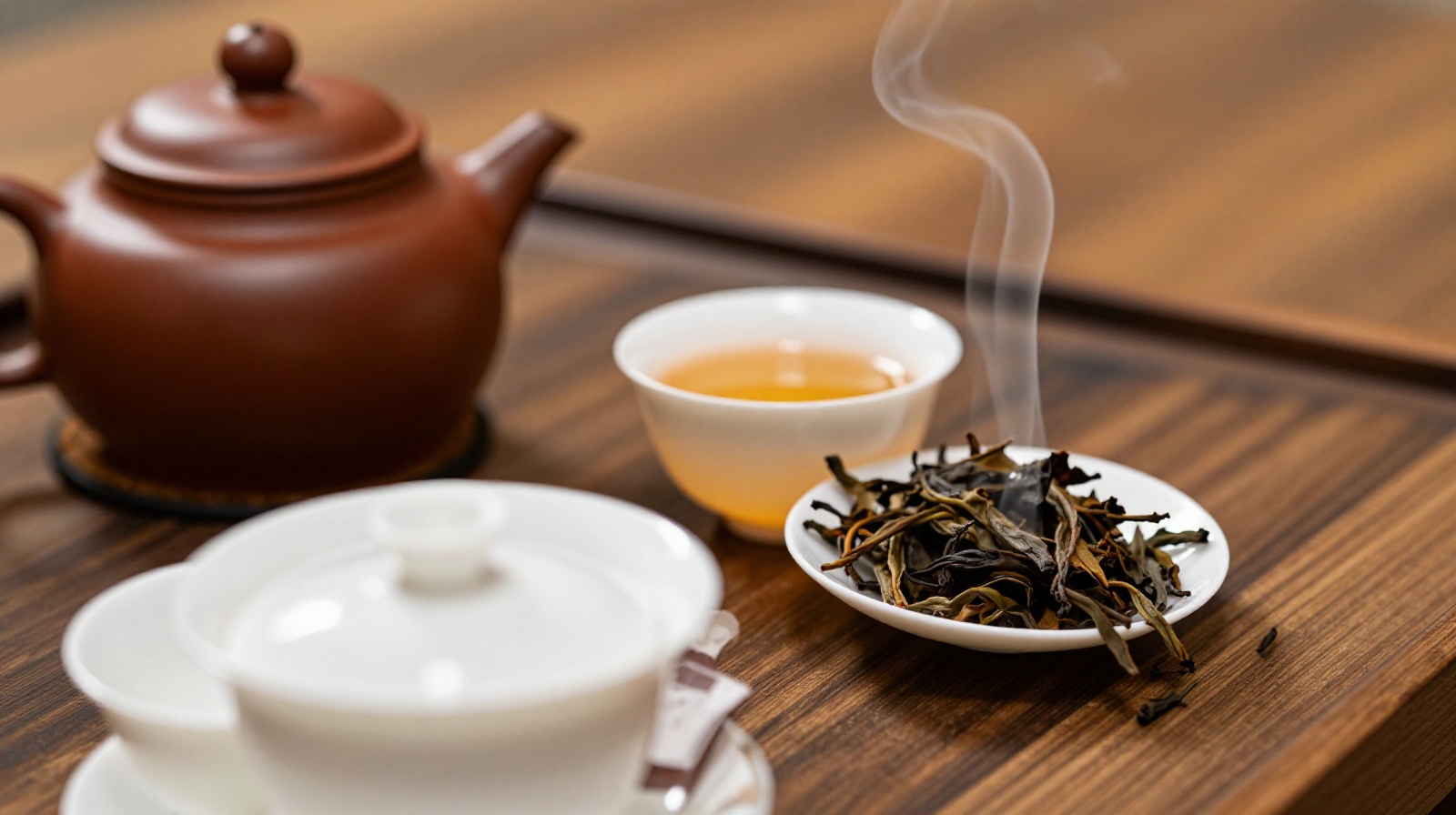
The process is deliberate. First, the teapot and cups are rinsed with boiling water to warm them up. Then, dry leaves—often aged Pu’er or high-mountain Tieguanyin—are added. The first steep is discarded as a wash, releasing the initial aroma. Subsequent steeps last only seconds, requiring precision.
This slowness is the point. In a city where delivery apps can bring dinner in thirty minutes and subway rides are measured in split seconds, this ritual offers a structured pause. It functions almost like a digital detox. The sensory details ground Li in the present moment: the sound of boiling water, the earthy scent of the tea leaves expanding, and the warmth of the ceramic cup in his hands.
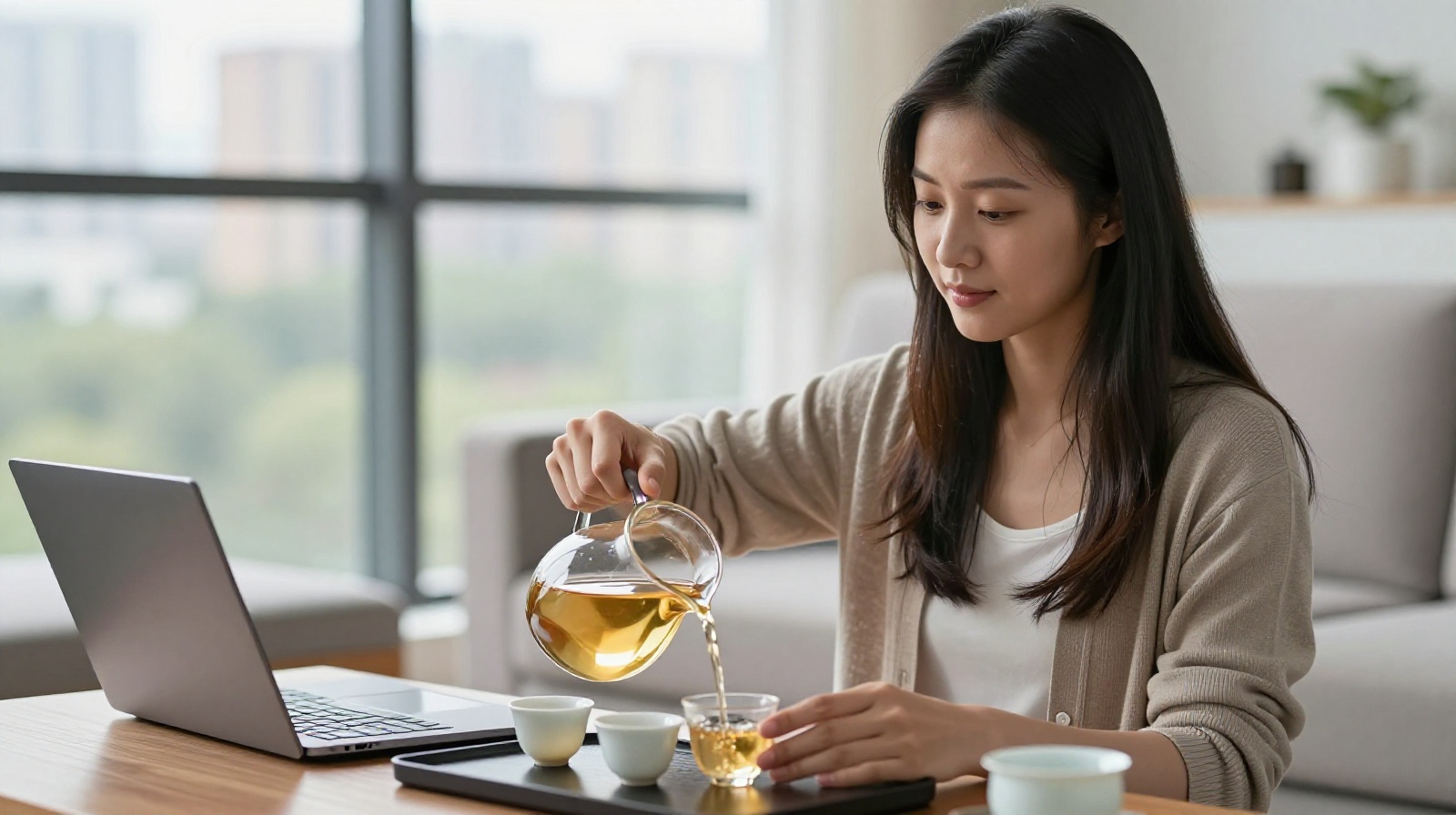
“It forces me to slow down,” says Chen Jie, a tech entrepreneur who has set up a dedicated tea corner in her living room. “When I am pouring the water, I cannot think about code or investors. I can only think about the temperature and the timing.”
The Economics of Home Brewing
This shift is also economic. While Western-style coffee shops remain popular for socializing, there is a growing preference for high-quality loose-leaf tea at home. The cost per cup of premium Chinese tea often rivals or undercuts that of a specialty latte, but the experience lasts longer and offers more depth.
Online platforms have democratized access to this culture. Apps like Xiaohongshu (Little Red Book) are filled with tutorials on how to choose teaware, identify leaf quality, and master pouring techniques. Young consumers no longer need a wealthy uncle to teach them; they learn from peers online.
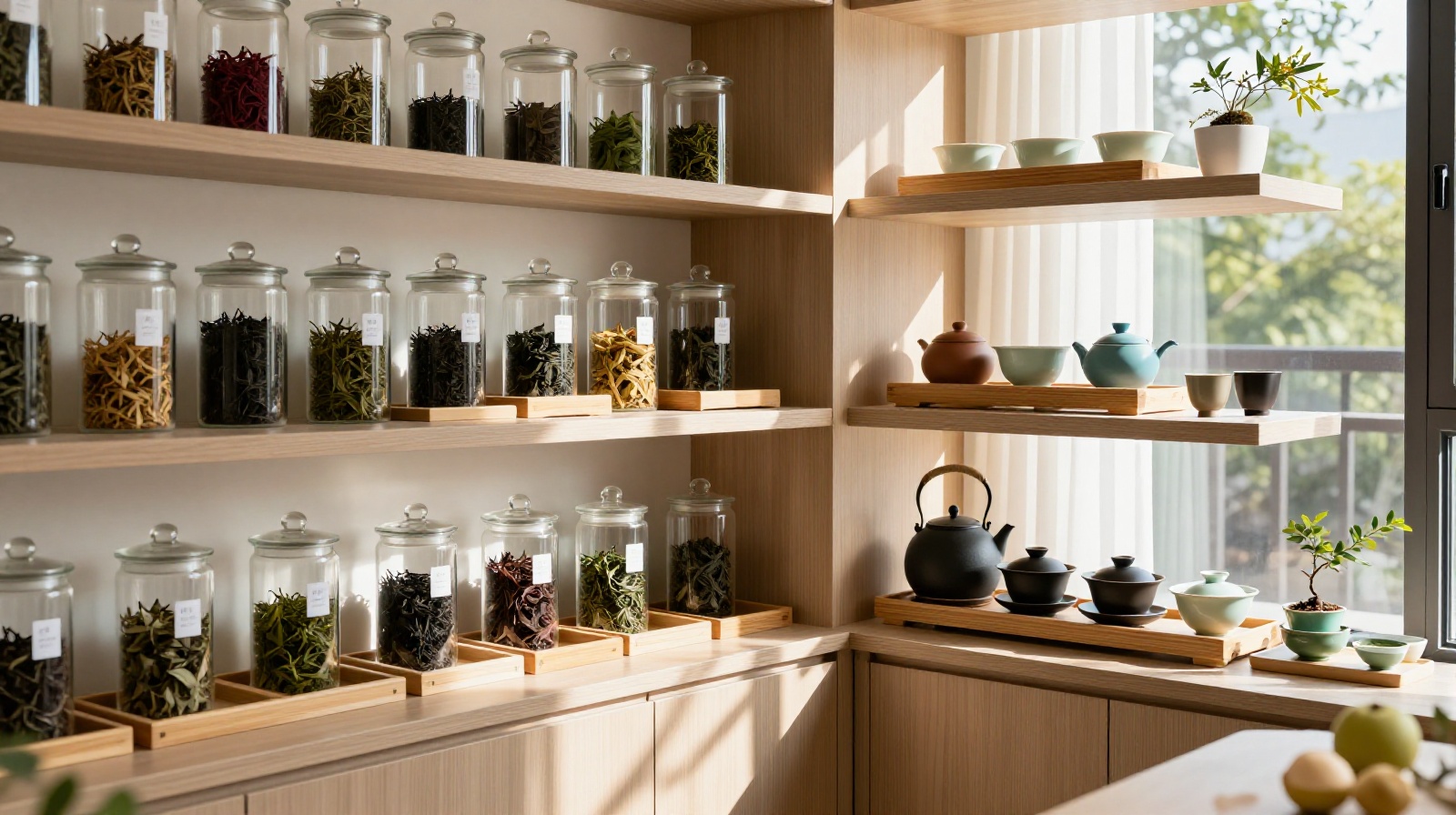
This has created a vibrant market for artisanal tools. Small-batch clay pots from Yixing, glass pitchers, and bamboo tea trays are selling well in Beijing’s independent design stores. The consumer is not just buying tea; they are curating a lifestyle that values craftsmanship over mass production.
Connecting with Heritage, Not Just Tradition
For many Chinese millennials and Gen Z, this trend is less about nostalgia and more about practical mindfulness. They are not trying to recreate the tea ceremonies of the Ming Dynasty perfectly. Instead, they are adapting ancient practices to fit modern mental health needs.
Their approach is flexible. A Gongfu set might sit next to a MacBook. The music playing in the background might be lo-fi hip-hop rather than traditional guqin music. This pragmatism makes the culture accessible and sustainable for busy urbanites who have little time for rigid dogma but plenty of need for mental reset.
“It is not about being traditional,” Li explains, filling his cup with amber liquid. “It is about being present. The tea is just the vehicle.”
The Quiet Revolution of Domestic Life
The rise of home brewing in Beijing reflects a larger transformation in Chinese urban values. As economic growth stabilizes, there is less emphasis on conspicuous consumption and more focus on internal well-being. Health-conscious choices are replacing alcohol-heavy social gatherings.
This quiet revolution is happening in millions of apartments across the country. It signals a desire for authenticity and control over one’s own time. In a world of constant connectivity, the ability to sit alone with a cup of tea has become a luxury—and a necessity.