
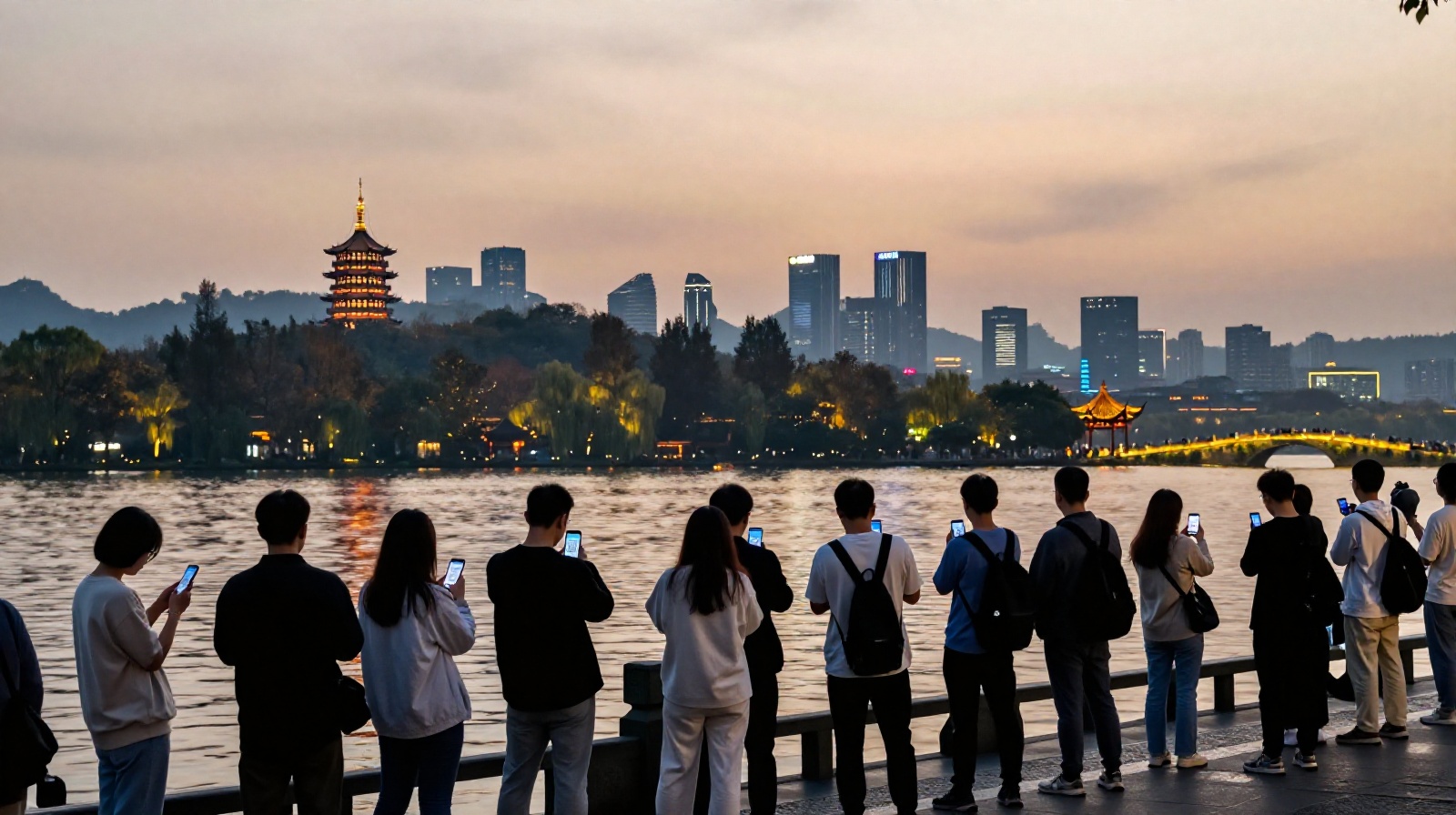

Beyond the Postcard: Stepping into a City that Defies Stereotypes
The first thing you notice in Hangzhou isn’t just the willow trees draped over West Lake, or the mist rising off the tea terraces of Longjing. It’s the silence of cash. Or rather, the absence of pockets jingling with coins.
I arrived on a Tuesday morning, expecting the chaotic energy often associated with mega-cities in my mind. Instead, I found a city that felt both incredibly fast and strangely calm. Hangzhou is not just a tourist destination; it is the headquarters of Alibaba, the birthplace of China’s digital economy, and a place where the line between physical reality and digital infrastructure has blurred almost completely.
For a Westerner accustomed to swiping plastic cards or carrying wallets full of bills, the transition was immediate. Within twenty-four hours, I realized that trying to buy a bottle of water from a vending machine with cash was like trying to enter a room through a wall—it just wasn’t there anymore.
The Cashless Reality: How WeChat Pay and Alipay Reshape Daily Life
Day one was a lesson in vulnerability. I stood at a small noodle stall near my apartment, holding out a crisp 100-yuan note. The vendor, a woman with calloused hands but a smartphone held with expert precision, shook her head politely.
“Scan here,” she said, pointing to a laminated QR code taped to the counter. It was Alipay.
In Hangzhou, cash is not banned, but it is functionally extinct for daily transactions. Even elderly street vendors selling silk scarves or fresh lotus roots use mobile payments. The technology relies on two apps: WeChat Pay and Alipay. For foreigners, setting this up requires a Chinese bank card or linking an international credit card, a process that has become smoother but still feels like jumping through hoops.
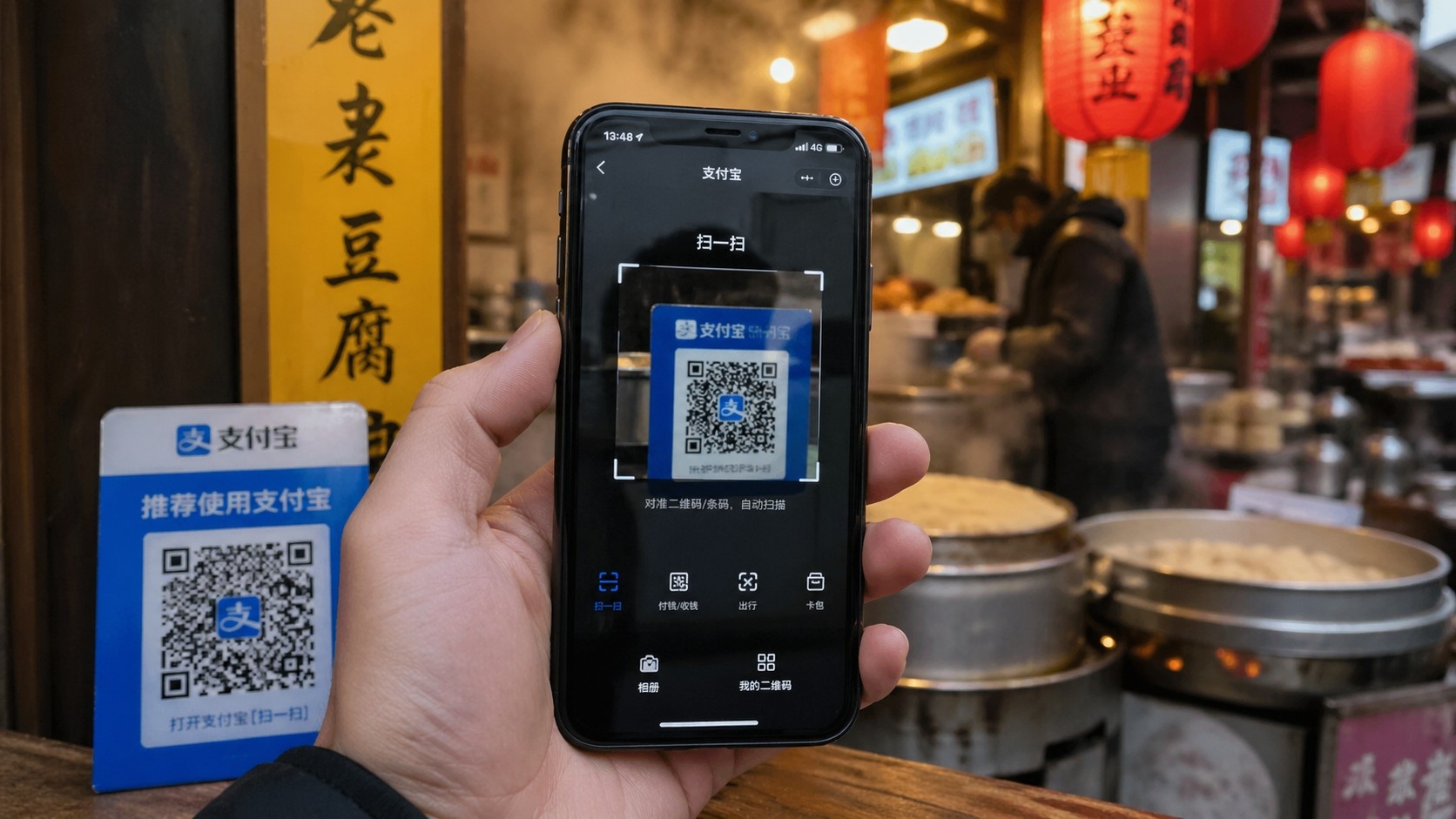
The implication is profound. Every transaction—from a 3-yuan bus ride to a 200-yuan dinner—is digitally recorded. There are no lost receipts, no change to count, and no risk of counterfeit money. But it also means that your entire consumption history is visible in the cloud. Privacy enthusiasts might shudder at this level of transparency, yet for most locals, the convenience outweighs the concern.
By day two, I had abandoned my wallet. I walked into a bakery, pointed at a croissant, and watched the barista nod as my phone buzzed with a payment confirmation. It was seamless. It was efficient. And it was utterly foreign to my muscle memory.
Navigating the Smart Grid: Subways, E-Bikes, and AI-Driven Traffic
Day three took me out of my comfort zone and into the city’s veins. Hangzhou’s public transport system is a marvel of coordination. The subway is clean, air-conditioned, and requires no physical ticket; you just scan your QR code at the gate.
But the real magic happens on the streets. I rented an e-bike through an app, a common sight in Chinese cities. Unlike the clunky bicycles in Europe, these are sleek, electric-powered machines parked in designated zones. When I tried to leave mine outside the zone, my phone chirped immediately: “Please park in a designated area.”
This is where Hangzhou’s reputation as a “Smart City” becomes tangible. The city runs on an operating system called City Brain, developed by Alibaba. It uses AI to manage traffic lights in real-time. During rush hour, sensors adjust signal timing to reduce congestion by up to 15 percent.
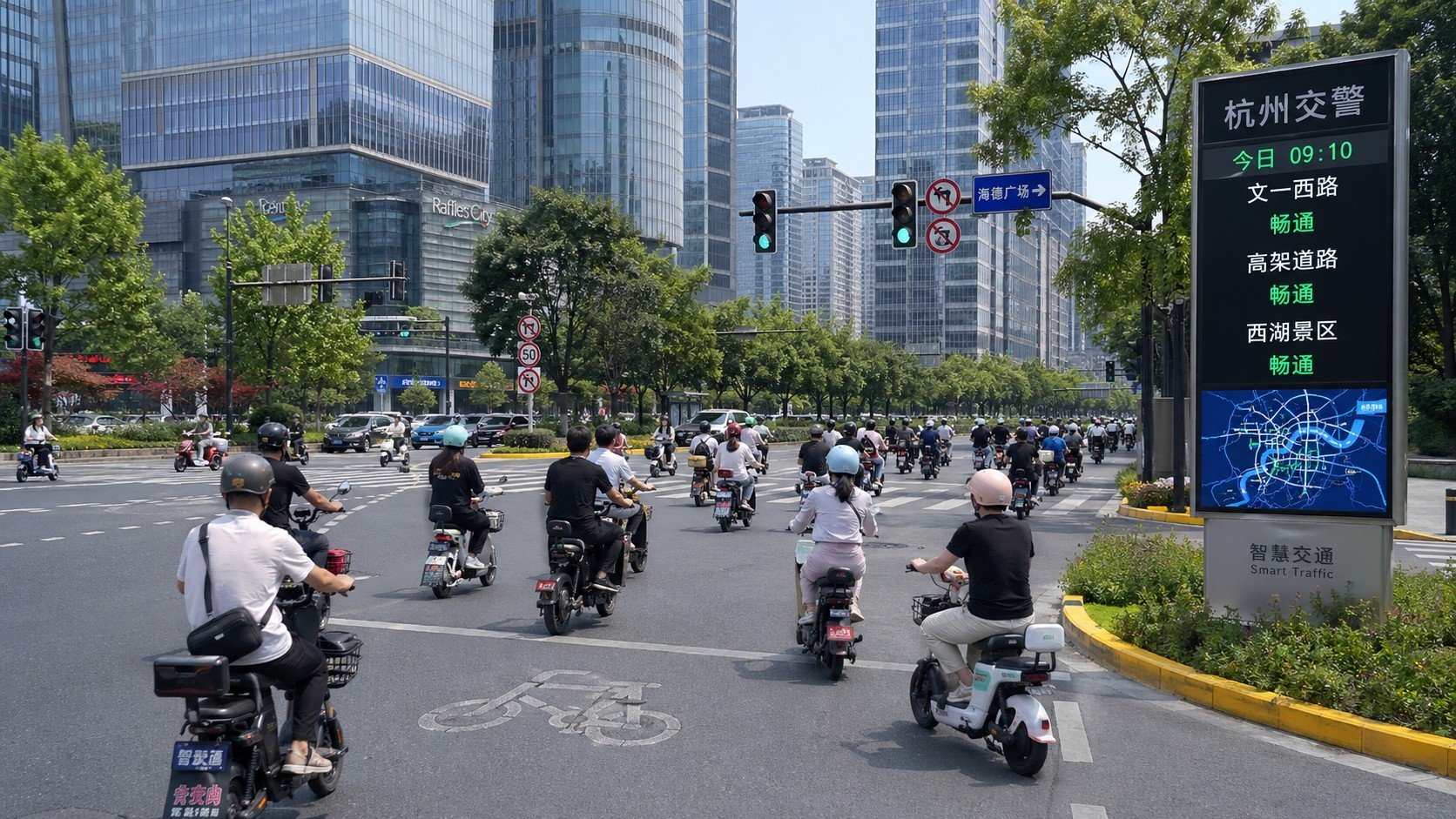
I watched from a bridge as thousands of e-bikes flowed like water around obstacles, guided not just by rules but by an underlying digital logic that prioritizes flow over rigid lanes. It wasn’t chaos; it was organized fluidity. For a Westerner used to strict lane discipline and stop-and-go traffic jams, this felt like stepping into the future.
The Human Touch in Tech: From Street Vendors to Co-working Spaces
Day four and five were about finding the human pulse beneath the digital surface. It’s easy to assume that a cashless, AI-driven city is cold or impersonal. In Hangzhou, it is not.
I visited the Xixi Wetlands on day four. The experience was high-tech but deeply natural. Drones monitored water quality, and apps guided tourists along hidden paths to avoid overcrowding. Yet, the air smelled of damp earth and blooming reeds, not ozone and servers.
On day five, I explored a co-working space in the Binjiang district, where many tech startups reside. The atmosphere was intense but collaborative. Young programmers, some no older than twenty-two, worked side-by-side with veterans who had built companies ten years ago. They ate together in communal kitchens, ordering lunch via apps just like everyone else.
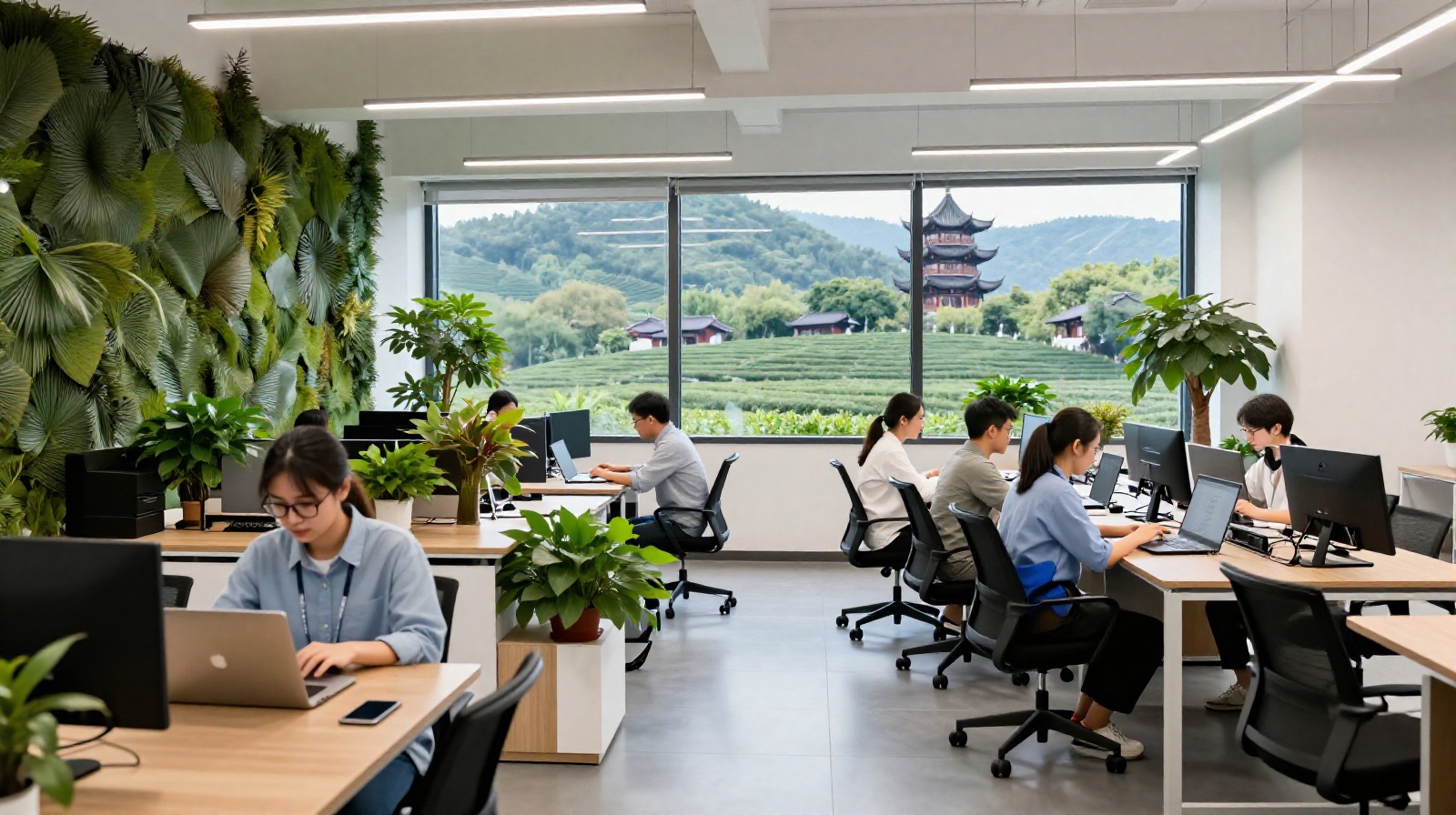
The contrast between the old and new is striking here. Just blocks away from these glass towers lie centuries-old tea houses where men in linen shirts play Chinese chess (Xiangqi) over steaming pots of Longjing tea. There is no friction between these worlds; they coexist. The tech workers might wear smartwatches, but they still respect the traditional rhythms of life.
Public Space & Social Order: Safety, Cleanliness, and Community Dynamics
Day six focused on the streets themselves. Hangzhou is remarkably clean. Littering is rare, not just because of fines, but because social norms have shifted. Public restrooms are spotless and often free to use, accessible via app unlock.
Safety is another factor that stands out. Walking alone at night in any part of the city feels safe. Streetlights are bright, often equipped with cameras that feed into the City Brain system. For a Westerner who might hesitate before walking home after dark in some major global cities, this level of security is disarming.
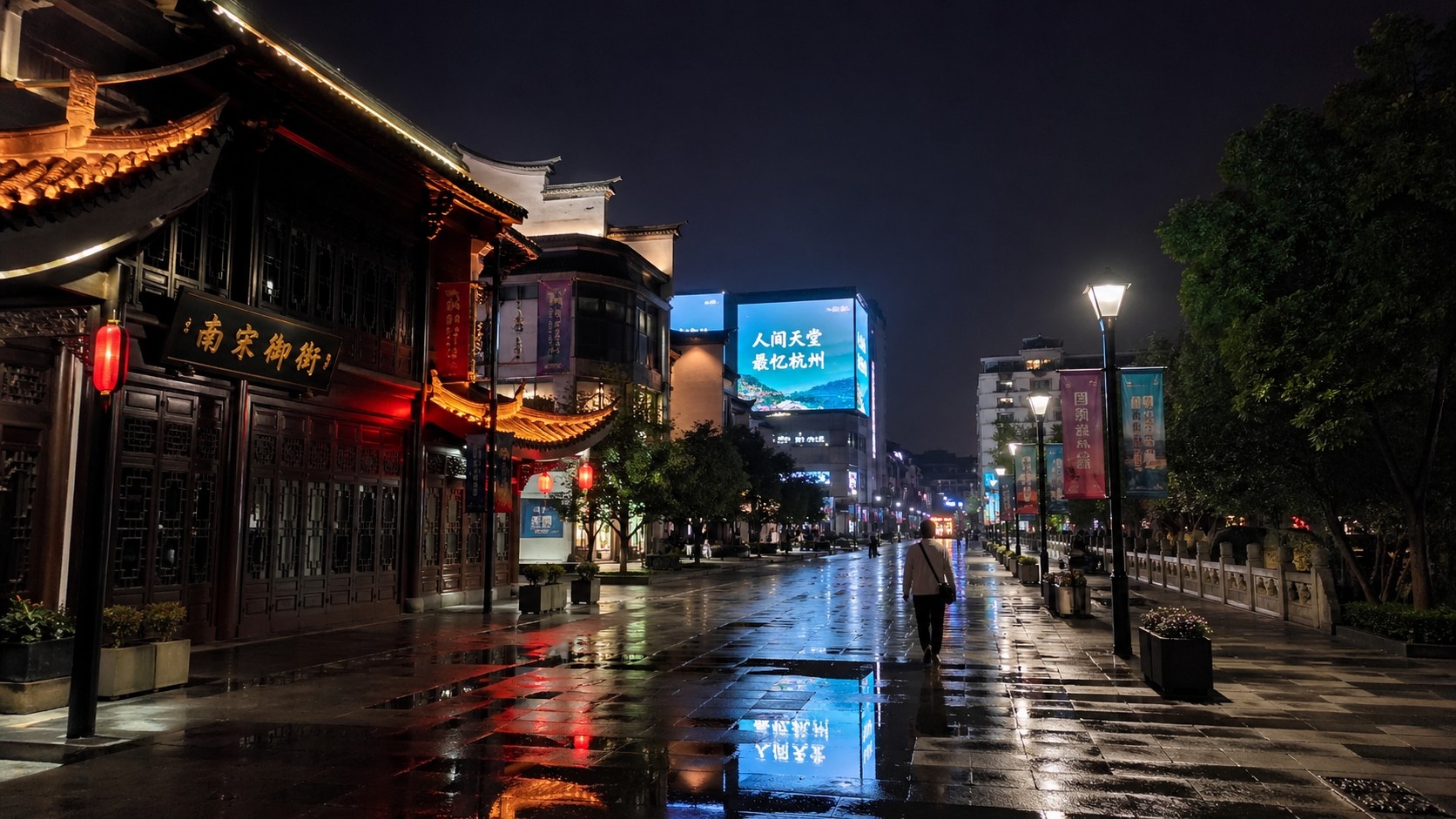
However, it’s not utopia. The pace is relentless. The “996” work culture (9 am to 9 pm, 6 days a week) still looms large in the tech sector, causing burnout among many young professionals. I saw tired eyes in the subway carriages late at night, illuminated by the blue light of smartphones. The pressure to succeed is palpable.
What Hangzhou Teaches Us About China’s Future
By the end of my first week, I realized that Hangzhou is not just a city; it is a prototype. It shows how technology can be woven into the fabric of daily life without erasing tradition.
For Western readers accustomed to skepticism about China’s rapid development, Hangzhou offers a nuanced view. Yes, there are challenges: data privacy, social pressure, and the digital divide for those who cannot adapt quickly. But there is also undeniable efficiency, safety, and a quality of life that prioritizes convenience.
To experience Hangzhou is to understand that modern China is not about replacing the past with the future. It’s about layering them. The silk road once connected East and West through trade; today, it connects through data. And as I boarded my high-speed train home, watching the digital billboards flash alongside ancient pagodas, I knew this was just the beginning.