

The Weight of White and Black
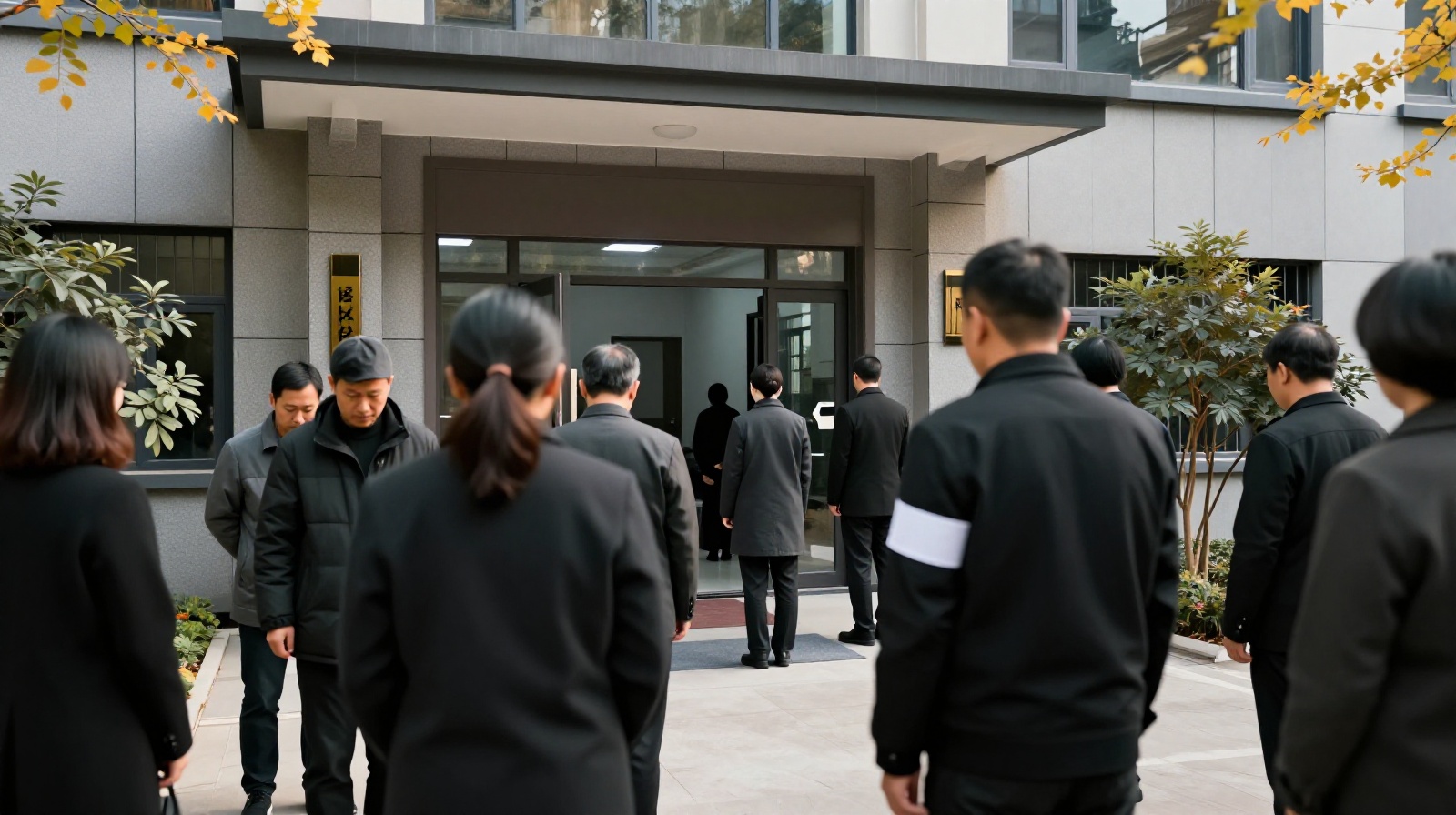
It is a crisp autumn morning in Shanghai. The air carries the faint scent of chrysanthemums, a flower traditionally associated with mourning in China. At the entrance of a local funeral home, a line of visitors waits quietly. Most are dressed in dark suits or conservative clothing—deep blues, greys, and blacks dominate the scene. A few younger attendees wear white scarves or pins, subtle markers of their relationship to the deceased.
For many foreigners visiting China, navigating these moments can feel daunting. In Western cultures, black is the standard for mourning, but in traditional Chinese culture, white holds equal, if not greater, significance as the color of grief and purity. Today, while modern urbanites may wear black, traditional rituals still emphasize white elements, such as white armbands or wreaths, to signify sorrow without ostentation.

Dress Code: What to Avoid
If you find yourself attending a Chinese funeral, your attire sends an immediate message. The cardinal rule is simplicity and solemnity. Avoid bright colors—red is particularly taboo as it symbolizes joy and celebration. Wearing red to a funeral is considered deeply offensive, akin to cheering at a wake in other cultures.
Beyond color, cut and pattern matter. Clothing should be modest; avoid shorts, sleeveless tops, or anything revealing. Flashy logos, cartoon characters, or overly casual wear like ripped jeans can be seen as disrespectful. The goal is to blend in with the subdued atmosphere, ensuring your presence does not distract from the mourning process.
In rural areas or among older generations, you might see family members dressed entirely in white hemp robes, a stark contrast to the suits of urban visitors. This traditional garb reflects a deep, almost archaic connection to ancestral rites. As an outsider, sticking to dark, solid-colored business casual is always safe.
Behavioral Etiquette: Silence Speaks Louder
Chinese funerals are not silent affairs; they often involve chanting, wailing by professional mourners in rural settings, or the blowing of suona horns. However, as a guest, your role is to observe and support, not to dominate the space. Maintain a low voice. Laughing loudly or talking about trivial matters is strictly prohibited.
Physical contact also has rules. In many traditions, touching the deceased’s body or personal items without invitation is considered bad luck or disrespectful. If you are offered tea by the bereaved family, accept it with both hands—a sign of gratitude and respect for their hospitality in their time of loss.
The Symbolism of Gifts: Clocks and Flowers
Gift-giving at funerals is governed by homophonic puns and symbolic meanings, which can be tricky for non-native speakers. The most famous taboo involves watching clocks or giving clocks as gifts. In Chinese, “giving a clock” (送钟, sòng zhōng) sounds exactly like “attending a funeral” or “seeing someone off to their end” (送终, sòng zhōng). Therefore, presenting a clock to anyone, especially during mourning periods, is an ominous gesture that implies wishing death upon them.
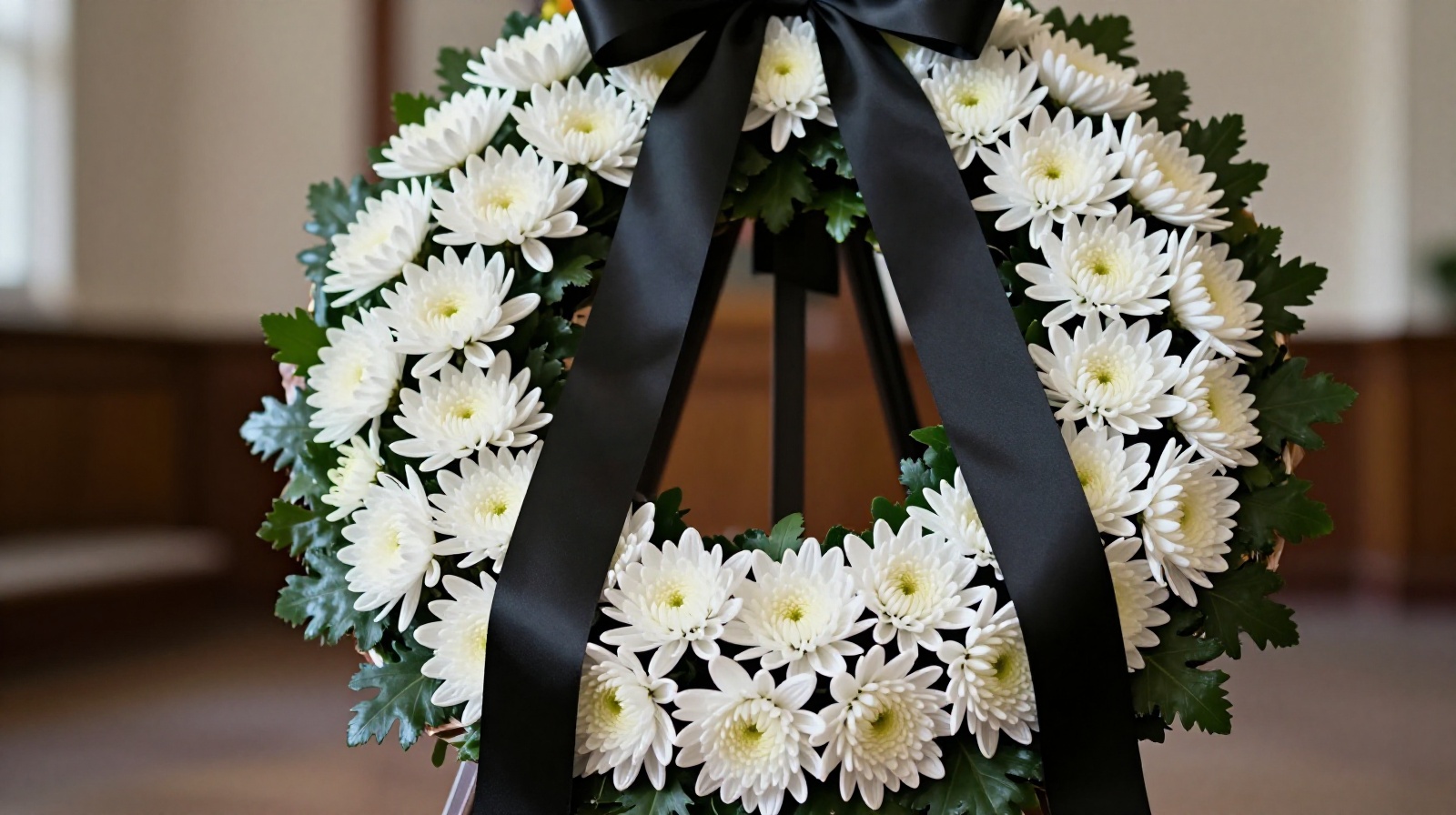
Similarly, while flowers are common in Western funerals, the type matters. White chrysanthemums and lilies are appropriate for wreaths. However, avoid giving flower bouquets to living family members as a “get well soon” gift if they have recently experienced a loss. In some regions, certain flowers are exclusively reserved for gravesites. Giving them inappropriately can be misinterpreted.
Money Gifts: The White Envelope
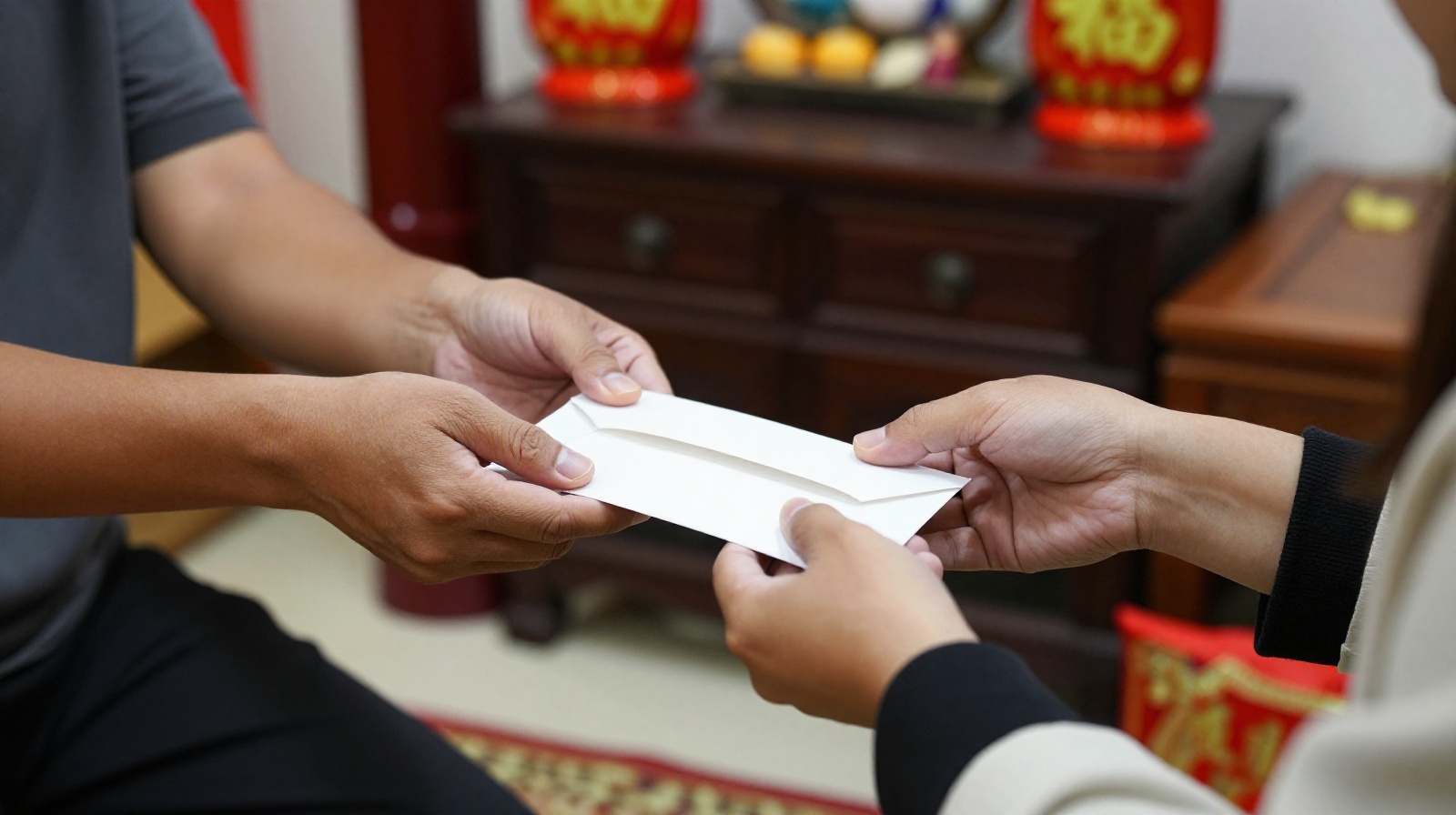
In China, monetary gifts are the standard way to support the bereaved family with funeral expenses. Unlike red envelopes (hongbao) used for weddings and birthdays, these are given in white or blue envelopes. The amount is usually an odd number ending in one (e.g., 301, 501 yuan), as even numbers are often associated with double happiness or celebrations. Note that some regions prefer round numbers like 300 or 500 to avoid the superstition of “one” being lonely, so it is wise to ask local friends for specific regional customs.
Respecting the Cycle
Understanding these taboos is not about fearing bad luck; it is about showing empathy. Chinese funeral etiquette reflects a deep respect for life’s transitions and the comfort of the living. By dressing appropriately, speaking softly, and avoiding culturally sensitive items, you honor the deceased and support their family during a vulnerable time.
Ultimately, sincerity matters most. If you make an unintentional mistake, a sincere apology is usually forgiven. But taking the time to learn these norms demonstrates that you value the culture and the people within it.