
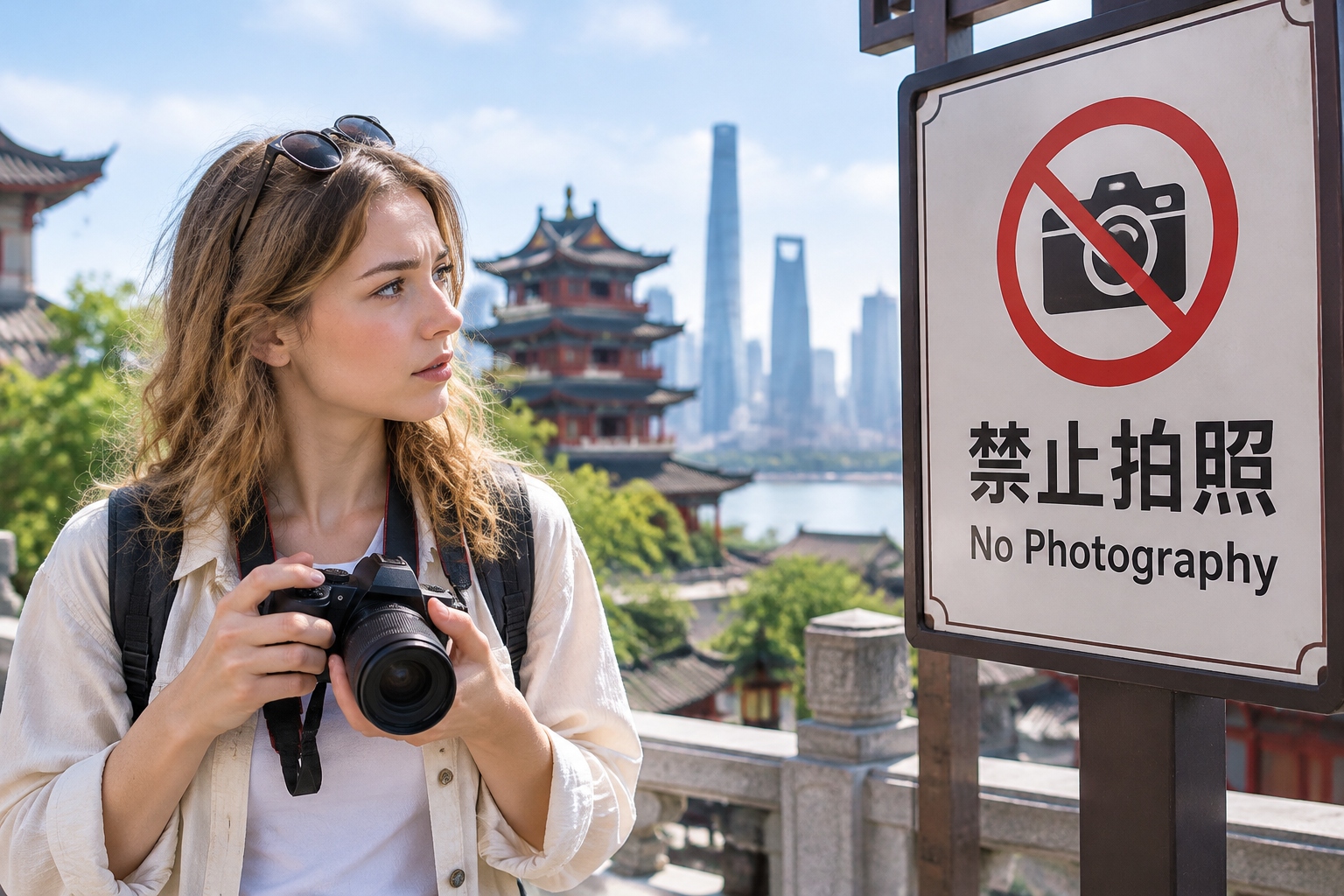

The Open Camera, The Closed Zone
When you first arrive in China, the most striking thing is how easy it is to take photos. You can capture the futuristic skyline of Shanghai, the ancient hutongs of Beijing, or the misty mountains of Guilin without asking permission. Public spaces are generally open to observation and documentation.
However, this openness has boundaries. For travelers used to photographing almost anything in Europe or North America, encountering a strict “No Photography” sign in China can come as a shock. It is not necessarily about hiding secrets from the public eye; it is often about national security, privacy, and respect for specific cultural norms.
Hard Lines: Where Cameras Are Strictly Banned
To avoid unnecessary trouble, there are absolute red lines where photography is prohibited or heavily restricted. These rules are enforced seriously, not just as suggestions.
Military Installations and Border Areas
The most critical area to avoid is any military installation. This includes barracks, naval ports, missile bases, and defense factories. In China, the line between civilian and military infrastructure can sometimes be blurred in industrial zones. If you see barbed wire, guards, or signs indicating a restricted zone, do not point your lens.
Similarly, border areas are sensitive. While many scenic borders like those with Vietnam or Russia are open to tourists, specific checkpoints, watchtowers, and military posts along the line are strictly off-limits. Even if you are in a “scenic area,” zooming in on nearby guard towers is often flagged by security personnel.
Government Compound Interiors
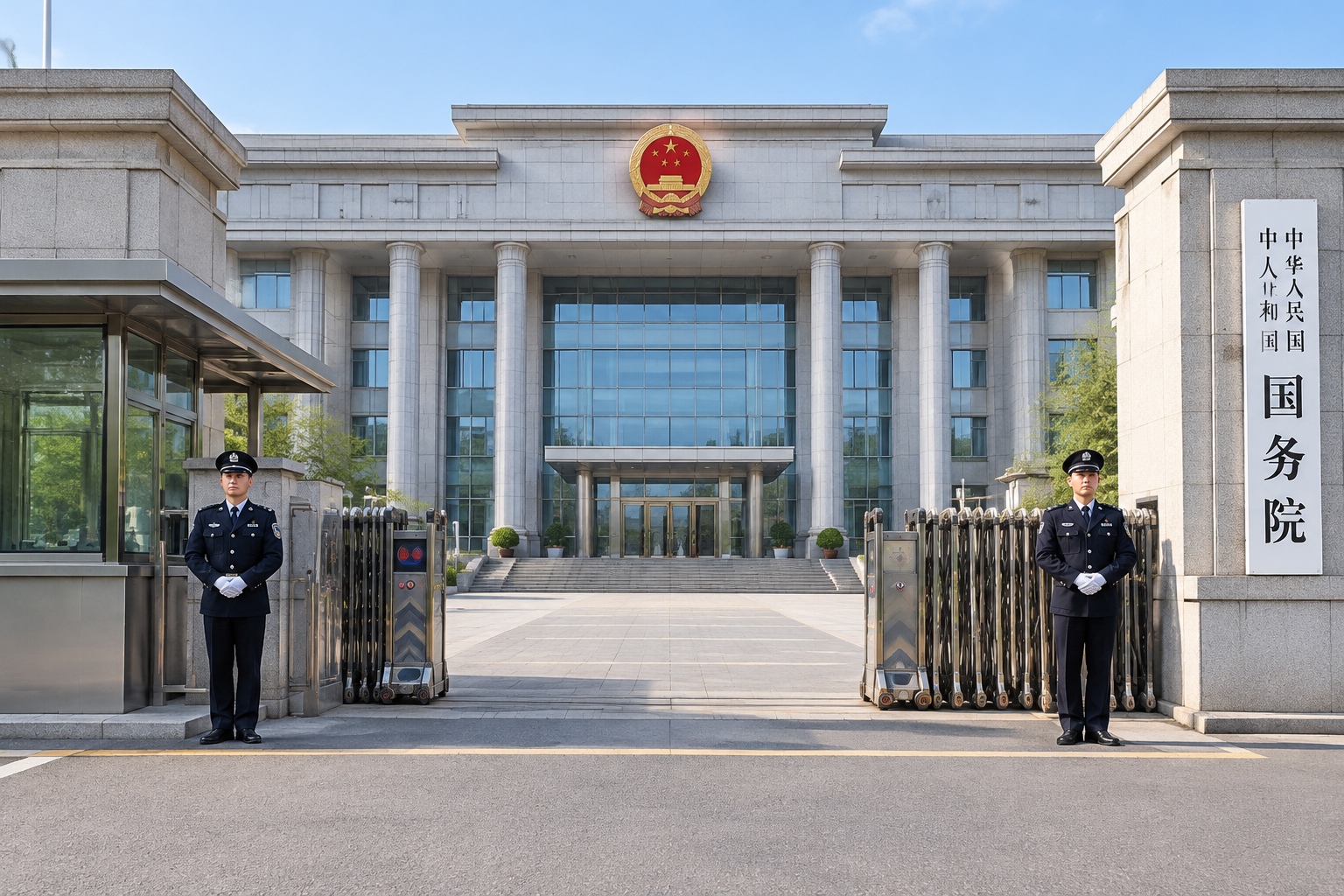
You can photograph the exterior of grand government buildings like the Great Hall of the People or local city halls. These structures are symbols of civic pride and architectural achievement. However, entering these compounds to take photos inside is generally prohibited unless you have specific media accreditation or official permission.
This rule extends to many administrative offices. If you see a “No Photography” sign at the entrance of a government building, respect it. The interior may contain sensitive information or simply be a working environment where privacy is paramount.
The Nuance: Privacy and Cultural Respect
Not all restrictions are written in law; some are social norms that require sensitivity. In China, the balance between public interest and individual privacy is shifting, but caution is still required.
Religious and Ethnic Ceremonies
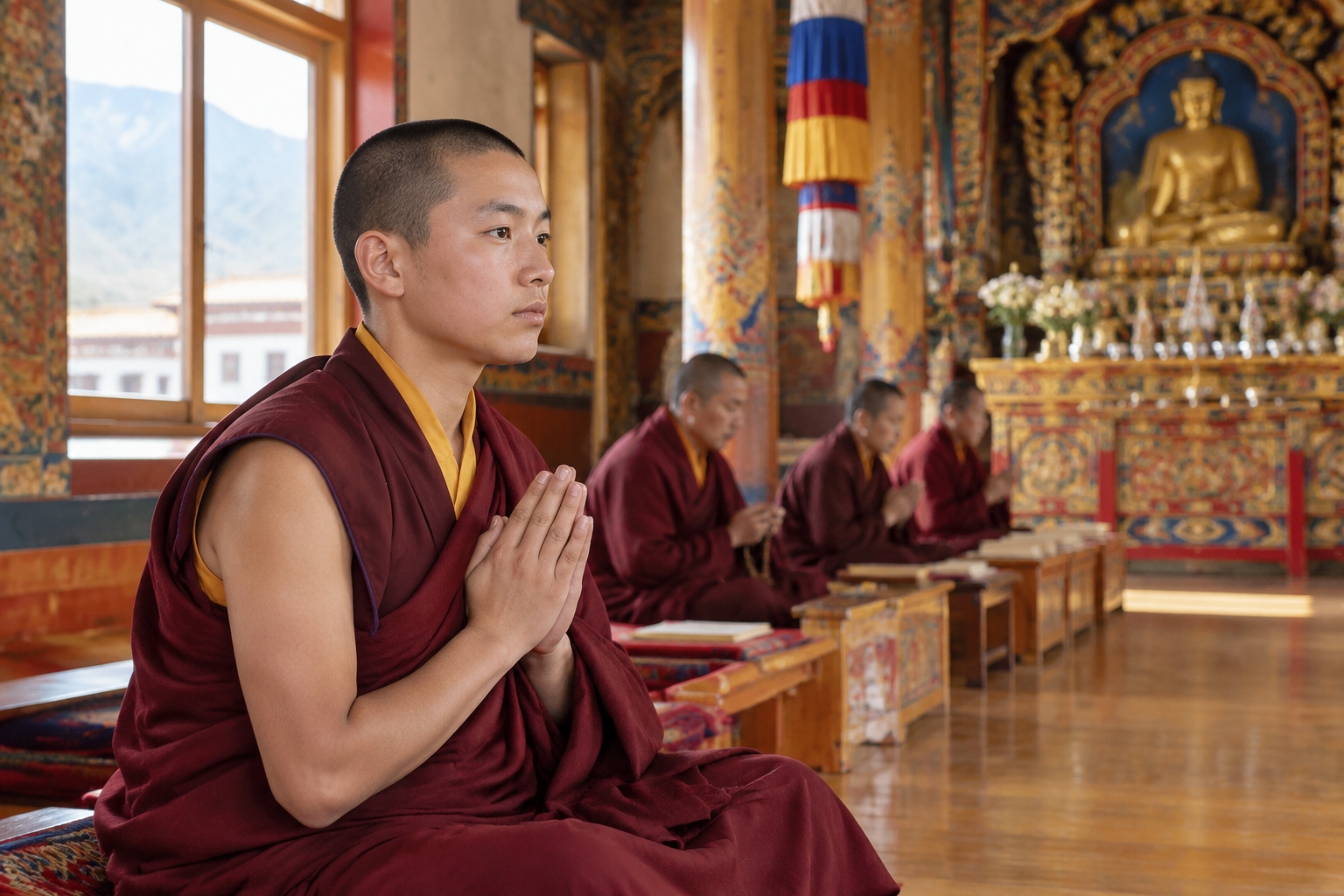
China is home to diverse ethnic groups and religious traditions. In places like Tibetan monasteries in Sichuan or Muslim quarters in Xi’an, photography rules are often tied to spiritual respect. Taking photos of monks praying, rituals being performed, or the interior altars without explicit permission can be seen as intrusive or disrespectful.
Always ask before clicking. A simple gesture asking for consent is usually well-received. In many temples, a small fee may be required for photography equipment, which supports the maintenance of the site.
Strangers and Street Life
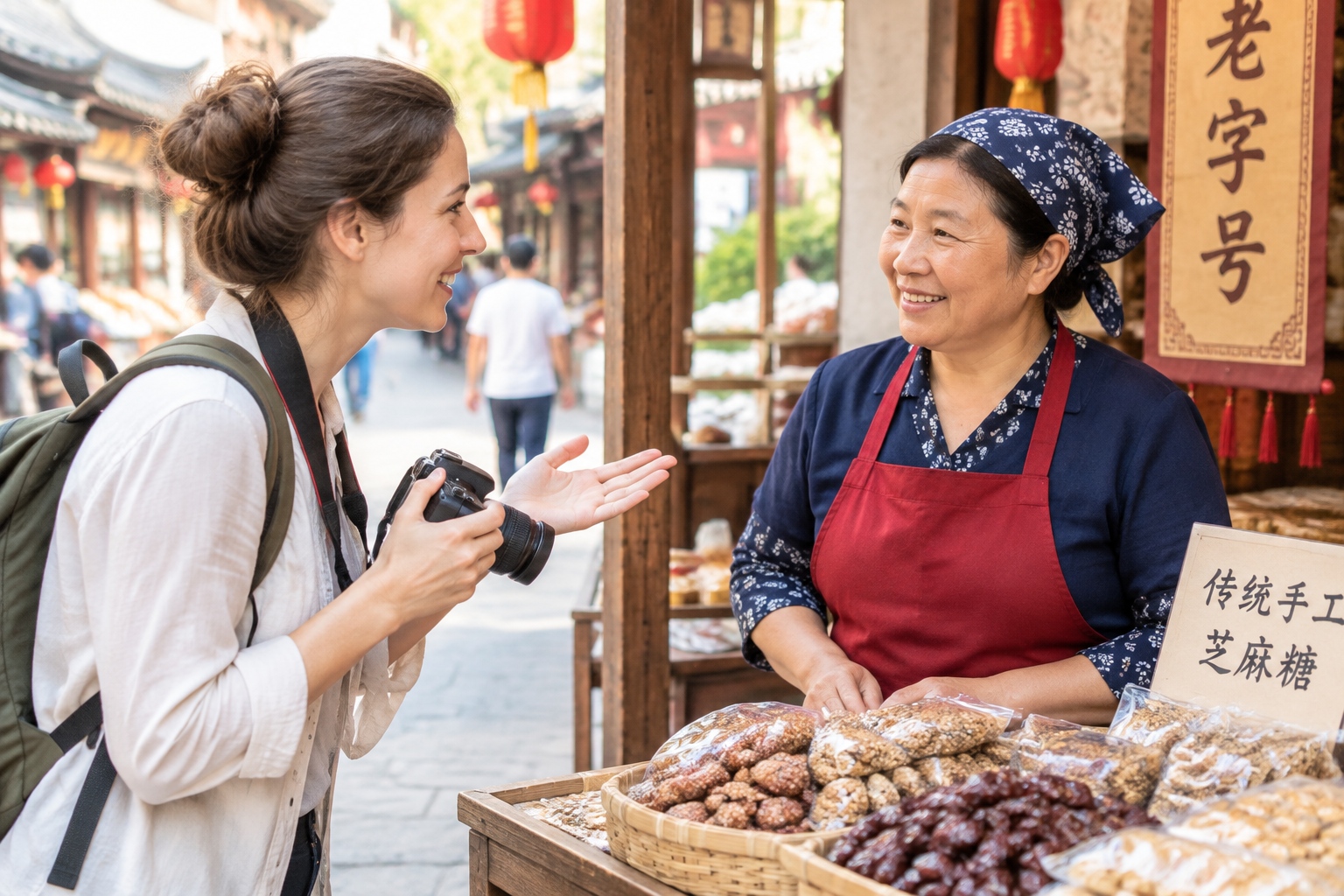
In Western countries, street photography of strangers is often protected as artistic expression or news gathering. In China, while not strictly illegal in all public contexts, it is socially sensitive. Many Chinese people value privacy and may feel uncomfortable being photographed without consent, especially if the camera is pointed directly at their face.
If you want to capture the lively street scenes of Chengdu or Guangzhou, try to keep your distance or use a longer lens. Better yet, engage with locals first. Asking for a photo often leads to smiles and genuine interactions, turning a potential conflict into a friendly exchange.
Why These Rules Exist
Understanding the “why” behind these taboos helps travelers navigate China more smoothly. It is not about secrecy for its own sake, but about layered priorities.
National Security First
China has strict laws regarding state security. Photographing military infrastructure, even accidentally, can be interpreted as espionage or a threat to national defense. The penalties are severe because the stakes are high. This is similar to rules in other countries, though enforcement in China may feel more immediate due to the presence of vigilant security personnel.
Privacy and Social Harmony
On a social level, the reluctance to be photographed stems from a desire for privacy and dignity. In densely populated urban areas, people often prefer to maintain a private bubble amidst the public bustle. Respecting this boundary fosters better relationships with locals.
Practical Tips for Travelers
To ensure your trip is smooth and respectful, follow these guidelines:
- Look for Signs: “No Photography” signs are usually clear. If you see them, stop immediately.
- Ask Permission: When in doubt, ask security guards or staff politely. A simple “Is it okay to take a photo here?” is sufficient.
- Respect the Red Lines: Do not try to sneak photos of military or government interiors. The risk is not worth the souvenir.
- Be Mindful in Religious Sites: Observe local customs. If others are not taking photos, follow suit.
Photography in China is a rewarding experience when done responsibly. By respecting these boundaries, you not only avoid trouble but also gain deeper access to the authentic life and culture of the country.
Start the discussion at forum.chinacomes.com