
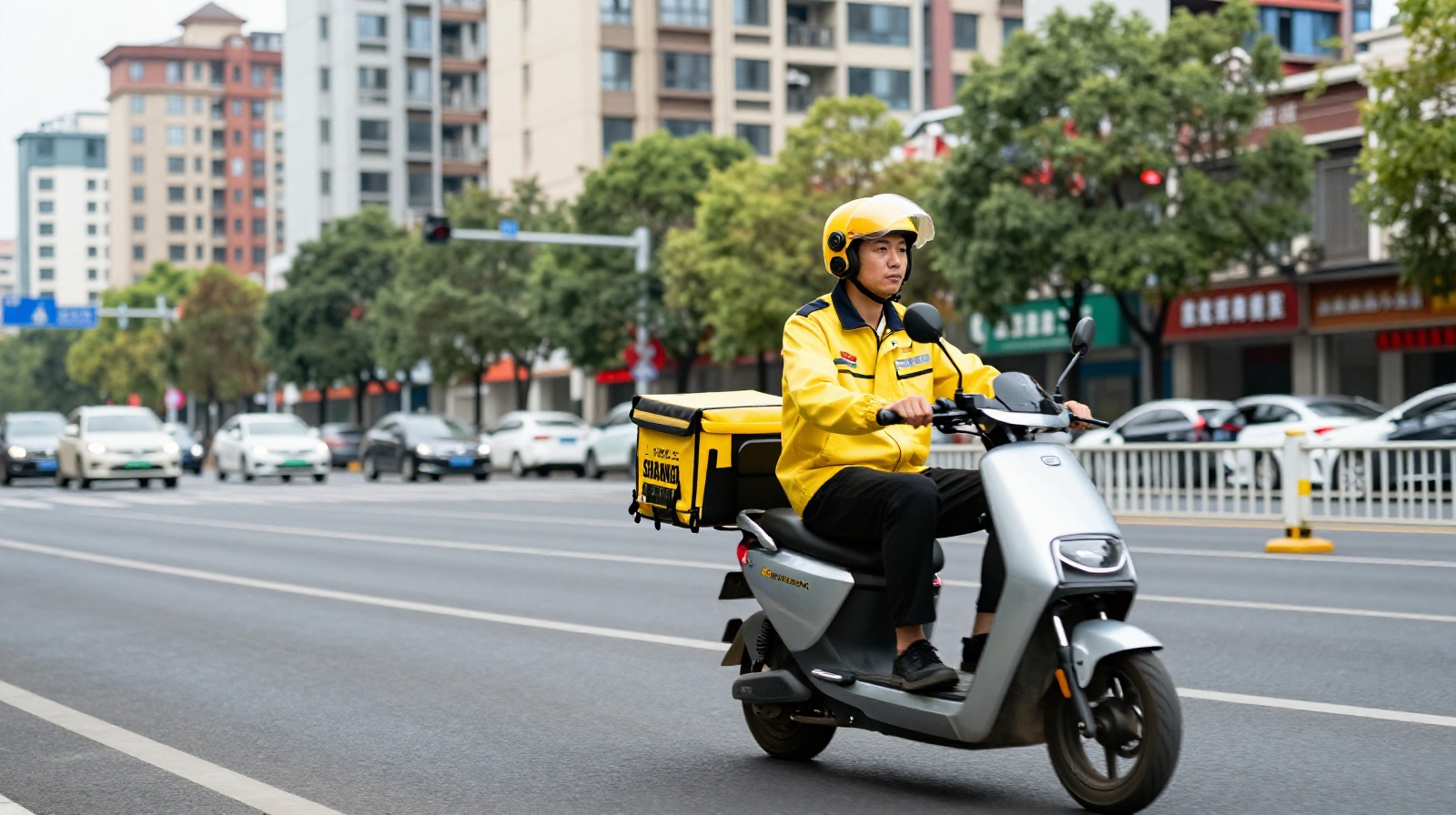

The Panic of the Forgotten Passport
It is 7:00 AM. You are standing in your apartment lobby, heart pounding. Your flight to London departs at noon from Beijing Capital International Airport. You reach for your passport, but it’s not in your bag. It’s on your desk, three kilometers away.
In many parts of the world, this is a moment of pure panic. You might call a friend who isn’t home, hire a taxi (which may take 20 minutes just to arrive), or face the nightmare of missing your flight. In China, however, there is a third option that has become as common as calling an Uber: Shansong (Flash Delivery).
Within two minutes, you download the app, snap a photo of the document’s location on your desk, and request a courier. By the time you finish packing your toothbrush, a rider named Li is already at your building’s gate.
Not Just Another Courier
To understand Shansong, you must first distinguish it from standard Chinese express delivery services like SF Express or STO Express. Traditional couriers operate on a hub-and-spoke model: your package is dropped off at a local station, sorted by machine, transported to a distribution center, and then sent out again. It takes days.
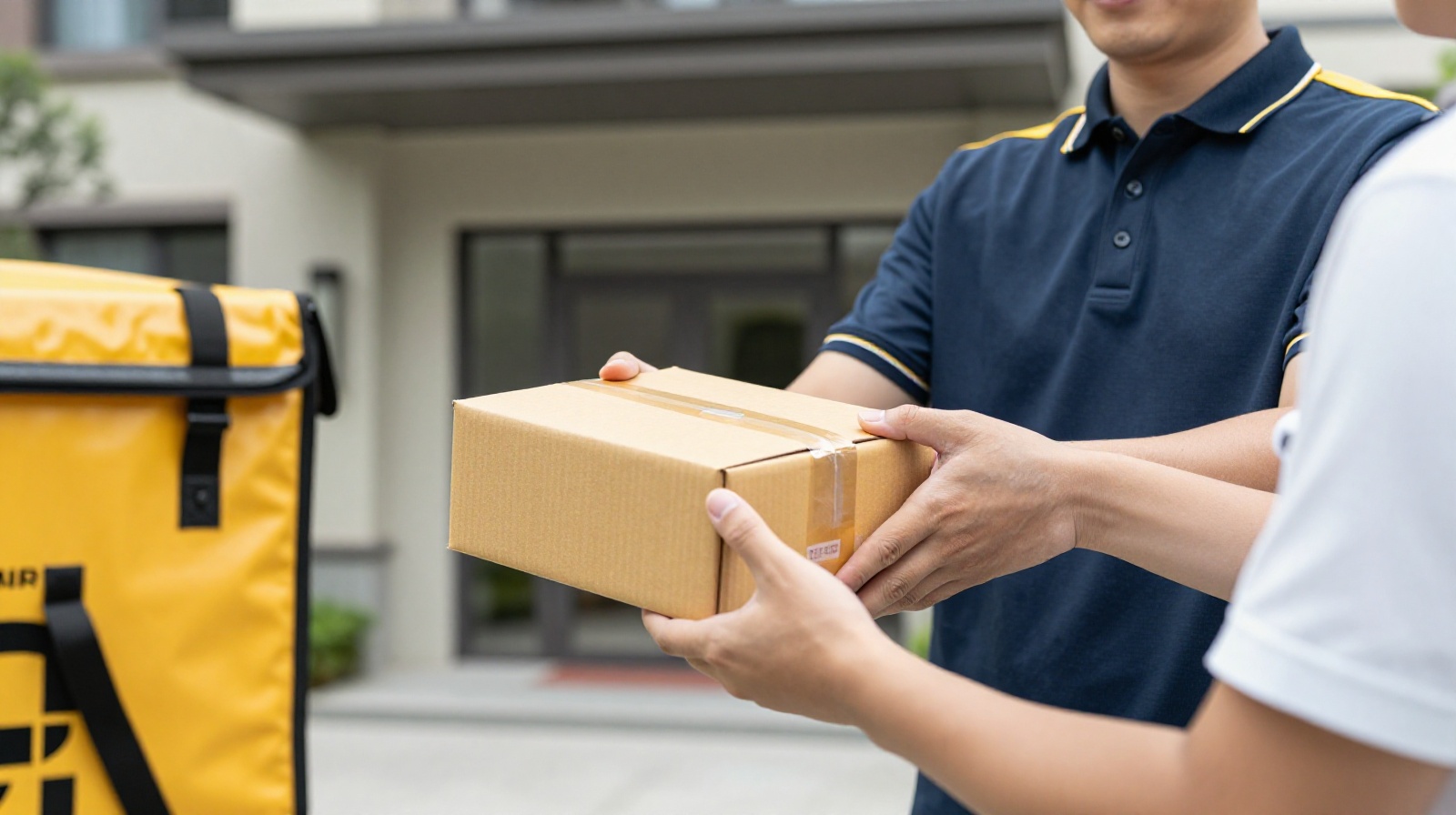
Shansong operates on a different logic entirely: one-to-one dedicated delivery. When you place an order, the system assigns a single courier to your specific request. There are no stops at sorting facilities. The rider picks up the item directly from you and drives straight to the recipient.
This model prioritizes speed and security over volume. While traditional couriers might move thousands of packages per day through efficiency networks, Shansong couriers typically handle only 10 to 20 orders a day. This low volume ensures that each item receives individual attention—a crucial factor when delivering sensitive documents, expensive electronics, or fragile cakes.
The Human Infrastructure
The technology behind Shansong is sophisticated, but the physical reality is remarkably simple. It relies on millions of independent riders navigating the city’s complex traffic systems.
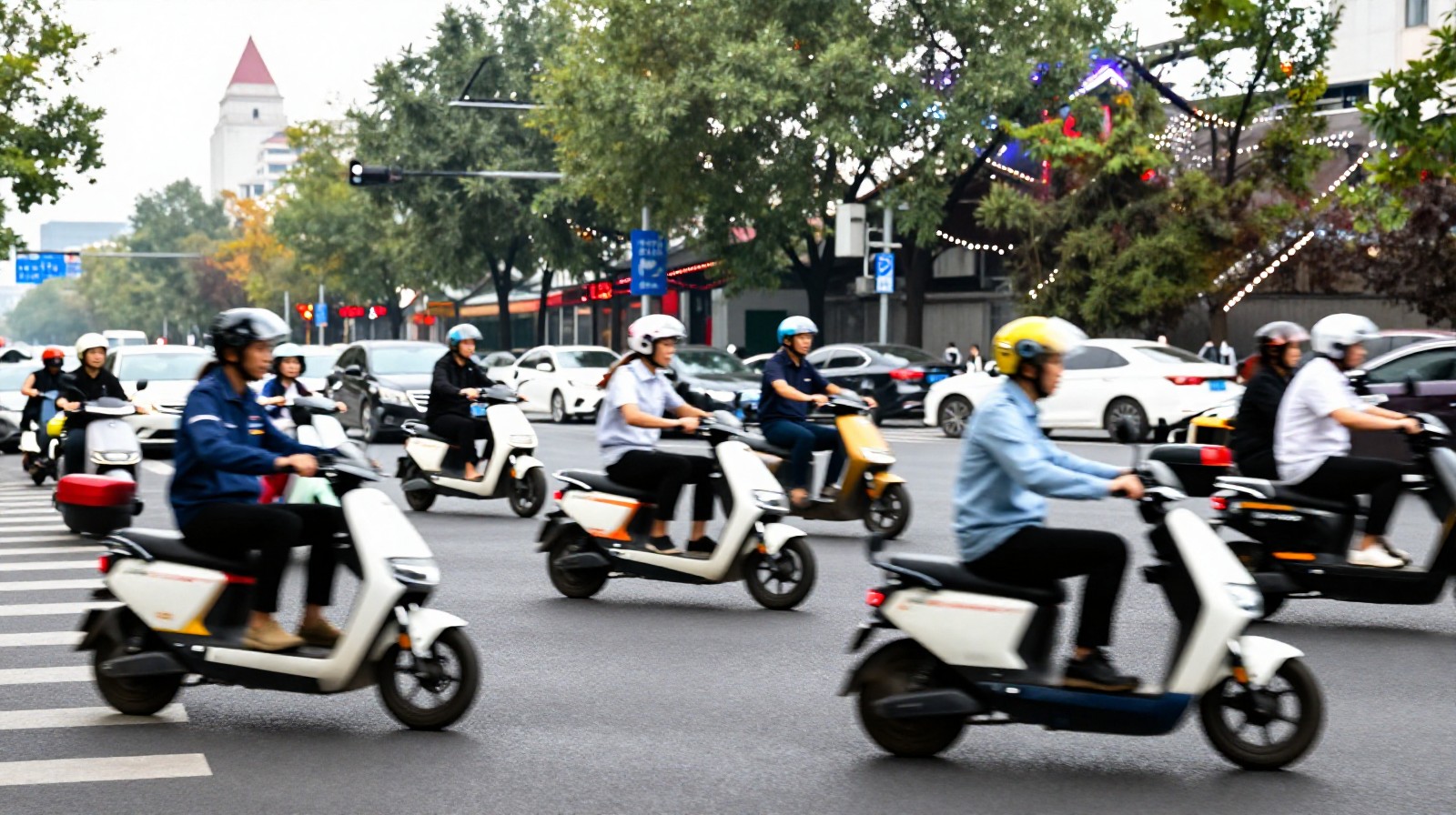
Li, the rider who answered my call for the passport scenario, rode a standard electric scooter equipped with a thermal insulation box. The algorithm calculated the fastest route, avoiding major highways where motorcycles are often restricted, and cutting through smaller urban arteries. In Beijing, a trip that could take 45 minutes in a car during rush hour took Li exactly 32 minutes.
The process is seamless. You scan a QR code at pickup to verify identity. The rider confirms the item’s condition via photo. Upon arrival, the recipient scans another code and signs digitally on the rider’s phone. No cash changes hands. No signatures are lost in mailboxes. It is a closed loop of trust, mediated by digital verification.
More Than Just Emergency Kits
While emergency document delivery is the most dramatic use case, Shansong has quietly integrated itself into the daily rhythm of Chinese urban life. The service is not just for panic; it is for convenience.
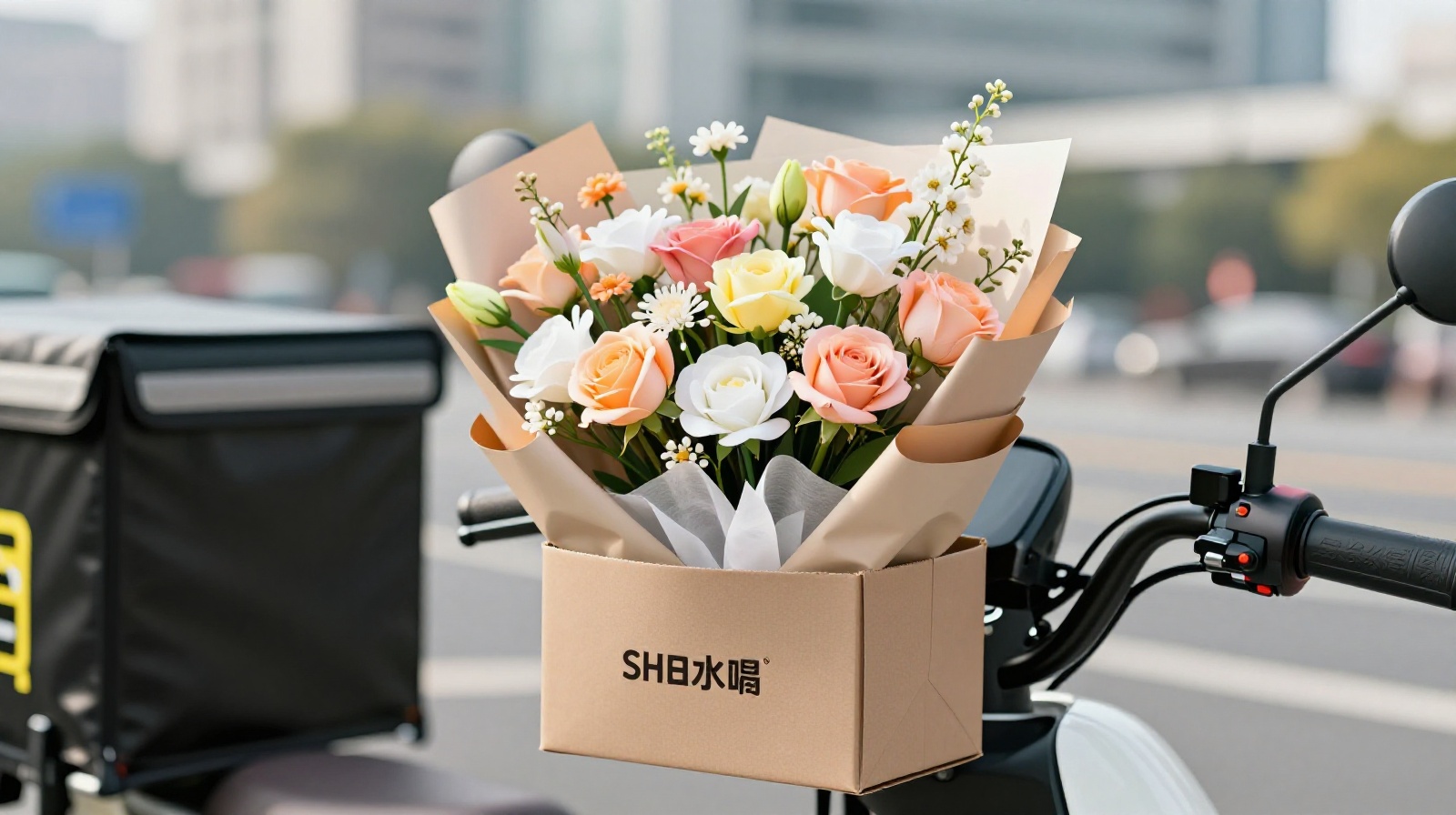
Consider a young professional in Shanghai who wants to surprise her partner with flowers from a boutique florist across town, but she has back-to-back meetings all day. She orders the flowers via Shansong. The rider picks up the bouquet, ensures it is carried upright and protected from sun exposure, and delivers it directly to his office lobby.
Or consider the corporate world. In Shenzhen’s tech hubs, engineers often need to transfer prototype components between labs that are blocks apart but connected by heavy security checkpoints where personal bicycles are banned. Shansong couriers act as the bridge, moving hardware with the same reliability as they move a birthday cake.
The Invisible Backbone of Speed
What makes Shansong significant is not just the service itself, but what it represents about China’s urban infrastructure. The ability to move goods instantly across massive metropolitan areas—Beijing covers 16,400 square kilometers—is only possible because of three converging factors:
- Dense Urban Fabric: Chinese cities are built with high density. Destinations are close together, making short-distance logistics economically viable.
- Ride-Hailing Ecosystem: The mature infrastructure of apps like Didi and Meituan created a workforce of millions who know how to navigate city traffic efficiently. Shansong tapped into this existing labor pool.
- Digital Payment Trust: The near-universal adoption of WeChat Pay and Alipay removed friction from transactions, allowing for secure, cashless exchanges even between strangers.
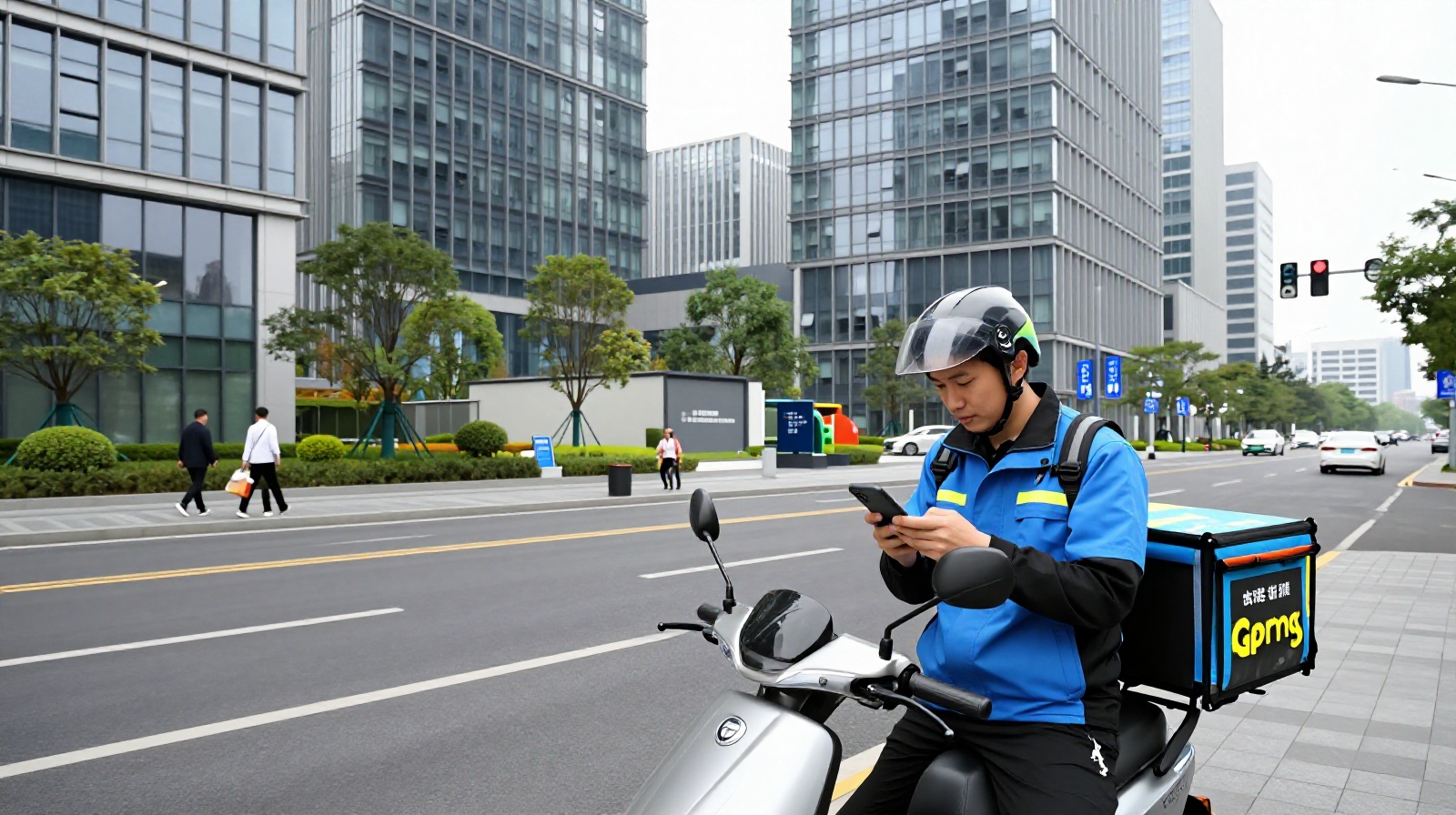
For the average citizen, this means that physical distance is no longer a barrier to time. If you need a prescription filled, you don’t leave your home; you order medicine via an app and have it delivered in 30 minutes. If you forget your wallet at a restaurant, you can send someone to retrieve it before you even reach the subway station.
Conclusion
The story of Shansong is not just about fast bikes. It is about a society that has learned to compress time. In the West, we often associate technological advancement with flying cars or robot vacuums. In China, it looks like an electric scooter weaving through traffic at 7:30 AM, carrying your forgotten passport, arriving right on time.
It is efficient, yes. But more importantly, it is invisible. Most people do not think about the courier until they need one. And when they do, the item is there. That is the true measure of a service that has become part of the city’s heartbeat.