
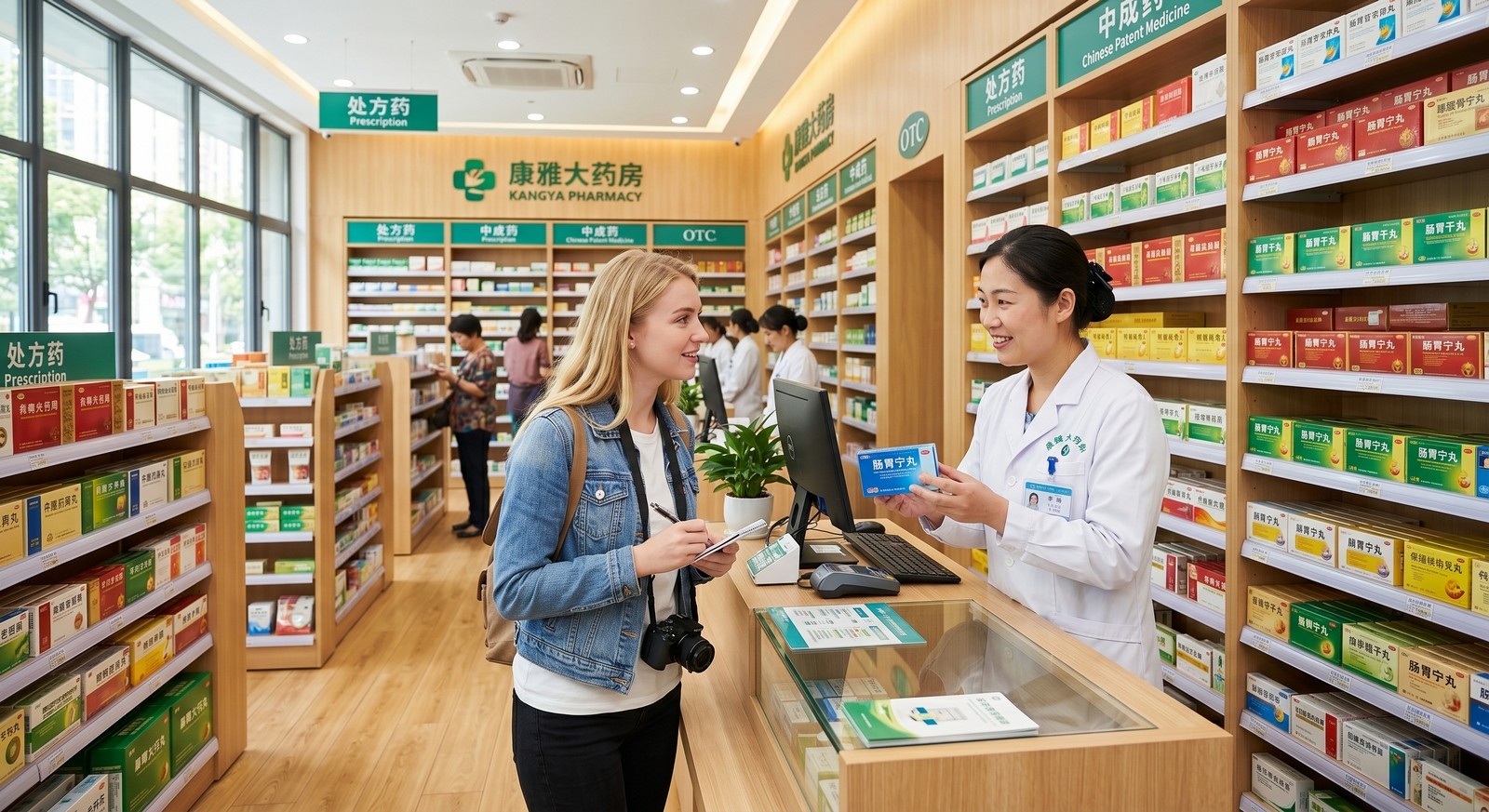

The “Mini-Hospital” on Every Corner
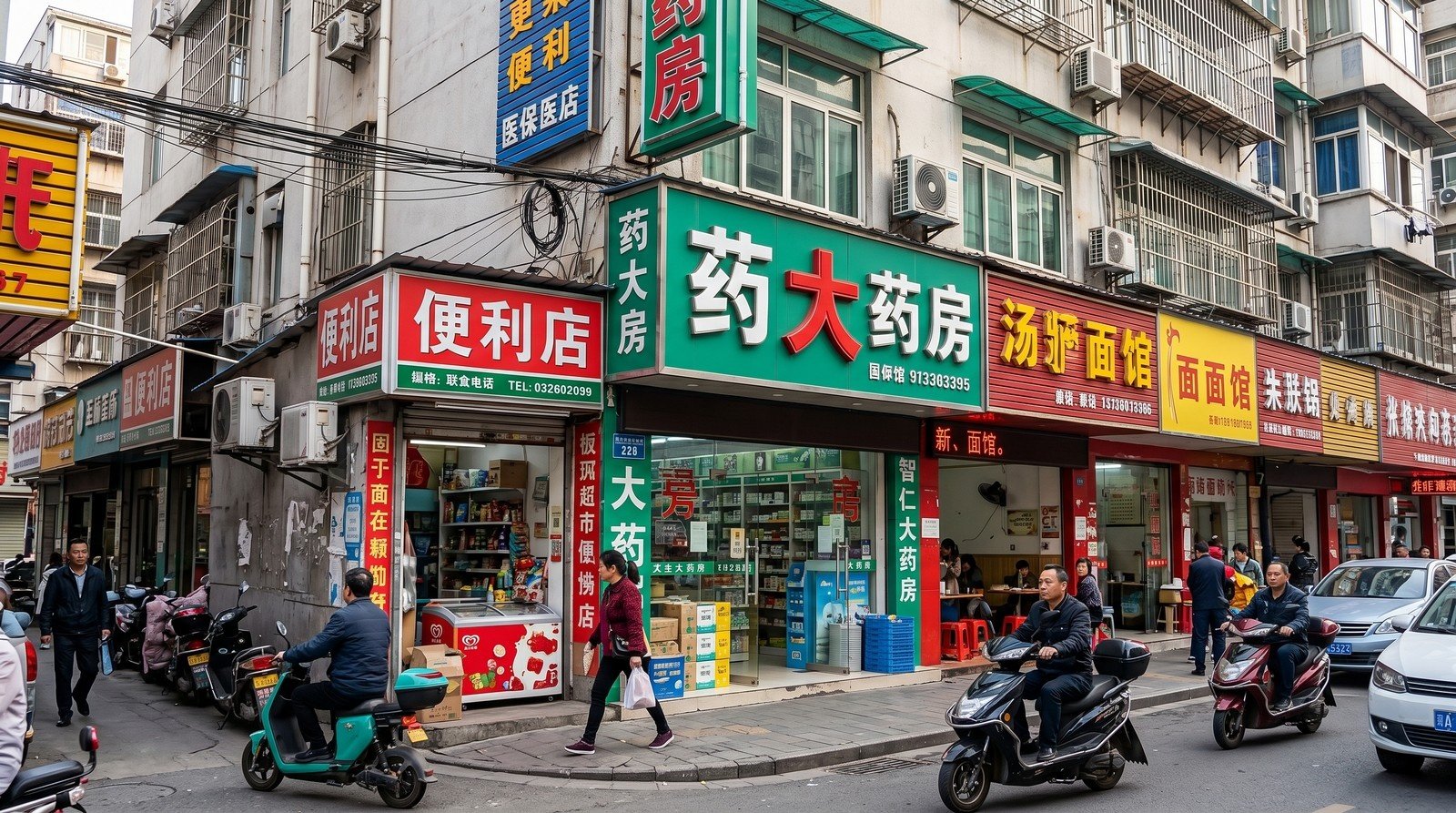
If you’ve ever walked down a street in any major Chinese city, you’ve seen them: pharmacies. They are everywhere—next to convenience stores, across from subway entrances, and sometimes even inside residential building lobbies.
For visitors, entering one can be overwhelming. Unlike the quiet, counter-service model in many Western countries, Chinese pharmacies are bustling hubs of activity. Staff often wear white coats, shelves are packed with thousands of small boxes, and there is a distinct medical atmosphere that feels more like a clinic than a retail store.
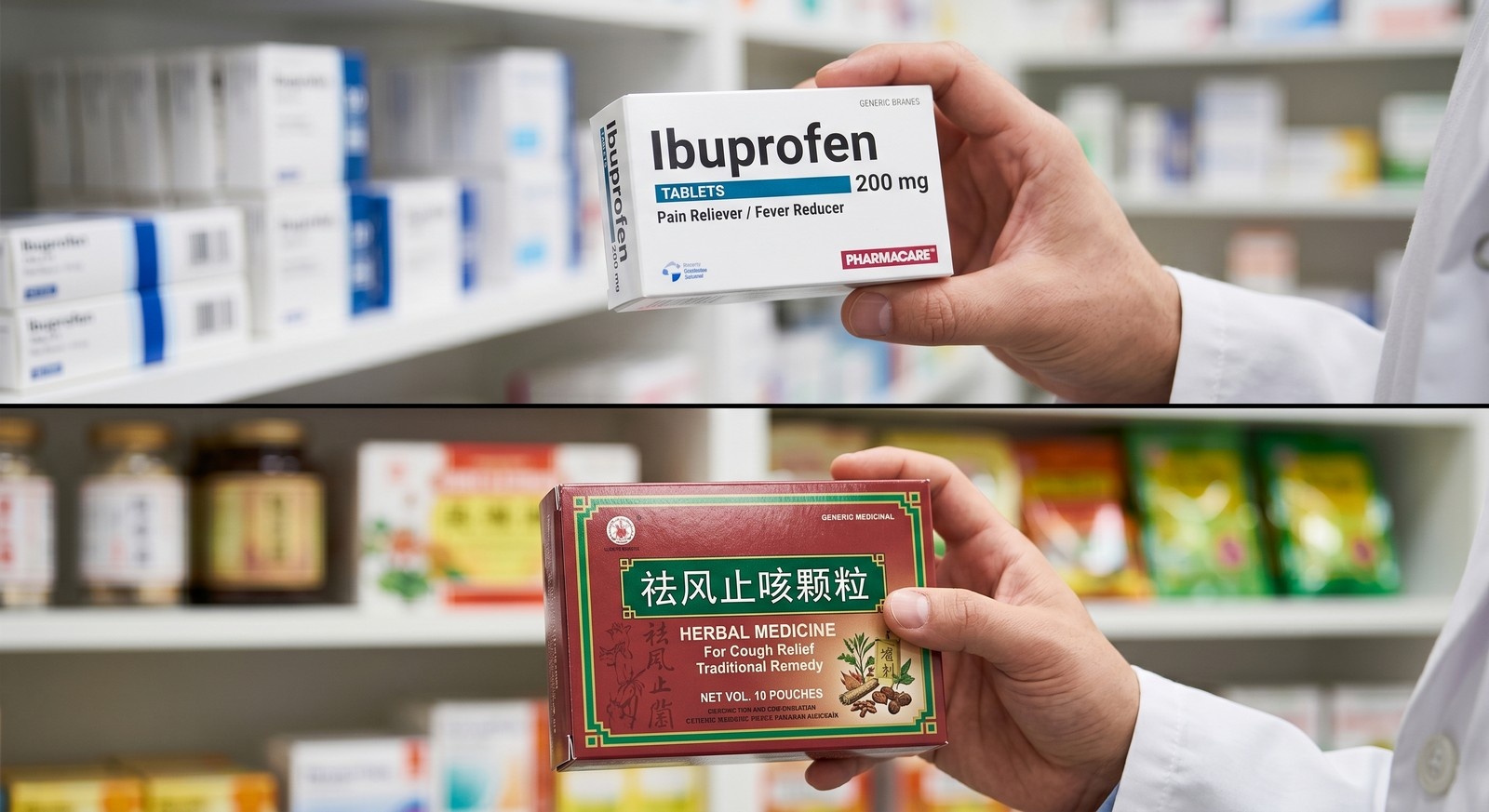
Western Medicine vs. Traditional Herbal Remedies
The biggest source of confusion for foreigners is choosing between Western medicines (Xiyao) and Traditional Chinese Medicines (Zhongyao). Understanding the difference can save you from buying something that tastes terrible or doesn’t do what you expect.
1. Western Medicine (The Quick Fix)
These are chemically synthesized drugs, similar to what you’d find in a pharmacy back home. Look for names like Ibuprofen (for pain and fever) or Loratadine (for allergies). These are standardized, have predictable side effects, and act quickly. If you just need to bring down a fever or stop a headache, this is usually the safest bet.
2. Traditional Chinese Medicine (The Holistic Approach)
This category includes herbal granules, pills, and teas. Famous brands include Lianhua Qingwen or Banlangen. These are marketed for “clearing heat” and “detoxifying.” While many locals swear by them for early-stage colds or sore throats, they often come with a bitter taste and less immediate effect than Western pills. Think of them as supportive care rather than an instant cure.
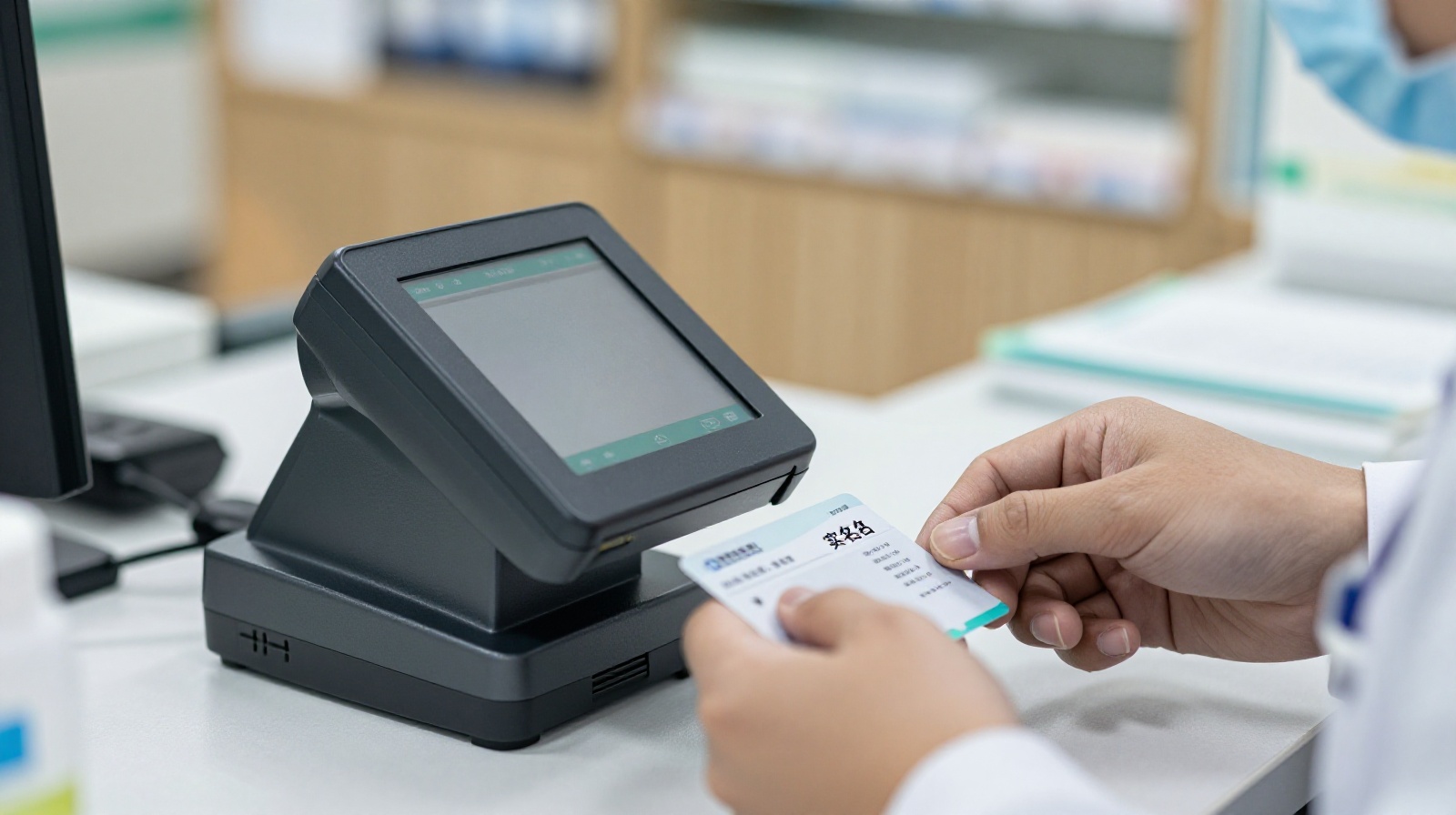
Why Do I Need to Show My ID?
You might be surprised when the pharmacist asks for your ID card or phone number before handing you certain cold medicines, especially those containing pseudoephedrine (a common decongestant).
This isn’t bureaucracy for its own sake. It’s a public health measure to prevent these ingredients from being diverted into the illegal production of methamphetamine. Since around 2005, China has strictly regulated the sale of precursor chemicals. Real-name registration ensures that you are buying a legitimate medical product for personal use.
For most basic OTC items like vitamin C or simple painkillers, this step is often skipped. But if your medication sounds “strong,” expect to scan an ID or enter a phone number into a small terminal at the counter.
How to Describe Your Symptoms
You don’t need fluent Chinese to buy medicine, but knowing how to describe your symptoms will help the pharmacist recommend the right product. Pharmacists in China are often highly trained and act as the first line of medical advice.
Instead of saying “I have a cold,” try to be specific:
- Fever/Chills: “Wufa” (fever) or “Hanliao” (chills).
- Sore Throat: “Yantong” (sore throat). This is the most common reason for buying herbal remedies.
- Cough: “Ketan” (cough). Specify if it’s dry (“ganke”) or with phlegm (“youtan”).
If you show them a picture of your symptoms or type them into a translation app, the pharmacist will likely point you toward one of two aisles: the Western medicine section for quick relief, or the herbal section for soothing comfort.
Taste, Texture, and What to Expect
One thing no guidebook mentions is the taste. Traditional Chinese medicines can be intensely bitter, earthy, or medicinal. Even the “sweetened” granules have a distinct herbal aftertaste that might take some getting used to.
Also, note that many OTC cold pills in China are combination drugs. They often contain acetaminophen (for fever), chlorpheniramine (for runny nose), and sometimes caffeine. This means you should avoid taking them alongside other multi-symptom cold medicines to prevent accidental overdose.
The Bottom Line
Buying medicine in China is efficient, affordable, and generally safe if you follow the rules. Treat the pharmacist as a knowledgeable guide, respect the registration system, and don’t be afraid to ask for Western alternatives if the herbal options seem too strong. It’s just another part of navigating daily life in a fast-moving society.