
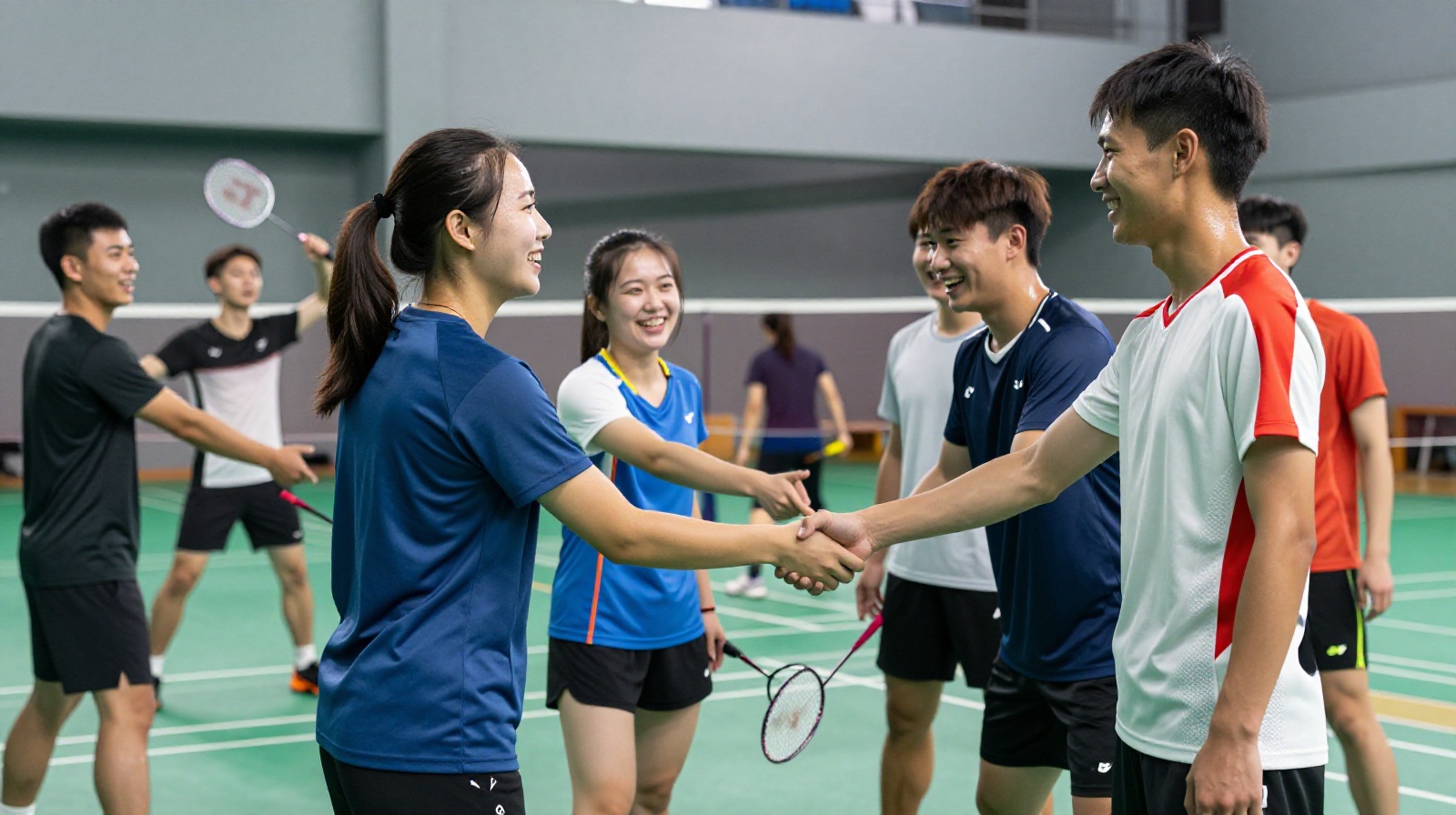

The Sound of the Shuttlecock
It is 8:30 PM on a Tuesday in Shanghai. The air inside the gymnasium smells faintly of rubber and sweat. On the court, twenty-year-old Lin Wei wipes his forehead with a towel, but his eyes are glued to his phone. He isn’t resting; he is checking WeChat.
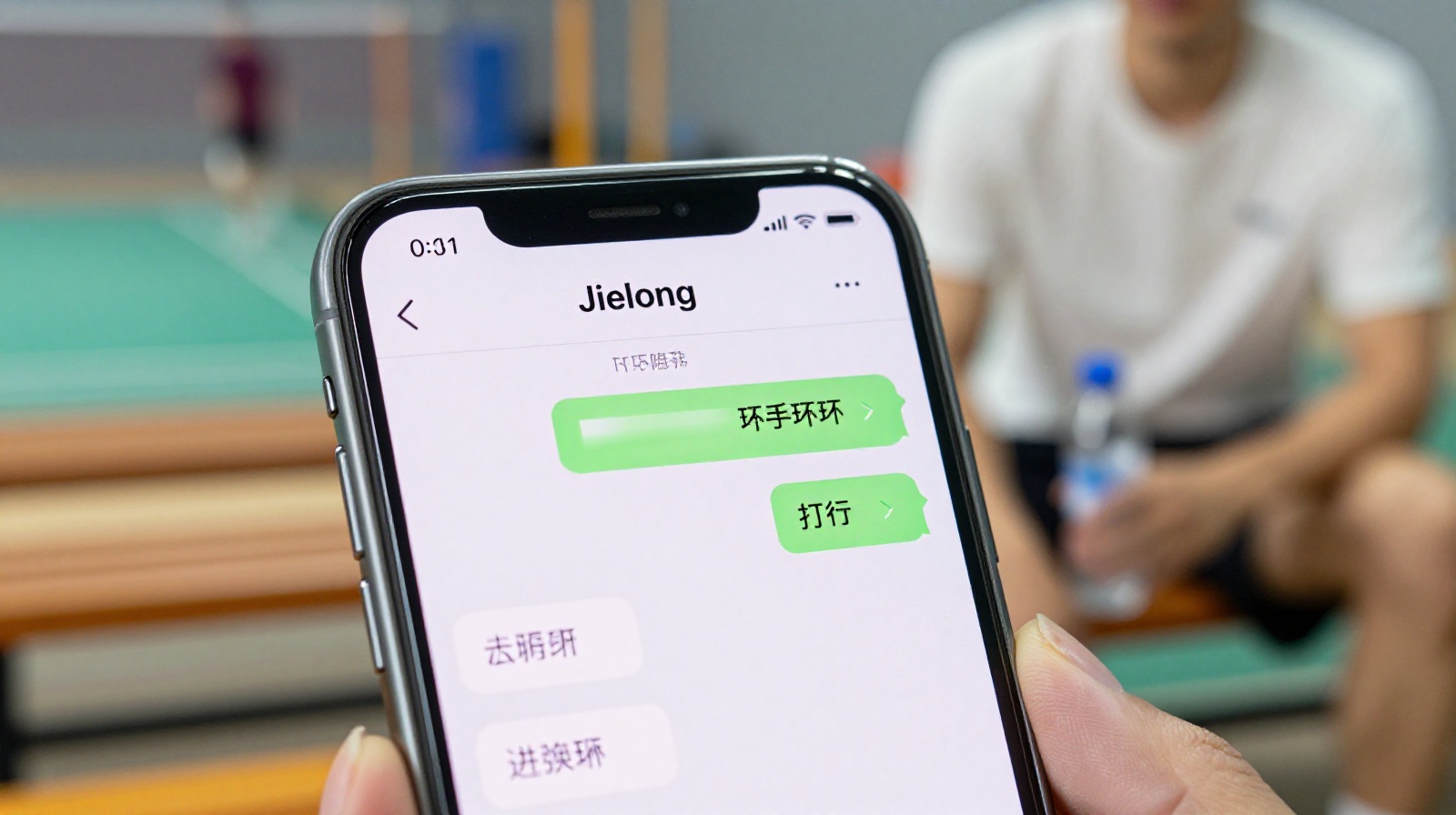
At 8:32 PM, a notification pings in the group chat named “Shanghai Badminton Lovers – East District.” It’s not a meme or a work email. It is a “Solitaire” (Jielong) form—a specific feature in WeChat used for organizing events. The message reads: “Thursday night, 7 PM. Court 3. Looking for two more players for mixed doubles. Fee: 80 RMB per person (covers court and shuttlecocks). Reply ‘1’ to join.”
This is how modern Chinese social life works off the clock. For millions of urbanites, WeChat is not just a messaging app; it is the operating system for community engagement. If you want to understand how people live, eat, and play in China, you have to look at their group chats.
Why Badminton? The National Hobby
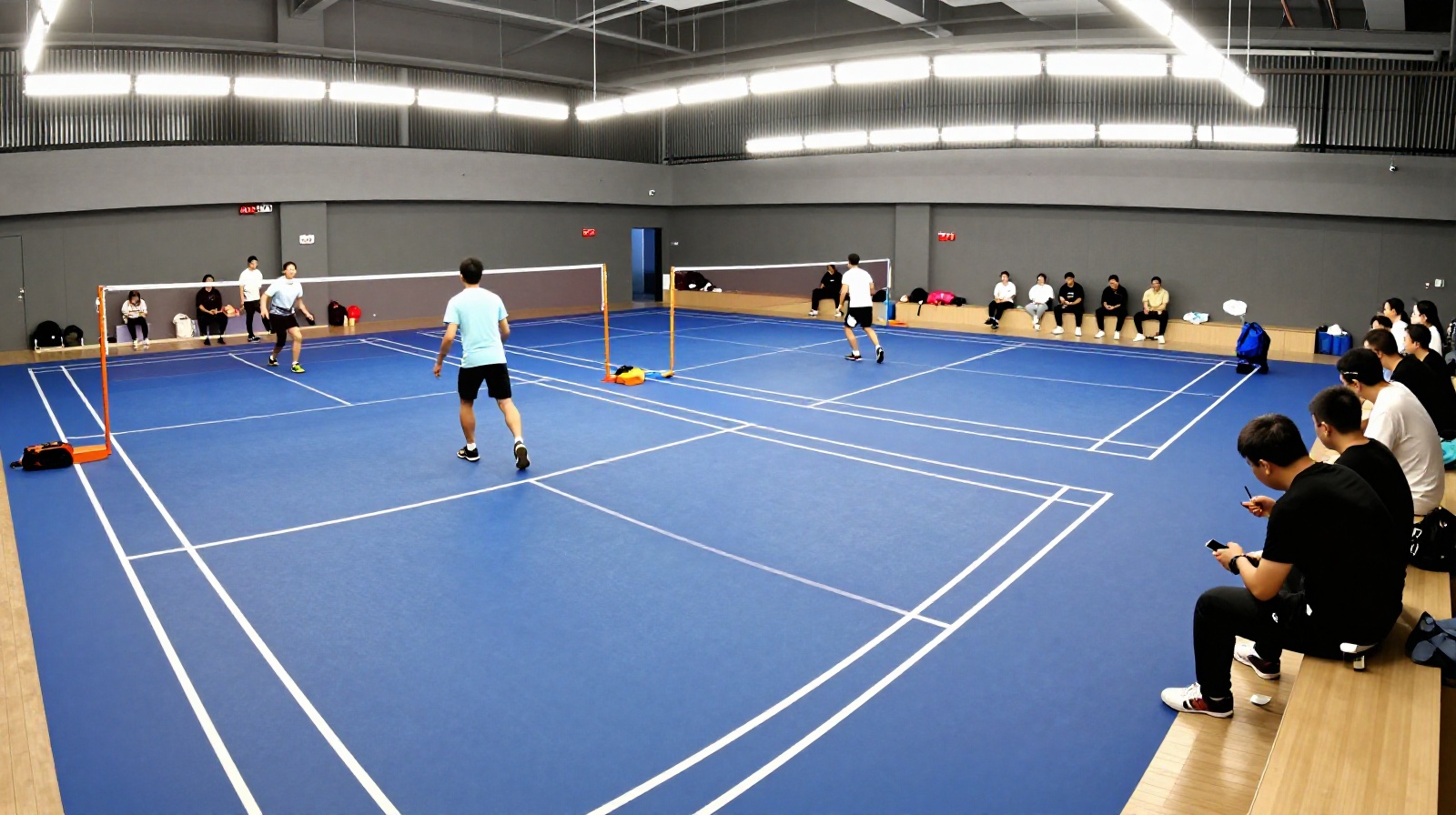
You might wonder why badminton tops the list of group chat activities. In China, it is often jokingly called the “national sport,” surpassing football or basketball in terms of participation depth. Unlike basketball, which requires five players per side and a large court, badminton can be played by two people with minimal space.
This flexibility makes it perfect for spontaneous pickup games. In cities like Beijing, Guangzhou, and Chengdu, you will find indoor courts in every district, from converted warehouse spaces in industrial parks to high-end sports complexes. The barrier to entry is low: a decent pair of non-marking shoes and a willingness to run are often enough to start.
How to Find the Group
If you are an expat or a new resident, finding these groups can feel like solving a puzzle. You won’t usually find them on public websites. They live in private, word-of-mouth networks.
- Ask Your Circle: The most direct way is to ask your Chinese colleagues, neighbors, or friends at the gym. Say, “I want to join a badminton group nearby.” If they trust you, they will pull out their phone and scan your QR code.
- WeChat Search: Use the search function within WeChat. Try keywords like “City Name + Badminton” (e.g., “Shanghai Badminton”) or “City Name + Pickup.” Many public accounts (WeChat’s version of blogs) aggregate local groups.
- Court Staff: When you visit a badminton club, ask the front desk if they have a WeChat group for players. Most clubs maintain these groups to fill empty slots during off-peak hours.
Navigating the “Solitaire” (Jielong)
Once you are in, you will encounter the Jielong. To a Western eye, it looks simple: copy the previous message and add your name at the bottom. But for newcomers, it can be confusing.
Here is how to survive your first group chat:
- Read the Announcement: Before joining any game, read the pinned message or recent announcements. It will tell you the skill level expected (e.g., “Beginner Friendly” vs. “Intermediate/Advanced”), the location, and the refund policy.
- The Sign-Up Process: When a host posts a Jielong, you simply copy the entire list of names, add your name at the end, and send it back. This creates a visible chain of participants.
- Payment (AA System): Most local games operate on an “AA” basis—essentially splitting the bill evenly. The fee usually covers the court rental and disposable shuttlecocks (which break easily). Do not expect to pay upfront via credit card; payment happens through WeChat Pay after the game or when you arrive.
The Skill Gap: Don’t Worry
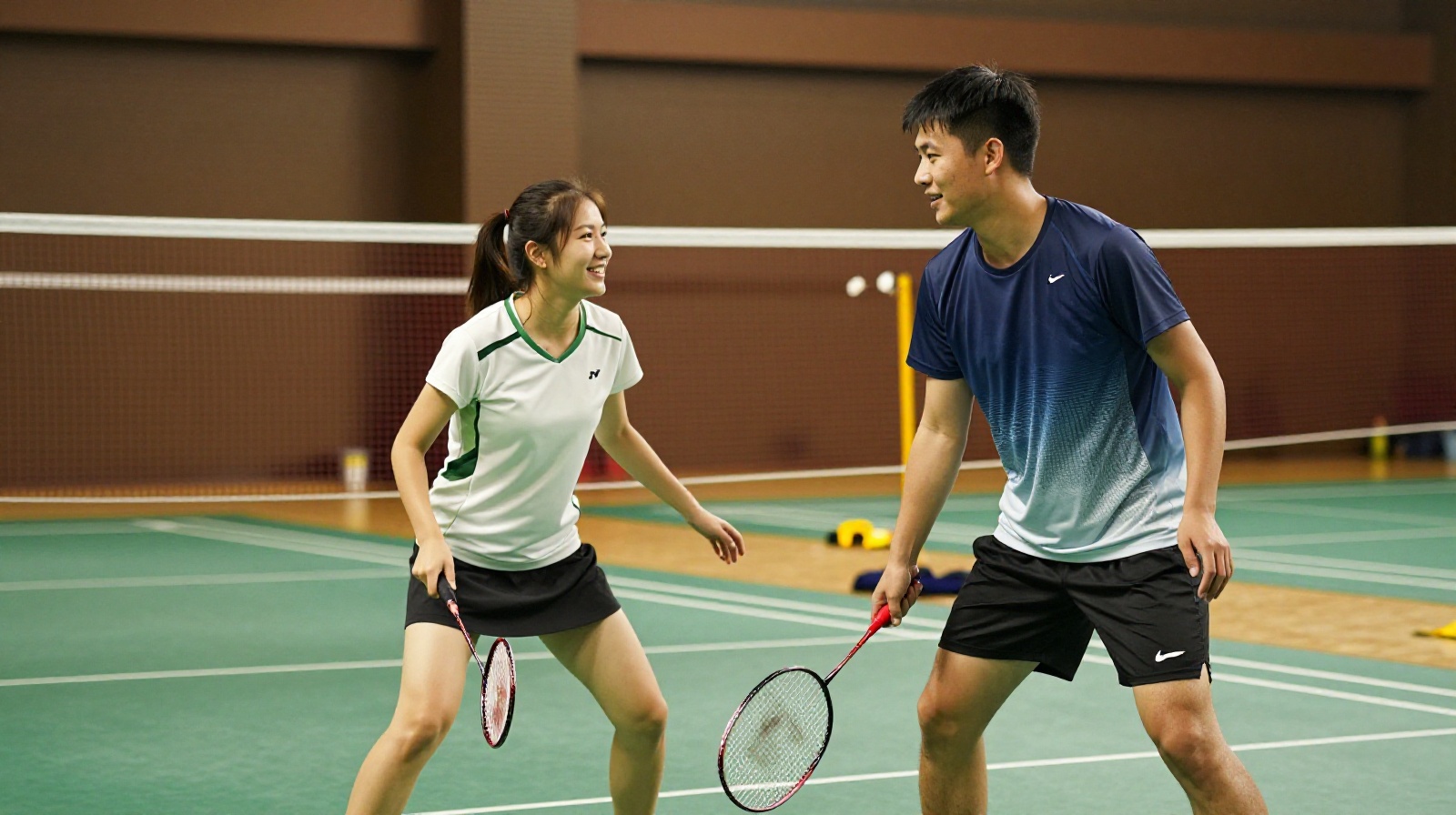
A common fear for newcomers is, “I’m too bad to join.” In most casual community groups, this is not a problem. The culture of “pickup games” in China emphasizes participation and social connection over professional competition.
You will often see groups labeled as “Novice Friendly” or “Social Play Only.” In these sessions, the focus is on rallying and having fun. If you can hit the shuttlecock back and forth, you are welcome. Advanced players in these mixed-level games often enjoy playing with beginners because it forces them to use softer, more controlled shots.
More Than Just Sports: The Post-Game Meal
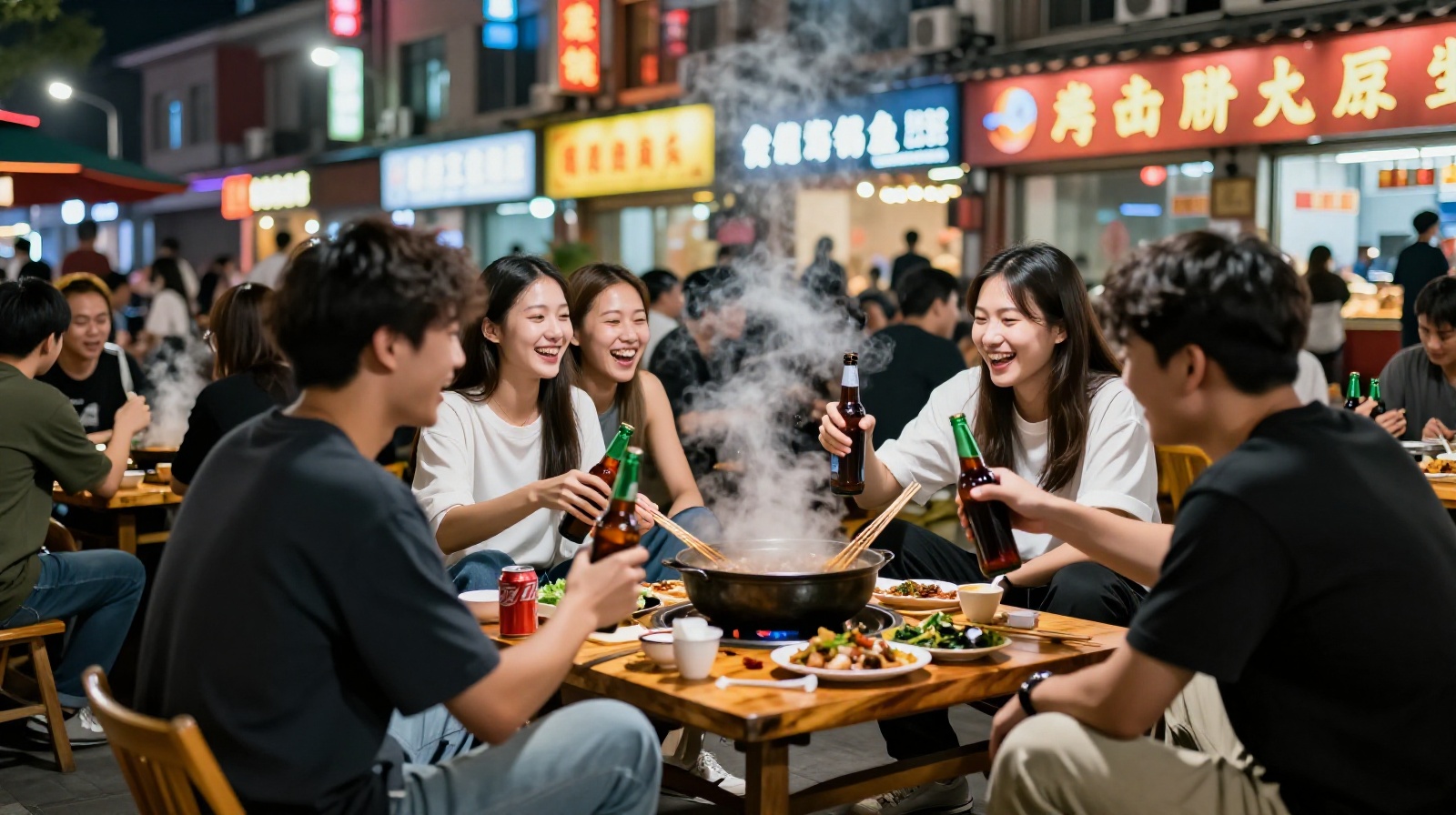
The game itself usually lasts an hour or two. But the social event doesn’t end when you leave the court. In Chinese culture, food is the glue of friendship. It is extremely common for group members to organize a post-game meal, known as “Ye Xiao” (late-night supper).
You might find yourself sitting on plastic stools at a street-side BBQ stall or in a noisy hotpot restaurant, eating skewers and drinking beer with people you just met two hours ago. This is where the real bonding happens. It breaks down language barriers and cultural differences faster than any formal dinner party.
Basic Etiquette for Your First Game
To fit in smoothly, keep these three rules in mind:
- Wear Proper Shoes: Never wear black-soled street shoes on indoor courts. They leave marks and damage the floor. White-soled sports shoes are standard.
- Bring Your Own Gear: While some groups provide rackets, it is polite to bring your own shuttlecocks if you have a preferred brand. It shows you are serious about playing.
- Be Punctual and Communicative: If you sign up but can’t make it, tell the organizer immediately so they can fill your spot from the waitlist. Ghosting is frowned upon in these tight-knit communities.
Conclusion
Joining a local sports group via WeChat is one of the most authentic ways to experience life in China today. It strips away the tourist facade and places you directly into the rhythm of ordinary people’s lives. You will sweat, you might lose a few games, but you will likely gain friends who know exactly where to find the best late-night noodles in town.
So, download WeChat, ask around, and be ready to copy-paste your name into a long list. The court is waiting.