
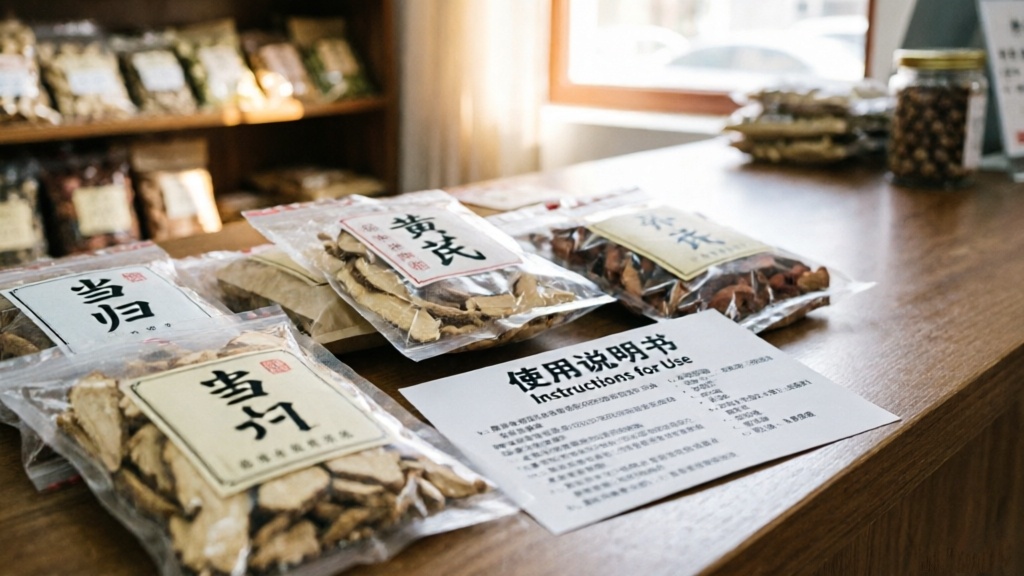

The Language Barrier in Your Medicine Cabinet
For many people living in or visiting China, a trip to the local pharmacy often ends with a small brown packet of traditional Chinese medicine (TCM) and a prescription label that looks like ancient calligraphy. Even if you can buy over-the-counter remedies, the instructions are rarely in English. Terms like “wash down with warm water” or “avoid spicy food” appear without context, leaving patients guessing about how to actually take the medicine.
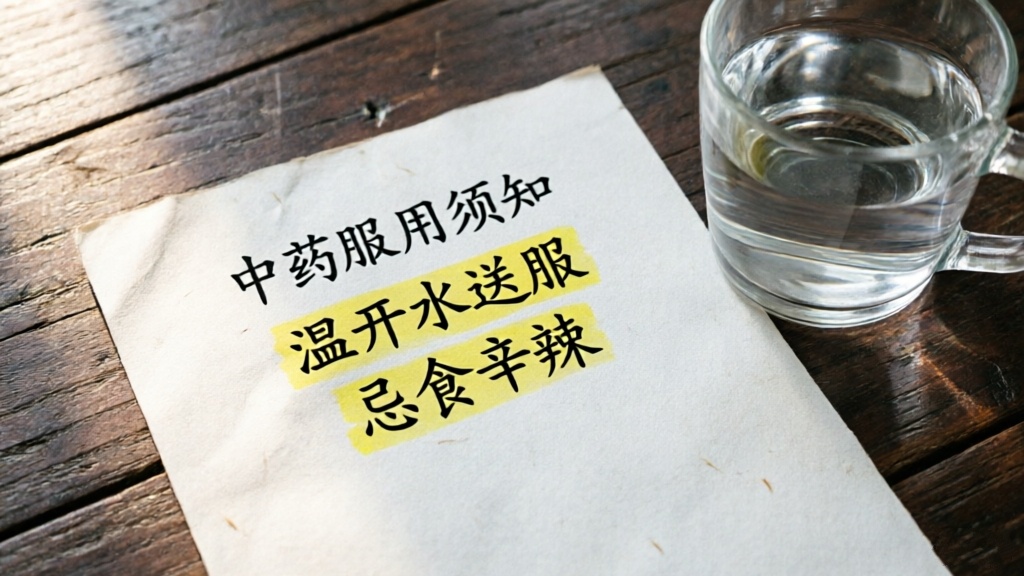
Decoding Common Terminology
To navigate these instructions, you first need to translate the language. Chinese medical terms are concise but specific. Here is a breakdown of the most common phrases you will encounter:
- 温水送服 (Wēn shuǐ sòng fú): Wash down with warm water. This is not just a preference; cold water can slow digestion, while hot water might degrade certain herbal compounds.
- 忌辛辣 (Jì xīn là): Avoid spicy and pungent foods. This usually means steering clear of chili peppers, strong garlic, or alcohol during your treatment course, as these are believed to counteract the medicine’s calming effects.
- 生冷 (Shēng lěng): Raw and cold foods. In TCM theory, this includes ice cream, salads, and uncooked vegetables, which are thought to weaken the spleen and stomach’s ability to absorb medication.
- 空腹 (Kōng fù): On an empty stomach. Typically taken 30-60 minutes before a meal for maximum absorption of tonics or laxatives.
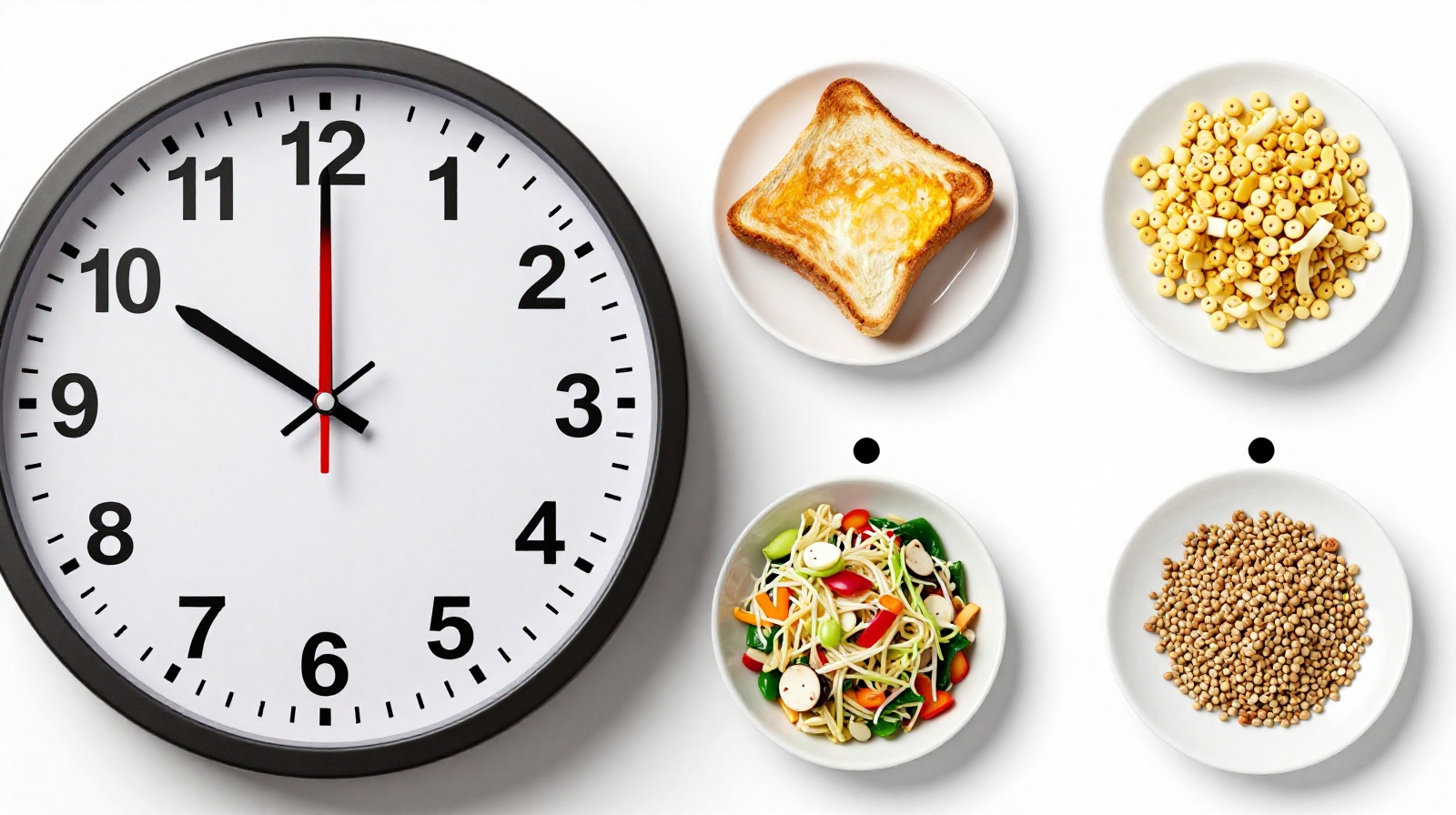
The Logic Behind Timing: “Three Times a Day” vs. Meals
The most common source of confusion is the timing instruction. In Western medicine, “three times a day” usually implies an even eight-hour interval to maintain constant blood levels. In TCM, however, timing is tied to digestion and the body’s energy flow.
When to Take Your Medicine
- 饭后服用 (Fàn hòu fú yòng): After meals. This is generally recommended for medicines that might irritate the stomach, such as those containing bitter or heavy herbs. The best window is usually 15-30 minutes after finishing your meal.
- 饭前服用 (Fàn qián fú yòng): Before meals. This is often prescribed for tonics or medicines targeting the lower body (like kidney or urinary issues). Take it 30 minutes before eating to ensure rapid absorption.
- 一日三次 (Yī rì sān cì): Three times a day. In practice, this rarely means exactly every eight hours for patients living normal lives. It usually aligns with breakfast, lunch, and dinner. This approach prioritizes consistency with your daily routine over pharmacokinetic precision.
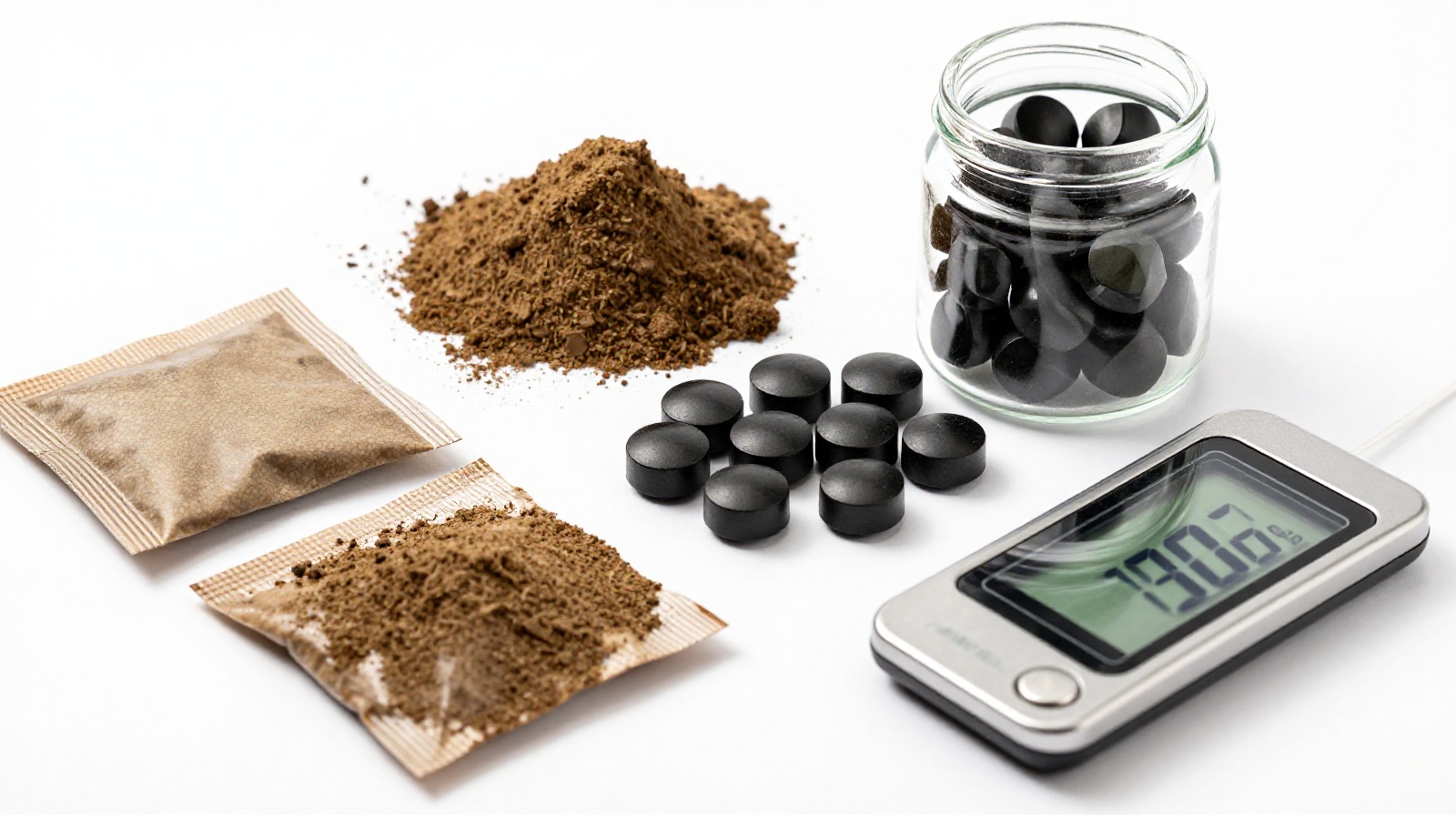
Dosage and Form: Granules vs. Pills
TCM comes in many forms, and the dosage instructions can be tricky if you are used to milligram-based pills. Most modern TCM packages use standardized units.
- Packets (Ké): Granular medicines come in small sachets. A standard dose might be “2 packets per time.” If the bottle says one box contains 10 packs, that is only five doses.
- Pills (Wán): Water-honeyed pills are dense and small. Instructions often say “6 grams” or “a certain number of pills.” A standard pill container usually has about 30-50 pills per gram, depending on size. When in doubt, weigh one box to estimate the count.
Common Myths: Tea and Coffee
A frequent question from Westerners is whether they can take TCM with their morning coffee or tea. The general advice from pharmacists is strict: do not mix TCM with tea, coffee, or milk.
Tannins in tea and caffeine in coffee can bind to the active compounds in herbs, forming precipitates that the body cannot absorb. This effectively neutralizes the medicine. Always use plain water unless your pharmacist specifies otherwise.
Practical Tips for Safe Use
If you are managing your own TCM regimen, technology can help, but it has limits. Translation apps like Pleco or WeChat’s camera translator are excellent for reading the label. However, they may miss nuances in dosage frequency.
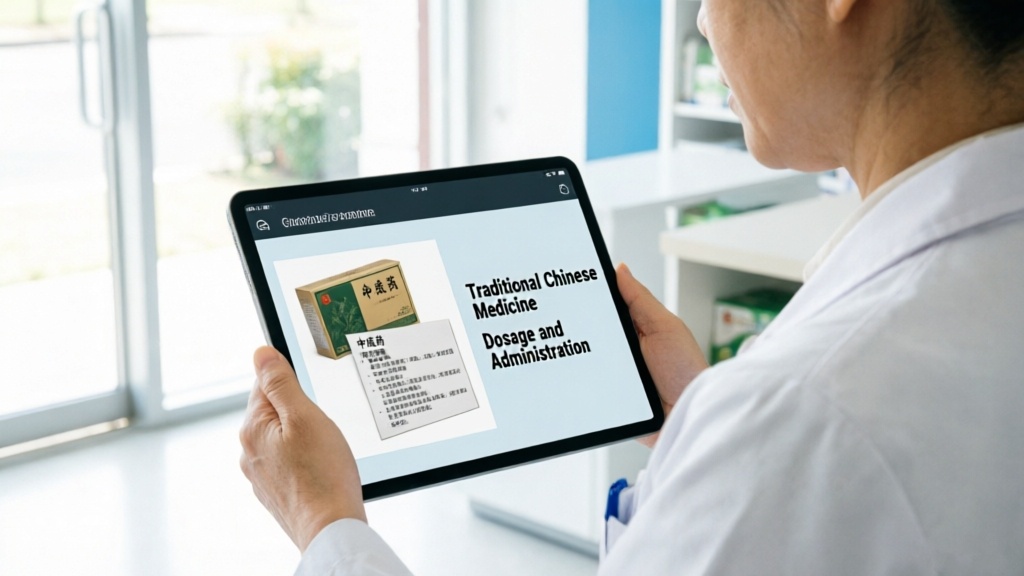
The safest approach is to combine digital translation with a quick consultation. Many community health centers in China now have bilingual pharmacists or AI-assisted kiosks. If you cannot ask a human, take a photo of both the medicine box and the instruction leaflet, and use an app that supports image-to-text medical translation.
Conclusion
Navigating Chinese medicine instructions does not require fluency in classical Chinese. By understanding the basic logic of timing—tying doses to meals rather than clocks—and respecting dietary taboos, you can use these remedies safely. When in doubt, always default to warm water and a plain diet for 24 hours after dosing.