
The Ritual Begins Before the Scissors Touch
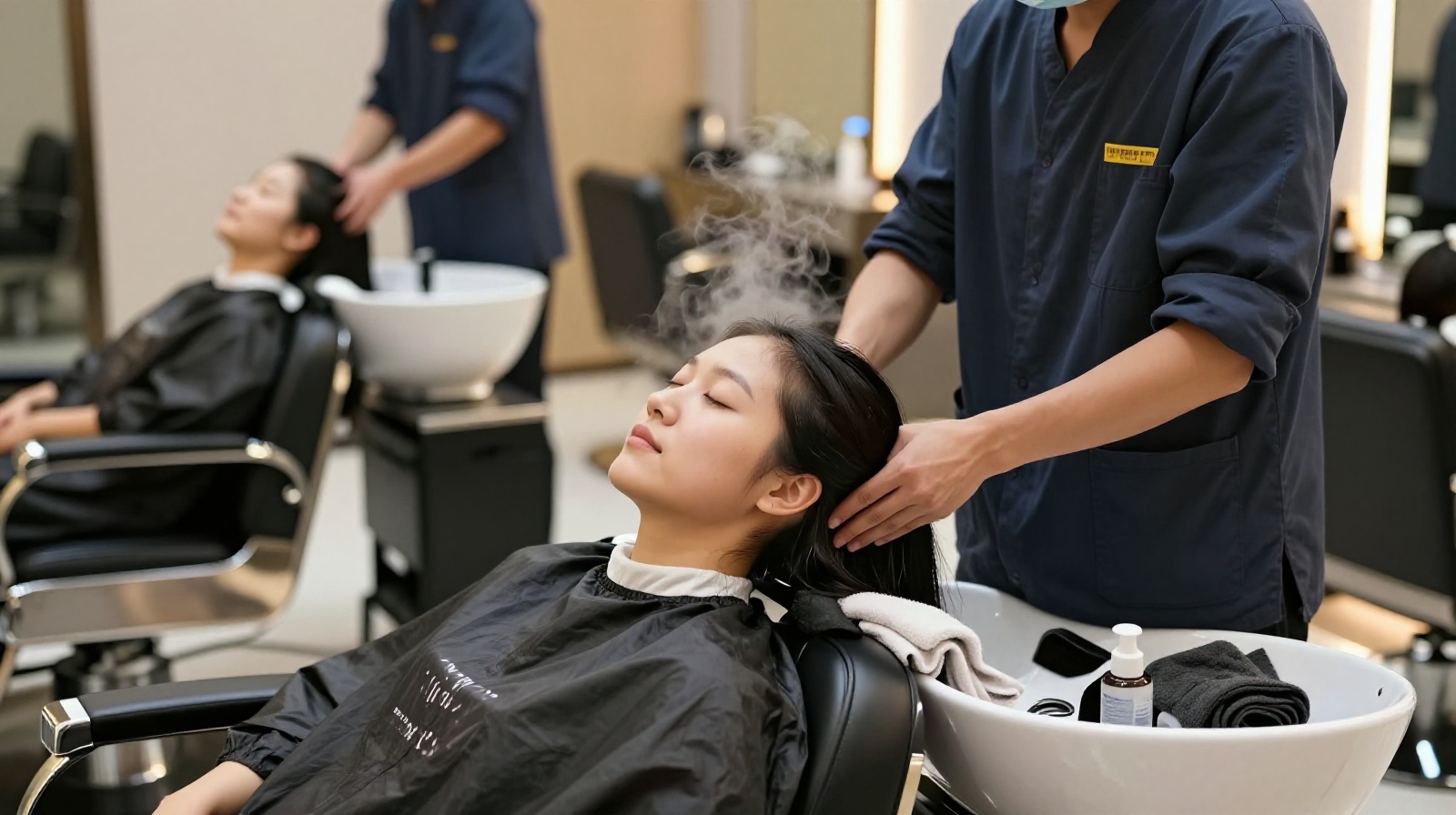
It starts at a chair that reclines almost flat. The air smells of jasmine shampoo and damp steam. A stylist in blue scrubs adjusts the headrest, then hands you a plastic visor to protect your eyes.
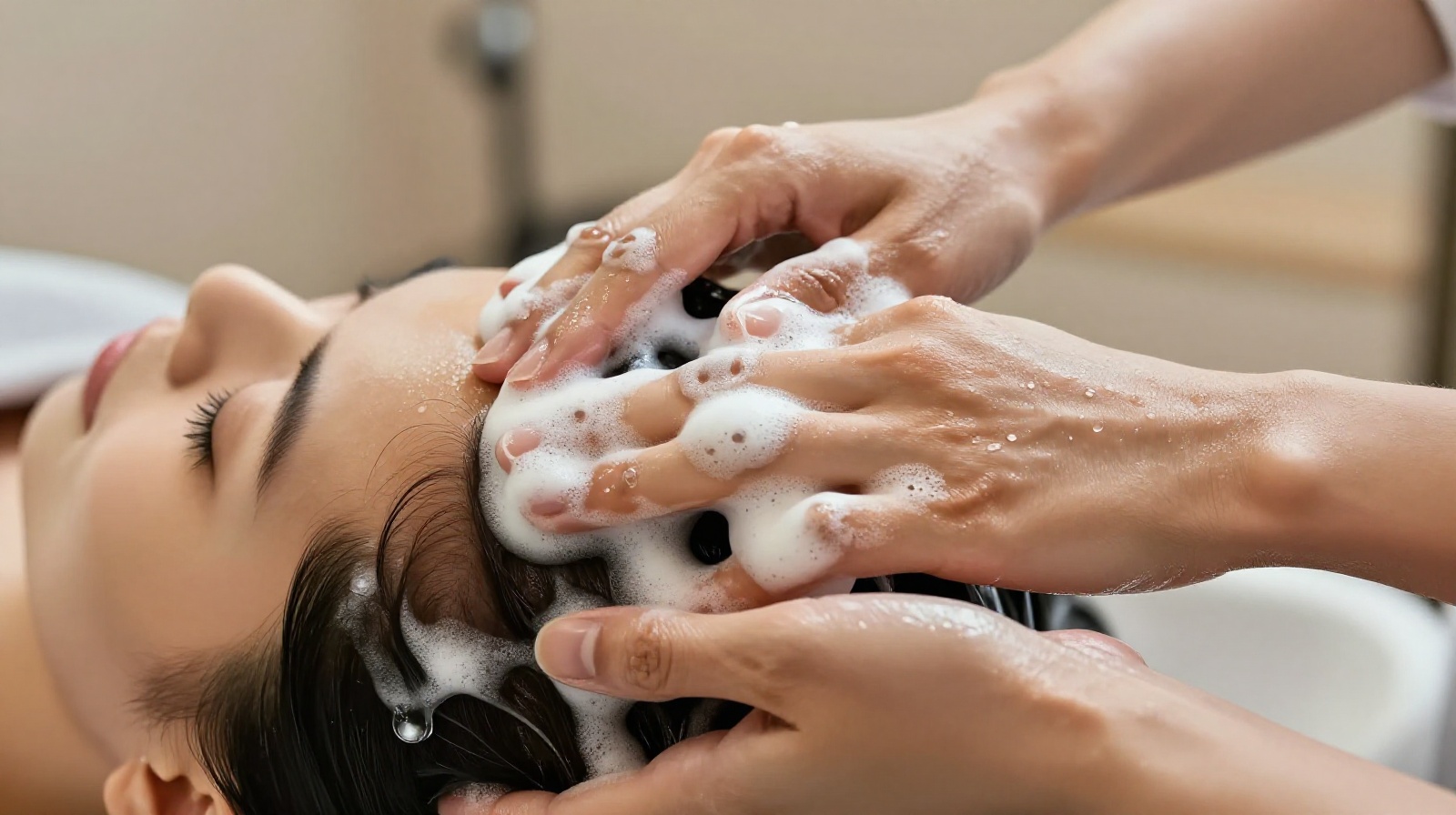
You lie back. Hot water hits your scalp. Then comes the real event: fifteen minutes of vigorous scrubbing, followed by a massage that feels less like grooming and more like physical therapy. Fingers press into the base of your skull, kneading the trapezius muscles until your shoulders drop an inch.
This is not an exaggeration. For many Chinese urbanites, a trip to the hair salon (lifa dian) is less about vanity and more about decompression. It is one of the few affordable luxuries left in daily life—a place where you can lie down, close your eyes, and let someone else do the work for 30 RMB ($4).
The “Extreme Service” Mindset
Western travelers often find this confusing. In New York or London, a haircut is transactional: you sit, you talk briefly about the cut, and you leave within an hour. Efficiency is king.
In China, efficiency is secondary to hospitality. The logic stems from two places:\p>
- High Labor Supply: Hairdressing remains one of the most accessible service jobs in China. Salons compete not on speed, but on how much value they can offer for a low price.
- Service as Currency: In a society where public spaces are often crowded and noisy, the salon chair offers a rare private bubble. The “free” head massage is actually part of the product bundle.
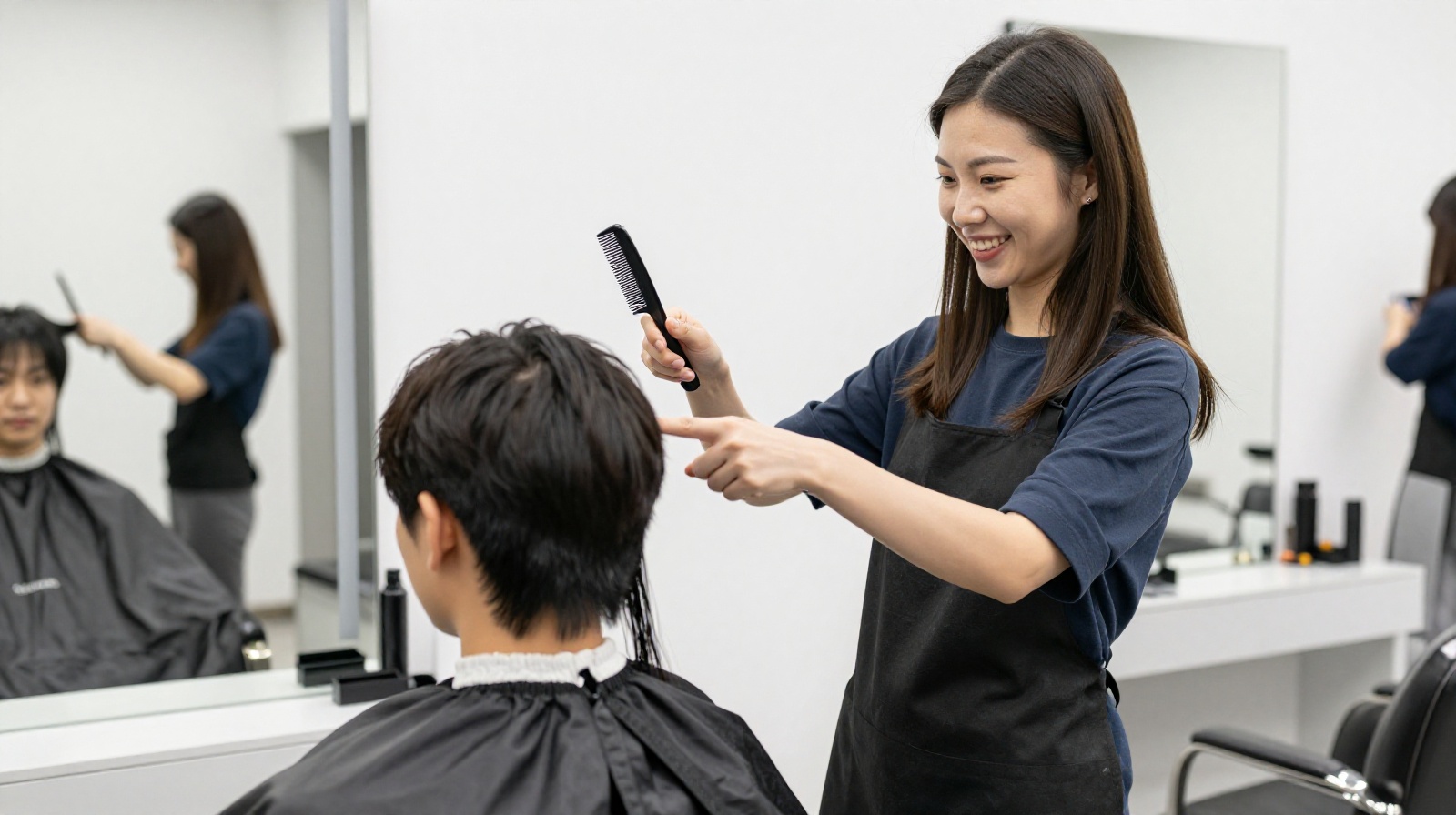
When you sit down, the stylist doesn’t just ask, “Shorter?” They observe. They touch your hair to check for split ends. They analyze your face shape. This level of attention can feel invasive at first—like being examined by a doctor—but it is intended as care.
The Unspoken Rules: How to Enjoy It
If you want to experience this without feeling overwhelmed, here are three practical rules for navigating Chinese hair salons.
1. The “Silent Treatment” is a Valid Choice
Chinese stylists are trained to be social. They will chat about the weather, your age, or why your hair looks dry. If you want relaxation, you don’t need to speak.
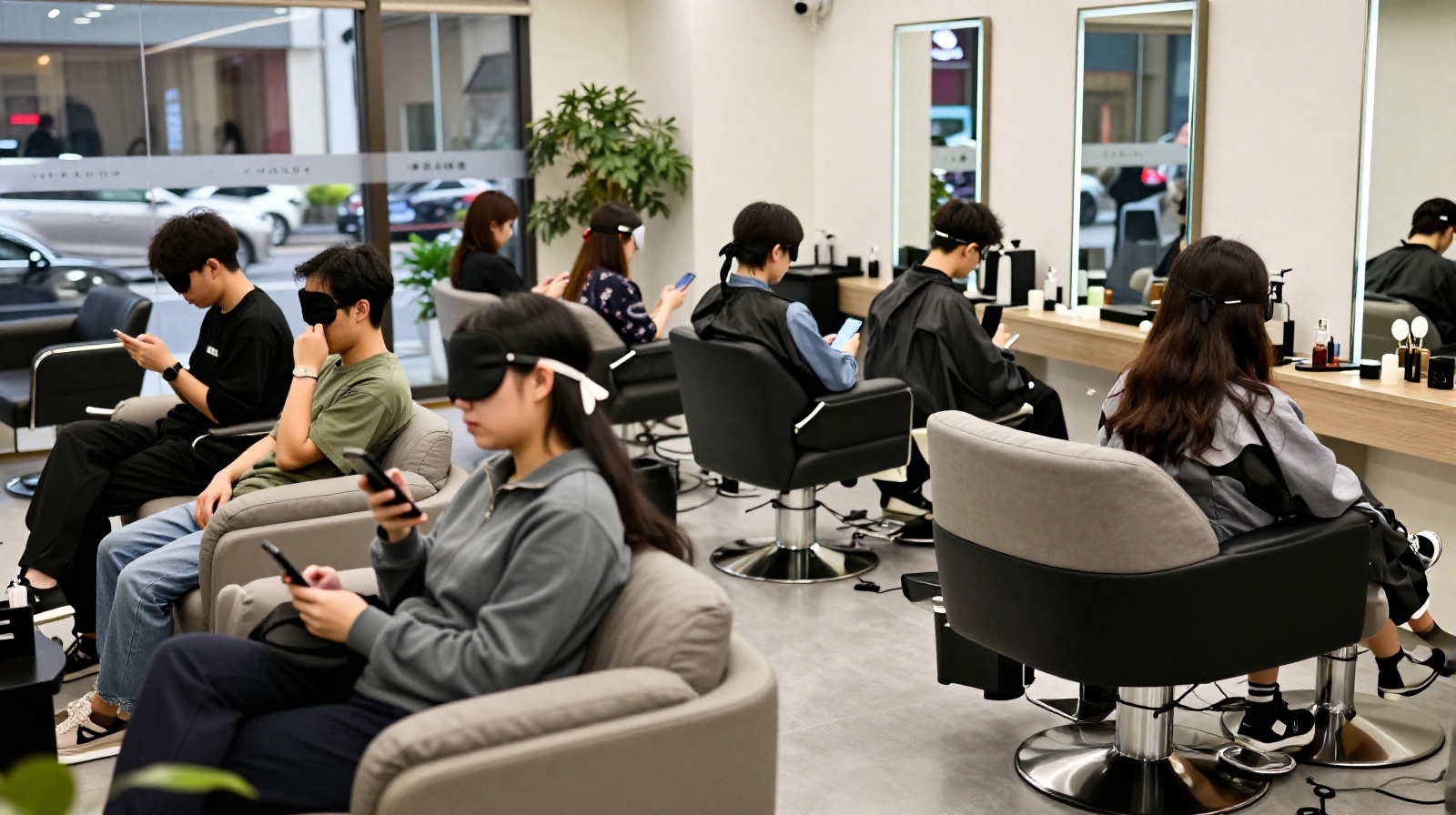
A nod means yes. A shake of the head means no. Many younger customers wear noise-canceling headphones during the wash phase. It’s a polite way to signal: “I am here to sleep, not to chat.” The stylist will understand and continue the massage in silence.
2. Setting Boundaries on Length
Vocabulary differences cause many disasters. In English, “a little off” means maybe three millimeters. In Chinese salons, if you say “shorten it a bit” (jian duan yi dian), the stylist might cut two inches.
The Fix: Show them a photo on your phone. Point to the exact line where you want the cut. Visuals transcend language barriers better than words ever could.
3. Avoiding the Sales Pitch
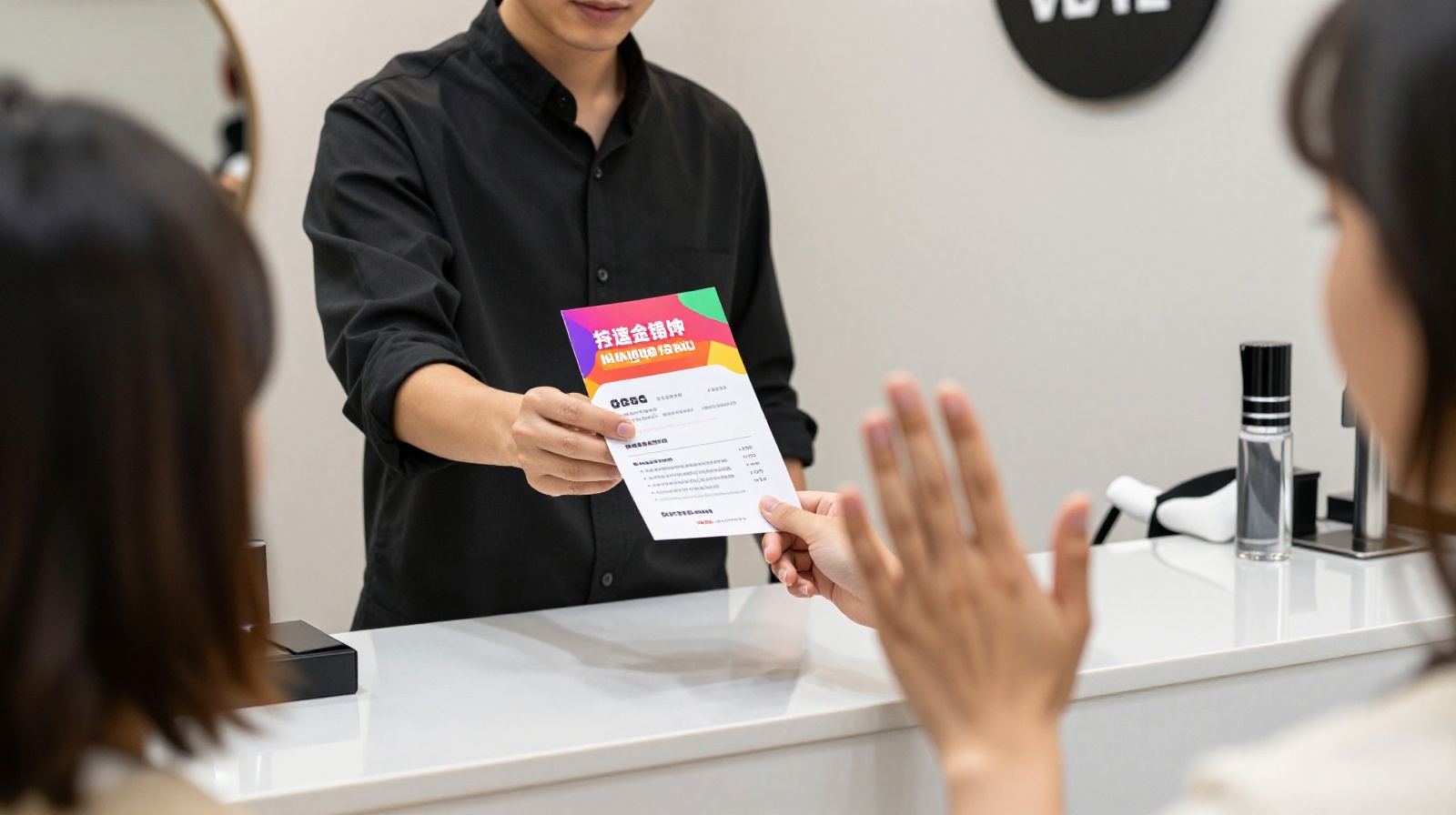
This is the hardest part for foreigners. After every service—wash, cut, or dye—the stylist will pivot immediately to selling a prepaid membership card (ka). This can happen three times in one visit.
The pitch sounds like this: “Your hair needs keratin treatment. If you buy a 500 RMB card today, you get 20% off all future visits and free scalp care for a year.”
They are not trying to scam you. They are under immense pressure to sell memberships because salons operate on razor-thin margins from the actual cut.
The Fix: Do not engage in negotiation. A firm, polite smile and the phrase “No thank you” (bu yao le) is enough. If they persist, repeat it louder or simply get up to leave. You never need to buy a card to get your hair cut.
A Social Sanctuary in the City
Why does this model survive? Because for many young professionals working 9-to-6 (or even 9-to-9) jobs, the salon is a mental reset button. It is one of the few places where you are not expected to be productive, responsive, or sharp.
You can watch videos on your phone while someone scrubs shampoo into your scalp. You can nap. The hot towel placed over your eyes at the end of the wash feels like a small mercy after a day of screen glare.
For the foreigner, this shift in perspective is the key to enjoyment. Stop treating it as a grooming chore and start seeing it as affordable wellness care. You aren’t just buying hair service; you are renting thirty minutes of peace in a noisy city.