

The End of the Instant Noodle Stereotype
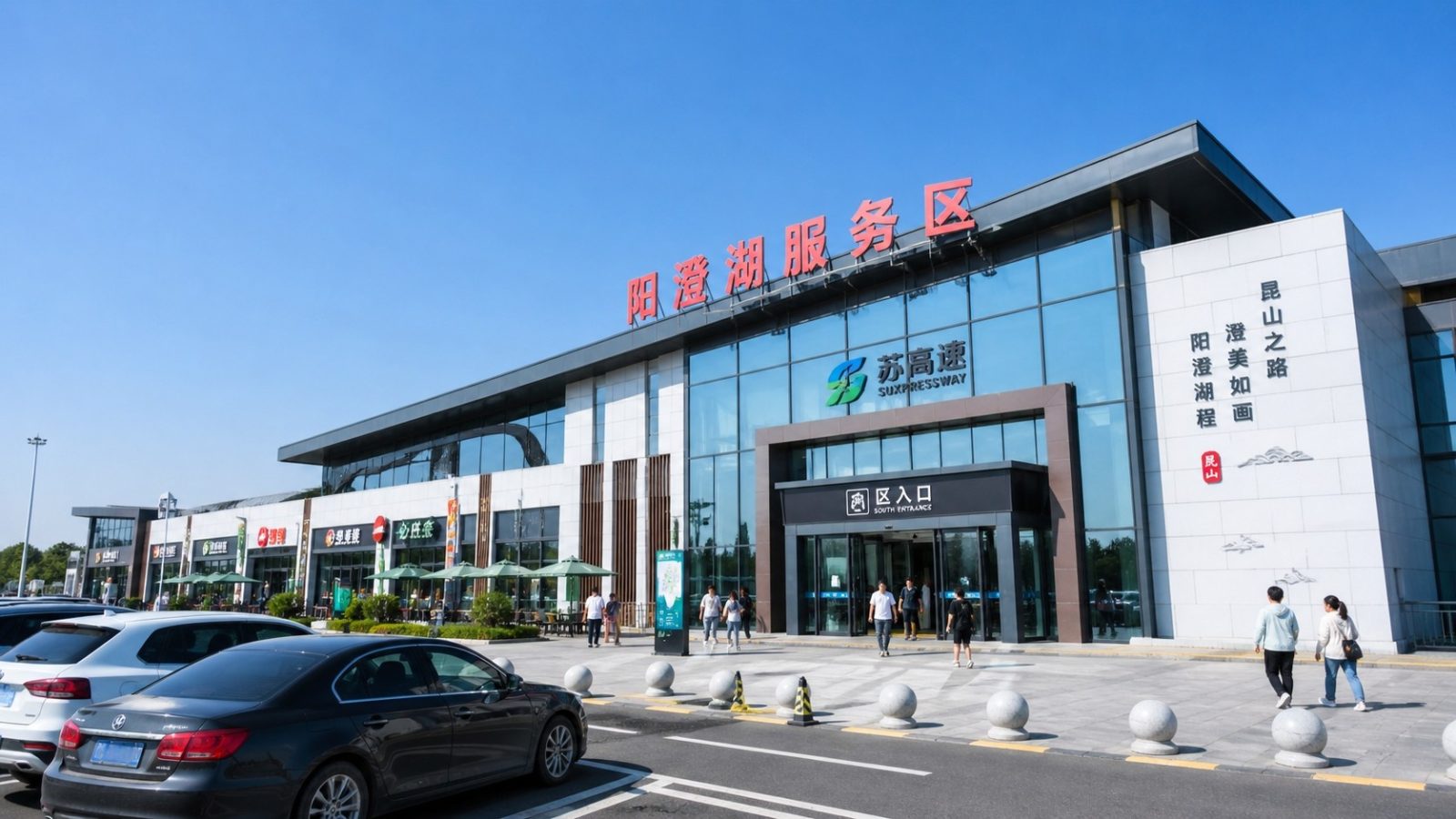
Decades ago, if you took a long road trip in China, your rest stops were predictable: a crumbling building, a smell of stale grease, and a stall selling instant noodles for breakfast. But if you hop on one of China’s vast highway network today—especially the major corridors connecting cities like Shanghai, Hangzhou, or Chengdu—you will find something entirely different.
China’s highway service areas (known locally as fuwuqu) have undergone a massive transformation. They are no longer just places to use the restroom and buy a bottle of water. For many travelers, they have become destinations in their own right—modern, clean, and surprisingly delightful hubs for food, shopping, and rest.
A Food Court Larger Than Some Restaurants
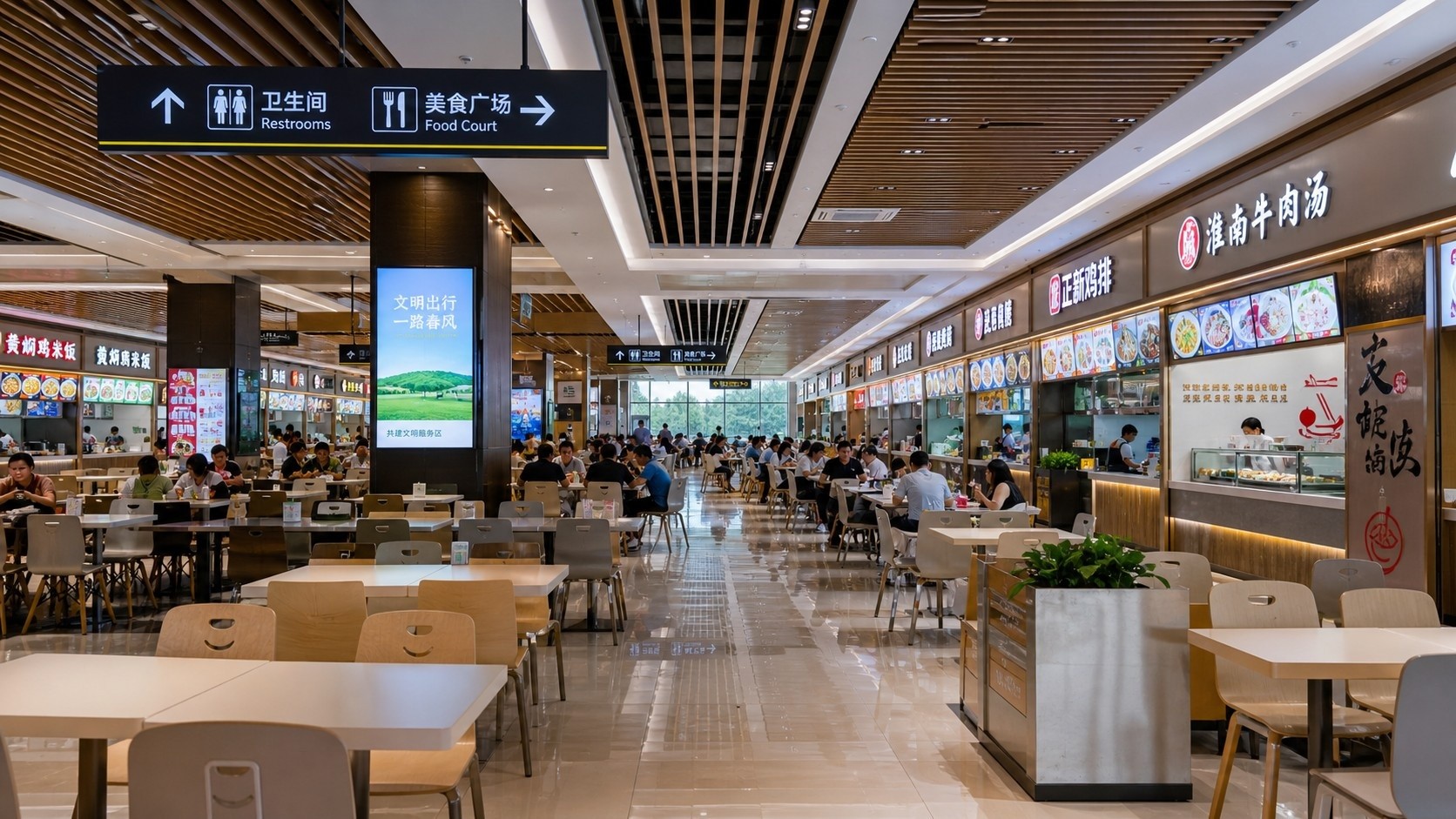
The most shocking change for first-time visitors is the dining scene. Walking into a major service area often feels like entering a suburban shopping mall rather than a roadside stop. The air is cool and conditioned, and the floors are spotless.
You will find a wide variety of food options that cater to different tastes and budgets. Global fast-food giants like KFC, McDonald’s, Starbucks, and even Pizza Hut have established strong presences here, ensuring that travelers who miss home comforts can still get their favorite burgers or lattes.
Local Flavors: The Hidden Gems
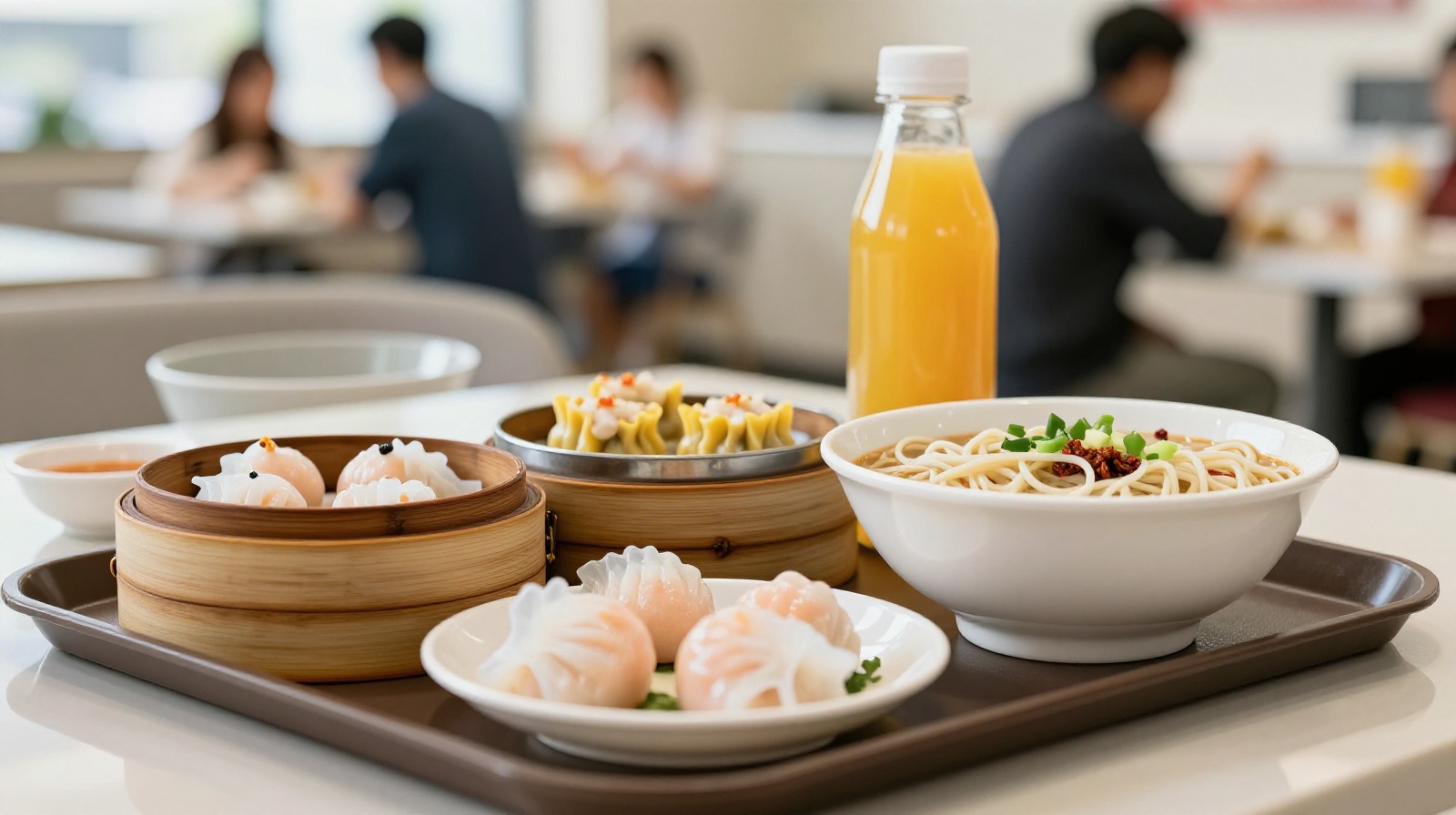
But the real star of China’s service areas is local cuisine. Because these areas are spread across every province, they often serve as showcases for regional food culture. This is a unique advantage that travelers rarely get to experience in cities.
In Jiangsu Province, you might find fresh Yangcheng Lake hairy crabs or delicate soup dumplings just minutes off the highway. In Shaanxi, you can eat authentic biangbiang noodles or lamb skewers. In Yunnan, spice-infused rice noodles await. These aren’t mass-produced tourist traps; they are often run by local chefs using recipes passed down through generations.
More Than Just Food: The Mall Experience
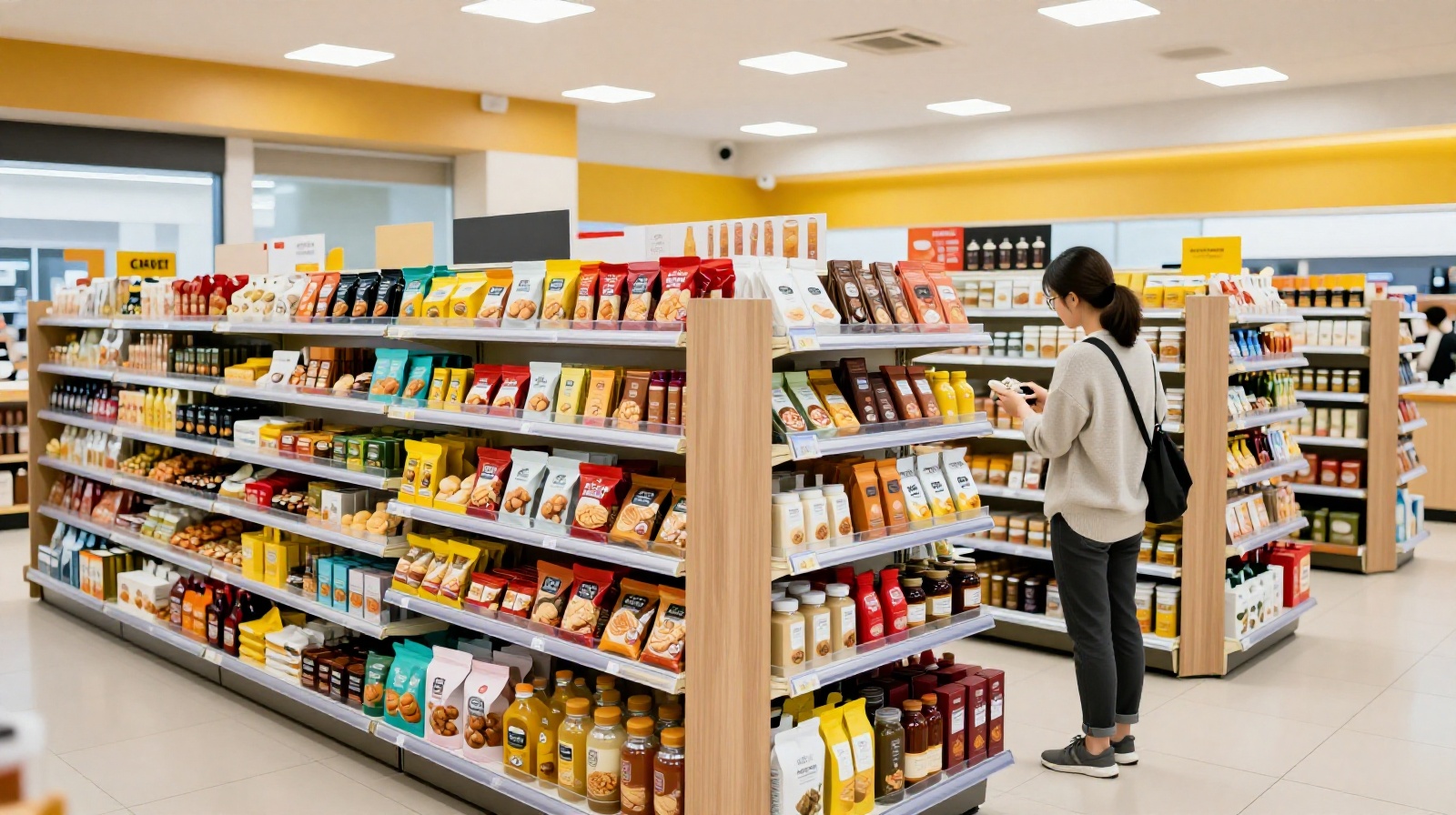
If food isn’t your only goal, the shopping experience is equally impressive. Large service areas like the famous Luandun Service Area in Zhejiang or the Taihu Lake area have evolved into full-scale commercial centers.
You can browse through stores selling local specialties—tea from Longjing, silk products, or regional snacks—to take home as gifts. There are also convenience stores with everything you might need for a long drive: chargers, travel pillows, fresh fruit, and cold drinks. Some even feature small libraries, children’s play areas, or exhibition spaces displaying local culture and history.
Comfort and Hygiene: A New Standard
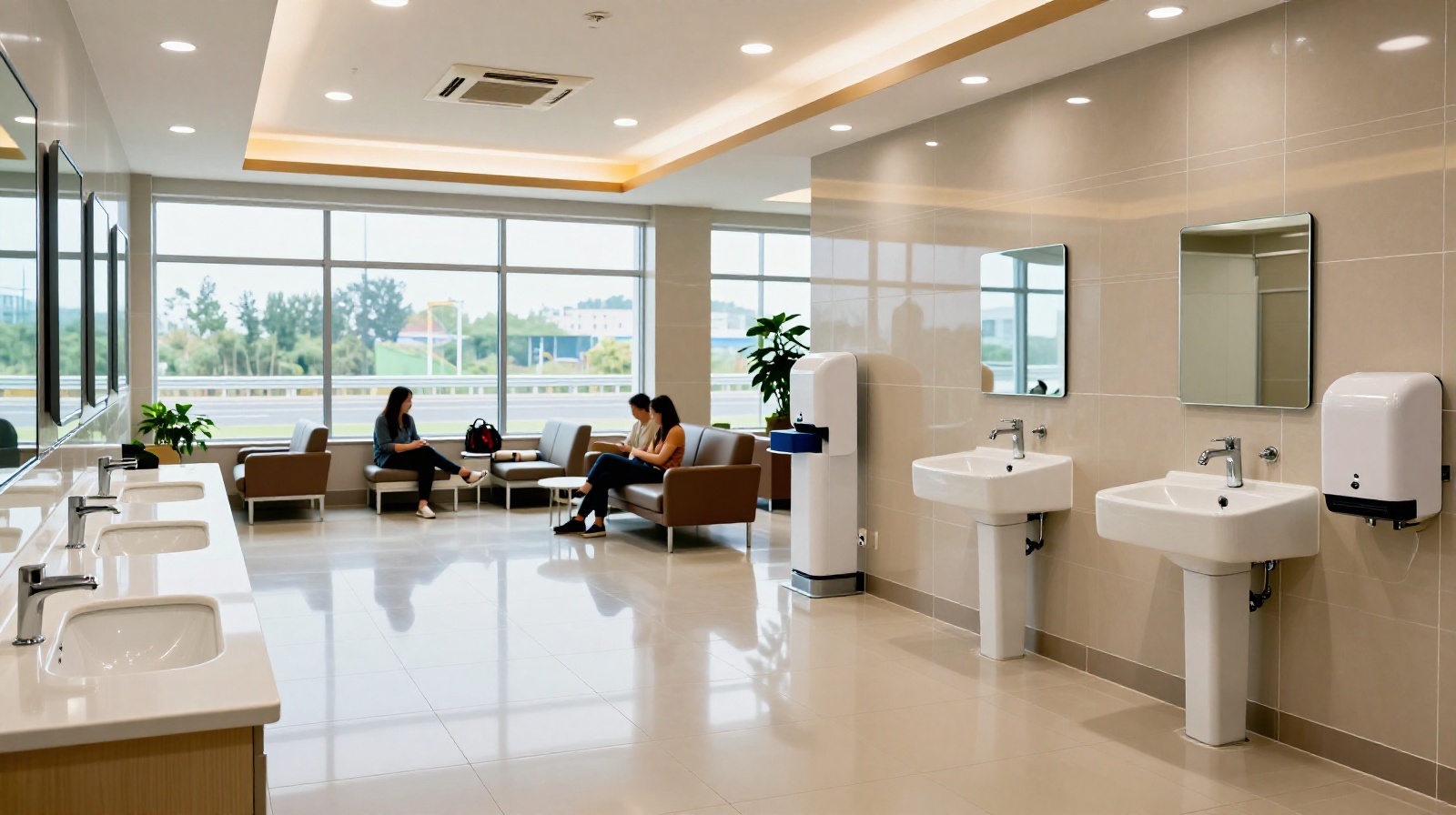
For the drivers and passengers who have been on the road for hours, comfort is key. The restrooms in modern Chinese service areas are consistently clean, well-maintained, and equipped with hand dryers and soap. Many larger facilities offer shower rooms for long-haul truck drivers, a level of consideration that is rare in many other parts of the world.
There are also comfortable seating lounges where you can stretch your legs, work on a laptop, or simply watch the cars zoom by through large glass windows. It’s a safe, quiet space to recharge before getting back on the road.
Tips for Your Road Trip
So, how should you use these service areas? Treat them as planned stops, not just emergencies. If your highway has multiple rest areas, pick one that is known for its size or food options. Don’t rush through; give yourself at least 30 to 45 minutes to eat, shop, and relax.
Use navigation apps like Amap (Gaode) or Baidu Maps to check reviews of service areas before you arrive. Locals often share photos of the best dishes available that day, helping you avoid the generic options. And don’t be afraid to try something local—it might just become your favorite part of the journey.